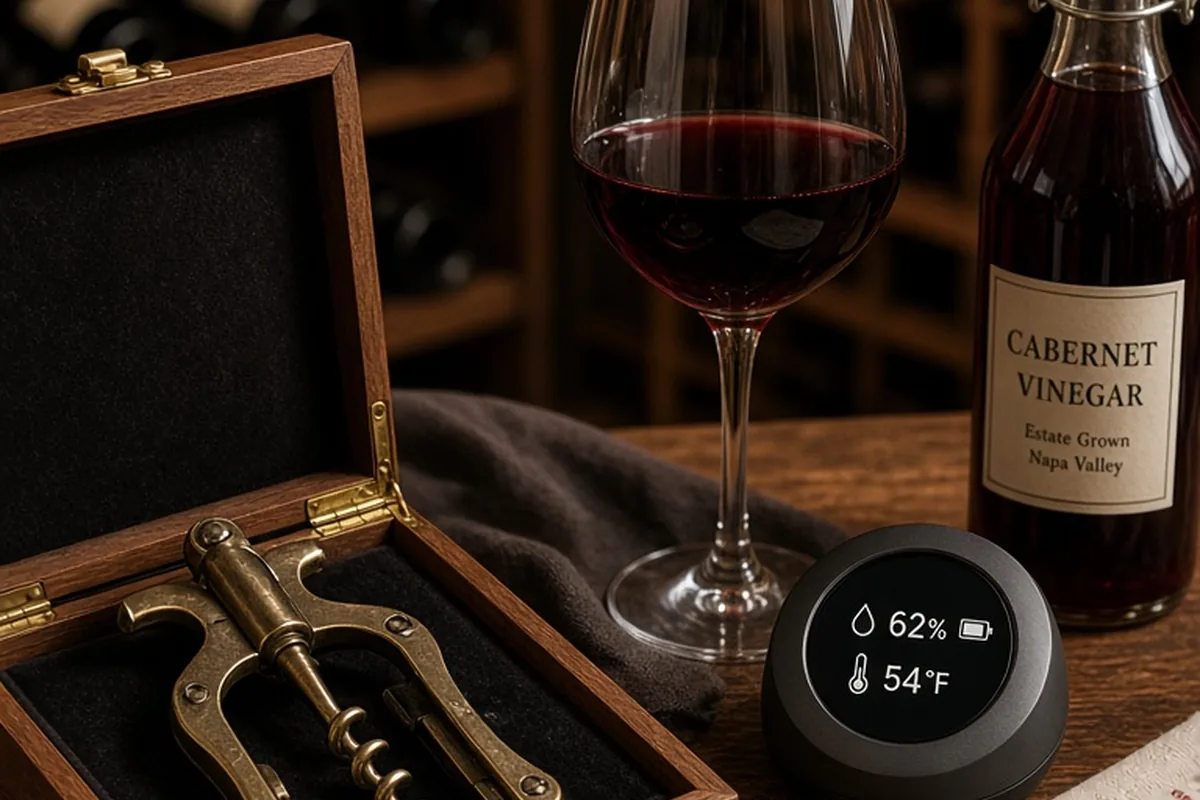
When a wine lover already owns basic accessories and plenty of bottles, the best gifts focus on preservation, organization, niche craftsmanship, or educational experiences. Consider specialized tools like a two-prong composite cork puller for fragile vintage corks, smart cellar environmental sensors, artisan mouth-blown universal stemware, estate-produced culinary vinegars, or an in-depth vineyard geological map that elevates their existing passion without adding clutter.
Shopping for an experienced oenophile often feels intimidating because their personal cellars and cabinets are already stocked with high-end bottles, electric openers, and everyday stemware. Moving past generic novelty items requires looking at the subtle friction points in their hobby, such as cataloging mature bottles, protecting fragile closures, or exploring regional terroir from a fresh perspective.
Specialized Cork Extraction Tools for Fragile Vintages
Mature bottles present a distinct mechanical challenge that standard kitchen gear simply cannot handle. Natural corks that have rested inside a bottle neck for fifteen to forty years gradually absorb wine, lose elasticity, and adhere to the surrounding glass. When an enthusiast attempts to open an older vintage with a conventional spiral screw, the turning force frequently shreds the center of the closure or pushes the disintegrated lower half down into the liquid, clouding a delicate vintage with cork dust.
A composite two-stage cork extractor, commonly known in the sommelier trade as a Durand-style tool, solves this problem by combining a central stabilizing helix with two flanking spring-steel blades. The user first turns the center screw into the cork to secure vertical tension, then gently eases the longer and shorter blades down the outside perimeter between the cork and the glass. By turning and lifting in a simultaneous motion, the device extracts fragile, saturated corks intact without fracturing the structure. The main limitation is its specialized nature; it is largely unnecessary for young screw-cap or synthetic closures, making it an investment strictly tailored to collectors who cellar older bottles.
Smart Environmental Monitoring for Cellars and Cabinets
Proper temperature and humidity maintenance represents one of the largest financial and emotional investments a dedicated collector makes. Even well-engineered cooling units and dedicated multi-zone wine cabinets can suffer undetected compressor failures, power trips, or seasonal drops in ambient humidity. Traditional wall thermometers only provide static numbers at the moment of inspection, leaving the owner blind to what occurs while they are at work or away on travel.
Wireless smart environmental sensors bridge this gap by delivering continuous monitoring straight to a smartphone. Compact devices like Bluetooth or Wi-Fi smart hygrometers tuck cleanly between wooden rack rows, logging ambient temperature and relative humidity every few minutes. If a cooling unit malfunctions and temperatures drift above sixty-five degrees Fahrenheit or humidity drops low enough to risk drying out corks, the device sends immediate push notifications. A sensible package includes one or two sensors with magnetic mounts. The trade-off is connectivity; thick insulated cabinet doors or underground concrete walls can interfere with wireless reception, so you should ensure the model chosen supports local data logging or extended wireless ranges.
Featherweight Mouth-Blown Universal Stemware
Many experienced wine drinkers possess cupboards crammed with specialized stemware sets designated for specific grapes, from oversized Pinot Noir fishbowls to narrow flute glasses. Over recent years, top professionals and serious home collectors have shifted toward high-grade universal glasses. These designs feature a bowl shape engineered to present the aromatic complexity of crisp whites, aged sparklers, and full-bodied reds with equal precision, freeing up shelf space while elevating daily drinking.
Gifting a pair of featherweight, mouth-blown crystal glasses delivers a dramatic tactile improvement. Handcrafted European glasses, such as those made by Gabriel-Glas, Zalto, or Josephinenhütte, weigh mere ounces and feature whisper-thin rims that minimize physical interference between the palate and the wine. The liquid flows smoothly onto the tongue, and the overall balance in the hand feels remarkably natural. The obvious consideration is physical vulnerability. Mouth-blown crystal requires conscious care during washing and drying, and the recipient must feel comfortable managing delicate stemware that cannot simply be tossed into an overcrowded dishwasher.
Cartographic Maps and Terroir Reference Books
When an enthusiast already has access to more bottles than they could reasonably finish, gifts that enrich the intellectual side of their passion offer enduring value. Wine appreciation is fundamentally tied to landscape, soil composition, sun exposure, and historical boundaries. High-resolution cartographic prints transform complex geographical concepts like slope gradients, alluvial fans, and commune divisions into engaging, educational artwork.
Detailed vineyard maps, such as the regional cartography produced by specialized publishers like De Long or educational organizations like GuildSomm, highlight granular vineyard sites across benchmark regions like Burgundy, Barolo, or the Mosel valley. Framing one of these maps provides a handsome addition to a cellar, study, or dining room that can be studied whenever an appellation-specific bottle is uncorked. To make the gift more comprehensive, you can pair the map with an authoritative reference text covering regional soil science or heritage viticulture. The primary practical check is wall or bookshelf space, as large-format maps require adequate display area to be easily readable.
Varietal Vinegars and Estate-Grown Culinary Staples
Purchasing an actual bottle of wine for a discerning collector often creates friction because personal preferences in vintage, vintage variation, and cellaring stage are so individualized. Choosing estate-grown culinary provisions circumvents this challenge while remaining firmly rooted in fine wine culture. Many storied estates in premier wine regions bottle small quantities of estate olive oils or craft vinegars using the exact same agricultural standards applied to their flagship vintages.
Consider presenting a set of single-varietal wine vinegars, such as authentic solera-aged Sherry vinegar from Andalusia, barrel-matured Cabernet Sauvignon vinegar from Napa Valley, or complex, unpasteurized Banyuls vinegar from southwestern France. Alternatively, cold-pressed extra virgin olive oils produced by renowned Tuscan, Riojan, or Sonoma estates offer bright, grassy, or peppery flavor profiles that elevate everyday home cooking. These items are inherently consumable, which means they do not add permanent clutter to crowded homes. However, because premium unpasteurized vinegars and cold-pressed oils degrade with exposure to oxygen and heat, encourage the recipient to enjoy them within several months of opening.
Heavy-Duty Luggage Inserts for Wine Travel
Collectors who travel to wine countries frequently encounter exceptional bottles from small producers that have zero retail distribution in their home market. Transporting those bottles back via air travel is often nerve-wracking. Standard cardboard shipping containers are awkward to carry through airport terminals, and wrapping precious glass bottles in knit sweaters inside regular suitcases invites accidental impact, shattered glass, and catastrophic red stains across clothing.
A heavy-duty, crush-resistant luggage insert or a specialized all-in-one wine travel case provides structural peace of mind. Brands like VinGardeValise manufacture molded inserts and dedicated suitcases lined with dense, shock-absorbing closed-cell foam that safely cradles between six and twelve bottles under rough baggage-handling conditions. The recipient gains the freedom to purchase allocated allocations directly from cellar doors and check them as standard luggage without paying expensive international freight surcharges. The primary trade-off is bulk; these rigid travel cases demand dedicated storage space in a closet or garage when not in use.
Reusable Cellar Tags and Archival Logbooks
In a densely packed wine rack or home cellar, tracking down a specific bottle can turn into an unwieldy chore. Pulling individual bottles out of cubbies repeatedly to inspect neck labels exposes aging wine to light, warms the bottle through body heat, and stirs up fine sediment that should remain undisturbed at the bottom. Practical cellar organization tools streamline bottle retrieval while protecting wine condition.
A well-curated organization set can include reusable neck tags made of matte synthetic slate, heavy cardstock, or dry-erase material, paired with waterproof chalk pens. The collector slips these collar tags over the neck of the bottle, recording the producer, vintage year, and ideal drinking window. This allows anyone browsing the collection to identify the contents at a glance without moving a single bottle. Complementing these tags with a Smyth-sewn, leather-bound cellar journal gives traditionally minded collectors a tactile, permanent space to record tasting impressions, food pairings, and bottle provenance. Keep in mind that collectors who track their cellar strictly through digital barcode applications may prefer technical software subscriptions over physical paper ledgers.
Professional Glassware Care and Polishing Essentials
As an enthusiast upgrades their stemware collection to premium mouth-blown crystal, glassware maintenance becomes an essential daily routine. High-end crystal must never be cleaned with heavily perfumed dish detergents that leave residual chemical films, nor should delicate stems be left to dry flat on dish towels where moisture rings and mineral spots inevitably form. Assisting with the cleaning and drying process offers meaningful, long-term utility that protects their existing investments.
A practical maintenance package might feature an oversized, lint-free microfiber polishing cloth, fragrance-free regenerative crystal washing soap, and a stable stemware drying rack. Extra-large microfiber cloths allow the user to hold the base of the glass in one hand while gently polishing the bowl with the other, eliminating fingerprints without twisting the delicate stem where breaks most commonly occur. While a cleaning system lacks the romantic aura of a vintage bottle, it directly addresses the practical anxiety of caring for fragile crystal. The limitation is that it functions strictly as a maintenance utility rather than an experiential novelty, so it works best when presented with high-end presentation.
Frequently asked questions
How do I choose a wine gift if I do not know which grape varietals the recipient prefers?
Focus on high-utility preservation tools, universal mouth-blown stemware, or estate culinary provisions rather than a bottle of wine. These items provide immediate practical value regardless of whether they drink crisp Riesling or bold Cabernet. By steering clear of specific grape styles, you avoid the risk of clashing with their personal cellar preferences.
Why are common novelty wine gadgets generally avoided by serious collectors?
Experienced collectors typically avoid motorized aerators, chilling rods, or whimsical stoppers because they add unnecessary agitation or alter wine temperature unpredictably. Many of these gadgets solve problems that quality glassware and proper cellaring already handle naturally. Professional-grade tools like composite cork pullers or lint-free polishing cloths are far more appreciated because they solve authentic operational challenges.
Is it ever a good idea to gift a bottle of wine to someone with an extensive cellar?
It can be a wonderful gift if the bottle carries a meaningful personal narrative, such as a vintage from an anniversary year or a boutique producer you discovered on your own travels. However, unless you have access to their cellar inventory, you risk buying something they already own or do not care to collect. If you want to give wine directly, a gift voucher to an independent, sommelier-curated importer allows them to pick their own rare allocation.
What makes a universal wine glass better than a set of varietal-specific glasses?
Universal glasses are engineered with a balanced bowl profile that accommodates both the delicate aromatics of light whites and the broader structure of heavier reds. This versatility reduces cabinet clutter significantly while providing a uniform, high-quality tasting experience across every style. For collectors whose cupboards are already crowded with stemware, a versatile, featherweight universal pair is far more practical than another six-piece varietal set.
Your next step
Assess how the recipient spends their time with wine, note whether their daily friction point lies in storage, travel, or glassware maintenance, and select one high-craft tool or estate culinary staple that enhances that specific routine.