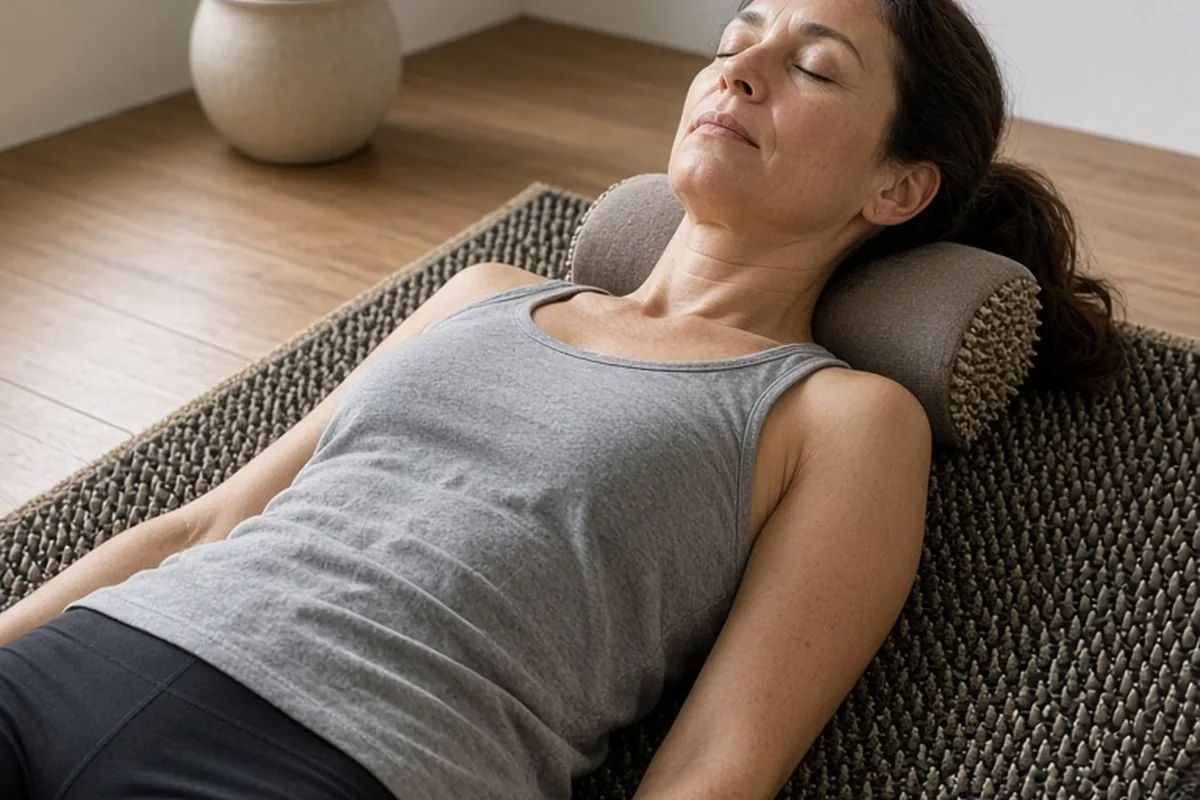
For the yogi who already owns a quality mat and basic blocks, the best gifts focus on elevated comfort, mindful recovery, and experiential support. Consider artisan restorative bolsters, weighted meditation blankets, sound healing tools like tuned brass chimes, or passes for specialized workshops and sound baths. These gifts honor their established routine by enhancing their sensory environment and post-movement recovery without adding redundant studio gear to their collection.
Longtime yoga practitioners tend to be discerning about their equipment, often having dialed in their preferred mat grip, strap length, and apparel brands over years of dedicated movement. Finding a meaningful present requires looking beyond introductory starter kits and identifying subtle luxuries, sustainable upgrades, or restorative items that enhance their post-practice relaxation and daily mindfulness rituals.
Artisanal Restorative Props That Elevate Home Savasana
Most active yogis begin their journey collecting lightweight, utilitarian gear suited for dynamic studio classes, such as high-density foam blocks and standard synthetic straps. Over time, however, many practitioners expand their focus toward restorative yoga, yin sequences, and prolonged breathwork at home. In these slower disciplines, firm foam is often uncomfortable, making handcrafted, natural-fiber props a welcome and luxurious upgrade they rarely justify buying for themselves.
A premium bolster filled with clean, organic buckwheat hulls is a standout choice because it molds dynamically to the contours of the spine and hips, offering stable grounding that standard polyfill cushions lose within months. Pair this with a heavy Mexican falsa blanket or a handwoven organic cotton throw, which can be folded precisely to cushion the knees, elevate the pelvis, or drape over the torso for warmth during final relaxation. A weighted silk eye pillow filled with flaxseeds provides gentle acupressure over the temples, signaling the nervous system to disengage from active effort.
When selecting restorative textiles, keep personal preferences in mind. Buckwheat-filled cushions are significantly heavier than synthetic batting, making them magnificent for home grounding but impractical for carrying to a studio. Additionally, if the recipient experiences scent sensitivities or allergies, choose unscented flaxseed or dried cherry pit eye pillows rather than varieties pre-scented with lavender or chamomile oils.
- Organic buckwheat-hull bolsters with removable, washable linen covers
- Dense, handwoven cotton or wool blankets that hold precise folds without slipping
- Weighted silk or washed-linen eye pillows with natural flaxseed filling
Sonic and Atmospheric Upgrades for Dedicated Practice Spaces
An established yogi frequently cultivates a specific corner, room, or alcove in their home reserved exclusively for daily practice. The atmosphere of that environment profoundly influences their ability to transition from the mental clutter of work and chores into meditative presence. Atmospheric gifts introduce tactile, acoustic, and olfactory cues that mark the boundary between ordinary life and mindful practice.
Hand-hammered Tibetan singing bowls made of bell metal or precision-tuned Koshi wind chimes offer rich, acoustic overtones that digital timers cannot replicate. Striking a chime to open a sequence or close meditation grounds the practitioner through physical vibration. To engage the sense of smell, consider an ultrasonic stone diffuser paired with grounding botanical essential oils like cedarwood, frankincense, or vetiver, which evoke the serene ambiance of a traditional retreat sanctuary.
Be mindful of living arrangements when choosing environmental items. Burning traditional resin incense, sage, or palo santo can generate heavy smoke that irritates the lungs during deep pranayama or bothers household members and pets. Ultrasonic diffusers or delicate botanical room mists deliver scent without smoke, offering a gentler, more considerate alternative for indoor environments.
- Acoustic Koshi chimes tuned to natural elemental scales for smooth posture transitions
- Handcrafted porcelain or matte stone essential oil diffusers with quiet motors
- Pure botanical room mists formulated with essential oils rather than synthetic perfumes
Targeted Body Recovery and Somatic Release Tools
Even seasoned practitioners encounter persistent muscular tightness from repetitive transitions, deep backbends, and arm balances. Areas such as the plantar fascia, gluteal complex, and upper thoracic spine frequently require targeted myofascial release that broad stretching alone does not fully resolve. High-grade somatic tools give experienced yogis the ability to perform precise self-massage before or after their practice.
Natural cork massage balls and textured foot rollers offer a firm, tactile surface that grips skin and clothing without sliding. Unlike smooth plastic or petroleum-based foam rollers, cork is sustainable, lightweight, and antimicrobial. Another deeply appreciated gift is an acupressure mat and neck pillow set. Resting on thousands of non-invasive points for ten to twenty minutes stimulates superficial blood circulation, melts stubborn back tension, and encourages profound physical surrender after demanding athletic flows.
While bodywork tools deliver tangible recovery benefits, they carry a brief learning curve. Acupressure mats can feel prickly or sharp upon initial contact, often requiring the user to wear a thin cotton shirt until their body adapts. Choose sets crafted from natural linen and coconut fiber rather than polyurethane foam, as breathable materials remain comfortable during prolonged rest.
- High-density cork massage spheres and double-peanut rollers for thoracic release
- Linen-covered acupressure mats with natural coconut-fiber interior padding
- Herbal clay heat packs designed to drape comfortably across the shoulders and neck
Experiential Gifts and Advanced Learning Opportunities
When an individual already possesses every physical accessory imaginable, adding more objects can feel counterproductive to the minimalist values often cultivated in yoga. In such cases, experiential gifts provide profound value by expanding their understanding, deepening their personal practice, and fostering connections with the broader movement community without creating household clutter.
Consider covering the registration fee for an upcoming weekend immersion, a specialized anatomy masterclass, or an evening sound bath at a reputable local studio. If their schedule is demanding or they live far from major metropolitan studios, an annual membership to a premium online platform specializing in master teachers offers structured courses on philosophy, advanced inversions, or restorative sequencing that ordinary class memberships rarely cover.
The key challenge with experiential gifting is aligning the purchase with their specific lineage and schedule. An Ashtanga practitioner may have little interest in a Kundalini chanting workshop, while a yin yoga enthusiast might find an advanced hand-balancing clinic overwhelming. If you are unsure of their exact discipline, purchase an open credit with their regular studio or present a thoughtfully written voucher designating a budget for the workshop of their choice.
- Passes for immersive weekend sound journeys or restorative evening workshops
- Subscriptions to specialized online education platforms led by renowned master teachers
- Gift cards to their specific local studio designated for visiting teacher immersions
Post-Practice Layering and Studio-to-Street Comfort
During an intense yoga practice, internal body heat rises quickly, but it dissipates just as rapidly during Savasana and the subsequent journey home. Experienced practitioners know the discomfort of stepping into cool weather while wearing damp technical wear. Gifts that provide effortless, breathable warmth allow yogis to transition comfortably from the studio floor to their everyday routines.
An oversized wrap or poncho made from natural merino wool or recycled cashmere provides immediate insulation during seated meditation and serves as a chic outer layer over workout clothes. Similarly, a double-walled ceramic-lined thermal tumbler keeps herbal teas, golden milk, or spiced chai steaming hot through a seventy-five-minute class, giving them a soothing beverage the moment practice concludes.
It is generally wise to avoid buying fitted performance leggings, tops, or sports bras for seasoned yogis. Experienced practitioners develop rigid preferences regarding waistline rise, compression levels, seam placement, and technical fabric blends. Loose, beautifully textured outerwear, scarves, and beverage accessories eliminate the risk of sizing mismatches while still feeling personal and luxurious.
- Oversized open wraps crafted from soft merino wool or brushed cotton fleece
- Ceramic-lined insulated bottles that preserve delicate herbal tea flavors without metallic taste
- Generous organic cotton canvas totes designed with reinforced straps for bulky apparel
Refined Storage and Display Solutions for Home Sanctuaries
Dedicated yogis accumulate equipment over years of movement: dynamic mats, thick restorative cushions, blocks, straps, and massage balls. Without designated storage, these items frequently end up strewn across bedroom floors, leaning awkwardly against dressers, or shoved into crowded closets. Beautiful, functional storage turns their practice equipment into an intentional, visually calming element of their home decor.
Solid hardwood wall racks crafted from walnut, oak, or maple allow practitioners to store their rolled mat, folded blankets, and props off the floor, transforming functional equipment into an attractive focal point. For practitioners who rent or prefer floor storage, a wide-mouthed, handwoven basket made of sturdy seagrass, jute, or cotton rope keeps multiple mats and rolled blankets upright and readily accessible beside their practice area.
Before selecting wall-mounted systems, consider their living space and wall surface. Heavy hardwood mounts require secure anchoring into wall studs or masonry, which may not be feasible in rental properties. In such situations, floor-based woven hampers or free-standing wooden ladder displays provide equal organization without requiring drills or structural alterations.
- Handcrafted hardwood wall displays with dedicated hooks for straps and resistance bands
- Sturdy, natural-fiber floor hampers wide enough to hold two mats and multiple bolsters
- Leaning wooden blanket ladders to display and air out handwoven studio blankets
Illustrative Scenarios
Choosing Between Gear and Experience for an Urban Practitioner
Jordan wanted to surprise Alex, a dedicated practitioner of seven years living in a compact city apartment. Alex already owned three high-end mats, custom cork blocks, and a full set of straps. Recognizing that Alex's apartment had zero room for additional props and that Alex followed a dynamic Vinyasa routine, Jordan bypassed physical gear entirely and instead gifted a weekend pass to a visiting teacher's spinal mobility masterclass at Alex's favorite studio.
Key point: Evaluating a yogi's living space and preferred practice style reveals whether an educational experience offers far more genuine value than another physical object.
Frequently asked questions
What should I avoid buying for an experienced yoga practitioner?
Avoid entry-level starter kits, generic PVC yoga mats, and tightly fitted clothing like leggings or tops. Advanced yogis usually have precise preferences regarding mat grip, thickness, and apparel fit, making generic items redundant or uncomfortable.
Is it worth buying a new yoga mat for someone who already owns one?
Only if you know their exact preferred brand, model, and texture, or if their current mat is noticeably worn down. Most established practitioners are intensely loyal to a specific brand and density, so guessing can lead to a mat they rarely use.
How can I select a good gift if I do not know which style of yoga they do?
Focus on universal restorative luxuries that complement every yoga discipline, such as natural-fiber studio blankets, ceramic-lined tea tumblers, or linen eye pillows. Alternatively, a gift certificate to a high-end yoga lifestyle shop or their local studio lets them choose precisely what fits their routine.
What are thoughtful, budget-friendly options for a seasoned yogi?
High-density cork massage balls, botanical mat cleansing sprays formulated with organic essential oils, and loose-leaf herbal tea blends are affordable yet practical. These items support regular maintenance and post-practice recovery without requiring a large financial investment.
Your next step
Take a moment to observe where and how your recipient practices—whether in a compact apartment, a boutique heated studio, or a quiet home nook—and choose an elevated prop, recovery tool, or workshop that enriches that specific ritual.