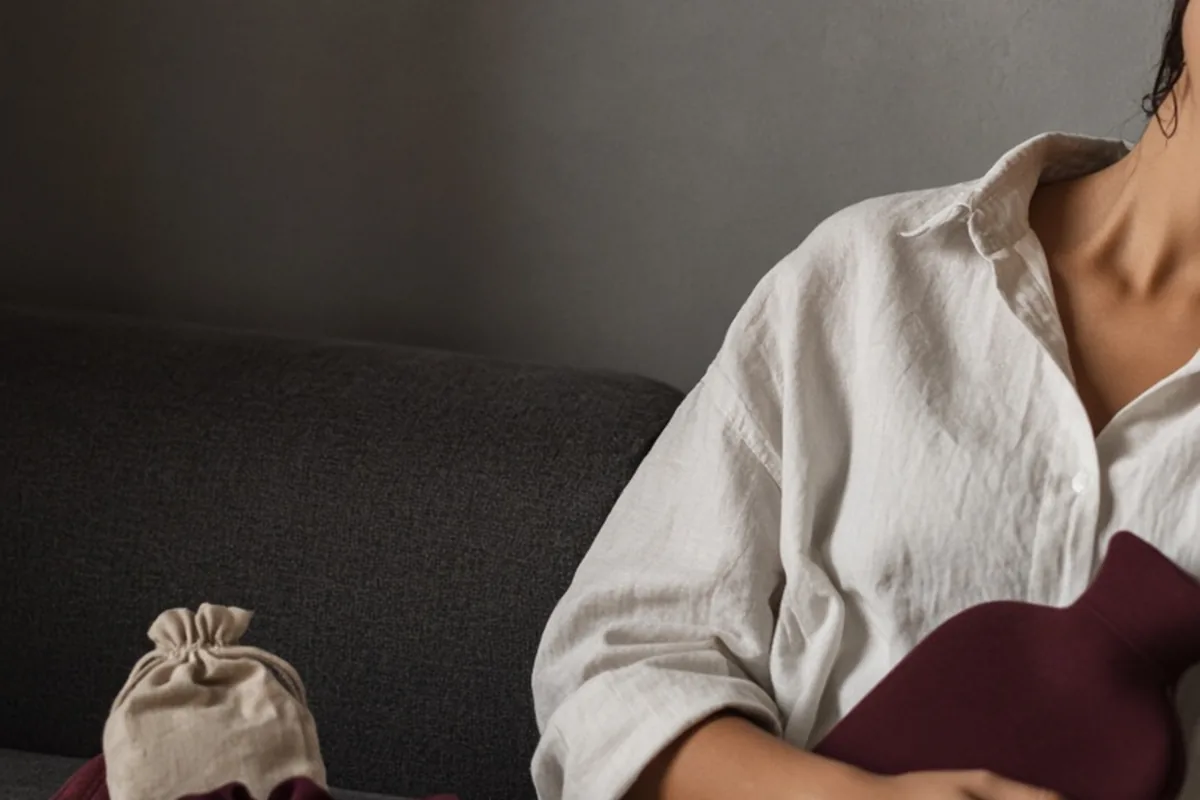
A practical guide to periods breaks menstruation down into predictable phases, manageable hygiene choices, and straightforward self-care. Menstruation occurs roughly once a month when the uterine lining sheds if pregnancy has not occurred. Managing it effectively involves choosing comfortable products like pads, tampons, or cups, tracking cycle length, relieving cramps with heat or gentle movement, and communicating openly with partners or healthcare providers whenever pain disrupts daily routines.
Whether someone is experiencing their first period, adjusting to routine changes, or seeking to understand what a partner navigates each month, menstruation comes down to predictable physical cues and practical preparation. Stripping away confusion and outdated taboos makes monthly cycle management straightforward, comfortable, and completely manageable.
Demystifying the Menstrual Cycle and Monthly Hormonal Shifts
A menstrual cycle is measured from the first day of one bleed to the first day of the next, typically lasting between twenty-one and thirty-five days. Across this window, the body moves through distinct phases driven by fluctuating estrogen and progesterone levels. During the follicular phase leading up to ovulation, estrogen rises, often bringing increased physical energy and mental focus. Once ovulation occurs, the body enters the luteal phase, during which progesterone rises to prepare the uterine lining for a potential pregnancy. If fertilization does not occur, hormone levels drop, triggering the lining to shed as menstrual fluid, which consists of blood, tissue, and natural secretions.
Recognizing these underlying physiological transitions explains why physical stamina, skin condition, and appetite naturally shift throughout the month. Instead of viewing changes in energy or emotional sensitivity as unpredictable flaws, understanding cycle phases provides clear context. For example, recognizing that metabolic rest needs often increase right before bleeding begins allows individuals to schedule demanding physical tasks or rest days thoughtfully, turning biological knowledge into practical day-to-day balance.
Choosing Period Products That Fit Daily Life and Activity
Selecting menstrual products is entirely a matter of personal comfort, anatomy, and lifestyle rather than a one-size-fits-all rule. Disposable pads provide an accessible, external option that requires no internal insertion, making them popular for beginners or overnight protection. Internal options like tampons and medical-grade silicone menstrual cups allow for swimming, intensive sports, and freedom of movement without bulky sensation. Additionally, reusable period underwear has become a reliable primary choice or a practical backup against unexpected leaks during work or travel.
Every product choice involves distinct practical trade-offs that are worth balancing against your daily demands. Tampons require frequent changing every four to eight hours to support hygiene and lower health risks, while menstrual cups can collect fluid for up to twelve hours but require comfort with insertion and access to clean water for rinsing. Beginners often benefit from experimenting with different sizes and flow ratings at home on a low-stakes weekend. Finding the right fit frequently involves combining methods, such as wearing period underwear alongside a tampon during heavy days to eliminate anxiety.
Practical Strategies for Soothing Cramps and Physical Fatigue
Menstrual cramps, known medically as primary dysmenorrhea, happen when the uterus contracts to shed its lining, stimulated by hormone-like compounds called prostaglandins. While mild to moderate lower-abdominal aching, lower-back tension, and fatigue are common, they do not have to derail daily plans. Applying localized heat with an electric heating pad, warm compress, or hot bath helps relax contracted pelvic muscles and encourages healthy blood circulation. Engaging in gentle movement, such as walking or restorative stretching, often releases natural endorphins that ease tension without straining the body.
Supporting physical comfort also requires smart nutritional and hydration choices during the days surrounding flow onset. Dehydration can worsen cramping and headaches, so maintaining regular water intake is essential. Moderating excessive sodium and caffeine can reduce painful bloating and breast tenderness, while prioritizing magnesium-rich foods like leafy greens, nuts, and seeds supports neuromuscular relaxation. When these basic comfort measures are insufficient, standard over-the-counter anti-inflammatory medications taken according to package instructions can preemptively blunt prostaglandin production when started right as bleeding begins.
Tracking Your Menstrual Cycle to Remove Guesswork
Keeping a consistent record of cycle start dates, flow intensity, and recurrent physical sensations transforms cycle management from an anxious guessing game into an organized routine. Tracking allows you to identify your individual baseline, predict future start dates within a few days, and pack necessary supplies in advance. Digital smartphone apps provide convenient notification reminders, while a standard physical planner or pocket notebook offers private, tech-free documentation that avoids data privacy concerns.
Beyond predicting when bleeding starts, logging patterns highlights recurring physical signals such as mid-cycle ovulation twinges, shifts in cervical fluid, or sleep disruptions during the luteal phase. Knowing that low energy or mild irritability frequently appears two days before flow starts allows you to avoid overcommitting your schedule. However, it is essential to remember that even well-tracked cycles can naturally vary by a few days due to travel, illness, or acute stress, meaning flexibility remains necessary even with thorough record-keeping.
Clear Communication and Mutual Support in Relationships
Open communication about menstruation builds mutual trust and eliminates awkwardness in dating, cohabitation, and family life. When partners understand the basics of cycle management, practical support replaces guesswork or unhelpful assumptions. Expressing needs clearly—such as stating that you are experiencing severe cramping and need quiet rest, or asking a partner to pick up specific hygiene products—allows loved ones to provide concrete help without walking on eggshells.
For partners seeking to support someone during their cycle, the most constructive approach is dependable, drama-free reliability. Offering practical assistance like preparing a meal, keeping hot water bottles accessible, or picking up preferred snacks demonstrates empathy without being patronizing. Crucially, relationship disagreements should never be dismissed by attributing someone's valid perspective to hormonal mood swings; mutual emotional respect and accountability must remain intact regardless of what day of the cycle it is.
Recognizing Warning Signs and Consulting Healthcare Professionals
While common period discomfort is manageable at home, intense suffering should never be normalized as an unavoidable part of life. Conditions like endometriosis, adenomyosis, uterine fibroids, and polycystic ovary syndrome (PCOS) frequently manifest as severe menstrual distress that requires professional diagnosis. Warning signs that warrant a clinical evaluation include pain that prevents attending work or school despite pain medication, bleeding through a pad or tampon every hour for several consecutive hours, passing clots larger than a quarter, or bleeding lasting longer than seven days.
When scheduling a consultation with an OB-GYN or primary care provider, bringing three to six months of logged cycle data can dramatically improve the clarity of the appointment. Detailing specific symptoms, pain scales, flow changes, and home remedies you have attempted helps clinicians identify patterns and suggest tailored interventions. If a provider minimizes severe pain or suggests simply enduring debilitating cycles, seeking a second opinion from an experienced specialist is a valid and necessary step toward proper care.
Illustrative Scenarios
Navigating Discomfort and Schedule Changes on a Weekend Getaway
Maya and her partner had planned a weekend hiking trip, but Maya woke up on Saturday morning with sudden heavy cramps and fatigue as her period arrived unexpectedly early. Initially, she felt pressured to hide her discomfort and push through the planned hike out of fear of being seen as fragile or ruining their itinerary. Recognizing that ignoring her physical distress would lead to frustration and exhaustion, she chose direct honesty, explaining that she needed a quiet morning with a heating pad and suggested swapping the strenuous hike for a relaxed afternoon drive. Her partner appreciated the clear guidance, picked up pain relief supplies, and adjusted the schedule without tension.
Key point: Communicating physical needs directly and early prevents unspoken resentment and allows both partners to adapt shared plans comfortably.
Finding Practical Routine with Alternative Period Products
Jordan wanted to switch completely to a reusable menstrual cup to reduce monthly bathroom waste and ongoing product expenses. During her first two cycles with the cup, she experienced unexpected leaks during busy workdays and felt frustrated that the transition was not immediate or effortless. Instead of abandoning the switch or enduring stressful accidents, Jordan reassessed her approach. She used light backup period underwear while practicing proper insertion techniques at home and discovered that her anatomy required a different cup firmness. By removing the all-or-nothing pressure, she developed a dependable routine that fit her active daily schedule.
Key point: Adopting new menstrual care products involves an initial learning curve; combining options and testing them in low-stress environments yields sustainable comfort.
Frequently asked questions
How long does a typical period last, and is mild irregularity normal?
A standard period bleed typically lasts between three and seven days within an overall cycle length of twenty-one to thirty-five days. Mild shifts of two to four days happen occasionally due to acute stress, changes in sleep, travel, or dietary adjustments. If cycles routinely vary by more than a week or stop entirely for months, an evaluation with a healthcare provider is recommended.
What is the most dependable way to prevent leaks during sleep?
Layering protection provides the highest level of security overnight, such as combining a high-absorbency pad or menstrual cup with leak-resistant period underwear. Changing into fresh supplies right before lying down and selecting sleep positions that avoid compressing the abdomen helps keep fluid centered. Testing different overnight product lengths at home helps pinpoint the best personal fit.
How can a romantic partner provide genuine support without overstepping?
Partners can offer helpful support by asking open-ended questions about what practical items or physical comforts would make the day easier. Handling household tasks, stocking preferred supplies, and respecting requests for quiet rest demonstrate tangible care. It is essential never to dismiss emotional concerns or disagreements as mere hormonal mood swings.
Are severe menstrual cramps just something people have to tolerate?
Mild to moderate cramping is common, but pain that disrupts normal daily routines, work, or education is not something anyone should simply endure. While heat, hydration, and over-the-counter pain relievers manage baseline aches, persistent debilitating pain should be discussed with a doctor to evaluate for underlying conditions like endometriosis.
Your next step
Start by recording the first day of your next cycle in a calendar or personal tracking app, noting flow changes and physical symptoms to establish a predictable, stress-free baseline.