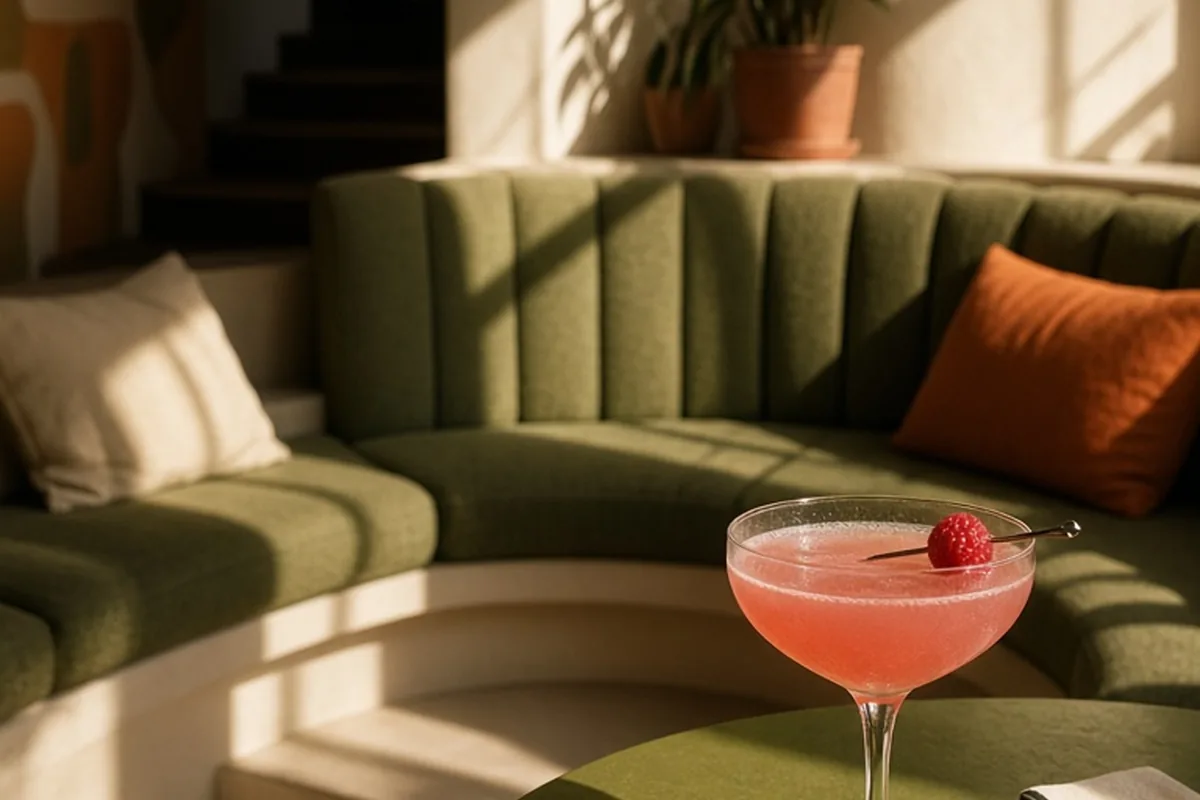
Girly drinks are sweet, fruity, or colorful cocktails like cosmos, margaritas, mojitos, and piña coladas. The label is social shorthand, not a rule about who can order them. The best move is simple: pick the drink that matches your taste, sweetness tolerance, and the occasion, and order it without apology.
If you have ever hesitated before ordering something pink, frozen, or served in a fancy glass, this guide is for you. Below you will find what the term really means, which drinks earn the label, and how to choose something you will actually enjoy.
What Girly Drink Actually Means
There is no official definition, but in practice the phrase points to cocktails that are sweet, fruit-forward, brightly colored, or served in stemware with a garnish. Think cosmopolitans, strawberry daiquiris, piña coladas, and anything with a sugared rim. The common thread is flavor profile and presentation, not alcohol content. A Long Island iced tea can be sweeter than a whiskey sour, yet only one of them gets the label, which tells you the term is about perception more than recipe.
It is also worth knowing that the label cuts both ways. Some people use it as a compliment, meaning fun and approachable. Others use it as a jab, implying a drink is not serious or that the person ordering it is unsophisticated. Neither reading says much about the liquid in the glass. A well-made daiquiri is a classic cocktail with real technique behind it, and plenty of bartenders will tell you the sweetest drinks on the menu are often the hardest to balance correctly.
The Classics That Usually Get the Label
If you are scanning a menu or building a home bar, it helps to know which drinks typically get called girly and what they actually taste like. Most fall into a few flavor families: citrusy and tart, creamy and tropical, or bubbly and light. Knowing the family helps you predict whether you will like a drink before you commit to it.
Here are the usual suspects, grouped by what they deliver. None of these are weak by default. A cosmopolitan made properly has a real vodka backbone, and a margarita is mostly tequila. Sweetness and strength are separate dials, and a good bartender can adjust either one if you ask.
- Cosmopolitan: vodka, cranberry, lime, and orange liqueur. Tart, pink, and lighter than it looks.
- Margarita: tequila, lime, and orange liqueur, frozen or on the rocks. Sweet-tart with a salted rim option.
- Piña colada: rum, coconut cream, and pineapple. Creamy, tropical, and dessert-like.
- Mojito: rum, mint, lime, sugar, and soda. Fresh and only mildly sweet.
- Strawberry daiquiri: rum, lime, and strawberries, usually blended. Fruity and cold.
- Mimosa and bellini: sparkling wine with orange juice or peach purée. Light, brunch-friendly, low in alcohol.
- Appletini and lemon drop: vodka-based, candy-sweet, and unapologetically neon.
- Sex on the Beach and Mai Tai: fruit-juice-forward rum or vodka drinks that taste like vacation.
Why the Label Exists and Why You Can Ignore It
The girly drink label is mostly a marketing artifact. For decades, advertisers sold dark spirits and beer to men and sweet, colorful cocktails to women, and the culture absorbed the split. Bars reinforced it with glassware, garnish, and menu language. None of that has anything to do with what tastes good to you. Palates vary person to person, and plenty of people who love a neat bourbon also love a frozen margarita in July.
The practical cost of taking the label seriously is that you end up ordering for an audience instead of yourself. Someone orders a drink they do not like to look a certain way, nurses it unhappily, and spends the evening performing rather than relaxing. The better frame is that a drink order is a preference, like ordering spicy food or skipping dessert. It communicates taste, not character. Once you treat it that way, the social pressure mostly evaporates, because confidence reads better than conformity in almost every room.
How to Order What You Actually Want
The simplest skill here is ordering without hedging. Say the drink name clearly, skip the apology or the joke about it, and move on. Most awkwardness around girly drinks is self-generated. The bartender has heard every order imaginable, and the people at your table are thinking about their own drinks. If someone does comment, a flat, friendly response like yeah, they are good closes the topic faster than defending yourself.
If you are genuinely unsure what you like, use the bartender as a resource instead of guessing. Tell them two things: a flavor you enjoy and a flavor you want to avoid. For example, something citrusy but not too sweet, or something tropical but not creamy. That gives them enough to work with and usually produces a better drink than pointing randomly at the menu. The trade-off is that custom requests take a little longer at a busy bar, so keep it simple on a packed Friday night and save the consultation for a quieter evening.
Reading a Menu When You Do Not Like Sweet
Liking the idea of a fun cocktail but hating sugar is a common position, and the menu has more range than the girly-or-not framing suggests. Drinks built on citrus, herbs, or bitterness give you flavor and color without the syrup. A mojito, a paloma, a French 75, or a gin and tonic with fresh lime all look festive and taste dry or tart rather than candy-like. You can also ask for most cocktails with less simple syrup or no added sugar, which is a normal request bartenders handle constantly.
The other lever is the base spirit. Vodka drinks tend to taste like whatever they are mixed with, so they run sweet by default. Gin, tequila, and whiskey bring their own flavor, which means the drink can be interesting without leaning on juice and sugar. If you want a concrete starting point, order a drink you already know you like and ask for one variation, such as a margarita with less agave or a mule with extra lime. Small adjustments teach you your preferences faster than jumping to a totally different cocktail.
Sweet Drinks, Real Trade-Offs
Sweet cocktails come with two practical catches worth knowing. First, sugar masks alcohol, so a drink that tastes like juice can still be strong, and it is easy to drink them faster than you intend. Pacing matters more with palatable drinks than with ones that announce their strength. A simple habit like alternating with water keeps the evening comfortable without any fuss.
Second, they cost more and take longer. A blended piña colada at a busy bar means waiting while the blender runs, and craft cocktails with fresh ingredients often sit at the top of the price list. Neither is a reason to avoid them, but it is worth matching the drink to the setting. A frozen daiquiri makes sense at a beach bar or a summer party. At a crowded dive with one bartender, a simpler order keeps the night moving and usually costs less. Choosing well is partly about the drink and partly about reading the room.
Ordering for a Group or a Date
Group settings are where the girly drink question gets social. If you are hosting or ordering a round, the safest approach is variety: one sweet option, one tart or dry option, and one light option like a spritz or a mimosa. That covers most palates without requiring you to guess anyone's exact taste. Sharing a pitcher of margaritas or sangria also sidesteps the individual-order pressure entirely, which is why those formats stay popular at parties.
On a date, the drink order matters less than people think, but the attitude around it matters more. Ordering what you genuinely want reads as comfortable and self-assured. Making a show of ordering something impressive, or commenting on what your date orders, does the opposite. If your date orders something colorful, the winning move is no commentary at all, or a genuine question about whether it is good. Curiosity is charming. Judgment is not, and it tends to be remembered longer than the drink itself.
Illustrative Scenarios
The Happy Hour Hesitation
Marcus is at a work happy hour and wants the passionfruit margarita on the specials board, but everyone else at the table ordered beer or whiskey. He almost orders a beer he does not want, then catches himself and just says the margarita, no joke attached. A coworker raises an eyebrow, Marcus shrugs and says they are great here, and the conversation moves on in about four seconds. Two other people at the table end up asking to try a sip.
Key point: Most of the pressure around a drink order is imagined. Ordering directly, without apology or a defensive joke, makes the choice look like exactly what it is: a preference.
The Bachelorette Sweetness Problem
Priya is at a friend's bachelorette weekend where the plan is a round of frozen drinks at every stop. She finds sweet cocktails cloying and dreads pretending to enjoy them all weekend. Instead of opting out or complaining, she asks the bartender at the first stop for something festive but dry, and ends up with a paloma that matches the vibe without the sugar. Her friends barely notice, and she repeats the move all weekend.
Key point: You can match the energy of a group without matching the exact drink. Asking for festive but not sweet gives bartenders an easy brief and keeps you included.
Frequently asked questions
What is the most popular girly drink?
The margarita and the cosmopolitan are probably the most recognized, with the piña colada close behind at resorts and summer spots. Popularity shifts by setting, though. Brunch crowds lean toward mimosas, and tropical bars sell more daiquiris and coladas.
Are girly drinks weaker than other cocktails?
Not necessarily. Sweetness hides alcohol well, so drinks like Long Island iced teas and mai tais can be quite strong despite tasting like juice. If you want something lighter, ask the bartender which options are lower in alcohol rather than guessing from the flavor.
Is it weird for a guy to order a girly drink?
No. The label is a leftover from old marketing, not a rule anyone enforces. Ordering what you enjoy without commentary reads as confident, and most people will not think about your drink for more than a moment.
What should I order if I want something fun but not sweet?
Try a paloma, a mojito, a French 75, or a gin and tonic with fresh lime. You can also ask for any cocktail with less syrup or no added sugar, which is a routine request.
Your next step
Next time you are at a bar, pick one drink from this list that matches a flavor you already like, order it plainly, and note what you would change. That one experiment teaches you more about your taste than any label ever will.