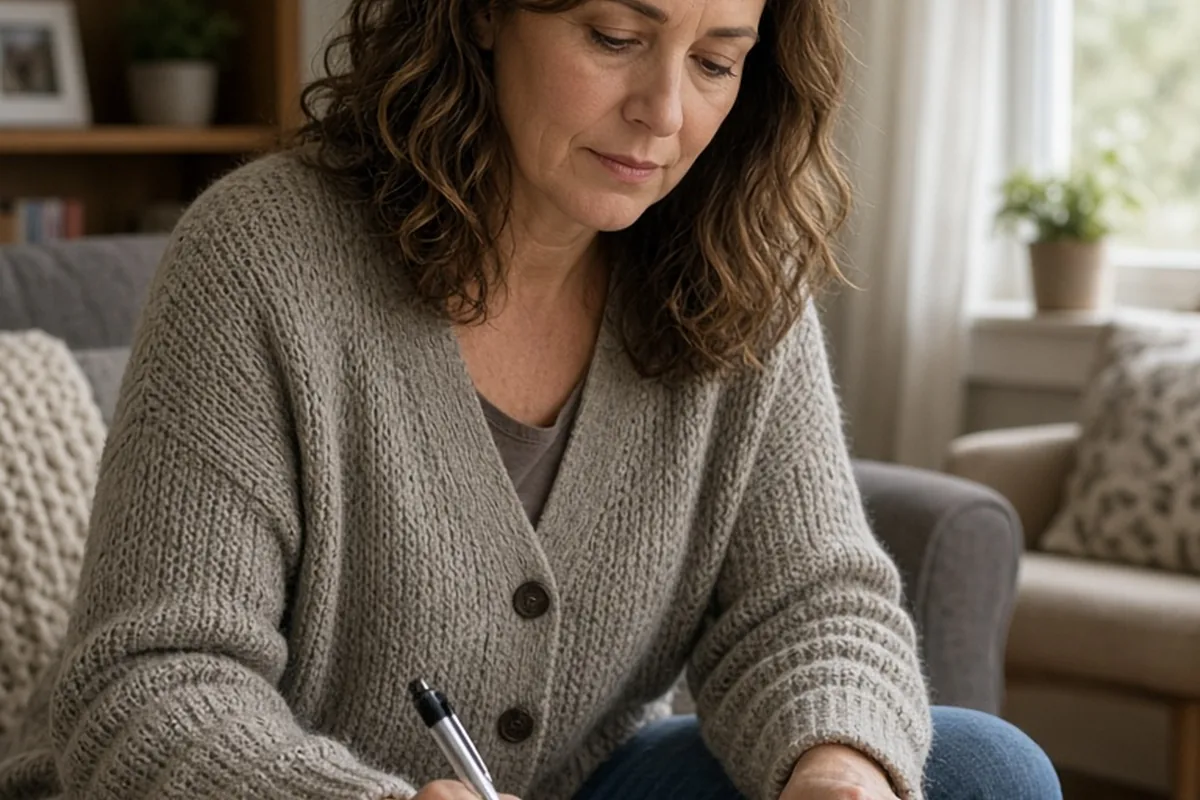
When offering sympathy for the loss of a husband, choose words that acknowledge the depth of her grief, honor his character if you knew him, and avoid minimizing clichés. A comforting message can be simple and heartfelt: 'I am deeply sorry for the loss of your husband. He brought so much warmth, generosity, and laughter to those around him. I am keeping you in my thoughts and am here to support you in any way you need.'
Writing to someone who has lost her husband can feel daunting because no single phrase can repair such a profound disruption to everyday life. The goal of a sympathy note, message, or conversation is never to resolve her sorrow or explain away the loss, but to provide steady companionship, validate her pain, and ensure she feels supported as she navigates life without her partner.
Choosing the Right Tone Based on Your Relationship to the Surviving Spouse
The most supportive condolence messages reflect the genuine nature of your bond with the widow. If you are a close friend or family member, an emotional, deeply personal message that recalls shared experiences and expresses unconditional availability is appropriate. In these situations, you can speak openly about the bond they shared and acknowledge the intimate daily void left behind. A close friend might write: 'My heart aches with you. Your marriage was an inspiration, and your husband's kindness touched everyone around him. I love you, and I am standing beside you through every step ahead.'
When writing as a colleague, neighbor, or casual acquaintance, a concise, dignified, and warm tone works best. You do not need to assume an intimacy you do not have; sincere recognition of her loss is deeply appreciated on its own. For a coworker or professional contact, an effective note might read: 'Please accept my sincere condolences on the loss of your husband. Our team is thinking of you and your family during this difficult time, and we are holding your workload so you can focus entirely on your loved ones.'
If you knew the husband but do not know the wife well, your note serves as a bridge of gratitude and honor. Express your respect for his character and how much he valued her. You might say: 'I had the privilege of working with your husband for many years. He spoke of you and your family with immense pride and affection. He will be deeply missed by all of us, and I am holding you in my thoughts.'
Comforting Sympathy Card Messages for Different Circumstances
A sudden, unexpected death often leaves the surviving spouse in a state of shock and disorientation. In these moments, avoid seeking explanations and focus entirely on grounding support and presence. A fitting message for sudden loss could be: 'There are no words to ease the sudden shock of losing your husband. Please know that you are wrapped in love and that you do not have to navigate these heavy days alone. I am here for whatever you need, whenever you need it.'
When a husband passes away after a long illness, relief that suffering has ended often mingles with acute exhaustion and deep sadness. It is vital not to dismiss the sorrow by framing death as a relief for the living spouse. Instead, honor both his life and her devoted care: 'I am holding you close in my heart as you grieve your beloved husband. The devotion, gentleness, and strength you shared throughout his illness was a testament to your deep love. Wishing you gentle moments of rest and peace as you remember him.'
For non-religious or secular condolences, focus on enduring love, memory, and personal presence rather than spiritual outcomes or divine plans. Phrases such as 'May his memory be a steady comfort to you' or 'His legacy lives on in the kindness he brought into the world and the love he gave to his family' provide deep comfort without imposing unwanted religious interpretations.
Sharing Meaningful Memories of Her Late Husband Without Intruding
One of the greatest fears grieving spouses often carry is that their partner will be forgotten by the wider community. Sharing a specific, positive recollection of her husband can bring immense comfort, reassuring her that his impact remains vibrant in the minds of others. A good memory does not need to be heroic or grand; brief glimpses of his humor, patience, quiet integrity, or daily generosity are often the most touching.
When including a memory, keep the focus on his character and how he made people feel. For example: 'I will always remember how your husband took extra time to welcome new neighbors on our street and make everyone feel valued,' or 'I will never forget his dry sense of humor during our community volunteer days; he kept everyone smiling even during the longest afternoons.'
Be mindful of tone and timing when recounting memories. Avoid stories that involve risky behavior, past conflicts, or moments that might cause awkwardness or discomfort for the surviving family. If you are unsure whether a detailed story is appropriate for a written card, mention the memory briefly and let the widow know you would love to share more whenever she feels up to talking about him.
Phrases to Avoid When Comforting a Grieving Widow
Well-meaning condolences can inadvertently cause distress when they attempt to diminish the severity of grief or rush the healing process. Cliches such as 'He is in a better place,' 'At least you had forty wonderful years together,' or 'Everything happens for a reason' tend to minimize the reality of acute loss. Even if intended to comfort, these statements can make the bereaved spouse feel pressured to hide her pain or feel guilty for mourning.
Another common misstep is comparing her grief to personal experiences by saying, 'I know exactly how you feel.' Every marriage is unique, and grief carries distinct emotional, practical, and personal layers for every individual. Even if you have experienced the loss of a spouse, acknowledging the distinct nature of her experience is more respectful: 'I know how deeply you loved him, and while I cannot know exactly what this day feels like for you, I am here to listen whenever you want to talk.'
Avoid offering unsolicited advice on how she should manage her home, schedule, or feelings in the days following the funeral. Suggestions like 'You need to stay strong for the children' or 'You will eventually find happiness again' create burdens rather than relief. Let her feel whatever emotions arise without demanding resilience, positivity, or immediate recovery.
Offering Practical, Low-Pressure Help Alongside Your Condolences
The standard phrase 'Let me know if you need anything' places the burden of decision-making, planning, and outreach squarely onto someone who is already emotionally exhausted. In the immediate wake of losing a husband, routine logistics such as meal preparation, home maintenance, childcare, and pet care can feel overwhelming, yet few people will actively call an acquaintance to ask for a favor.
To make an offer truly useful, propose concrete, small, and low-pressure tasks that require only a simple confirmation. For instance, write: 'I am making a lasagna on Thursday and would love to drop off dinner on your porch around 5:00 PM. No need to come to the door or visit unless you feel up to it; I will just leave it ready to heat.' This format removes social obligations and meets an immediate practical need.
Other concrete offers include running specific errands, handling yard maintenance, coordinating rides for children's activities, or assisting with administrative tasks. Always present your offer with an easy exit option so she does not feel pressured to accept help if she prefers privacy: 'I am planning to mow lawns on our block this Saturday and would be glad to do your yard as well. If that helps, just give me a quick thumbs-up text; if you prefer quiet this weekend, please do not worry about replying at all.'
Following Up in the Weeks and Months After the Funeral
Sympathy cards, flowers, and supportive messages arrive in abundance during the first week or two after a death, but this support often drops off sharply just as the shock begins to wear off. The weeks and months that follow can be the loneliest period for a surviving spouse, as legal tasks, paperwork, and daily silence become unavoidable realities.
A brief check-in message sent thirty, sixty, or ninety days later can provide extraordinary comfort. You do not need an elaborate occasion to reach out. A thoughtful note might read: 'Thinking of you today as you continue to navigate this journey. Your husband is fondly remembered, and you are in my thoughts often. No need to respond to this note; just sending warmth your way.'
Marking calendar milestones—such as his birthday, their wedding anniversary, the winter holidays, or the one-year anniversary of his passing—demonstrates enduring care. A short card on those sensitive dates acknowledging that the day may feel especially heavy lets her know she does not have to carry the memory of her husband in isolation.
Illustrative Scenarios
Finding the Right Words as a Long-Distance Friend
Elena learned that her college friend Maya had lost her husband after a sudden medical event. Living across the country, Elena initially drafted an elaborate letter attempting to explain why such tragedies happen and offering to fly out immediately. Sensing that her draft was overly emotional and might pressure Maya to host or respond, Elena paused. She rewrote the note: acknowledging Maya's deep bond with her husband, recounting a warm memory of his laughter at their reunion, sending a grocery delivery credit, and explicitly stating no reply was necessary. Maya later shared that the message was a tremendous comfort because it required zero emotional management during a week when she was overwhelmed.
Key point: Supportive condolences prioritize the recipient's comfort over the sender's desire to fix the situation, blending personal warmth with clear, low-pressure support.
Supporting a Colleague Returning After a Loss
David was unsure what to say when his team member Sarah returned to work three weeks after the death of her husband. Fearing he might say the wrong thing or make her cry in the office, David almost decided to act as if nothing had changed. Recognizing that total silence can feel like erasure, he sent a quiet, private message on her first morning back: 'Sarah, I am so sorry for the loss of your husband. We are glad to have you back, but please take things at your own pace today. I am happy to handle any meetings or assignments you would rather hand off.' Sarah thanked him privately for acknowledging her reality without forcing a public conversation.
Key point: Quiet, direct acknowledgment paired with practical workplace flexibility is far more supportive than nervous silence or forced normalcy.
Frequently asked questions
What should I write in a sympathy card if I never met her husband?
Focus your message on your care for her and the strength of their relationship. You might say: 'While I did not have the privilege of knowing your husband personally, I know how much love, happiness, and devotion you brought to each other. I am holding you in my thoughts and am here to support you through this difficult loss.'
Is it acceptable to send a sympathy text message instead of a card?
A text message is completely appropriate for an immediate expression of love and condolences, especially for close friends or family members. However, following up with a handwritten card or note provides a tangible keepsake that the surviving spouse can read privately in the weeks ahead when she feels ready.
Should I mention the husband's name directly in the condolence message?
Yes, using his name is almost always appreciated by a grieving spouse. Hearing and reading her late husband's name affirms that his individual presence and identity are recognized, remembered, and honored by those around her, rather than reduced to an abstract loss.
How can I offer ongoing support without making the widow feel smothered?
Keep your follow-up check-ins brief, thoughtful, and explicitly free of reply obligations. Use phrases like 'No need to write back, just thinking of you today' or offer specific, unforced favors that she can accept or decline with a simple word, allowing her to retain full control over her time and emotional energy.
Your next step
Choose one handwritten card or direct message template above, personalize it with your genuine thoughts or a brief memory, and send it today without requiring any response.