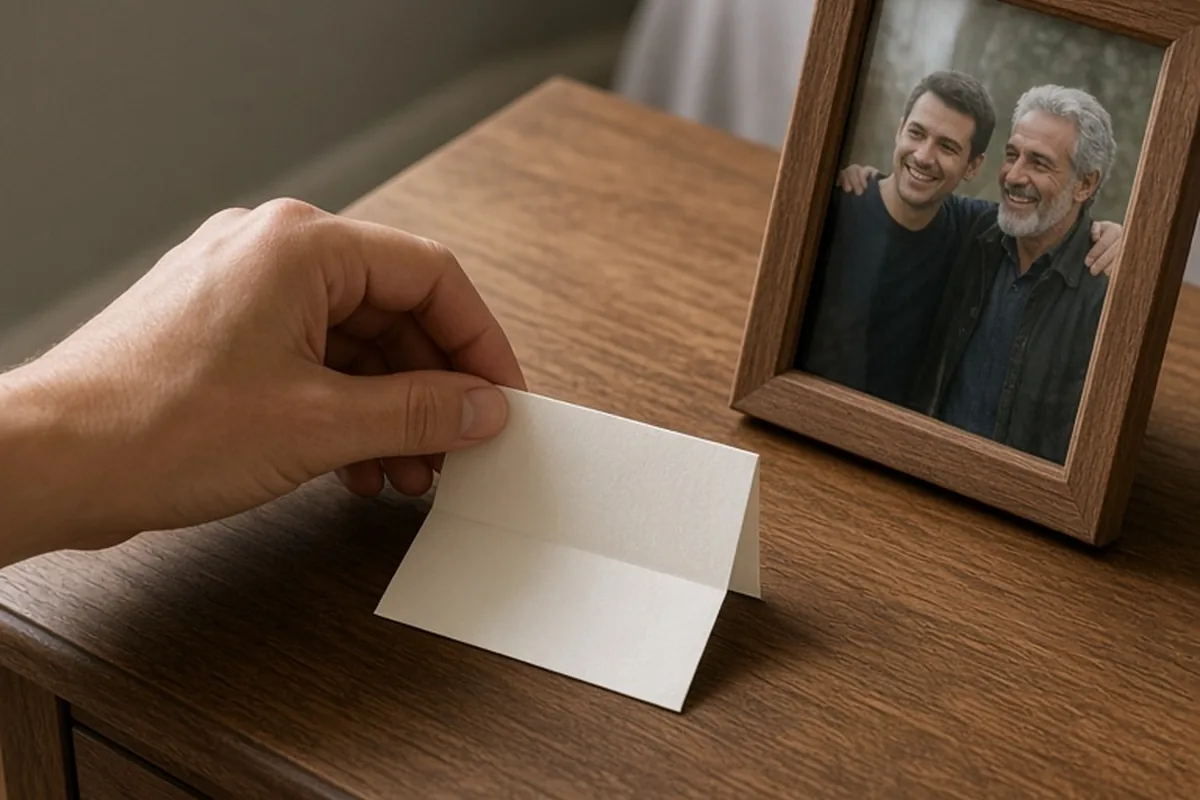
A heartwarming welcome to the family message acknowledges a newcomer's unique place in your life with warmth, sincerity, and respect for their personal comfort. The most meaningful lines avoid forced intimacy and focus on genuine appreciation, expressing joy that they have joined your circle while assuring them of steady acceptance, patient support, and room to remain entirely themselves as your relationship develops over time.
Welcoming a new person into an established family is an important milestone, whether through marriage, adoption, remarriage, or long-term partnership. The right words set an inviting tone, ease normal newcomer anxiety, and affirm that your home is a safe, supportive space for who they already are.
Heartwarming Welcome to the Family Quotes for New In-Laws
Welcoming a son-in-law or daughter-in-law marks a transition from separate households into an extended support network. When writing to a new in-law, the most comforting messages celebrate the happiness they bring to your relative while explicitly acknowledging them as an individual you value in their own right. New in-laws frequently worry about being judged by old family traditions or feeling like an outsider during private gatherings. A thoughtful note reassures them that they do not need to perform or earn their seat at the dinner table.
To strike the right tone, focus on gratitude, companionship, and shared futures rather than expectations or demands for instant closeness. A good message validates their presence without placing the weight of family legacy on their shoulders.
- You have brought so much laughter and steady joy into our lives. We are proud and deeply grateful to officially call you family.
- From the first day we met you, your kindness stood out. Having you as part of our family is an absolute gift, and our home is always yours.
- Watching the love and teamwork between you two has been wonderful. We could not have hoped for a better partner for our family, and we welcome you with open arms.
- Family is built on shared care and mutual respect. Thank you for being exactly who you are and for completing our circle in your own wonderful way.
- You are not just joining our family; you are helping make it brighter, kinder, and fuller. Welcome home.
Thoughtful Lines for Stepchildren and Blended Family Additions
Bringing stepchildren into a blended family requires a delicate balance of emotional safety and patient reassurance. Children, teenagers, and adult stepchildren often experience complex emotions during a remarriage, including loyalty binds toward other biological parents or fear of being crowded out. A welcoming message should never sound like an attempt to replace an existing parent or enforce mandatory affection. Instead, it should offer unconditional care, steady respect for their personal boundaries, and an open door that never closes.
When drafting these words, emphasize presence over authority. Let the message reassure them that their comfort level dictates the pace of your bond, and that their feelings and history will always be honored.
- Our home is richer and happier with you in it. You never have to be anyone other than yourself here, and I am grateful for every day we share.
- There is no timeline and no pressure on how we grow together. Just know that you are deeply wanted, respected, and supported every step of the way.
- Joining our lives together is an honor I do not take lightly. Thank you for sharing your world with me; my door, listening ear, and care are always yours.
- You hold an irreplaceable place in this household. We are so lucky to have you in our corner, and we are committed to always having your back.
- Being in your life is a privilege. I promise to support your dreams, respect your space, and offer a steady hand whenever you want one.
Sincere Greetings for Adoption, Foster Welcomes, and Chosen Kin
Welcoming someone through adoption, long-term foster care, or chosen family bonds is a celebration of deliberate belonging. In these situations, avoid language that frames the newcomer as an object of charity or implies they ought to feel lucky to have found a home. Healthy welcoming messages center entirely on the gratitude of the family for having them present, honoring their background while making an enduring pledge of commitment.
Whether written in a keepsake book, etched on an arrival frame, or spoken aloud during a family meal, these sentiments prioritize stability, permanence, and enduring warmth.
- Our family was waiting for you long before we met you. Thank you for making our home complete with your bright spirit.
- You belong here, wholly and permanently. We are endlessly thankful for the journey that brought us together and excited for every memory ahead.
- Love is what builds a true home, and having you in ours is the greatest joy we could have asked for. You are cherished beyond measure.
- No matter where life takes you, this family is your anchor. We celebrate who you are today and every milestone you will ever reach.
- Chosen, loved, and celebrated: you are the heart of this family, and we are so proud to walk beside you.
Casual, Low-Pressure Notes for a Partner Meeting the Relatives
Meeting a partner's family for the first time during a weekend visit or a major holiday can feel intimidating. When an unmarried partner arrives, coming on too strong with grand declarations of lifelong inclusion can inadvertently create performance anxiety. On the other hand, polite distance can feel chilly. The ideal sentiment is relaxed, hospitable, and clearly communicates that their presence is an absolute pleasure.
A simple handwritten card left in the guest room, a warm note tucked alongside a small welcome basket, or a warm text message after their visit demonstrates that your family values their company without putting unnecessary pressure on the relationship's future.
- We have heard so many wonderful things about you, and we are so glad you could join us this weekend. Make yourself completely at home.
- Thank you for traveling to spend time with our crew. Having you around the table made our gathering so much more fun.
- It was wonderful finally meeting you in person. We love seeing how happy you make our family, and you are welcome here anytime.
- No formality needed around here—grab whatever snacks you want, put your feet up, and consider yourself among friends.
- Thank you for sharing your holiday with us. Your laughter fit right in, and we look forward to seeing you again soon.
Short and Simple Sentiments for Cards, Guestbooks, and Group Chats
Sometimes space is limited, such as on a wedding gift tag, a signed photo mat, or the first message welcoming someone into a shared family messaging group. In concise formats, every word carries weight. The focus should be on clean sincerity rather than flowery adjectives that can feel performative.
Short messages can be warm, enthusiastic, or reassuringly grounded. Selecting the right tone depends on whether the recipient appreciates understated sentiment or expressive excitement.
- So thrilled to welcome you to the family! We are lucky to have you.
- Our family circle just grew a whole lot warmer. Welcome home!
- Official or not, you have been family in our hearts for a long time. So glad you are here.
- Wishing you a lifetime of joy with us. We love you and welcome you with open arms.
- Here is to shared meals, easy laughter, and having you as part of our team.
- The best additions to a family happen naturally. We are so glad you are one of us.
Choosing the Right Setting, Medium, and Timing for Your Words
How and when you share a welcoming message often matters just as much as the text you choose. Public toasts during rehearsal dinners or wedding receptions offer a moment of public validation, signaling to both families and communities that the newcomer has your full, public support. However, public toasts also place the recipient in the spotlight, which can feel overwhelming for introverted or private individuals.
A private handwritten letter or card provides a more intimate alternative. A card can be read alone, without the recipient feeling required to produce an immediate emotional reaction. If you plan to deliver a toast, keep public remarks focused on general affection, gratitude, and hospitality. Save personal reassurances, family memories, or deeper emotional pledges for a quiet card given earlier in the day or after the major events have passed.
Navigating Tense Backgrounds or Guarded Personalities with Grace
Not every family transition begins smoothly. There may be past misunderstandings, political or cultural differences, or natural wariness from a newcomer who has experienced difficult family dynamics in the past. In these cases, overly effusive messages can feel insincere or manipulative. The healthiest strategy is grounded hospitality: an honest acknowledgment of respect and a genuine offer of peace without forcing instant intimacy.
Acknowledge the significance of the moment without rewriting history. Phrases such as 'I look forward to getting to know you better at our own pace' or 'I want to build a supportive, respectful relationship with you' show maturity. They give the other person permission to take their time while establishing that your intentions moving forward are rooted in goodwill.
Illustrative Scenarios
Welcoming an Introverted In-Law Without Public Spotlight
When her brother married his longtime partner, Carlos, Elena wanted to make him feel fully embraced. Her initial instinct was to take the microphone during the rehearsal dinner and give a loud, spirited speech declaring Carlos a permanent part of their chaotic clan. Recognizing that Carlos was naturally private and easily drained by noisy attention, Elena chose a quieter approach. She wrote a heartfelt card mentioning specific conversations they had shared about gardening and shared hobbies, leaving it in his room alongside a framed photo of the brothers. Carlos later mentioned that the personal card brought him immense relief during an otherwise overwhelming wedding weekend.
Key point: Tailoring the medium to the recipient's personality communicates deeper care than an elaborate public gesture that ignores their comfort zone.
Blended Family Integration for a Guarded Teenager
Marcus married a woman with a sixteen-year-old daughter named Zoe. Zoe was protective of her biological father and skeptical of Marcus's role in the house. Marcus initially considered writing a long letter welcoming her as his 'new daughter,' but realized that label might trigger defensive feelings. Instead, he gave her a house key attached to a simple note: 'This is your safe space, no strings attached. I am here whenever you need a ride, a listening ear, or quiet space to study. Happy to be on your team.' Zoe appreciated that Marcus respected her boundaries without withholding support, which opened the door to mutual trust.
Key point: Supportive partnership and reliable space build authentic family connections faster than claiming unearned parental titles.
Frequently asked questions
What phrases should you avoid when welcoming someone to the family?
Avoid jokes that sound like veiled warnings, such as 'You are stuck with us now' or 'No returns or exchanges.' Steer clear of comments that compare the newcomer to an ex-partner or imply that they must conform to strict family expectations to earn approval.
How do you welcome an in-law if your family is naturally reserved or quiet?
A concise, sincere handwritten note is usually the best approach for reserved families. Focus on concrete observations of gratitude, such as appreciating their thoughtfulness or enjoying their presence at dinner, which feels authentic without forcing an uncharacteristically emotional tone.
Is it appropriate to send a welcome to the family message before an official wedding?
Yes, warm welcoming notes are appropriate when a couple moves in together, gets engaged, or celebrates an anniversary. Keep the wording relaxed, expressing enjoyment of their company and happiness that they are in your lives, rather than anticipating legal formalities.
How can you write a welcome note if you haven't spent much time together yet?
Acknowledge the developing connection honestly. You can write that you appreciate how happy they make your family member and that you look forward to sharing more conversations and meals together in the seasons ahead.
Your next step
Choose one specific quality you genuinely appreciate about the newcomer, write it inside a simple greeting card, and deliver it privately before your next family gathering.