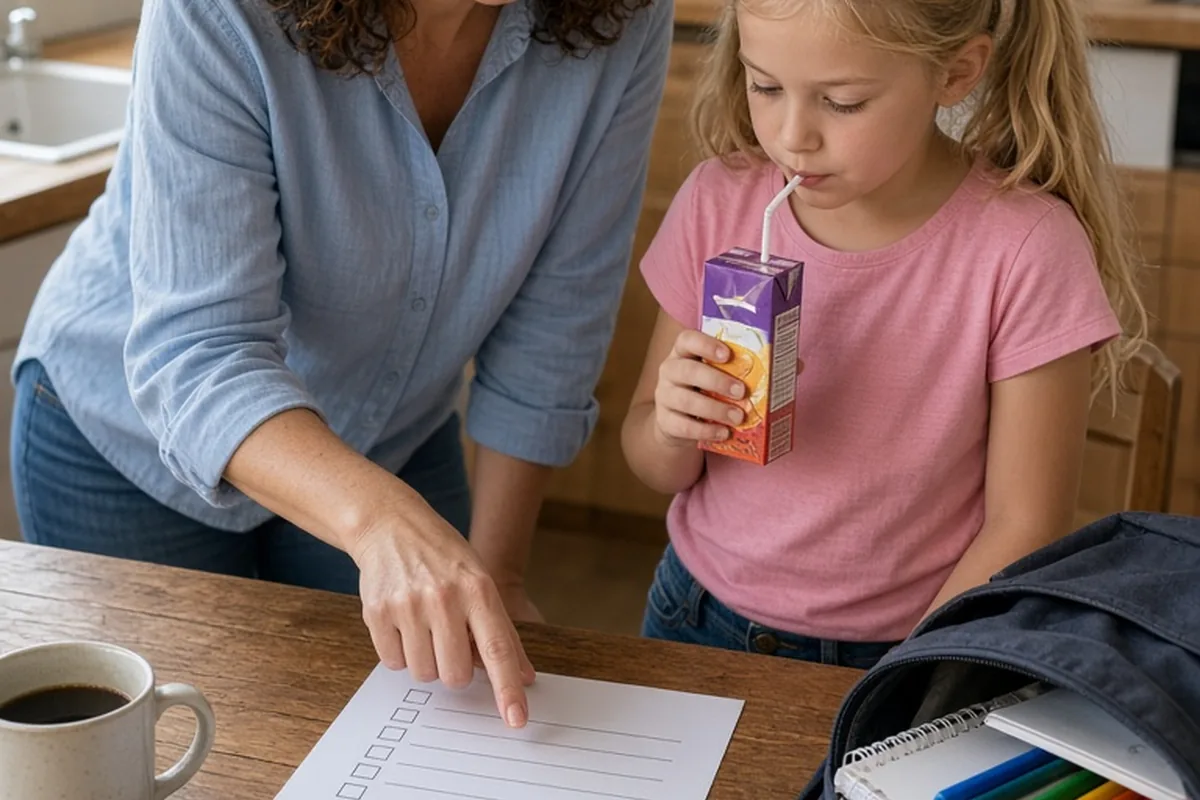
Children cope best with divorce when parents provide emotional predictability, honest age-appropriate information, and freedom from adult conflict. To support them, deliver a unified explanation without assigning blame, maintain consistent daily schedules across both households, validate their grief without asking them to manage yours, and reassure them that the separation is between the adults, not their fault, and that both parents will continue loving and raising them.
Navigating a family transition can feel overwhelming for parents who are already managing personal grief, legal logistics, and residential relocations. While changes in the home environment inevitably bring disruption, the way parents communicate and structure everyday life significantly influences how well children adapt over time.
Breaking the News Together Without Assigning Blame
The initial conversation about a divorce sets the emotional tone for the months that follow. When safety permits, having both parents sit down together conveys an immediate, non-verbal message of stability: even though the marriage is ending, the parenting partnership remains intact. Choose a quiet, unhurried time, such as a weekend morning, so children have time to absorb the news, ask questions, and rest without having to rush to school or extracurricular commitments immediately afterward.
Keep the explanation clear, straightforward, and free of adult details. A useful script sounds like: 'Mom and Dad have decided that we cannot live together happily anymore, so we are going to live in different houses. We tried very hard to work through our problems, but this is the healthiest choice for our family. What will never change is that we are both still your parents, and we both love you completely.' Avoid mentioning financial stress, infidelity, or personal resentments. Sharing adult grievances burdens a child with loyalty conflicts they lack the developmental maturity to process.
Be prepared for a wide range of immediate reactions. One sibling might cry hysterically, while another seems completely indifferent and asks if they can go play video games or eat lunch. Both responses are normal protective mechanisms. Resist the urge to press a silent child for an immediate emotional reaction or to over-explain things to a crying child to ease your own discomfort. Simply confirm that you are ready to talk whenever they have questions and that all feelings are welcome.
Recognizing How Children of Different Ages Process Divorce
A child's developmental stage shapes how they interpret parental separation and what reassurance they need most. Toddlers and preschoolers perceive the world through immediate sensory presence and concrete attachments. When a parent moves out, young children often fear complete abandonment, regressing in toilet training, experiencing sleep disruptions, or displaying intense clinginess during drop-offs. For this age group, repetitive reassurances tied to physical milestones work best, such as: 'Daddy is staying in his apartment tonight, and he will pick you up at daycare after naptime tomorrow.'
Elementary-aged children, roughly ages six to eleven, possess a wider view of social structures but frequently struggle with egocentric reasoning. They often quietly worry that their own misbehavior, poor school grades, or messy room triggered the marital breakdown. They also tend to harbor vivid reconciliation fantasies, hoping that good behavior will bring their parents back together. Parents can counter these misconceptions directly: 'Our decision has nothing to do with anything you did or said. Adult relationships change, but our job as your parents never ends.'
Adolescents and teenagers generally understand the concept of divorce, but their reactions lean toward anger, skepticism, or withdrawal into peer networks. Teens may feel embarrassed in front of their social circles or resent having their weekends disrupted by alternating custody schedules. Rather than interpreting a teenager's aloofness or resistance as callousness, give them appropriate agency over their time. Allow them some input into scheduling study sessions or social outings, while maintaining baseline family expectations and firm parental availability.
Establishing Predictable Routines Across Two Separate Households
Children feel safe when their daily environment feels predictable. Moving between two households inherently introduces friction, but parents can minimize chaos by aligning basic rhythms across both locations. While homes do not need to be carbon copies of each other, maintaining similar expectations regarding bedtime schedules, homework completion, screen time limits, and baseline behavioral boundaries prevents children from feeling off-balance or attempting to pit one household's leniency against the other's structure.
Practical logistics matter just as much as emotional consistency. Use a shared digital calendar or a visible printed chart so children clearly know which parent is handling transportation, where they will sleep each night, and what transitions to expect throughout the week. Pack duplicate essential items, such as school supplies, toiletries, and sports equipment, in both homes whenever feasible. Having to carry heavy backpacks full of everyday belongings reinforces the feeling of being an unsettled visitor rather than a permanent resident in each home.
Hand-offs during custody transitions can trigger heightened anxiety. Keep these moments brief, cheerful, and focused entirely on the child. If tensions between co-parents remain elevated, arrange neutral drop-off locations, such as schools or after-school care programs, which naturally bypass face-to-face adult friction. When departing, offer warm goodbyes that grant your child permission to enjoy their time with the other parent: 'Have a wonderful time at the park with Mom; I cannot wait to hear about it when you get back on Sunday.'
Keeping Adult Disagreements Separate from Parenting Responsibilities
Exposure to persistent interparental conflict is widely recognized as one of the most damaging aspects of divorce for children. When children witness bitter arguments, hear passive-aggressive remarks, or sense underlying contempt, their nervous systems remain on high alert. Never use your child as a messenger to convey child support demands, scheduling disputes, or administrative paperwork. Adult communication should travel directly through email, dedicated co-parenting apps, or mediation channels.
Similarly, avoid interrogating your child after they return from the other parent's home. Asking pointed questions about who was there, what was spent, or whether the other parent has started dating turns your child into an unwitting spy, making them feel guilty for simply enjoying time in their other home. Instead, ask open, supportive questions: 'Did you have fun this weekend?' or 'What was the best thing you ate?' If your child chooses not to share details, let the matter rest without showing disappointment or suspicion.
It is equally crucial to refrain from speaking ill of your co-parent in earshot of the children. A child sees themselves as made up of fifty percent of each parent; when you attack your former partner's character, your child internalizes that criticism as an attack on part of their own identity. If you need to vent about frustrating legal obstacles or personal grievances, turn to trusted adult friends, an individual counselor, or a support group outside your home.
Validating Difficult Emotions Without Forcing Rapid Acceptance
Parents often feel an intense desire to fix their child's sadness quickly, sometimes unintentionally rushing their healing process. Saying things like, 'Look on the bright side, you get two bedrooms and two birthdays now,' minimizes genuine grief. Divorce represents the loss of the intact family unit as your child knew it. Allowing them to feel sadness, confusion, and anger without trying to cheerlead them out of it is essential for long-term emotional resilience.
Practice reflective listening when your child voices frustration. If a child shouts, 'I hate living in two houses! It is completely unfair!' avoid responding defensively with explanations about why the divorce was necessary. Instead, acknowledge the validity of their feelings: 'You are right, living between two places is really frustrating and hard. I understand why you feel angry about that.' Naming emotions helps children organize their internal experiences without feeling like their reactions are wrong or unacceptable.
Give children healthy outlets to express feelings that they may not be able to articulate clearly. Drawing, journaling, physical play, and unstructured quiet time all offer safe avenues for releasing tension. Reassure them regularly that loving both parents is completely safe. Children frequently worry that loving one parent betrays the other; explicitly telling them that you celebrate their positive relationship with their other parent removes a massive psychological burden.
Identifying When a Child Needs Additional Support Beyond the Home
While emotional turbulence is expected during the first several months of a divorce, parents should monitor whether distress deepens into persistent functional impairment. Watch for lasting changes in baseline behavior, such as sharp declines in academic performance, social isolation from established peer groups, persistent sleep disturbances, severe changes in appetite, or frequent physical complaints like unexplained stomachaches and headaches on transition days.
In younger children, signs of heightened distress often look like aggressive behavioral outbursts, destructive play, or intense separation anxiety that does not ease after initial adjustment periods. In older children and adolescents, warning signs may manifest as clinical symptoms of depression, substance experimentation, self-harming talk, or uncharacteristic risk-taking behavior. If these patterns persist for several consecutive weeks or significantly disrupt your child's daily life, arranging an evaluation with a licensed child psychologist, marriage and family therapist, or school counselor provides an objective, supportive layer of care.
School professionals are also valuable allies during this transition. Notifying your child's teachers, guidance counselors, and school nurses about the household change allows them to monitor emotional patterns during the school day. Provide the school with clear, updated custody documentation and emergency contact details for both parents, ensuring both guardians receive academic updates and parent-teacher conference schedules without administrative confusion.
Illustrative Scenarios
Navigating Custody Transition Anxiety in an Eight-Year-Old
Mark noticed his eight-year-old daughter, Lily, threw intense tantrums every Sunday evening before he drove her back to her mother's home. Mark initially assumed Lily was having a miserable time at her mother's house and considered questioning her mother's parenting. After speaking with a family counselor, Mark realized the behavior was simply transition shock caused by feeling rushed between two very different household rhythms. The following week, Mark instituted a calm two-hour wind-down routine every Sunday afternoon, complete with a shared snack and packing checklist, while avoiding last-minute scrambling.
Key point: Difficult transition behavior rarely means a child dislikes one parent; it usually reflects the sensory and emotional friction of moving between two environments.
Managing Loyalty Binds with an Uncooperative Teenager
Elena was hurt when her fourteen-year-old son, Julian, grew sullen and gave one-word answers whenever he returned from weekends with his father. Elena initially pressed him with questions about his father's new partner and accused Julian of pulling away from her. Recognizing that Julian felt trapped in a loyalty bind between his parents, Elena shifted her approach. She stopped asking about his father's personal life, told Julian she loved seeing him have fun with his dad, and respected his need for quiet personal time in his room after arriving.
Key point: Releasing teenagers from cross-household interrogation allows them to relax without feeling forced to pick sides between their parents.
Frequently asked questions
How long does it typically take for children to adjust to a parental divorce?
Most children experience significant emotional adjustment during the first one to two years following a separation. With predictable routines, low parental conflict, and steady emotional support, children generally settle into a sustainable, secure rhythm over time. If severe distress persists without improvement beyond that window, consulting a child mental health professional is recommended.
What should I do if my ex-partner constantly speaks poorly of me to our children?
Focus entirely on controlling your own behavior and household environment rather than retaliating with similar insults. Reassure your child that they do not need to take sides, validate how confusing the comments must feel, and maintain your integrity by staying warm, calm, and consistent. If the behavior escalates into deliberate alienation, document specific incidents and consult a family mediator or legal advisor.
Should both parents attend milestone events together, like school plays and sports games?
Attending shared events is beneficial for your child as long as both parents can remain civil, polite, and conflict-free in public. If being in close proximity sparks tension or visible hostility, it is healthier to sit in different sections or alternate attendance at specific events so your child can enjoy their milestone without feeling anxious about parental friction.
Your next step
Sit down this evening to review your family's upcoming weekly schedule, ensuring your child has a clear, visible view of their transitions without feeling pressured to manage adult arrangements.