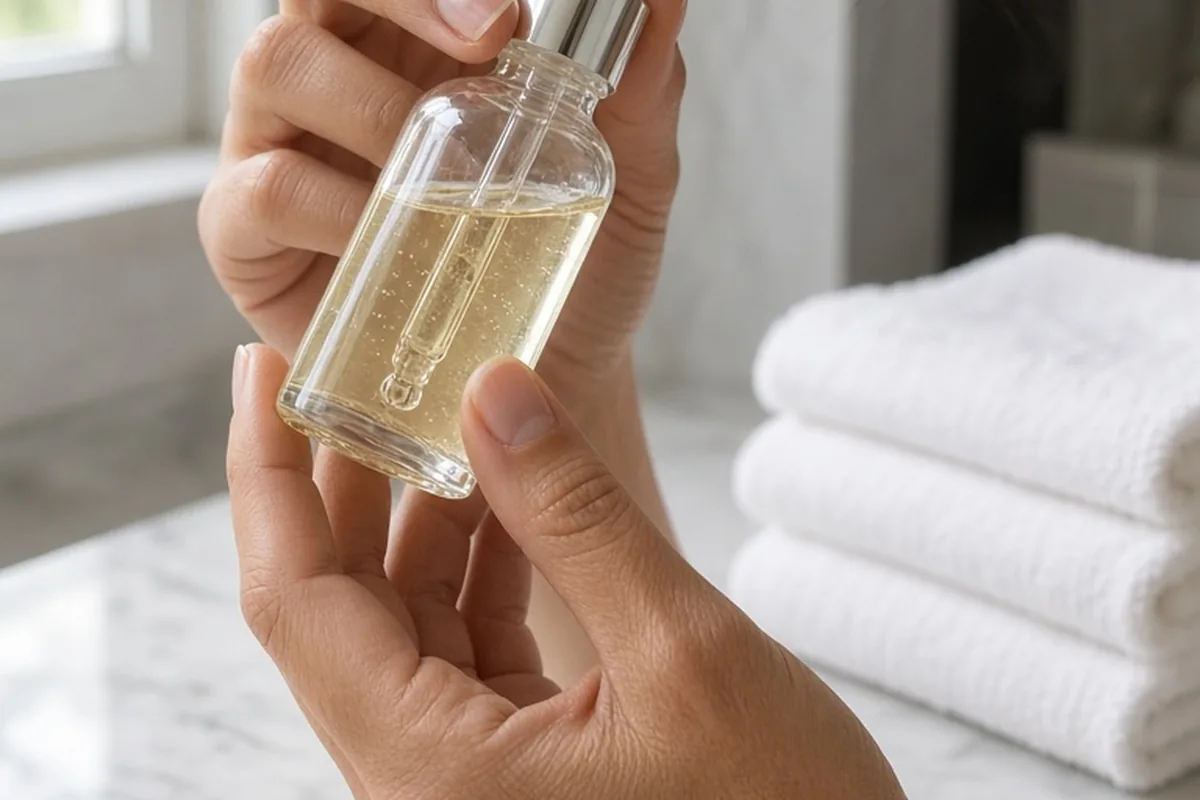
High-end drugstore dupes replicate the primary active ingredients, texture, or functional purpose of prestige skincare at a fraction of the cost. To find an effective alternative, compare ingredient concentrations, pH levels, and supporting hydrators rather than packaging or branding. While luxury products often feature proprietary blends or elevated sensory finishes, accessible drugstore formulas frequently deliver comparable daily barrier support, hydration, and targeted treatment.
Navigating skincare aisles can feel overwhelming when prestige brands market exclusive complexes at steep prices while mass-market shelves carry dozens of seemingly identical alternatives. Learning how to analyze product formulations empowers you to identify which affordable formulas match luxury performance and which splurges are truly difficult to replicate.
Decoding Ingredient Lists to Spot Real Product Matches
Finding an authentic dupe begins with the ingredient list, officially known as the International Nomenclature of Cosmetic Ingredients (INCI). Cosmetics regulations require manufacturers to list ingredients in descending order of predominance up to the one percent concentration threshold. When comparing a prestige serum to an affordable alternative, examine the top five to seven ingredients, as these typically constitute over eighty percent of the overall formula base, such as water, glycerin, butylene glycol, or specific carrier oils.
A true formula match shares both the key active ingredient and a similar carrier vehicle. For instance, if an expensive serum features five percent niacinamide in a lightweight, water-based gel with hyaluronic acid, a drugstore serum featuring the same active percentage in an aloe or water base will function nearly identically on the skin. You do not need to match every botanical extract listed near the bottom of the bottle, as ingredients listed after the one percent mark often serve minor preservative, stabilizer, or marketing roles.
However, ingredient order alone does not reveal processing methods or grade purity. High-end brands may use specialized encapsulation technologies that deliver actives deeper into the epidermis with minimal irritation, whereas lower-cost alternatives might rely on free, unencapsulated molecules that work more quickly but carry a higher risk of temporary surface redness. Checking whether an active is buffered by soothing agents like panthenol, allantoin, or colloidal oat helps determine whether the budget formula will treat your skin gently.
Barrier Repair Creams: Prestige Balms Versus Affordable Ceramides
Luxury barrier creams frequently sell for eighty to two hundred dollars, justified by opulent packaging and claims of rare botanical fermentations. At their physiological core, however, skin barrier restoration relies on a well-established balance of skin-identical lipids: ceramides, cholesterol, and free fatty acids. Mass-market brands have refined barrier formulas for decades, often producing moisturizers that perform as well as, or better than, high-end department store pots.
When evaluating a barrier dupe, look for formulations containing ceramide NP, ceramide AP, ceramide EOP, alongside phytosphingosine and hyaluronic acid. Drugstore moisturizing lotions and creams commonly blend these essential lipids with petrolatum or dimethicone to prevent transepidermal water loss. Petrolatum remains one of the most effective occlusive agents available in cosmetic science, creating a protective shield that allows compromised skin to repair itself without the need for costly botanical extracts.
The primary difference you will encounter between luxury balms and drugstore staples is cosmetic elegance and finish. High-end barrier balms often use micro-milled powders and lightweight ester emollients that dry down to a velvety, non-greasy matte texture suitable for wear under makeup. In contrast, heavy drugstore ointments and rich creams can leave a visible sheen or feel slightly tacky, making them exceptional for nighttime recovery but occasionally challenging for daytime use under cosmetics.
Exfoliating Acids and Peels: Matching Potency and pH Levels
Chemical exfoliants represent one of the easiest categories in which to save money because alpha hydroxy acids (AHAs) and beta hydroxy acids (BHAs) operate through basic chemical mechanisms. Glycolic acid, lactic acid, and salicylic acid do not become more biologically effective simply because they are housed in frosted glass. What dictates their exfoliating capability is their overall concentration and, crucially, the pH value of the final solution.
For an acid treatment to effectively loosen dead skin cells and clear pore congestion, the pH must be low enough to keep the acid in its active, free form—typically between 3.0 and 4.0. Many affordable skincare brands openly publish their product pH levels and exact acid percentages, allowing you to match a luxury ten percent glycolic toner or two percent salicylic liquid step-for-step with a budget equivalent.
The trade-off with lower-cost acid treatments usually relates to the soothing cushion built around the active. High-end resurfacing treatments often incorporate extensive arrays of anti-inflammatory peptides, Tasmanian pepperberry, or marine extracts to mitigate the stinging sensation associated with low-pH acids. When using an economical acid dupe, you can easily compensate by applying a simple, unfragranced soothing serum containing centella asiatica or panthenol directly afterward.
Retinoids and Vitamin A: Comparing Over-the-Counter Options
Vitamin A derivatives remain the benchmark standard for cellular turnover, collagen support, and acne management. Prestige brands often charge premium prices for proprietary retinol blends, but the drugstore market has evolved dramatically, offering potent retinol, encapsulated retinol, and over-the-counter retinaldehyde (retinal) at accessible price points.
When selecting a retinoid alternative, packaging is as important as the ingredient list. Vitamin A degrades rapidly when exposed to air, heat, and ultraviolet light. Avoid both luxury and drugstore retinoids sold in wide-mouth jars or clear glass dropper bottles. Instead, look for affordable formulas housed in opaque, airless pump tubes or aluminum packaging, which protect the molecule from oxidation and ensure that the product retains its biological activity until you empty the container.
Be aware that tolerability can vary widely between basic retinol formulations and advanced luxury emulsions. High-end retinoids often feature time-release lipid spheres that slowly release the active overnight, minimizing peeling and irritation. If your drugstore retinol feels too aggressive, you can mitigate sensitivity by using the sandwich technique—applying a thin layer of basic moisturizer, letting it dry, applying the retinoid, and finishing with another layer of moisturizer.
Antioxidant and Vitamin C Serums: Navigating Form and Stability
Prestige antioxidant serums, particularly those combining pure L-ascorbic acid with ferulic acid and vitamin E, hold iconic status in the beauty industry. This specific triad works synergistically to neutralize environmental free radicals and brighten uneven skin tone. Because pure vitamin C is notoriously unstable in water solutions, luxury brands often charge premium rates for their patented stabilization techniques.
Accessible brands have developed several functional alternatives. Some budget brands formulate with pure L-ascorbic acid at a low pH in small, dark bottles intended for rapid use before oxidation occurs. Others utilize stabilized vitamin C derivatives, such as tetrahexyldecyl ascorbate (THD ascorbate), sodium ascorbyl phosphate (SAP), or ethyl ascorbic acid. These derivatives are significantly more stable in water, resist yellowing on the shelf, and convert into active ascorbic acid within the skin with minimal irritation.
The primary limitation when purchasing affordable pure L-ascorbic acid serums is supply chain shelf life. Drugstore products may sit under warehouse lighting or endure fluctuating temperatures before reaching store shelves. To ensure you purchase a potent batch, inspect the color upon opening; an effective L-ascorbic acid serum should be clear or very pale champagne. If the liquid has turned dark amber or brown, it has oxidized and lost its antioxidant efficacy.
Sensorial Elegance Versus Functional Performance: Knowing When to Splurge
Understanding what luxury pricing pays for helps you make deliberate, budget-conscious decisions. Prestige skincare pricing reflects factors beyond raw materials, including bespoke signature fragrances, silkier aesthetic textures, heavy glass packaging, multi-phase clinical testing, and extensive global advertising campaigns. A luxury cream might melt effortlessly into the skin with zero residue, whereas an affordable equivalent might require an extra thirty seconds of gentle massage to absorb.
To maximize your skincare budget, divide your routine into functional staples and targeted specialties. Basic products that remain on your skin for less than a minute or serve purely mechanical purposes—such as gentle cleansers, micellar waters, basic hyaluronic acid serums, and daily sunscreens—can almost always be purchased at the drugstore without any compromise in skin health.
You might choose to allocate your budget toward high-end products only when you require a highly specific formulation that the mass market does not replicate well. This includes products designed for severe rosacea requiring rare soothing complexes, uniquely elegant mineral sunscreens that leave zero white cast on deep skin tones, or sophisticated multi-peptide complexes that demand proprietary manufacturing processes.
Frequently asked questions
Can a drugstore dupe cause more breakouts than a high-end product?
Yes, depending on the base emollients and thickeners used in the formula. Drugstore brands sometimes rely on heavier waxes or pore-clogging carrier oils to create rich textures affordably. Check the ingredient list for non-comedogenic bases if you are prone to acne.
Are patented luxury ingredients worth the higher price tag?
Most patented ingredients are proprietary blends of standard botanicals, peptides, or humectants marketed under trademarked names. While they may offer unique textures or mild soothing benefits, standard over-the-counter actives like retinol, niacinamide, and glycolic acid have far more independent research confirming their efficacy.
How long should I test a drugstore alternative to see if it works?
Allow four to six weeks of consistent daily use to evaluate changes in skin texture, hydration, and clarity. Cellular skin turnover takes approximately twenty-eight days, so immediate judgments only reflect surface hydration rather than true functional performance.
Your next step
Review the primary active ingredient and base formulation of your most expensive skincare product today, then compare it against two drugstore alternatives to identify an immediate, budget-friendly replacement.