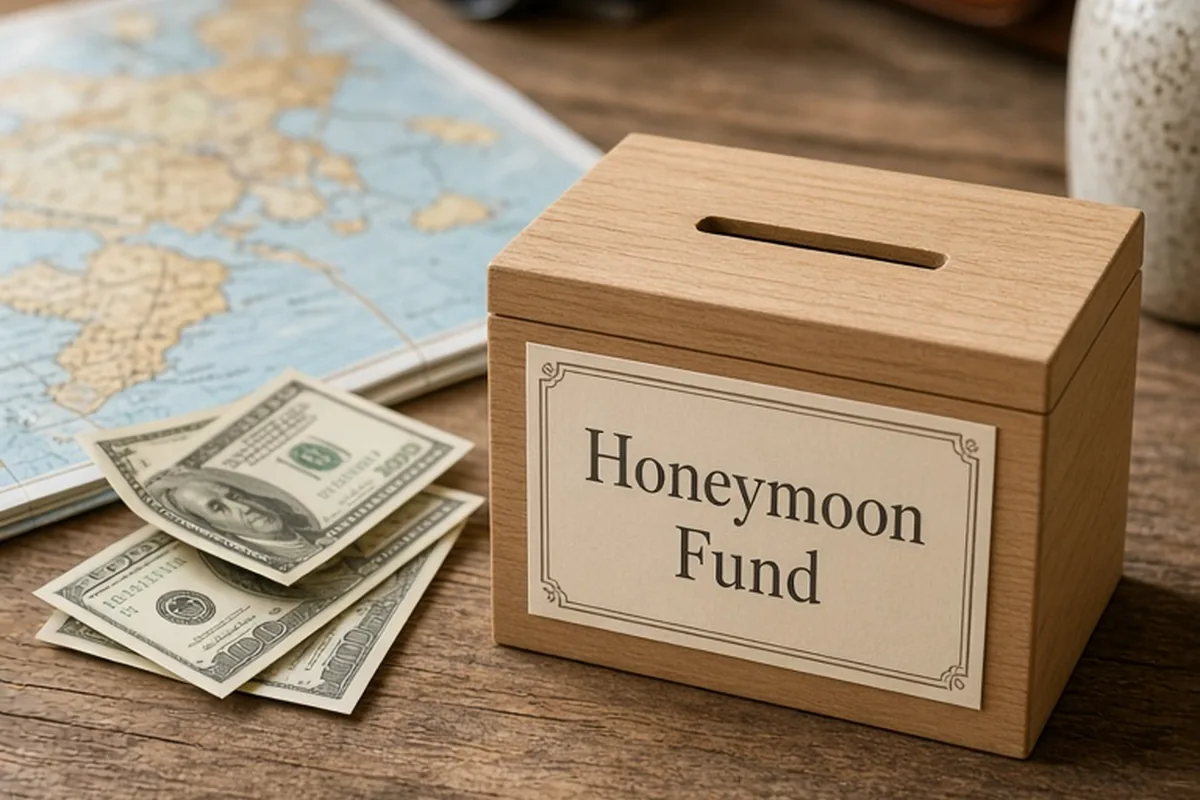
Honeymoon fund gifts are cash or digital contributions specifically designated to help newlyweds pay for travel, accommodations, meals, or excursions during their post-wedding trip. Guests usually contribute through an online wedding registry platform, a physical card box at the reception, or digital payment apps. These gifts allow couples to prioritize memorable shared experiences over traditional household goods while giving contributors clear visibility into how their money will be enjoyed.
As more couples live together prior to marriage and establish shared households early, experiential gifting has become a standard and practical part of modern wedding celebrations.
How Honeymoon Funds Work for Couples and Guests
A honeymoon fund operates either as an open-ended cash contribution pool or as an itemized wishlist where guests sponsor distinct parts of a planned trip. Modern registry platforms allow couples to break down their travel itinerary into tangible micro-gifts, such as two tickets to a museum, a romantic dinner at a local bistro, a night at a boutique hotel, or a guided snorkeling excursion. This structure bridges the gap between traditional registry gifting and direct monetary donations, giving guests a concrete sense of involvement in the couple's celebration.
Behind the scenes, most specialized honeymoon platforms collect payments via credit card and deposit the net funds directly into the couple's connected bank account. While guests may select a specific item like a sunset sailing tour, the couple typically receives the cash equivalent to book the activity on their own schedule. This flexibility accommodates changes in weather, booking availability, or shifting travel dates while maintaining the sentimental connection of a purpose-driven gift.
Determining the Right Contribution Amount
Deciding how much to contribute to a honeymoon fund follows the same principles as purchasing a traditional registry gift. Contribution sizes generally reflect the guest's financial comfort, travel expenses incurred to attend the wedding, and the nature of their relationship with the couple. Distant acquaintances or coworkers frequently contribute between fifty and one hundred dollars, close friends and extended family members often give between one hundred and two hundred dollars, while immediate family or members of the wedding party may choose to contribute more if their personal budgets permit.
It is helpful to disregard the outdated myth that a guest's gift must precisely cover the estimated cost of their reception meal. Wedding attendance is an invitation to celebrate rather than a transactional exchange, and couples appreciate contributions that align with the giver's genuine capacity. Guests who are already spending significant sums on destination travel, lodging, or formal attire for the wedding weekend should feel comfortable selecting a modest tier on the registry or contributing a smaller custom amount.
Polite Wording for Requesting Honeymoon Contributions
Requesting monetary support for a trip requires tactful phrasing that emphasizes gratitude and removes any feeling of obligation. Traditional etiquette discourages including registry details directly on formal wedding invitations; instead, couples should place registry information on their wedding website or allow bridal party members and family to share it organically. When writing website copy, focus on the excitement of celebrating a shared milestone rather than asking directly for cash.
A well-received note might state: 'Your presence at our wedding is the greatest gift of all. Because we are fortunate to already have a home full of household essentials, we have created a honeymoon fund to help us build lasting memories on our trip to Italy. If you wish to contribute, you can explore our planned excursions below.' Providing a small alternative registry with a few physical items is also considerate, as some traditional guests still prefer handing over a wrapped physical package.
Creative Ways to Personalize Travel Gifts
Some guests hesitate to give monetary contributions because they worry that digital transfers feel distant or transactional. You can easily add warmth to a honeymoon fund gift by pairing a digital contribution with a thoughtful, tangible gesture on the wedding day. Bringing a handwritten card containing personal travel recommendations for the couple's destination, a pocket phrasebook, or a small luggage tag creates an immediate physical connection to the experience you are funding.
Another creative option is coordinating directly with the couple's hotel or resort if the property details are known. Contacting the concierge to arrange a bottle of wine in their room upon arrival, a dessert delivery, or a spa voucher allows you to provide a memorable surprise that feels deeply customized without having to route money through a third-party website.
Comparing Digital Platforms and Physical Cash Boxes
Couples must balance convenience and cost when deciding how to collect honeymoon funds. Dedicated registry websites offer sleek interfaces, automated thank-you tracking tools, and clear item breakdowns, but they almost universally charge credit card processing fees ranging from two to three percent. Couples should check platform settings to decide whether they will absorb these fees themselves or allow guests to cover the transaction costs at checkout.
In contrast, offering a secure card box at the wedding reception allows guests to deliver physical cards, cash, or checks without payment processing deductions. The trade-off is the logistical responsibility of keeping the collection box safe throughout the event. Assigning a trusted family member or wedding coordinator to transfer the cards to a secure hotel safe before the reception winds down prevents misplaced envelopes and gives couples peace of mind.
Thank-You Note Etiquette for Experiential Gifts
Sending prompt, personalized thank-you notes is essential when guests contribute to a honeymoon fund. Because contributors often select specific itinerary items, the thank-you message should explicitly mention the funded experience and explain how it enhanced the trip. Rather than writing a generic note thanking someone for their financial support, describe the sunset view from the dinner they sponsored or the excitement of the tour they provided.
If the honeymoon occurs immediately after the wedding, couples should aim to send thank-you cards within two to three months of returning home. For couples taking a delayed honeymoon several months or a year later, sending an initial acknowledgment right after the wedding confirms the gift was safely received, followed by a brief digital photo or quick update once the excursion actually takes place.
Navigating Common Concerns and Plan Changes
Unforeseen circumstances such as flight disruptions, weather cancellations, or itinerary adjustments can occasionally prevent a couple from taking a specific excursion that a guest funded. In these situations, couples are not expected to issue refunds. The etiquette standard is to apply the gifted funds toward an equivalent experience, a nice dinner, or general travel expenses during the trip, and to mention in the thank-you note how the overall support contributed to their time away.
Similarly, if an entire honeymoon must be postponed due to health or logistical reasons, keeping open communication reassures loved ones. Letting guests know that their generosity is safely stored in a dedicated travel savings account keeps expectations clear and honors the spirit of their contribution without creating unnecessary tension.
Frequently asked questions
Is it considered rude to only have a honeymoon fund on a wedding registry?
It is widely acceptable to feature a honeymoon fund as your primary registry, especially for established couples. However, including a modest selection of traditional physical items accommodates older relatives or guests who strongly prefer giving tangible presents.
Who pays the transaction fees on an online honeymoon registry?
Most platforms allow the couple to choose whether the credit card processing fee is deducted from the received gift or added to the guest's checkout total. Choosing to absorb the fee on the couple's end is generally viewed as the most courteous option for guests.
How long do couples have to send thank-you notes for honeymoon gifts?
Thank-you notes should ideally be sent within two to three months of the wedding or immediately following the trip. If the honeymoon is delayed by several months, send a prompt initial thank-you note right after the wedding day.
Can guests give cash or checks instead of using an online honeymoon portal?
Yes, guests can place cash or a personal check inside a congratulatory wedding card and deposit it into the reception card box. This approach allows the couple to avoid platform processing fees while still applying the gift to their travel plans.
Your next step
Review your planned itinerary to create realistic, itemized registry funds or select a secure physical card box plan to start organizing your honeymoon gifting smoothly.