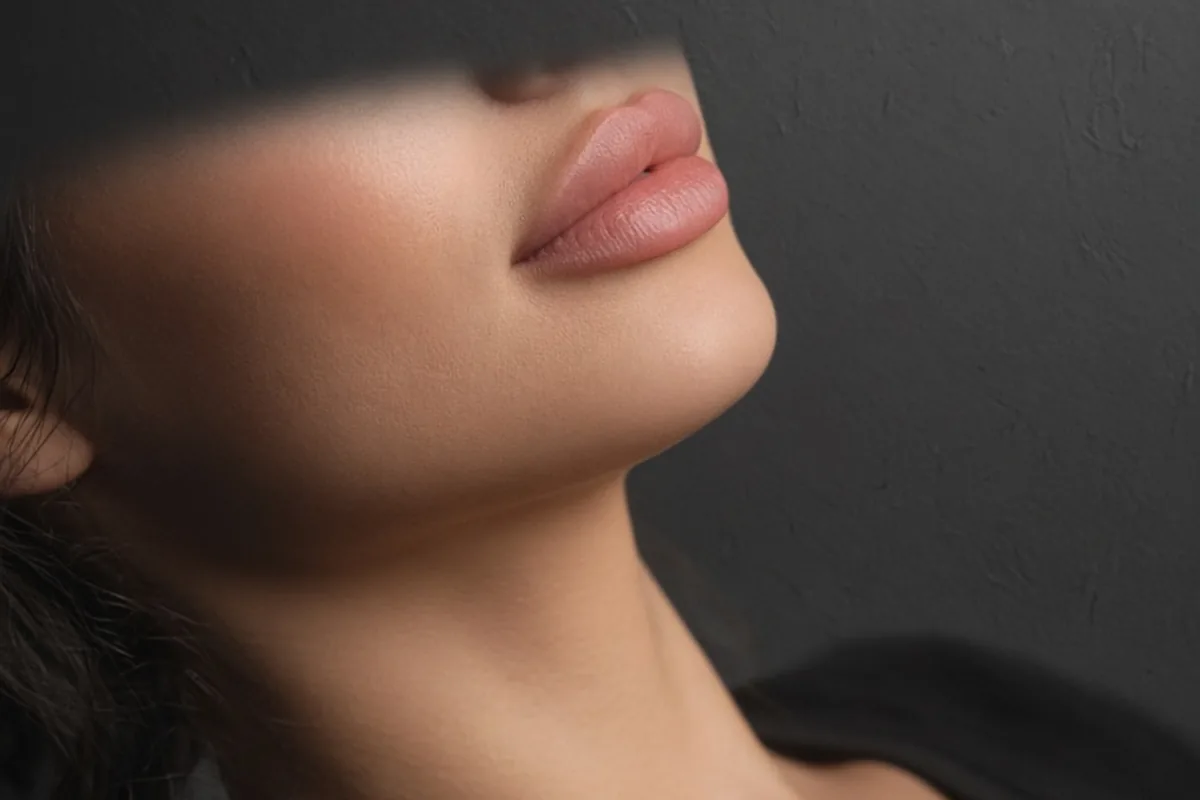
You should wait at least 24 to 48 hours before applying traditional lipstick, lip gloss, or colored balms after lip filler injections. The tiny puncture sites left by needles or cannulas require time to close completely. Applying cosmetic products too early introduces bacteria, elevates the risk of skin infection, and applies mechanical pressure that may displace settling filler material.
Receiving dermal filler enhances lip volume and contour, but your post-treatment care routine plays a critical role in how cleanly and comfortably your tissue heals. Knowing when and how to resume your daily makeup routine helps protect your investment while preventing avoidable irritation.
Why the First Forty-Eight Hours Demand Bare Lips
Every injection creates microscopic puncture wounds along the vermilion border and the fleshy body of the lip. Even though these openings are tiny and often stop bleeding within minutes, the skin barrier remains compromised for one to two days. During this critical window, the body initiates a natural inflammatory response to begin closing the skin channels and integrating the hyaluronic acid gel into your native tissue.
Introducing standard lipsticks or glosses during this initial recovery phase carries two primary risks: bacterial contamination and mechanical disruption. Conventional cosmetic tubes, applicators, and lip brushes naturally harbor environmental bacteria and residual skin oils. When these tools touch unsealed injection points, microorganisms can migrate beneath the surface, potentially causing localized bacterial infections or persistent inflammatory nodules that require clinical intervention.
Physical pressure is equally concerning. The act of swiping a firm bullet lipstick across tender lips, pressing your lips together to distribute pigment, or vigorously blotting with a tissue creates shear forces. In the initial twenty-four to forty-eight hours, injected hyaluronic acid filler remains somewhat malleable. Excessive manipulation or uneven pressure can shift the filler product before it stabilizes, leading to unwanted asymmetry or surface irregularities that complicate your aesthetic outcome.
How Different Lip Products Impact the Healing Process
Not all lip cosmetics carry the same level of risk, and understanding product formulas helps you make smart choices once the initial forty-eight-hour window closes. Matte liquid lipsticks, for example, represent the highest risk for post-filler complications. These formulas contain high concentrations of drying agents, alcohol, and film-forming polymers engineered for long wear. As they dry, they pull moisture from already swollen, delicate tissue, often causing painful cracking. Furthermore, removing a long-wear matte formula requires rubbing and oil-based cleansing, which places undue friction on recovering lips.
Traditional cream lipsticks and hydrating glosses offer a safer intermediate option once two full days have passed. Creamy formulas glide across the skin with minimal friction, reducing mechanical drag during application. However, high-shine glosses can be quite sticky, creating a surface that easily catches dust, lint, and hair throughout the day. If you choose to wear gloss after the forty-eight-hour mark, opt for non-sticky textures applied with a sanitized disposable applicator rather than a shared or older wand.
Tinted lip balms and medicated salves sit in a distinct category. While they seem inherently gentle, many commercial tinted balms contain menthol, camphor, synthetic fragrances, or plumping agents like cinnamon oil and capsicum. These ingredients stimulate blood circulation and create a tingling sensation that can aggravate freshly injected lips, worsening swelling and causing contact dermatitis. Plain, unscented barrier ointments remain the safest choice until tenderness completely resolves.
Safe Hydration and Soothing Methods for Day One
It is normal for lips to feel tight, stretched, and noticeably dry in the hours following an injection appointment. The swelling expands the surface skin, creating a sensation that tempts many people to reach for their favorite lip balm. Instead of applying standard cosmetics, stick strictly to sterile or single-use hydrating ointments recommended by your injector, such as pure medical-grade petroleum jelly or plain recovery balms.
Application technique is just as crucial as product selection. Rather than gliding a tube directly over your mouth, dispense a small pea-sized amount of ointment onto the back of a clean hand. Use a fresh cotton swab to gently dab the ointment onto your lips using light, downward pressing motions. Never rub, massage, or pinch your lips together to spread the product, as this can trigger bruising and displace filler material.
Internal hydration provides another powerful, non-invasive way to relieve that dry, taut sensation. Hyaluronic acid binds to water molecules within your tissue, so drinking plenty of room-temperature water supports tissue recovery from the inside out. Avoid drinking through narrow straws for the first two days, as the pursing motion exerts concentrated muscle pressure on your lips, potentially interfering with filler placement.
Step-by-Step Protocol for Reintroducing Makeup Safely
When forty-eight hours have elapsed and your injection sites have closed without signs of infection, you can begin reintroducing cosmetic products. Preparing your makeup tools beforehand is essential for preventing bacterial transfer to the recovering area. If you plan to use a traditional bullet lipstick, wipe the exposed top layer with a clean tissue misted with seventy-percent isopropyl alcohol, allowing it to dry fully before application. For lip pencils, sharpen them thoroughly to expose a completely fresh, sterile layer of pigment.
Follow a gentle, controlled application routine that minimizes friction. Begin with a clean, soft lip brush or a clean fingertip rather than applying firm product directly from the tube. Lightly pat the color onto the center of your lips and blend outward using delicate tapping motions. Avoid using stiff lip liners to redraw your perimeter during the first week, as sharp pencil tips can irritate localized micro-bruises along the sensitive vermilion border.
Removing your makeup at the end of the day requires equal care. Avoid abrasive makeup wipes, exfoliating scrubs, or textured washcloths. Instead, soak a soft cotton round in gentle, fragrance-free micellar water or a gentle cleansing oil. Hold the saturated pad against your lips for several seconds to dissolve the pigment, then wipe away the color in one smooth, feather-light swipe without scrubbing back and forth.
Managing Swelling and Bruising Without Heavy Cosmetics
Swelling and minor bruising are standard responses to dermal injections, typically peaking between twenty-four and forty-eight hours before gradually subsiding over the next week. Many people feel self-conscious about temporary unevenness and attempt to camouflage it with full-coverage concealers, heavy foundation, or opaque dark lipsticks. However, layering thick cosmetics directly over bruised lip margins can trap sweat and bacteria, slowing down the natural healing timeline.
A practical compromise involves color-correcting the skin around the mouth while keeping the actual lip tissue bare or coated only in clear healing balm. If you have visible bruising just outside the lip line, apply a tiny drop of yellow- or peach-toned concealer to the surrounding facial skin using a clean, fluffy brush, taking care not to touch the injection sites themselves.
For color choices once you hit the three-day mark, soft neutral shades and sheer rose tones work far better than bold red or deep plum lipsticks. High-contrast, dark, or matte colors emphasize texture irregularities, flaking skin, and transient swelling asymmetries. Sheer, satin-finish formulas reflect light gently, creating a smooth visual appearance that naturally disguises minor post-treatment unevenness while your final results settle.
Recognizing Warning Signs and When to Seek Guidance
Understanding the boundary between expected recovery symptoms and potential complications ensures you respond quickly if an issue arises. Normal post-filler side effects include mild to moderate swelling, tenderness when touched, minor firmness, and superficial bruising that gradually fades from purple to yellow. These symptoms should steadily improve each day following the initial forty-eight-hour peak.
Conversely, applying makeup too early or using contaminated products can trigger adverse reactions that require professional attention. Warning signs of infection include increasing throbbing pain, localized heat radiating from the lips, expanding redness, small white pustules near injection points, or systemic symptoms like fever. Another rare but urgent complication is vascular compromise, which presents as severe blanching, mottled pale or grayish skin, and sharp pain shortly after injection.
If you notice any of these abnormal symptoms, immediately discontinue all cosmetic products and cleanse the area with cool water and a mild, fragrance-free soap. Do not attempt to squeeze bumps, pop pustules, or apply harsh acne treatments to the lips. Contact your treating injector or medical clinic promptly, as bacterial infections require targeted prescription therapy and vascular issues demand immediate clinical assessment.
Frequently asked questions
Can I wear lip gloss sooner than traditional lipstick after getting fillers?
No, lip gloss should also be avoided for at least 24 to 48 hours. Wand applicators easily harbor bacteria from previous uses, and the sticky texture can trap environmental debris against your healing injection sites.
What should I do if I accidentally applied lipstick a few hours after my appointment?
Gently remove the lipstick immediately using a fragrance-free micellar water or mild cleanser on a soft cotton pad without scrubbing. Pat the area dry and monitor your lips over the next few days for any unusual redness, warmth, or swelling.
Is it safe to use lip plumping glosses once my lips have fully healed?
You should wait at least two full weeks before using any plumping glosses containing irritants like cinnamon, menthol, or capsicum. Using them earlier can trigger severe inflammation in tissue that is still integrating the dermal filler.
Can I use an old lip liner to outline my lips after two days?
You can use a lip pencil after 48 hours only if you sharpen it thoroughly right before application. Sharpening removes the outer layer of pigment that may carry bacteria, ensuring a clean surface touches your healing lip border.
Your next step
Sanitize your favorite lip products, keep your lips coated in plain protective ointment for the first two days, and wait until all injection punctures close before reintroducing color.