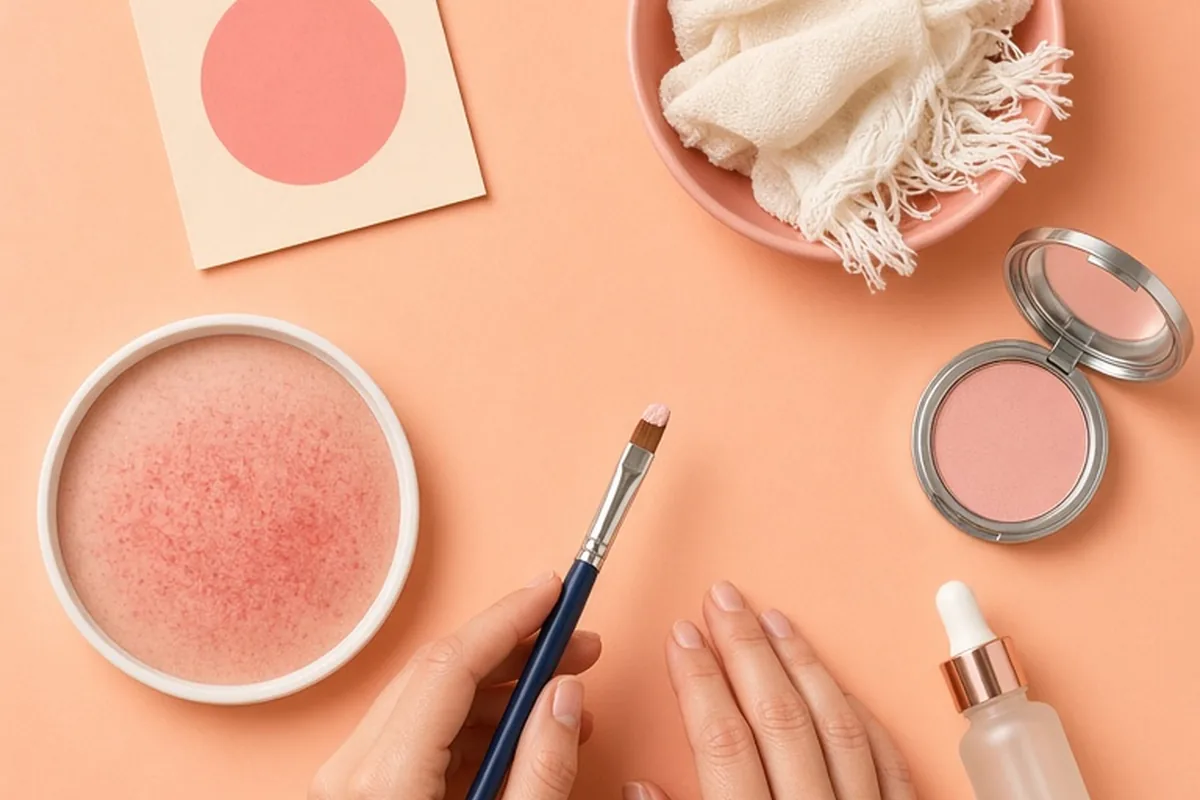
You should wait at least 24 to 48 hours before applying makeup after a microneedling treatment. Because microneedling creates thousands of microscopic puncture wounds in the skin's surface, applying cosmetic products too soon can push pigments, preservatives, and bacteria deep into vulnerable micro-channels. Waiting at least a full day allows the skin barrier to close and reduces the risk of inflammation, irritation, or infection.
Microneedling has become a standard clinical treatment for improving skin texture, tone, and elasticity, but the post-procedure healing window requires deliberate care. While it is natural to want to conceal temporary post-treatment redness before returning to work or social activities, understanding the biological timeline of skin recovery ensures you protect your investment and avoid unwanted complications.
The Timeline of Micro-Channel Closure and Barrier Recovery
The standard recommendation to pause cosmetic use for 24 to 48 hours is rooted in how microneedling works on a cellular level. During a session, fine medical-grade needles penetrate the epidermis and reach into the upper dermis, creating thousands of deliberate micro-injuries. For the first several hours, these tiny punctures remain open conduits directly into the deeper tissue layers. During this initial phase, the skin immediately triggers its natural wound-healing cascade, releasing intracellular fluids, platelets, and signaling proteins to patch the surface and rebuild the disrupted moisture barrier.
The precise time required for micro-channels to close depends significantly on the needle depth used during your session. A superficial at-home roller operating at 0.25 millimeters causes minimal barrier disruption, whereas professional treatments targeting acne scarring or deep texture often utilize depths between 1.5 and 2.5 millimeters. Deeper treatments naturally require a longer recovery period before the stratum corneum re-establishes its defensive shield. If your face still feels warm, tight, or tender to the touch at the 24-hour mark, your skin barrier is still actively repairing, meaning cosmetics should remain on hold.
Why Premature Makeup Application Risks Skin Health
Cosmetic formulations are designed exclusively for application on an intact, healthy outer skin layer. Liquid foundations, concealers, and setting powders contain complex mixtures of binders, synthetic colorants, emulsifiers, fragrances, and preservatives. When these ingredients are introduced to skin with unhealed micro-punctures, particles can become trapped beneath the surface. This can lead to foreign-body granulomas, severe contact dermatitis, or prolonged inflammatory erythema that reverses the aesthetic benefits of your microneedling session.
Hygiene concerns compound the chemical risks of early cosmetic use. Everyday beauty tools, including makeup sponges, foundation brushes, and compact cushions, harbor environmental dust, residual sebum, and bacterial colonies like staphylococcus. When you sweep an unsterilized brush or dab a damp blender across freshly treated skin, you introduce pathogens directly into vulnerable micro-wounds. This drastically elevates the likelihood of bacterial folliculitis, localized pustules, or skin infections that may cause scarring if left unaddressed.
The Safest Cosmetic Formulas to Reintroduce First
Once the initial 48-hour recovery window has elapsed and active warmth or raw sensation has settled, not every makeup product on your vanity is equally safe to apply. The gentlest option for transitioning back into cosmetics is pure, high-grade mineral powder makeup. Formulations centered on simple, non-reactive minerals such as zinc oxide and titanium dioxide sit comfortably on the skin surface without penetrating healing pores. Zinc oxide also provides natural skin-calming benefits and physical defense against environmental stressors.
Conversely, you should avoid heavy, full-coverage liquid foundations, silicone-based smoothing primers, and waterproof formulas for at least four to five days post-treatment. These products form an occlusive barrier over the skin, trapping metabolic heat and sweat while making thorough removal difficult. Removing long-wear cosmetics typically requires vigorous rubbing or double-cleansing routines that can irritate tender new skin cells. Stick with breathable, lightweight mineral powders or clean tinted moisturizers that rinse away with gentle effort.
Step-by-Step Sanitation and Application Protocols
Applying makeup to healing skin requires strict hygiene practices to prevent cross-contamination. Before touching your face or your cosmetic containers, wash your hands thoroughly with warm water and antibacterial soap for at least twenty seconds. Avoid dipping fingers directly into open cream pots or touching foundation pump nozzles to your palms, as this introduces lingering bacteria into the product reservoir.
Your application tools must be immaculately clean. If you plan to use brushes, wash them with a gentle antibacterial brush cleanser or mild soap the night before and allow them to dry completely in a dust-free area. Alternatively, use single-use disposable cosmetic sponges or clean, sanitized fingertips to apply product. Rather than using buffing, circular, or dragging motions that pull on delicate skin, use a gentle stippling or patting technique to distribute mineral makeup evenly without causing friction.
Managing Redness Safely During the Waiting Period
Experiencing noticeable facial redness and mild swelling is completely normal for the first day or two following microneedling. If you need to attend public commitments before the makeup window opens, non-cosmetic soothing products can help temper this flushed appearance without compromising healing. Skincare professionals frequently advise applying pure, unflavored hyaluronic acid serums and fine thermal water mists, which hydrate the tissue, cool surface heat, and support natural barrier restoration.
After the first 24 hours have passed, broad-spectrum physical sunscreen is mandatory whenever exposed to daylight. Selecting a tinted mineral sunscreen formulated with non-nano zinc oxide provides a practical compromise. A mineral tint lightly offsets post-treatment redness and creates an even visual tone, all while providing necessary protection against ultraviolet light. Because post-procedure skin is exceptionally prone to UV-induced hyperpigmentation, this step protects both your immediate comfort and long-term results.
How to Remove Makeup Without Disrupting Healing Skin
Removing your makeup at the end of the day requires just as much care as applying it. Around the third or fourth day post-treatment, skin often begins a natural micro-peeling process as damaged cells shed to reveal fresh epidermis. Using abrasive makeup wipes, exfoliating cleansers, or textured washcloths can prematurely rip away peeling skin, creating raw patches, prolonged hyperpigmentation, and irritation.
Instead, use a mild, sulfate-free, non-foaming gel or lotion cleanser formulated for sensitive skin. Dispense the cleanser onto clean fingertips, gently massage it over damp skin using light circular motions, and rinse thoroughly with lukewarm water. Avoid using hot water, which increases facial redness and dries out the recovering barrier. When drying your face, pat gently with a clean, soft microfiber cloth or a fresh paper towel rather than rubbing, and immediately seal in moisture with a ceramide-rich recovery cream.
Frequently asked questions
Can I wear tinted sunscreen instead of foundation the day after microneedling?
Once you pass the initial 24-hour mark, a gentle physical tinted sunscreen containing zinc oxide or titanium dioxide is generally suitable. It offers sheer coverage to camouflage residual redness while delivering critical UV protection without the heavy binders found in standard foundations.
What should I do if I applied makeup too early by mistake?
If you applied cosmetics within the first 24 hours, wash your face gently with lukewarm water and a mild, fragrance-free cleanser to remove the product without scrubbing. Keep your routine minimal, apply a gentle hydrating serum, and monitor your skin for signs of irritation or breakouts.
When is it safe to resume using active ingredients like retinol under makeup?
You should pause potent active ingredients such as retinoids, exfoliating alpha or beta hydroxy acids, and strong vitamin C serums for at least five to seven days post-treatment. Reintroducing these potent ingredients too quickly can cause severe irritation, flaking, and barrier compromise.
How should I handle flaking skin if makeup emphasizes dry patches?
Flaking is a normal phase of skin renewal, but you should never scrub or peel the flakes manually. If makeup emphasizes texture, switch to a lighter hydrating tint or skip cosmetics entirely, focusing instead on liberal applications of hyaluronic acid and ceramide barrier creams until peeling resolves.
Your next step
Inspect your beauty supplies today to deep clean your brushes and set aside a gentle mineral formula, giving your skin the pristine environment it needs to heal smoothly.