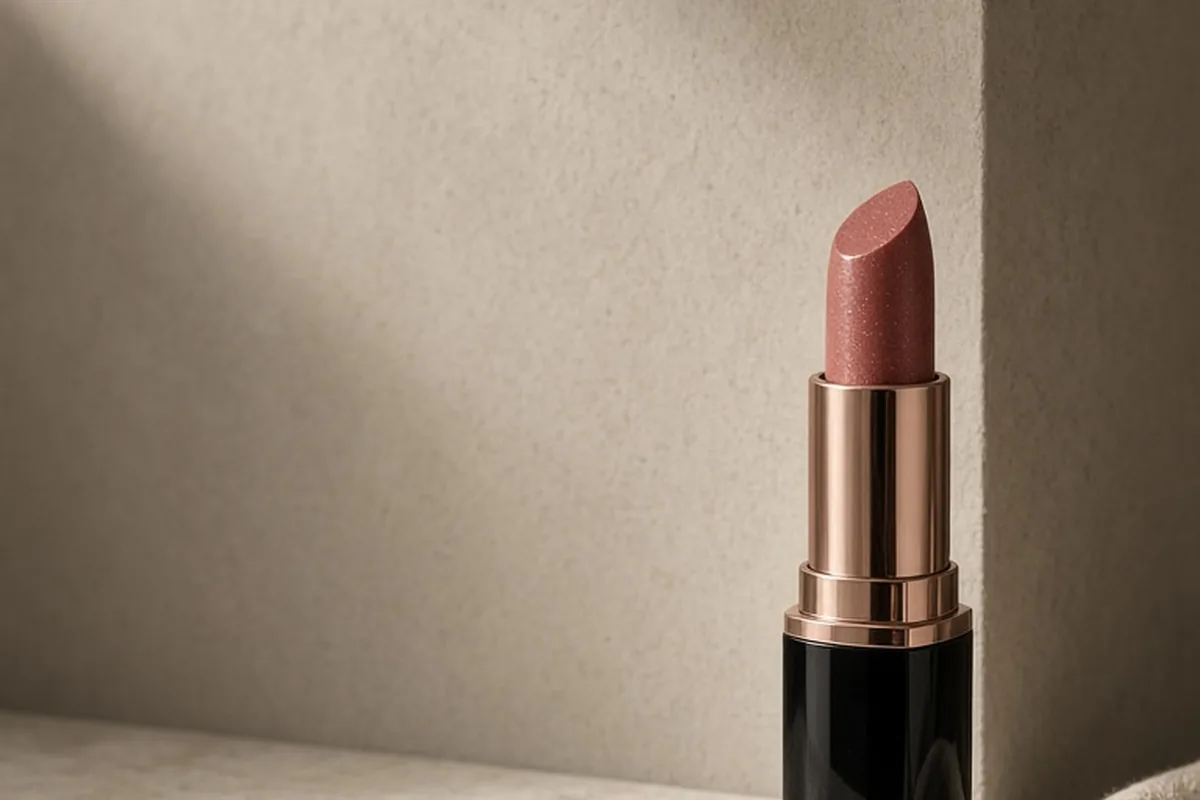
On the lips, standard lipstick lasts between two and eight hours depending on the finish, with sheer balms wearing off earliest and liquid mattes lasting longest. In terms of shelf life, an opened bullet lipstick generally lasts twelve to twenty-four months, while liquid lipsticks and glosses remain safe for six to twelve months. Unopened products stored away from heat and light can last up to three years.
Determining how long a lipstick lasts involves looking at two distinct timelines: how many hours a single application stays vibrant on your lips, and how many months a tube stays safe to use after purchase. Balancing both factors helps you maintain healthy skin while getting the best performance from your makeup collection.
Understanding Shelf Life Versus Wear Time
When asking how long lipstick lasts, makeup users are usually troubleshooting one of two practical concerns. The first relates to stability and hygiene in your makeup bag, which centers on expiration dates, preservative degradation, and bacterial growth over months or years. The second involves durability throughout a typical day, focusing on how friction, moisture, body heat, and eating affect color payoff across several hours. Addressing both questions requires looking closely at product formulation, application habits, and storage conditions.
Traditional solid lipsticks, often called bullet lipsticks, contain a blend of waxes, oils, and concentrated pigments designed to melt slightly upon skin contact. Because these formulas contain minimal water, they create an inhospitable environment for microbes compared to water-rich cosmetics like foundations or mascaras. However, organic oils and natural butters within the wax base inevitably oxidize over time. Meanwhile, daily wear time depends almost entirely on the ratio of wax to volatile solvents, meaning a hydrating, high-shine lipstick will naturally wear off much faster than a dry, pigment-dense matte formula.
Shelf Life and Expiration Across Different Lipstick Formulations
The practical lifespan of an open tube varies significantly depending on packaging design and chemical composition. Traditional bullet lipsticks offer the longest post-opening lifespan, typically remaining stable and hygienic for twelve to twenty-four months. Their solid structure can be wiped clean or sanitized periodically with isopropyl alcohol, which limits surface contamination. In contrast, unopened bullet lipsticks stored in a cool, dark environment can remain stable for up to three years without notable degradation in texture or color.
Liquid lipsticks and lip glosses have a noticeably shorter usable life, generally ranging from six to twelve months after the first use. Every time you pull a doe-foot wand out of the container and reinsert it after touching your lips, you introduce air, moisture, and oral bacteria directly into the liquid reservoir. Clean and preservative-free formulas demand even greater caution, as botanical oils and unpreserved extracts can turn rancid within three to six months. Monitoring the period-after-opening symbol on the packaging, represented by a small open-jar icon with a number such as 12M or 24M, provides a reliable baseline for each specific product.
- Traditional bullet lipsticks: 12 to 24 months opened; up to 3 years unopened
- Liquid matte lipsticks: 6 to 12 months opened; up to 2 years unopened
- Lip glosses and oils: 6 to 12 months opened; up to 2 years unopened
- Preservative-free and clean beauty lipsticks: 3 to 6 months opened
- Lip stains and tints: 8 to 12 months opened
Clear Signs That a Lipstick Has Expired
Cosmetic formulas degrade gradually, but identifiable physical changes signal when a product is no longer safe or functional. The most reliable early warning sign is an altered scent. Fresh lipsticks usually carry a faint vanilla, floral, or neutral cosmetic smell, but as the underlying oils oxidize, they develop a sharp, stale odor reminiscent of old cooking oil, crayons, or damp cardboard. If the fragrance changes noticeably from when you first bought the product, the lipid base has begun to break down.
Texture and appearance shifts also indicate deterioration. Expired bullet lipsticks frequently turn unusually dry, drag roughly across the skin, or develop small beads of separated moisture and oil across the surface, a process known as sweating. While sweating can occasionally result from brief temperature changes, persistent bead formation alongside color separation or patchy pigment delivery indicates structural breakdown. Liquid formulas may separate into distinct layers that cannot be re-blended through shaking, or they may become excessively thick, stringy, or uncharacteristically gritty.
Expected Daily Wear Time by Lipstick Finish
On the lips, longevity varies dramatically across different finishes, formulas, and daily activities. Sheer lipsticks, tinted balms, and high-shine glosses provide the shortest wear time, typically lasting one to three hours before requiring reapplication. Because these products feature a high proportion of emollient oils and low pigment concentrations, they transfer easily onto cups, utensils, and skin. While they require frequent touch-ups throughout the day, they offer continuous hydration and fade gracefully without leaving uneven rings of pigment around the lip perimeter.
Satin and creamy bullet lipsticks represent a balanced middle ground, generally maintaining visible color for three to five hours. Matte bullet lipsticks and liquid transfer-resistant formulas extend wear time even further, frequently lasting six to eight hours through normal talking and light drinking. Liquid lipsticks dry down into a flexible, film-forming layer that resists friction and transfer, though heavy contact with dietary fats and oils will eventually dissolve the synthetic polymers. Lip stains offer the highest sheer longevity, penetrating the upper layers of lip tissue to deliver eight to twelve hours of wash-proof tint.
- Tinted balms and high-shine glosses: 1 to 3 hours of wear
- Satin and classic cream lipsticks: 3 to 5 hours of wear
- Traditional matte bullet formulas: 4 to 6 hours of wear
- Liquid transfer-proof matte lipsticks: 6 to 10 hours of wear
- Water-based and gel lip stains: 8 to 12 hours of wear
Practical Methods to Make Lipstick Last Longer on Your Lips
Achieving maximum wear time from any lipstick formula requires deliberate lip preparation and layering techniques rather than simply piling on more product. Starting with a smooth surface ensures that pigment adheres evenly across the entire lip area. Gently buffing dry flakes with a damp cloth or mild sugar scrub, followed by a light layer of balm allowed to absorb for ten minutes, creates an ideal base. Removing any excess surface oil with a tissue before applying pigment prevents the lipstick from sliding out of place.
Layering with a wax-based lip liner significantly boosts durability by establishing a dry, high-friction foundation. Filling in the entire lip canvas with liner before applying your lipstick prevents feathering along fine lines and ensures that a base layer of color remains intact even as the top lipstick layer slowly fades. For extended events, apply one even coat of lipstick, blot firmly with a single ply of tissue, dust a translucent setting powder through the tissue with a soft brush, and finish with a second thin coat of lipstick to lock the pigment in place.
Storage and Sanitization Practices to Preserve Lipstick Quality
Where and how you store your cosmetics directly governs how close they get to their maximum potential shelf life. Heat, humidity, and direct UV radiation accelerate the breakdown of chemical bonds, causing waxes to soften, active ingredients to degrade, and preservatives to fail prematurely. Storing lipsticks in a steamy bathroom or leaving them inside a hot car glove compartment can spoil a formula within weeks, regardless of the expiration date printed on the box. A dry, temperate bedroom drawer, vanity organizer, or linen closet provides the most stable environment.
Routine sanitization extends the usability of traditional bullet lipsticks while protecting your lips from cross-contamination. Spraying the exposed tip of a bullet lipstick with seventy percent isopropyl alcohol, waiting thirty seconds, and gently wiping the exterior layer with a clean tissue removes accumulated debris and surface microorganisms without melting the core structure. For liquid products, sanitizing the wand itself is rarely practical, so practicing basic hygiene, such as applying product only to clean lips and avoiding sharing applicators with others, remains the best defense against spoilage.
Risks of Using Expired Formulas and How to Dispose of Them
Using a lipstick long past its safe shelf life introduces avoidable risks to the delicate skin on and around your lips. As preservatives lose their efficacy, microbial colonies and fungi can colonize the container, particularly in products exposed to regular oral contact. Applying contaminated or rancid cosmetics can trigger contact dermatitis, resulting in dry, itchy, swollen lips, cracked skin, or localized allergic reactions. Individuals prone to cold sores may also experience flare-ups if a contaminated applicator repeatedly reintroduces pathogens to vulnerable tissue.
When a lipstick reaches the end of its functional life, responsible disposal helps minimize environmental waste. Because most lipstick packaging combines mixed materials such as plastic, aluminum, and small metal springs, complete tubes cannot simply be tossed into standard curbside recycling bins. Scrape out any remaining wax or cream and discard it in regular household trash, then check whether the outer casing can be recycled through specialized cosmetic take-back programs offered by beauty retailers or dedicated recycling organizations.
Frequently asked questions
Can I use an unopened lipstick that is five years old?
Using a five-year-old lipstick is not recommended even if the product has never been opened. While unopened cosmetics resist bacterial contamination better than open ones, the chemical bonds in waxes, oils, and pigments naturally degrade over several years, leading to rancidity, altered texture, and potential skin irritation.
Does keeping lipstick in the refrigerator make it last longer?
Refrigeration can slow down oil oxidation in hot climates, but it is generally unnecessary for everyday storage in climate-controlled homes. Extreme cold can also alter the texture of certain formulas, causing waxes to become brittle and making application uneven until the product returns to room temperature.
Why does my matte liquid lipstick start flaking after a few hours?
Matte liquid lipsticks form a tight, dry polymer film on the lips, which naturally cracks and flakes when underlying lip moisture evaporates or natural lip movements flex the dry surface. You can reduce flaking by thoroughly hydrating your lips beforehand and applying only one thin, uniform layer rather than layering fresh liquid over dry patches.
How can I tell if my clean beauty lipstick has gone bad early?
Clean beauty formulas lack conventional synthetic preservatives, making them particularly vulnerable to early spoilage. Look for sour or oil-paint odors, sudden changes in color tone, or a grainy texture when gliding the product across the back of your hand.
Your next step
Inspect your current lipstick collection by checking for changes in scent and texture, dispose of any liquid formulas open for more than a year, and store your favorites in a cool, dry place away from direct sunlight.