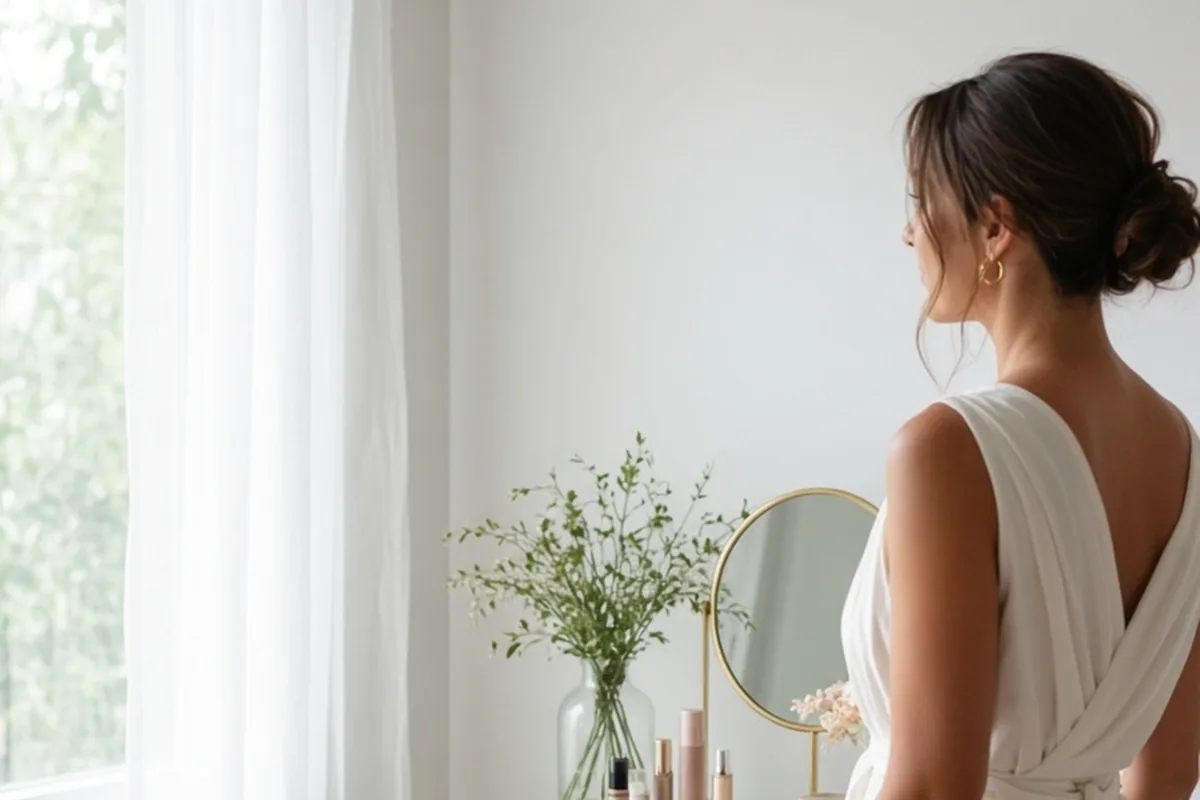
On average, applying everyday makeup takes between ten and twenty minutes, while a minimal natural look requires five to ten minutes. A polished professional routine typically takes twenty to thirty minutes, and intricate evening, glam, or special-event makeup generally ranges from forty-five to ninety minutes. Total duration depends primarily on skin preparation, product complexity, technique precision, and your personal familiarity with the steps.
Understanding your typical pacing helps you plan mornings without unnecessary stress or rushed mistakes. Makeup application is not a rigid standard, and shifting your focus toward purposeful steps allows you to tailor your routine to the exact amount of time you have available on any given day.
Time Estimates Across Different Makeup Styles and Coverage Needs
The time required for a makeup routine corresponds directly to the number of steps, formulas, and blending techniques involved. A five-minute minimalist routine focuses entirely on baseline essentials: a tinted moisturizer or spot concealer, a quick swipe of brow gel, a coat of mascara, and a tinted lip balm. This approach requires minimal precision, allowing you to blend quickly with your fingers or a single sponge without checking fine details under intense lighting.
When moving to a ten-to-twenty-minute everyday look, you introduce additional structure such as light foundation, targeted under-eye concealing, a neutral eyeshadow wash, soft blush, and defined lips. A thirty-minute polished routine usually adds deliberate contouring, powder setting, eyeliner placement, and precise brow shaping. Full-glam or special-occasion makeup extends to forty-five to ninety minutes because it incorporates complex layering: color correcting, cut-crease eyeshadow, winged liner, false lash application, multi-step baking, and detailed highlighting.
The primary trade-off across these time brackets is coverage longevity versus speed. A five-minute routine refreshes your appearance quickly, but light-coverage products tend to fade faster throughout the day. Conversely, a comprehensive forty-five-minute application provides resilient, camera-ready wear, but attempting that level of precision when you are short on time often leads to uneven blending and frustration.
Why Skin Preparation Directly Dictates Your Application Pace
Skincare serves as the literal canvas for makeup, and skimping on preparation frequently adds more time to your routine than it saves. Cleansing, moisturizing, and applying sunscreen usually takes three to five minutes. The critical factor is giving these base layers sufficient time to settle into the skin before applying color cosmetics. When you apply foundation directly over freshly layered, wet moisturizer or sunscreen, the pigments slide around, streak, and require double the buffing effort to look uniform.
Allowing two to three minutes between your sunscreen and your primer or foundation lets the skincare absorb fully. During this waiting window, you can brush your teeth, style your hair, or select your outfit to keep your morning moving forward. A well-hydrated face accepts foundation and cream products effortlessly, cutting blending time in half because the formula glides smoothly across the skin surface instead of catching on dry patches.
The trade-off lies in planning your morning sequence. If you wait until the last minute to begin skincare, you face the choice between rushing your application over damp skin or waiting for products to absorb. Investing five organized minutes in skincare upfront almost always saves ten minutes of correcting patchy, separated makeup later.
Everyday Factors That Secretly Slow Down Your Makeup Process
Several subtle friction points can quietly double the time you spend in front of the mirror. An unorganized vanity or makeup bag is one of the most common culprits. Searching through a cluttered pouch for a specific eyeliner, digging for clean brushes, or hunting for a matching lip pencil adds several minutes of passive delay. Grouping your daily products in an accessible tray or organizer creates a seamless assembly-line workflow where you move instinctively from one step to the next.
Tool selection and formula types also dictate pacing. Liquid foundations applied with a dense synthetic brush generally blend faster over broad areas than damp sponges, which require repeated bouncing motions. Cream blush sticks dabbed onto the cheeks and blended with fingertips take seconds, whereas layering powder blush, bronzer, and highlighter with individual brushes demands deliberate placement and color checking.
Poor lighting introduces another hidden slowdown. Applying makeup in dim, warm bathroom lighting often forces you to repeatedly lean close, reapply products, and fix heavy-handed patches once you check your reflection in natural daylight. Setting up near a window or using a neutral, daylight-balanced vanity mirror allows you to gauge color intensity instantly, eliminating the need for mid-routine adjustments.
Practical Strategies to Streamline Your Daily Routine
To compress your routine into a reliable ten-minute window, prioritize multi-purpose products and simplified application techniques. Multi-use color sticks that work on lips, cheeks, and eyelids eliminate the need to switch between multiple tools and palettes. Similarly, swapping a full-coverage foundation routine for a hydrating concealer placed only around the nose, under the eyes, and over active blemishes provides an even tone in a fraction of the time.
Another effective strategy is reordering your steps based on your personal trouble spots. If you frequently experience eyeshadow fallout or struggle with liquid liner symmetry, completing your eye makeup before your foundation allows you to clean up stray pigments with a single makeup wipe without ruining your base. This sequence eliminates the tedious process of reapplying concealer and setting powder around the eye area.
The trade-off with streamlined routines is versatility. Relying on multi-use cream products produces a fresh, cohesive look, but it limits your ability to create highly contrasting textures, such as matte skin paired with metallic eyes. For daily wear, however, the time saved and the natural finish usually outweigh the desire for complex texture layering.
Managing Precision Features That Consume the Most Minutes
Certain facial features consistently demand the largest share of application time due to the symmetry and fine motor control they require. Eyebrows, sharp eyeliner wings, and false eyelashes are known bottlenecks. Attempting to draw perfectly identical brow hairs or matching eyeliner angles can easily turn a ten-minute routine into a twenty-five-minute session if you get caught in a cycle of micro-adjustments.
To manage these precision steps effectively, choose forgiving formats on busy mornings. A tinted brow gel provides shape, color, and hold in two quick sweeps, replacing the detailed pencil-and-pomade process. For the eyes, a soft pencil liner smudged gently along the lash line creates depth without requiring the razor-sharp symmetry of a liquid wing. If you wear mascara, curling lashes thoroughly before applying two deliberate coats yields excellent definition without the drying and positioning delays of strip lashes.
Reserve intricate precision techniques for days when you have ample time. When you are on a tight schedule, aiming for softness rather than geometric perfection keeps your makeup looking balanced while ensuring you leave the house on time.
Planning Your Timeline for Event and Photography Makeup
Event, bridal, and photography makeup requires a much wider time budget, usually between forty-five and ninety minutes. This extended duration is not simply about using more product; it involves technical layering to ensure makeup withstands heat, hours of wear, and bright flash photography. Steps such as color correction, detailed base mapping, cream contouring, translucent baking, setting spray dry-downs, and false lash application each require individual attention and drying intervals.
When preparing for an important event, allocate your time in structured blocks. Spend the first ten minutes on thorough skin prep and priming. Dedicate twenty minutes to detailed eye makeup and lash placement, followed by twenty minutes for foundation, contouring, and blush. Reserve the final fifteen minutes for setting the face, fine-tuning lip liner, and doing a final mirror check in varied lighting.
Always build a ten-to-fifteen-minute buffer into your event preparation schedule. If an eyeliner wing goes astray or a lash corner lifts, having built-in buffer time allows you to make corrections calmly rather than rushing through the rest of your appearance.
How to Build a Modular Routine Tailored to Your Schedule
Creating a modular makeup system removes the guesswork on mornings with unpredictable schedules. Instead of attempting your standard full routine faster when you are in a rush, develop three distinct versions of your look: an emergency tier, a standard daily tier, and an elevated tier. Each tier has a fixed product lineup and a known completion time.
Your emergency five-minute tier might consist solely of tinted SPF, under-eye concealer, brow gel, and tinted lip balm. Your standard fifteen-minute tier adds light foundation, cream blush, mascara, and a neutral lip color. Your elevated thirty-minute tier incorporates eyeshadow blending, contour, setting powder, and precise lip definition. By predetermining which steps belong to each tier, you eliminate decision fatigue.
Practicing your modular tiers during relaxed moments helps you master the pacing for each one. When you know exactly what can be achieved in five minutes versus fifteen, you can glance at the clock and immediately select the routine that fits your morning without feeling rushed or underprepared.
Frequently asked questions
Why does my makeup take longer to apply on some days than others?
Variations in skin texture, such as unexpected dryness or breakouts, can require extra blending and spot concealing. Poor lighting, misplacing specific tools, or attempting complex techniques like liquid eyeliner when rushed also significantly increase total application time.
Can using my fingers instead of makeup brushes speed up application?
Yes, applying cream and liquid products with clean fingers is often faster because body heat melts the formulas for quicker blending. However, you must account for washing your hands before and after application to maintain hygiene and prevent product transfer.
How long should I wait between applying skincare and starting makeup?
Waiting two to five minutes allows moisturizers and sunscreens to absorb fully and form an even protective barrier. This brief resting period prevents foundation from pilling, sliding, or looking streaky during application.
How long does a professional makeup appointment typically take?
A standard in-salon or special-event makeup appointment usually takes forty-five to sixty minutes. Bridal makeup or highly intricate editorial looks often require sixty to ninety minutes to allow for consultations, skin preparation, and multi-layered setting techniques.
Your next step
Tomorrow morning, use a simple stopwatch to time each step of your current makeup routine so you can identify your personal bottlenecks and build a practical schedule.