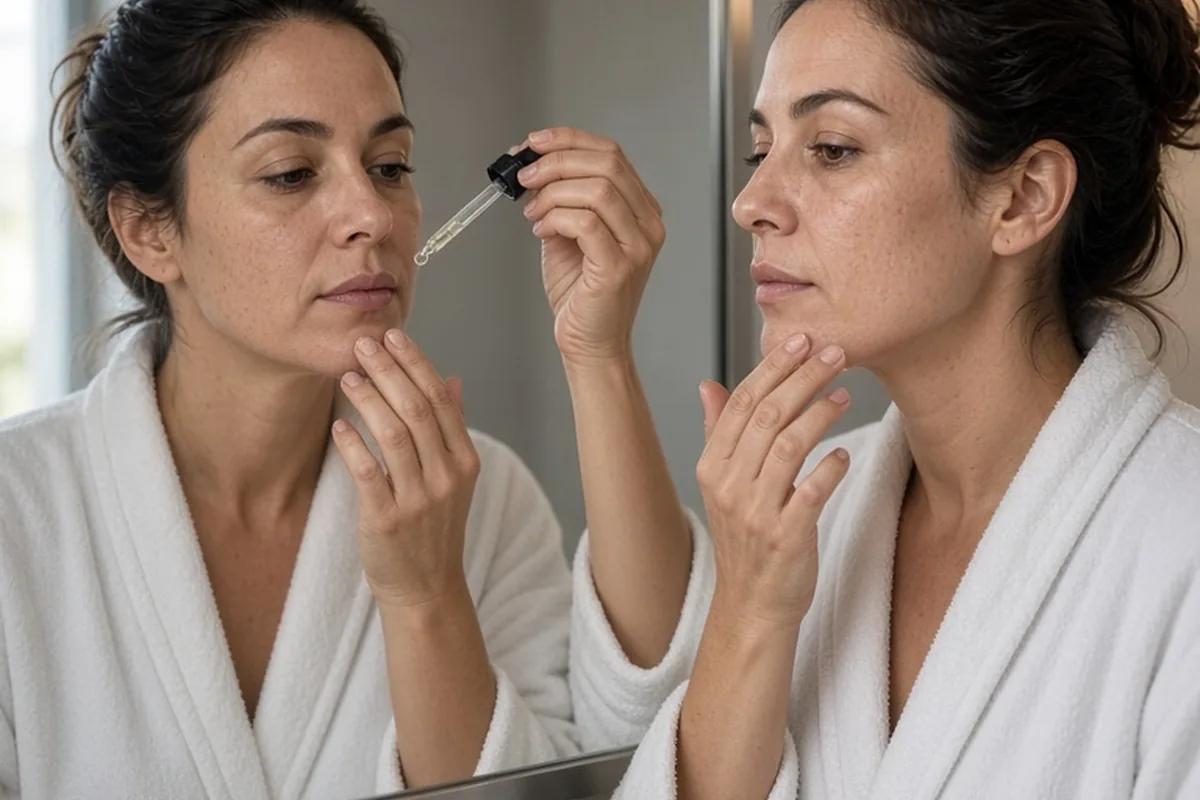
Most skincare products take between four and twelve weeks to produce noticeable, lasting changes. While hydrating moisturizers can relieve surface dryness immediately, ingredients that alter cellular turnover, fade dark spots, or clear clogged pores require several skin cell cycles. Skin typically renews itself roughly every month, meaning meaningful improvements in texture, acne, and tone demand consistent daily application over multiple months.
Starting a new skincare routine often brings impatience, especially when marketing claims promise overnight transformations. Understanding the biological timing of your skin helps you distinguish between normal adjustment periods, ineffective formulas, and genuine progress.
Immediate Versus Cumulative Skincare Effects
Skincare products operate on very different schedules depending on whether they work on the surface of your skin or alter deeper physiological processes. Surface-level products like gentle cleansers, glycerin toners, and occlusive moisturizers deliver instant feedback. When you apply a rich cream to parched cheeks, the feeling of tightness eases within seconds because the formulation physically coats the outer layer and traps moisture. Similarly, an oil-absorbing clay mask or a gentle hydrating mist alters the skin finish right away by reducing surface shine or boosting plumping hydration.
In contrast, true structural changes to your complexion cannot happen in an afternoon. Formulations designed to boost collagen synthesis, regulate sebum production, or dissolve compacted dead cells inside hair follicles require cumulative application. If you expect a brightening serum or clarifying treatment to erase discoloration or banish acne overnight, you will likely assume the product failed when it simply has not had sufficient time to interact with emerging skin layers. Recognizing this distinction prevents you from abandoning effective products prematurely.
How the Natural Skin Renewal Cycle Dictates Results
The primary biological constraint on skincare speed is the epidermal turnover rate. Your skin naturally produces fresh cells at the base of the epidermis, which slowly migrate upward toward the surface before shedding away as dead cells. In younger adults, this cycle takes roughly twenty-eight days, while in older adults or compromised skin, turnover can stretch to forty-five days or longer. Because deep-seated issues like sun damage, congestion, and uneven texture reside across multiple cell layers, your skin must cycle through several regeneration phases before you see visible changes.
Consider hyperpigmentation left behind by an old blemish. The excess pigment sits across multiple microscopic layers of tissue. Even when an active ingredient successfully downregulates pigment production at the source, the pigmented cells already formed must travel to the surface and slough away naturally. Trying to force this process faster by scrubbing aggressively or doubling your acid concentration usually backfires, creating barrier damage that triggers fresh inflammation and fresh discoloration.
Expected Timelines for Common Active Ingredients
Different active ingredients follow distinct trajectories based on how they alter skin behavior. Topical retinoids such as retinol and retinaldehyde alter cellular communication, encouraging faster cellular turnover and collagen support. Most people notice initial changes in skin texture around week four, but meaningful reductions in fine lines and persistent breakouts rarely materialize before week eight to twelve. In the first few weeks, retinoids can even make skin look slightly dull or flaky as older cells detach more rapidly.
Chemical exfoliants like salicylic acid (a beta hydroxy acid) and glycolic or lactic acid (alpha hydroxy acids) work somewhat faster. Salicylic acid cuts through oil within pores and can reduce redness and swelling within days, though resolving persistent blackheads and recurring pimples typically requires six to eight weeks of regular application. Antioxidants such as vitamin C help protect against daily oxidative stress immediately, but their visible brightening effects on stubborn sun spots usually require two to three months of continuous morning use. Niacinamide often provides oil-balancing and calming benefits around the four-week mark.
Distinguishing Between Skin Purging and Product Breakouts
One of the biggest hurdles when starting active treatments is knowing whether a sudden flare-up represents temporary purging or an adverse reaction. Purging occurs when an ingredient that accelerates cell turnover, such as a retinoid, glycolic acid, or salicylic acid, brings microcomedones that were already forming under the surface up faster than usual. These spots tend to appear in areas where you routinely experience congestion, develop quickly, and resolve faster than your typical inflammatory pimples. Purging generally subsides within four to six weeks as the skin clears out backlog debris.
By contrast, a true breakout or contact irritation happens when an ingredient clogs your pores or sensitizes your barrier. If you develop red bumps, burning, itching, or breakouts in areas where you rarely get pimples, or if the product does not contain cell-turnover actives (like a heavy face oil or thick sunscreen), your skin is rejecting the formulation. Pushing through severe stinging or spreading irritation in the false hope that it is a healthy purge can lead to long-term barrier degradation, requiring weeks of plain moisturizers to repair.
Timelines for Specific Skin Concerns
The specific condition you want to improve dramatically influences your timeline. Barrier damage, characterized by tight, stinging skin that reacts to basic water or simple lotions, can often be calmed within one to two weeks by cutting out all active ingredients and focusing exclusively on gentle hydration and ceramide-rich creams. Mild dehydration similarly responds quickly, showing improved bounce and less flaking after just several days of consistent humectant and moisturizer use.
Chronic conditions like stubborn adult acne, deep melasma, and fine lines demand far more endurance. Mild inflammatory acne usually starts yielding around the six-week mark, but moderate to severe acne often takes twelve to sixteen weeks of steady treatment to reach stable clearance. Melasma and hormonal pigmentation can require three to six months of meticulous daily broad-spectrum sun protection alongside brightening actives before showing subtle fading. Expecting an identical timeline across every skin concern leads to needless disappointment.
Why Inconsistency and Product Overload Stall Progress
A common trap in skincare is switching products too quickly. When people do not see a dramatic difference within ten days, they frequently swap their routine for a newly trending serum, introducing an entirely different set of active compounds. This rapid rotation keeps the skin in a perpetual state of mild shock. Without giving any single active ingredient the full eight to twelve weeks it needs to work through multiple epidermal cycles, it is impossible to know what actually benefits your skin.
Overloading your routine with too many competing actives at once creates a related problem. Layering strong exfoliating acids with high-percentage vitamin C and nightly retinoids overwhelms the protective acid mantle. When the barrier becomes inflamed, the skin becomes more susceptible to bacterial invasion, moisture loss, and reactive breakouts, effectively reversing whatever positive results individual ingredients might have provided. A stripped-down routine applied consistently for three months almost always yields clearer outcomes than a twelve-step regimen changed every two weeks.
How to Objectively Track and Evaluate Your Progress
Because changes in your skin occur gradually on a microscopic level, your day-to-day mirror reflections can deceive you. Looking at your face every morning makes incremental progress nearly invisible, leading to the false impression that your products are not working. To evaluate your routine accurately, establish a simple baseline tracking habit rather than relying on daily impressions.
A reliable evaluation strategy involves several concrete practices:
- Take unfiltered photos in the exact same spot and lighting once every four weeks to compare real texture and tone shifts.
- Introduce only one new targeted product at a time, keeping all other baseline steps stable for at least one month.
- Maintain a brief note on your phone noting product start dates, noticeable purging periods, or sensations of irritation.
- Evaluate overall comfort first; if a routine reduces tightness and redness, cellular improvements usually follow naturally.
Illustrative Scenarios
Adjusting Expectations for Persistent Breakouts
An illustrative composite case involves an individual dealing with persistent jawline congestion who frequently swapped acne cleansers every two weeks whenever new spots appeared. After learning about natural epidermal renewal, they simplified their regimen to a basic cleanser, a lightweight moisturizer, and a targeted two percent salicylic acid serum used every other evening. During the first three weeks, their jawline experienced a temporary flare-up of small whiteheads in familiar trouble spots. Instead of discarding the serum, they kept the routine steady and took standardized photos every thirty days. By week eight, the initial flare-up had fully cleared, and by week twelve, new inflammatory bumps had noticeably decreased.
Key point: Committing to a single active ingredient across full skin cycles reveals true efficacy that rapid product hopping obscures.
Frequently asked questions
Can any skincare product actually work in a few days?
Surface hydrating serums, soothing balms, and gentle physical or mild chemical exfoliators can visibly soften texture and calm redness within a few days. However, changes involving deep pore clearance, collagen stimulation, or dark spot fading require several weeks to months due to the natural rate of skin cell turnover.
How do I know if my skincare is not working after two months?
If you have used a product consistently for eight full weeks with no subtle improvement in your primary concern, or if your skin experiences persistent redness and stinging, the formulation may not suit your needs. At that stage, you can reasonably transition to an alternative active ingredient or seek professional guidance.
Does skin purging happen with every new product?
No, true purging only happens with ingredients that speed up skin cell turnover, such as retinoids, salicylic acid, and glycolic acid. Basic cleansers, hydrating toners, sunscreens, and rich moisturizers should never cause a purge; breakouts from those products indicate pore-clogging or barrier irritation.
Will applying a product twice a day make it work twice as fast?
Increasing application frequency beyond product instructions does not speed up your skin's biological renewal rate. In fact, overusing potent actives frequently strips the moisture barrier, triggering irritation and inflammation that slows visible progress.
Your next step
Choose one specific skin concern, introduce a single targeted active ingredient into your routine alongside a basic cleanser, moisturizer, and sunscreen, and commit to using it consistently for eight full weeks before deciding whether to keep it.