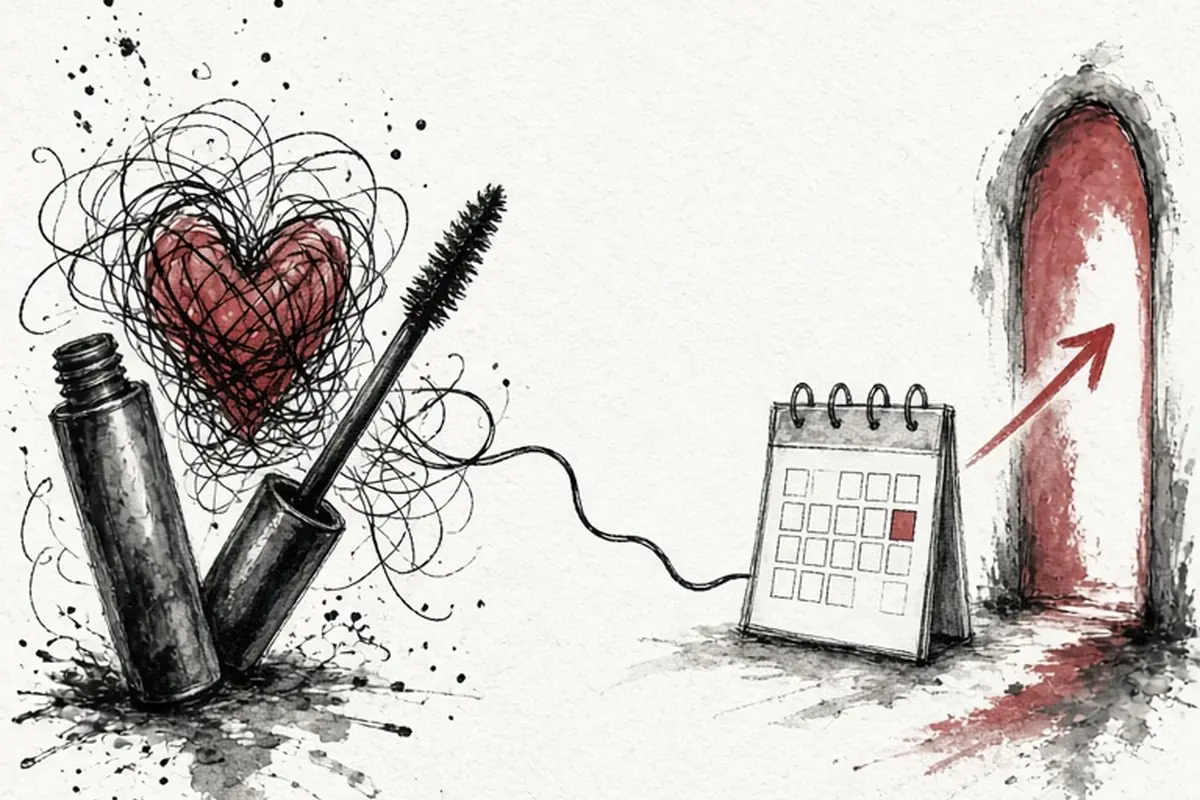
You should replace your mascara every three to six months after opening, with three months being the safest guideline for everyday use. Mascara tubes harbor bacteria easily because the wand repeatedly transfers eye flora into a dark, moist container. If you notice clumping, a sour or chemical smell, flaking, or if you have had an eye infection, discard the tube immediately regardless of how recently you opened it.
Mascara is a staple in beauty routines around the world, yet it carries one of the shortest recommended lifespans of any cosmetic product. Keeping a tube long past its prime is an easy habit to fall into, but knowing when to toss it protects your lash appearance, formula performance, and delicate ocular comfort.
Why the Three-Month Timeline Matters for Eye Health
The primary reason beauty professionals and dermatological guidelines emphasize replacing mascara every three months comes down to microbiology. Every time you pull the applicator wand out of the tube and sweep it across your lashes, it collects microscopic skin cells, natural oils, dust particles, and naturally occurring bacteria from your eyelids. When you slide the wand back inside, those elements enter an airtight, liquid, and dark environment that provides ideal breeding conditions for microbial growth.
Cosmetic manufacturers formulate mascaras with antimicrobial preservatives to slow bacterial proliferation, but these ingredients have a finite active window. Repeated exposure to oxygen causes preservatives to degrade gradually over twelve to sixteen weeks. Once the chemical balance begins to shift, the formula loses its ability to neutralize introduced microorganisms effectively, increasing the likelihood of eye irritation.
While it can feel wasteful to discard a tube that still contains visible product, treating mascara as a perishable good is the safest approach. Even luxury formulations with premium ingredients are subject to the same biological dynamics as drugstore staples, meaning price point does not extend safe usage duration.
Telltale Signs Your Mascara Needs Early Replacement
You do not always have to wait for the three-month mark to retire a tube. Changes in sensory characteristics are clear indicators that the chemical integrity of the mascara has deteriorated. The most reliable early warning sign is an altered scent. Fresh mascara generally carries a faint, neutral wax scent or no noticeable aroma at all. When preservatives spoil, the formula often develops a sharp chemical odor, a vinegar-like tang, or a distinct smell reminiscent of old petroleum jelly or children's modeling clay.
Texture shifts also signal that the emulsion is destabilizing. If your mascara begins forming thick, dry clumps on the wand or leaves powdery flakes across your cheeks within an hour of application, the liquid solvents have likely evaporated. Forcing a dried-out formula onto delicate lashes causes tugging, uneven coverage, and increased chances of fallout landing directly on your cornea.
Another warning sign is visual separation. If you notice oily residue pooling near the neck of the tube or uneven pigmentation where black or brown pigments separate into grayish streaks, the stabilizers have broken down. In all these cases, replacing the product immediately is far better than attempting to work with a compromised formula.
Daily Application Habits That Accelerate Expiration
The way you handle your mascara tube daily directly influences how quickly it dries out and gathers airborne contaminants. The most common habit that reduces product longevity is pumping the wand vigorously in and out of the barrel to load product. This pumping motion acts like a manual piston, forcing ambient air deep into the base of the container. That trapped oxygen dries out the solvents and accelerates the oxidation of the formula.
A superior technique is gently swirling the wand along the interior walls of the tube before pulling it out in a single smooth motion. This method coats the bristles evenly without introducing unnecessary air pockets. Additionally, wiping excess product on a clean tissue rather than scraping it against the rim of the tube prevents crusty buildup around the threading, which otherwise breaks the airtight seal when closed.
Storage location also plays a significant role in formula degradation. Keeping your makeup bag on a bathroom counter near a steamy shower exposes products to constant humidity fluctuations and elevated temperatures. Storing your cosmetics in a cool, dry vanity drawer or bedroom cabinet helps maintain the chemical balance of the waxes and preservatives for their full intended lifespan.
Comparing Formulas: Waterproof, Clean, and Tubing Mascaras
Different mascara formulas possess distinct chemical makeups that alter their stability over time. Waterproof mascaras rely heavily on volatile isododecane solvents and hydrophobic waxes to repel moisture. While these ingredients create a long-lasting barrier against water and sweat, the solvents evaporate rapidly when exposed to air. As a result, waterproof mascaras tend to turn thick and brittle noticeably faster than water-based traditional formulas.
Clean, organic, and preservative-free mascaras require even closer monitoring. Products that omit synthetic parabens and phenoxyethanol in favor of mild plant-derived preservation systems typically have shorter functional lifespans. If you prefer natural beauty formulations, adhering strictly to a two-to-three-month replacement cycle is prudent, as these tubes offer less defense against microbial proliferation once unsealed.
Tubing mascaras utilize polymer technology that wraps individual lashes in flexible film tubes rather than coating them with traditional wax emulsions. These formulas often maintain their liquid consistency slightly better over time because the polymers resist drying out in the barrel. Nevertheless, the risk of biological contamination remains identical, meaning tubing mascaras still require quarterly disposal regardless of how smooth the liquid feels.
Risks of Using Expired Mascara and When to Discard Promptly
Continuing to apply expired mascara exposes the delicate structures of your eye to preventable complications. The most immediate risk is contact dermatitis or conjunctivitis, commonly known as pink eye. When contaminated bristles sweep along the lash line, bacteria can easily transfer to the tear film and conjunctival membranes, causing redness, swelling, burning, and excessive tearing.
Contact lens wearers face heightened vulnerability because dried mascara particles that flake into the eye can become trapped beneath the lens surface, leading to corneal abrasions or inflammatory responses. Furthermore, dry, brittle mascara formulas can adhere too firmly to natural eyelashes, increasing mechanical tension during removal and causing premature lash breakage or thinning along the eyelid margin.
There are specific instances where you must discard a mascara immediately, even if you opened it just a week prior. If you develop any form of eye infection, a stye, or a sudden bout of unexplained irritation, throw the tube and wand away right away. Using the product again after your symptoms clear will simply reintroduce the pathogen to your eyes, creating a frustrating cycle of reinfection.
Smart Strategies for Budget-Conscious and Low-Waste Beauty
Replacing a cosmetic product four times a year can seem costly, particularly if you prefer high-end prestige brands. A practical approach is purchasing travel-sized or miniature mascaras rather than full-sized tubes. Travel sizes typically contain between four and six weeks of daily product, allowing you to use most of the formula before it spoils, often at half the price of a standard container.
Another cost-effective tactic is shifting your investment strategy. Many makeup wearers choose to invest in long-lasting products like foundations, eyeshadow palettes, and blush compacts while selecting reliable, ophthalmologist-tested drugstore mascaras for daily wear. This ensures that replacing your tube every ninety days remains a modest, low-stress expense.
To reduce environmental waste, clean and repurpose the applicator wand before discarding the plastic tube. Thoroughly washing the spoolie with dish soap and warm water creates a reusable grooming tool for styling eyebrows, applying lash conditioner oils, taming hairline flyaways, or even donating clean wands to wildlife rescue organizations that use micro-spoolies to groom small animals.
Simple Systems to Track Opening Dates Without Hassle
Because life gets busy, remembering the exact date you cracked open a cosmetic seal is rarely easy. Developing a simple labeling habit removes the guesswork entirely. The most straightforward method is using a fine-point permanent marker or a small piece of masking tape to write the month and day directly onto the bottom or side of the tube as soon as you break the safety wrap.
Another effective routine is aligning your mascara replacements with recurring calendar milestones. Swapping your mascara at the start of each new season—spring, summer, fall, and winter—provides a predictable quarterly cadence that requires no tracking apps or reminders. Whenever the season turns, it is time to open a fresh tube.
Finally, pairing your mascara replacement with other routine personal care habits helps cement the behavior. For instance, if you change your electric toothbrush head or water filter on a set quarterly schedule, make opening a fresh mascara part of that same maintenance weekend. This systematic approach ensures your cosmetics stay hygienic and your lash routine consistently delivers clean, clump-free results.
Frequently asked questions
Can I add contact lens solution or water to revive dry mascara?
You should avoid adding water, saliva, or contact solution to a drying mascara tube. Introducing unsterile liquids dilutes the preservative system and creates an environment where bacteria can rapidly multiply. If the formula has dried out, it is an indication that the product has reached the end of its functional life.
How long does an unopened tube of mascara stay fresh?
An unopened, properly sealed tube of mascara generally remains stable for two to three years when stored in a cool, dry place away from direct sunlight. Once the factory seal is broken and air enters the container, the shelf life drops to the standard three-to-six-month window.
Does natural or organic mascara expire faster than conventional formulas?
Yes, natural and organic mascaras often expire faster because they rely on gentler, plant-based preservation systems instead of conventional synthetic preservatives. Users of clean formulas should inspect their mascara frequently and aim to replace it closer to the eight-to-ten-week mark.
Should I throw away my mascara after having a stye or conjunctivitis?
Yes, you should immediately discard any mascara used right before or during an active eye infection or stye. The bacteria responsible for the infection can linger on the wand and inside the tube, posing a significant risk of reinfecting your eye if reused.
Your next step
Take a fine-point permanent marker, write today's date on the base of your current mascara tube, and set a recurring calendar reminder for three months from now so you always know when it is time for a fresh replacement.