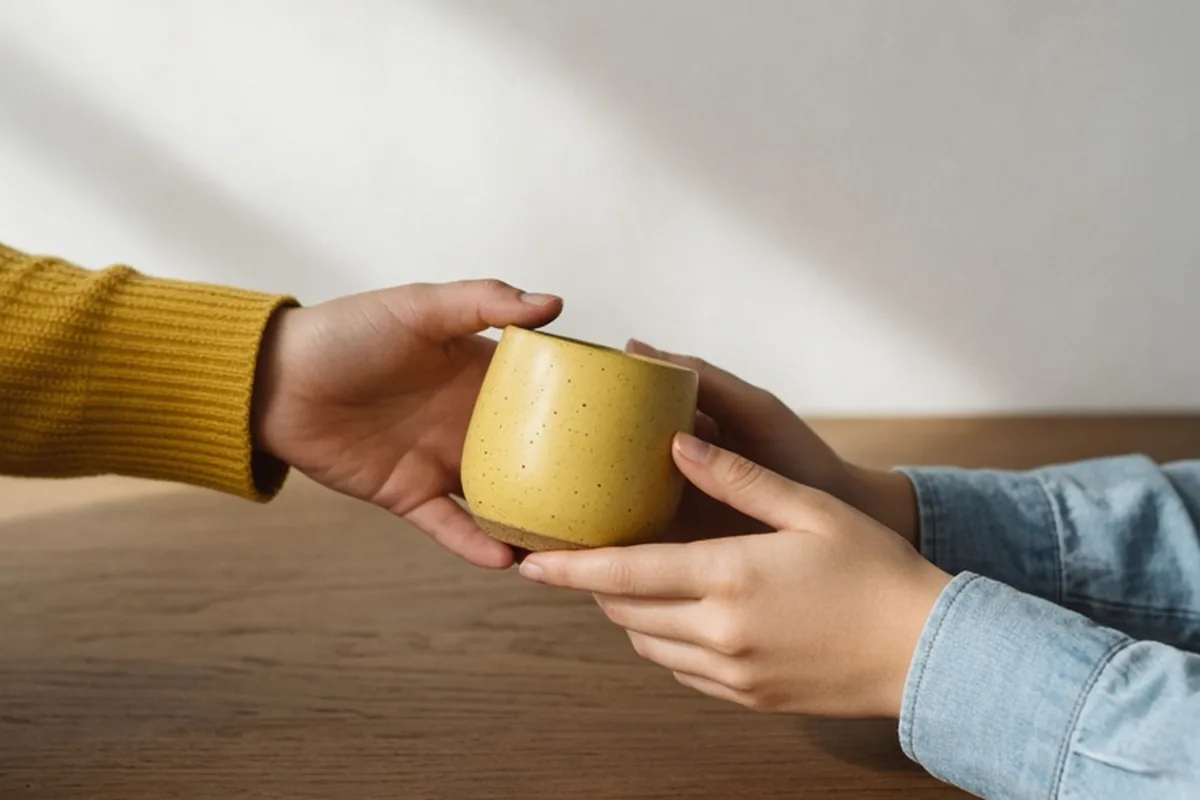
Becoming a better girlfriend means cultivating active listening, expressing appreciation directly, and communicating your needs with clarity rather than expecting mind reading. It involves supporting your partner's individuality, maintaining your own boundaries and interests, and handling disagreements with emotional maturity. By prioritizing mutual respect, consistent emotional presence, and genuine curiosity about your partner, you create a secure, fulfilling relationship where both people thrive.
Strong partnerships do not rely on grand romantic gestures or effortless perfection. Instead, lasting closeness grows out of the small, daily choices you make to show up with honesty, patience, and self-awareness.
Communicate Clearly Instead of Expecting Mind Reading
One of the most common pitfalls in long-term relationships is assuming that love automatically grants intuitive understanding. When you expect your partner to guess why you are upset, what you want for dinner, or how you need comfort, you set both of you up for frustration. Unspoken expectations often manifest as passive-aggressive sighs, subtle withdrawal, or sudden outbursts over minor inconveniences. Recognizing that clarity is an act of kindness allows you to bridge misunderstandings before resentment begins to build.
To practice direct communication, state your thoughts and feelings openly using simple, non-accusatory language. For instance, instead of saying you are fine while waiting for your partner to notice your distress, say that you had a draining day and would appreciate twenty minutes of quiet conversation or a hug. The trade-off is vulnerability: sharing your actual needs means acknowledging what you care about without the protective shield of emotional distance. Embracing that vulnerability invites your partner to meet you halfway with confidence.
Practice Active Listening and Validate Emotional Experiences
Listening involves far more than remaining quiet until it is your turn to speak. Active listening means focusing your attention entirely on your partner's perspective, observing their tone and emotional state, and seeking to understand their underlying concerns. When partners feel dismissed or rushed during conversations, they often shut down or escalate their emotions to be heard. Validating your partner's feelings does not require you to agree with every detail of their viewpoint; it simply demonstrates that their emotions matter to you.
A practical way to demonstrate this is by reflecting back what you hear before jumping in with opinions or solutions. If your partner expresses anxiety about a workplace conflict, respond with an acknowledgment such as recognizing how stressful that situation sounds, rather than immediately telling them what steps they should take. Be mindful of the boundary between supportive validation and enabling destructive behaviors; healthy listening supports a person's emotional reality while leaving space for constructive problem-solving when both people are calm.
Show Consistent Appreciation for Everyday Efforts
Over time, familiarity can lead couples to take each other's contributions for granted. When routine favors, shared chores, or emotional support become invisible habits, one or both partners may feel undervalued. Regularly expressing sincere gratitude shifts the tone of your relationship from transactional scorekeeping to genuine appreciation. Noticing the small things your partner does fosters a positive atmosphere where generosity and kindness naturally multiply.
Move beyond generic pleasantries by identifying specific actions and the positive impact they have on your day. For example, instead of a brief thank-you, mention how much it meant that they handled the grocery shopping after a busy afternoon or made coffee before your morning meeting. It is important to avoid using appreciation as a bargaining chip or expecting immediate praise in return. Pure gratitude focuses on recognizing your partner's presence and effort for its own sake.
Maintain Your Independence and Encourage Their Autonomy
A fulfilling romantic bond is built between two distinct individuals rather than two halves merged into a single identity. When you devote your entire schedule and identity exclusively to a relationship, you risk developing codependency, suffocating personal growth, and creating unnecessary pressure. Preserving your own hobbies, friendships, career goals, and alone time enriches your life and brings fresh energy, perspective, and excitement back into your partnership.
Support your partner in pursuing their separate interests just as you prioritize your own. If they enjoy spending a weekend afternoon on a solitary hobby or catching up with their close friends, encourage that independence without taking it as a sign of emotional distance. The key balance is ensuring that autonomy does not slide into emotional neglect; healthy partners maintain dedicated quality time together while respecting each other's need for personal space and individual fulfillment.
Navigate Disagreements with Emotional Regulation and Constructive Repair
Conflict is an inevitable part of any committed relationship, but the way you handle disagreements determines whether they strengthen or erode your connection. Approaching an argument with the goal of winning usually guarantees that both people lose. Destructive habits such as name-calling, dredging up past mistakes, bringing up unrelated grievances, or giving the silent treatment create lasting emotional wounds that undermine basic safety and trust.
Focus on the immediate issue at hand and frame discussions around collaborative problem-solving. If a conversation becomes heated and your heart rate spikes, suggest taking a twenty-minute pause to cool down before resuming the discussion. After a disagreement settles, initiate repair by offering a sincere apology for your part in the misunderstanding or offering a gesture of warmth. A constructive repair shows that preserving the health of the relationship is far more important than protecting your ego.
Foster Mutual Physical and Emotional Intimacy
Intimacy is an evolving aspect of a relationship that encompasses deep intellectual conversations, emotional vulnerability, playful affection, and physical touch. Keeping intimacy vibrant requires conscious attention, especially when busy schedules or external stress threaten to push romance into the background. Regularly checking in about your partner's inner world, dreams, and worries keeps emotional pathways open and deepens mutual affection.
Physical affection outside the bedroom—such as holding hands, brief touches throughout the day, and warm greetings—builds a continuous foundation of security. When exploring romantic or sexual closeness, prioritize honest communication about desires, boundaries, and comfort levels in an atmosphere of total mutual consent. Respect that physical desires fluctuate depending on health, work pressure, and energy, and approach those changes with empathy rather than pressure or resentment.
Act as a Reliable Teammate During Challenging Times
When life brings professional setbacks, family emergencies, or health struggles, a strong partner provides a steady harbor. Being a reliable teammate means showing up with steady encouragement, practical assistance, and patience when your partner feels overwhelmed. Simply knowing that someone has your back provides tremendous resilience during stressful life transitions.
Offer practical support that directly eases their cognitive load, such as taking over a shared chore or running an essential errand, while checking in on how they are holding up emotionally. At the same time, recognize the limit between being a supportive partner and becoming their personal therapist or caretaker. You can offer compassion and a listening ear, but each adult remains responsible for managing their own mental health and professional responsibilities.
Illustrative Scenarios
Shifting from Silent Frustration to Clear Requests
Elena noticed herself growing irritated whenever her partner came home from a demanding shift and immediately sat on his phone for thirty minutes. She initially interpreted his silence as disinterest in her day and reacted by giving cold, one-word replies throughout dinner. Recognizing the growing tension, Elena chose a calmer moment to ask how he preferred to decompress after work while explaining that she valued a warm check-in before they retreated into personal time. They agreed on a quick five-minute hug and greeting followed by designated quiet downtime, replacing passive resentment with predictable connection.
Key point: Directly clarifying routines and needs prevents minor daily habits from turning into perceived rejection.
Handling a Disagreement Without Defensiveness
When Maya received feedback that she frequently interrupted her partner during serious planning conversations, her first instinct was to list all the times he had derailed discussions. Rather than escalating into scorekeeping, she paused, acknowledged her urge to defend herself, and asked him to give an example. Maya realized she tended to jump in out of anxiety rather than dismissiveness. She apologized for the habit and agreed on a gentle non-verbal signal he could use when she spoke over him, allowing them to finish difficult logistical plans without escalating into arguments.
Key point: Pausing defensive reflexes allows couples to solve communication barriers collaboratively instead of competing over who is right.
Frequently asked questions
How can I be a supportive girlfriend without losing my own identity?
Set aside regular time for your personal hobbies, friendships, and goals outside the relationship. Communicate openly about your need for personal space so your partner understands it reflects healthy self-care rather than emotional withdrawal.
What should I do if my partner struggles to communicate their feelings?
Create a low-pressure environment by asking gentle, open-ended questions and avoiding immediate judgment or problem-solving when they do share. Give them adequate time to process their thoughts rather than demanding instant emotional articulation.
How do I balance giving advice and simply offering comfort?
Ask directly whether your partner wants a listening ear or collaborative problem-solving before offering suggestions. This simple check-in prevents frustration and ensures you provide the exact kind of support they need in that moment.
Can improving my own behavior resolve ongoing relationship issues on its own?
Improving your communication and emotional habits can positively shift relationship dynamics, but lasting harmony requires mutual commitment. If your partner consistently refuses to reciprocate effort and respect, self-reflection must be paired with clear personal boundaries.
Your next step
Pick one specific habit from this guide—such as expressing daily appreciation or clarifying your needs directly—and practice it consistently over the next week to observe how it strengthens your daily dynamic.