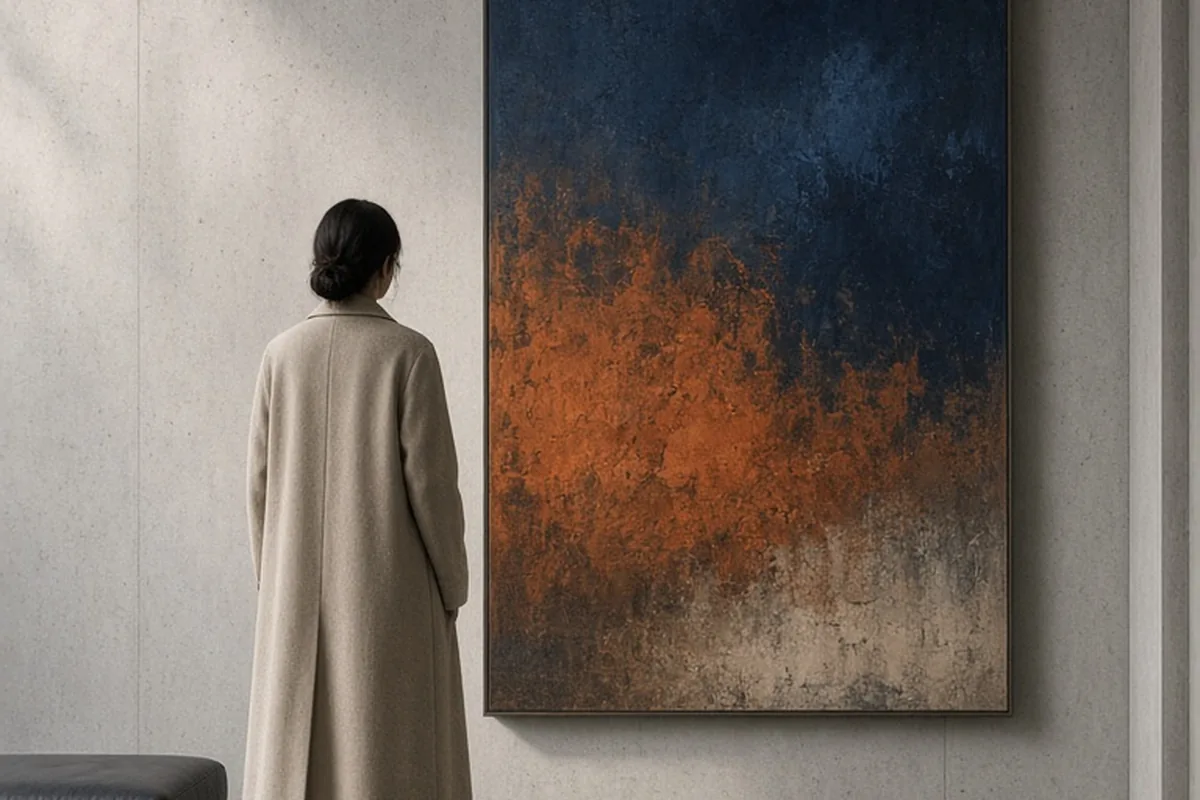
To be graceful and elegant, focus on deliberate physical poise, composed communication, and emotional self-regulation rather than superficial perfection. Move with balanced posture, listen attentively without interrupting, and respond thoughtfully instead of reacting impulsively to tension. Elegance comes from showing respect for yourself and others through tidy presentation, understated confidence, and calm boundaries, creating an approachable presence that stays steady under pressure.
True elegance is often misunderstood as rigid etiquette or expensive luxury, but it is fundamentally a daily practice of composure, intentional movement, and quiet self-assurance.
Developing Physical Poise and Mindful Movement
Physical grace begins with mindful posture and balanced body alignment. When your posture is upright yet relaxed, you naturally project self-assurance and stability. Lengthen your spine, soften your shoulders away from your ears, and keep your chin level with the horizon. Avoid dragging your feet, slouching over devices, or collapsing into seating. Graceful motion does not require an exaggerated or theatrical walk; instead, it is defined by an even, unhurried gait that carries your weight smoothly from heel to toe. When you walk into a room with your gaze forward rather than fixed on the floor or your smartphone, your presence immediately feels grounded and welcoming.
Mindful movement also extends to how you handle everyday objects and physical transitions. Rushing through daily tasks often leads to clumsy mishaps, such as banging doors, dropping keys, or spilling drinks. By slowing down your physical tempo by even ten percent, you give yourself the physical control needed to set items down quietly, open doors smoothly, and turn pages or use utensils without excess noise. A key limit to recognize is that physical grace should never look stiff or painful; forcing an artificial posture causes physical fatigue and makes you appear unapproachable, so prioritize natural comfort and relaxed breathing over rigid formality.
Mastering the Art of Measured Communication
How you speak and listen serves as one of the clearest expressions of personal elegance. A refined communicator speaks with a calm, moderate volume and an articulated cadence, resisting the urge to fill every quiet moment with nervous chatter, slang, or filler words. Listening is an active discipline rather than a passive wait for your turn to talk. When you give another person your undivided visual and cognitive attention, you validate their perspective and establish an atmosphere of mutual dignity. Pausing for a second before replying signals that you are considering what was said rather than reacting on autopilot.
Elegance also involves steering conversations away from petty complaints, invasive questions, and destructive gossip. If a conversation shifts toward tearing down an absent acquaintance or complaining endlessly about trivial inconveniences, an elegant individual neither participates eagerly nor delivers a self-righteous lecture. Instead, use a smooth verbal bridge to redirect the topic to neutral or positive ground. For instance, you might say, that sounds like a complicated situation, though I hope they find a workable solution soon, before introducing a fresh, constructive topic. This boundary keeps your integrity intact while maintaining social harmony.
Cultivating Emotional Composure Under Pressure
Grace is tested most clearly during moments of frustration, unexpected conflict, or social awkwardness. When an interaction becomes tense, the brain often defaults to a fight-or-flight reaction, prompting defensive arguments, raised voices, or passive withdrawal. Cultivating emotional elegance means widening the gap between a frustrating trigger and your chosen response. Taking a single slow breath before reacting allows your rational mind to take charge, helping you remember that another person's volatility is usually a reflection of their personal stress rather than a commentary on your worth.
Maintaining composure does not mean suppressing your feelings, tolerating disrespect, or pretending problems do not exist. Rather, it is the ability to address difficult realities with calm firmness instead of dramatic hostility. If a coworker or acquaintance speaks to you in a dismissive tone, reacting with equal hostility only lowers the standard of the interaction. A measured response, such as addressing the issue directly with a steady voice by saying let us focus on resolving the issue together without personal remarks, asserts your boundaries while keeping the encounter dignified and focused on constructive solutions.
Curating a Timeless, Purposeful Personal Style
Personal presentation is a tangible reflection of self-respect, yet true style has little to do with luxury designer labels or fleeting fashion trends. Elegance in attire is rooted in cleanliness, proper tailoring, and dressing appropriately for the setting. Clothes that fit your body properly and allow you to move freely without constant tugging or adjusting will instantly elevate your appearance. Building a versatile wardrobe centered around classic cuts, balanced proportions, and cohesive color palettes makes dressing effortless and ensures that your outward look complements your inner composure.
Attention to personal grooming and garment care provides the finishing touches of an elegant lifestyle. Well-maintained shoes, neatly pressed fabrics, clean nails, and subtle scents contribute to a polished visual presentation that feels intentional rather than neglected. A practical trade-off to consider is fashion versus functionality: wearing uncomfortable shoes or overly restrictive clothing that forces you to limp or fidget undermines physical grace entirely. Choose pieces that combine aesthetic appeal with structural comfort so your wardrobe supports your ease of movement throughout the day.
Navigating Social Dynamics and Setting Courteous Boundaries
Navigating social settings with grace requires balancing genuine warmth with unmistakable personal boundaries. Some people mistakenly believe that being polite means agreeing to every request and constantly pleasing others, but chronic self-sacrifice often breeds hidden resentment and emotional fatigue. An elegant individual understands their capacity and communicates limits with clarity and brevity. When declining an invitation or a task you cannot accommodate, offer a direct and pleasant refusal without fabricated excuses or excessive apologies, such as thank you for the invitation, but I am unable to attend this time.
In group environments, graceful behavior involves fostering inclusion and putting others at ease. Pay attention to people who seem isolated or hesitant to speak, and draw them into the conversation with open-ended, low-pressure questions. Express genuine appreciation to service staff, event hosts, and colleagues for their contributions, treating everyone with equal respect regardless of their social or professional hierarchy. Elevating the comfort of those around you creates an environment of trust and mutual respect, which is the cornerstone of true social grace.
Extending Grace to Yourself and Handling Missteps
No matter how much effort you invest into cultivating composure, there will inevitably be moments when you trip over your words, drop an item, or make an awkward social error. How you handle these small blunders reveals far more about your elegance than never making a mistake at all. Perfectionism often tempts people to spiral into intense self-criticism, over-apologize, or attempt clumsy cover-ups, which only draws out the uncomfortable moment. Instead, accept the mistake with good humor, correct what can be resolved quickly, and move on smoothly.
When an error directly impacts someone else, offer a prompt, sincere, and uncomplicated apology rather than launching into defensive justifications. Saying I apologize for arriving late, thank you for waiting, demonstrates accountability and respect for the other person's time without creating an uncomfortable scene. By treating your own human flaws with patience and self-compassion, you model resilience and make it easier for those around you to feel relaxed and authentic in your presence.
Illustrative Scenarios
Navigating a Heated Work Disagreement
During a project review, a team lead sharply questioned Marcus's data analysis in front of the department. Marcus felt an initial surge of defensiveness and wanted to snap back by pointing out the lead's previous planning oversights. Recognizing that escalating the argument would derail the meeting and damage his professional credibility, Marcus took a quiet breath, kept his posture relaxed, and replied with an even tone: I understand your concern about these projections; let us walk through the source data together right after this summary. The meeting stayed focused, and the issue was resolved productively afterward.
Key point: Pausing before reacting allows you to handle sharp criticism with dignity, keeping discussions focused on constructive solutions rather than personal friction.
Handling a Last-Minute Social Cancellation
Elena arrived at a cafe for a planned dinner with a friend, only to receive a text message announcing that the friend was canceling due to mild fatigue. Elena's first instinct was to send an irritated reply detailing how much effort she had made to clear her schedule and arrive on time. Instead of reacting out of momentary frustration, she acknowledged her disappointment, took a breath, and sent a calm response: I understand, get some rest and let me know when your schedule opens up. Elena then enjoyed a quiet dinner reading a book, protecting her evening peace.
Key point: Responding to letdowns with courteous clarity prevents needless drama while protecting your own emotional well-being and self-respect.
Frequently asked questions
What is the primary difference between being elegant and being pretentious?
Elegance focuses on simplicity, quiet self-assurance, and making other people feel valued and comfortable. Pretentiousness relies on ostentatious displays, namedropping, and artificial formalities in an effort to impress others or assert social superiority.
Can you learn to be graceful if you are naturally anxious or clumsy?
Yes, grace is a set of deliberate physical and behavioral habits rather than an inborn personality trait. By slowing down your movements, practicing steady posture, and pausing before speaking, you can build calm poise over time through consistent practice.
How do you maintain elegance when someone is being openly rude to you?
The most effective way to remain elegant during rude behavior is to maintain a neutral facial expression and a steady, lowered vocal tone. State your boundary concisely without trading insults, or calmly disengage from the conversation entirely if the person refuses to show basic respect.
Your next step
Choose one routine interaction today—such as answering an email, entering a meeting, or ordering a coffee—and practice moving ten percent slower while taking one full, deliberate breath before you speak.