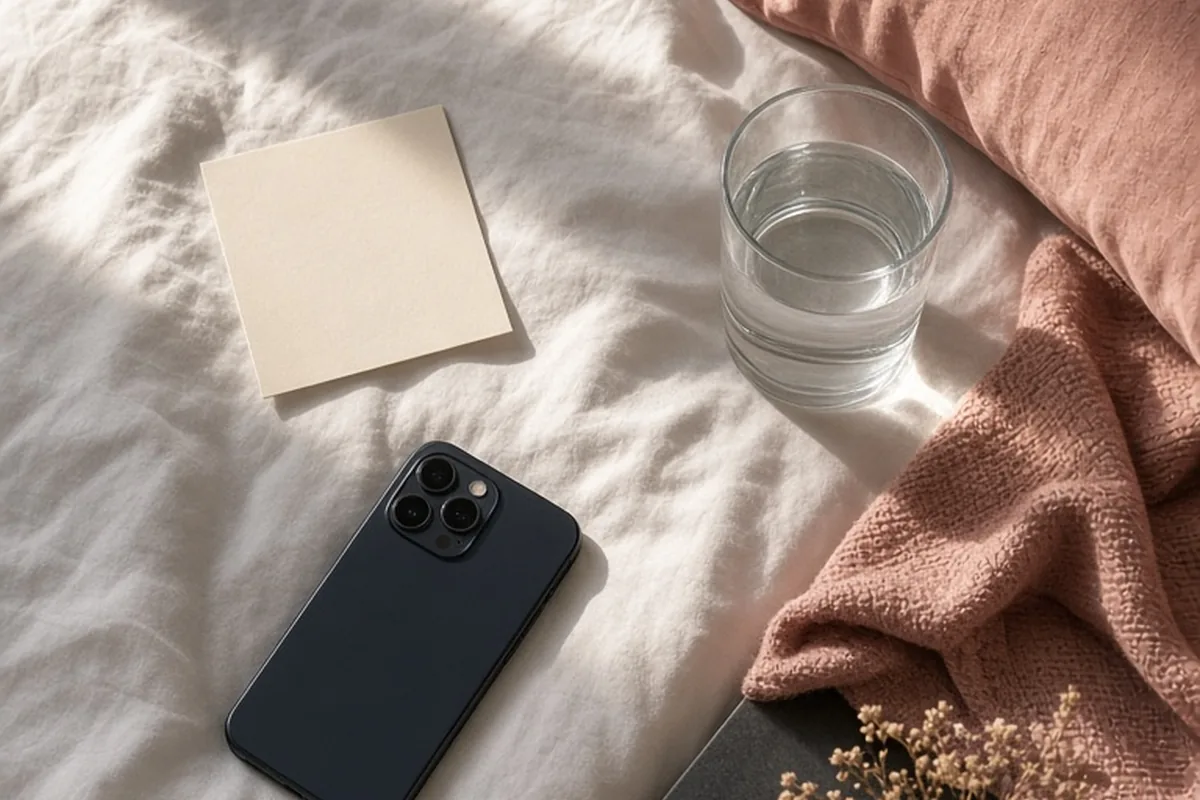
To be more romantic, focus on deliberate attention rather than grand, theatrical displays. Notice what genuinely comforts, excites, or relieves your partner, and act on those observations without waiting for an anniversary or prompt. Romance grows through small, consistent gestures—like leaving an encouraging note, planning an intentional date tailored to their tastes, listening without distraction, and verbally expressing sincere appreciation for who they are every day.
Many people assume romance requires expensive dinners, dramatic speeches, or elaborate surprises found in movies. In reality, long-term partners usually value feeling seen, chosen, and considered far more than scripted performance. Becoming more romantic is an ongoing practice centered on everyday attentiveness, low-pressure warmth, and deliberate emotional generosity.
Redefining Romance Beyond Hollywood Gestures
A primary obstacle to romance is the belief that it must be cinematic to count. When romance is defined solely as weekend getaways, three-course meals, or dozens of roses, it becomes an exhausting chore reserved for birthdays or crisis repair. True romantic momentum operates on a quieter baseline. It is the steady signal that you find your partner interesting, attractive, and worth intentional effort during an ordinary Tuesday afternoon.
When you strip away commercial expectations, romance is simply emotional attunement made visible. It involves identifying moments where your partner feels unseen or overburdened and introducing a touch of lightness, affection, or beauty. For instance, bringing your partner a cup of tea made precisely the way they like it while they are caught in a difficult work sprint communicates deep care. The limitation here is that gestures cannot replace unresolved fundamental conflicts; a thoughtful coffee run cannot fix deep-seated communication breakdowns, but it establishes the goodwill necessary to address them constructively.
Developing the Muscle of Micro-Attentiveness
Romance begins with observation. Most people drop subtle clues every day regarding what delights, stresses, or comforts them. Becoming more romantic requires training yourself to catch these passing remarks and filing them away for future action. If your partner mentions that a particular bakery reminds them of their hometown or that their neck has been stiff from laptop work, those details are actionable blueprints for real connection.
Consider keeping a private, discreet digital note on your phone where you jot down your partner's offhand comments: authors they want to read, clothing items they admired in passing, favorite flowers, or snacks they miss from childhood. When an opportunity arises, you can reference this archive to surprise them with something deeply personalized rather than generic. The trade-off is that this demands genuine mental presence; you cannot be half-listening while scrolling social media and expect to register the nuances that turn everyday interactions into romantic touchpoints.
Taking Ownership of Quality Time and Date Design
A common complaint in relationships is the fatigue caused by decision-making, often referred to as mental load. When one person always has to pick the restaurant, plan the schedule, and organize logistics, date night feels like administrative work rather than romance. You can instantly elevate your romantic presence by initiating and executing plans from start to finish, removing the burden of planning from your partner entirely.
An intentional date does not have to be lavish to be effective. For example, instead of asking what they want to eat, you might say: 'I planned an evening for us this Thursday. Wear something comfortable; I handled dinner reservations and picked a quiet spot nearby for dessert afterward.' This shows leadership, consideration, and forethought. However, keep your partner's current energy levels in mind. Surprising an exhausted partner with an elaborate, high-energy public outing when they crave quiet rest can feel inconsiderate, so calibrate your planning to their actual bandwidth.
Offering Affirmation and Affection Without Demands
In many partnerships, physical touch and verbal compliments become conditional or transactional over time, only appearing when one partner wants physical intimacy. When affection always feels like a prelude to an advance, it can create tension or pressure. Romance flourishes when physical contact and warm words exist simply to celebrate your partner's presence, with zero strings attached.
Practice giving spontaneous, specific compliments that focus on character, humor, or specific efforts rather than just basic physical remarks. Saying, 'I loved watching how patient you were on that difficult phone call earlier,' or 'Your laugh made my entire morning,' lands with emotional weight. Pair this with casual physical warmth—a gentle hand on the lower back while passing in the kitchen, a long hug when arriving home, or holding hands while walking the dog. The boundary to maintain is emotional honesty: avoid forced flattery, as hollow praise feels patronizing rather than romantic.
Disrupting Routine with Thoughtful Novelty
Domestic routines provide comfort and stability, but excessive predictability can dull romantic spark. Familiarity often breeds a quiet complacency where couples coexist like friendly roommates. Reintroducing an element of healthy novelty helps partners view each other through a refreshed perspective, reminding both people of the excitement they shared during the earliest stages of dating.
Novelty does not require upending your life; subtle adjustments to your environment and habits can spark genuine connection. You might set up a picnic on the living room floor with records playing after a long week, drive out to an open field to watch the sunset without phones, or enroll together in a one-off pottery or cooking workshop. The potential downside is forcing novelty when one or both of you genuinely needs routine and stability. Check in periodically to ensure that spontaneous ideas feel like fun adventures rather than added chores.
Navigating Missteps and Mismatched Timing with Grace
Not every romantic gesture lands smoothly. You might plan a thoughtful dinner only for your partner to arrive home sick, overwhelmed by a work emergency, or emotionally depleted. When a romantic effort is met with distraction, fatigue, or neutral reactions, the unhelpful response is to become defensive, withdraw into sulking, or demand immediate gratitude for your effort.
True romantic maturity involves separating your gesture from your partner's immediate emotional state. If your partner cannot fully engage with a surprise, offer empathy instead of frustration by saying: 'It looks like you had an exhausting day. Let's put this aside for tomorrow night, relax on the couch, and focus on decompressing.' Handling mismatched timing with calm generosity reinforces psychological safety, showing your partner that your care is resilient rather than fragile and performative.
Illustrative Scenarios
Moving Past Cliché Gifts
Marcus felt his marriage was drifting into a routine roommate dynamic. For their anniversary, he spent heavily on a designer handbag he assumed was universally impressive. When his wife smiled politely but left the box untouched for weeks, Marcus felt unappreciated and resentful. After stepping back to evaluate her daily life, he realized she was perpetually stressed by evening chores and rarely had time to read her favorite historical novels. Marcus shifted his approach: he took full ownership of dinner and bedtime routines two nights a week and gifted her an independent bookstore voucher with an uninterrupted afternoon off. She felt profoundly seen, and the tension dissolved.
Key point: Romance is defined by what matters to the recipient, not the price tag or conventional appeal of the gesture.
De-escalating Receptivity Hurdles
Elena decided to surprise her partner, David, with tickets to an evening jazz performance in the middle of a busy workweek. When David arrived home visibly stressed and quiet, Elena's initial reaction was disappointment and irritation, feeling that her excitement was being ignored. Instead of reacting defensively or demanding enthusiasm, she paused and asked him about his afternoon. After David shared that a major project had fallen through, Elena offered to reschedule the outing so they could order takeout in silence. Appreciating her understanding, David felt supported rather than pressured, and they enjoyed the rescheduled concert that weekend with complete focus.
Key point: Flexibility and emotional attunement when plans face friction are far more romantic than rigid adherence to an agenda.
Frequently asked questions
How can I be more romantic if I am naturally quiet or introverted?
Introverted partners often excel at romance because it relies heavily on listening and thoughtful observation. Focus on quiet gestures such as handwritten notes, curating personalized music playlists, or preparing a calm sanctuary at home after a busy day. Sincerity and consistency always carry more emotional weight than outward extroversion or loud declarations.
What should I do if my partner does not seem to notice my romantic gestures?
Start by confirming whether your gestures match their natural preferences rather than your own assumptions. People feel loved in varied ways, whether through words, practical support, or shared focus. If misalignments persist, have a direct, non-accusatory conversation about what specific daily habits make each of you feel cherished.
Can you be romantic on a tight budget?
Yes, because romance fundamentally communicates that someone is in your thoughts. Simple actions like leaving a warm note on the bathroom mirror, waking up early to brew their coffee, or organizing a starlit walk cost nothing but show immense consideration. Thoughtful effort and intentionality are far more valuable than financial expenditure.
How often should I plan romantic gestures in an ongoing relationship?
Aim to integrate small, low-effort gestures into your daily interactions through warm greetings, physical touch, and verbal appreciation. For dedicated dates or larger surprises, aim for a predictable rhythm that fits your work schedules, such as once every week or two. Consistency creates security without causing burnout.
Your next step
Pick one specific detail your partner mentioned this week, whether a task they dread or a treat they enjoy, and address it today without asking for anything in return.