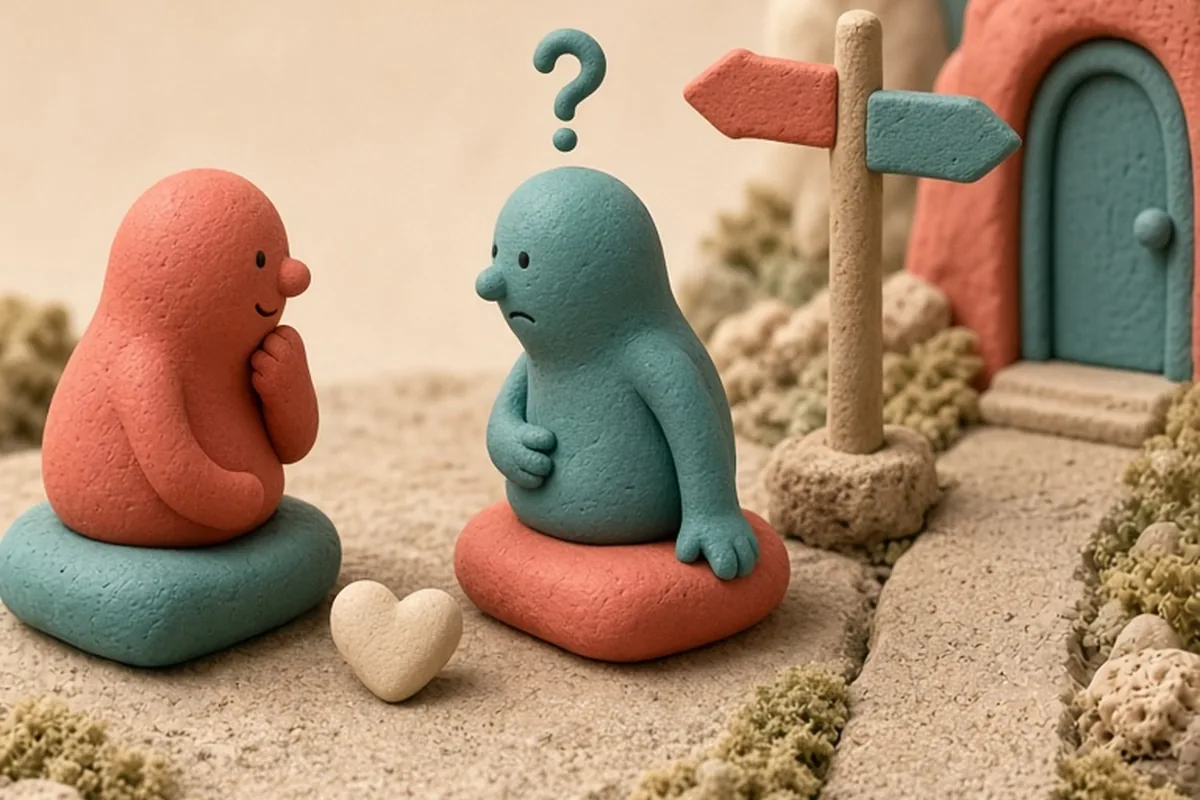
Flirting with a friend works best when you move gradually, pay close attention to how they respond, and stay honest with yourself about what you actually want. Start with light, warm humor and genuine compliments, then notice whether they lean in or pull back. If the signals are unclear, a calm, low-pressure conversation about your feelings protects both of you far better than escalating flirtation that leaves things ambiguous.
Developing feelings for a friend is one of the most common and most nerve-wracking experiences in adult social life. The stakes feel high because something real is already there, and the fear of ruining it can make you freeze. But handled thoughtfully, flirting with a friend can open a door without slamming the one you already have.
Understand What You Actually Want Before You Start
Before you say or do anything flirtatious, spend a little time getting honest with yourself. Are you genuinely interested in this person romantically, or are you bored, lonely, or flattered by their attention? Those are different situations that call for different responses. Acting on a passing impulse with someone you see every week can create lasting awkwardness, so clarity about your own intentions is the first real step.
Ask yourself what you would want the outcome to look like in three months. If the answer is a real relationship, that matters. If the answer is vague, it is worth sitting with that uncertainty before involving your friend. This is not about talking yourself out of your feelings. It is about making sure your actions are proportionate to what you genuinely want, so you are not sending signals you will later want to take back.
Read the Existing Dynamic Between You Two
Every friendship has its own texture. Some friendships already include playful teasing, easy physical comfort, and long one-on-one conversations. Others are warm but more reserved. Before you introduce a flirtatious tone, notice what the baseline already is. If your friend already laughs easily with you, touches your arm when making a point, or seeks you out specifically when they want to talk, those are signs the connection has warmth to build on. If the friendship is more group-based and casual, a sudden shift in tone may feel jarring.
Pay attention to how your friend talks about their romantic life. Do they mention being interested in someone? Do they seem open to dating in general? You do not need to interrogate them, but listening to what they share voluntarily gives you useful context. A friend who is actively pursuing someone else is probably not in the headspace to receive your flirtation well, and pushing forward anyway risks both the friendship and your own dignity.
Start with Small, Low-Stakes Signals
The most effective early flirtation with a friend is almost indistinguishable from being a very good friend who is paying close attention. Compliment something specific and genuine, not just their appearance. Tell them you always laugh harder when they are around. Notice when they get a haircut or wear something they seem proud of. These small acknowledgments communicate that you see them as an individual, which is the foundation of attraction, without putting either of you on the spot.
Light, playful teasing that you both enjoy is another low-stakes signal. The key word is both. Teasing that makes your friend laugh and tease back is a shared game. Teasing that makes them uncomfortable or that only you find funny is not flirtation, it is friction. If they match your energy, hold eye contact a beat longer, or find reasons to keep the conversation going, those are encouraging signs. If they seem to redirect or pull back, respect that without making it a big moment.
Use One-on-One Time Intentionally
Group settings dilute everything. If you want to explore whether there is something more between you and a friend, create natural opportunities to spend time together without an audience. Suggest an activity you both genuinely enjoy, something low-pressure like a walk, a coffee, or a show you have both been meaning to watch. The goal is not to manufacture a romantic scenario but to give the connection room to breathe outside the usual group dynamic.
One-on-one time also lets you have real conversations, which matter more than most flirting tactics. When you talk about things that actually interest you both, when you share something a little vulnerable and they respond in kind, that is the kind of closeness that makes romantic feelings make sense. It also gives you better information about whether the interest is mutual, because people tend to show up differently when they are genuinely engaged versus being polite in a group.
Recognize Mutual Interest Versus Friendly Warmth
One of the hardest parts of flirting with a friend is that friendly warmth and romantic interest can look very similar, especially with someone who is naturally affectionate or socially confident. A friend who hugs everyone, laughs at everyone's jokes, and texts everyone good morning is not necessarily signaling romantic interest in you specifically. Before you read too much into any single gesture, look for patterns that are specific to your interactions.
Mutual interest tends to show up as a combination of signals over time: they initiate contact more than usual, they remember small things you mentioned weeks ago, they seem a little more self-conscious around you than with others, or they find reasons to extend time together. No single signal is definitive, and it is worth being honest with yourself when you are interpreting ambiguous behavior charitably because you want it to mean something. Wishful thinking is human, but acting on it without checking can put your friend in an uncomfortable position.
Have an Honest Conversation When the Moment Is Right
At some point, if the signals feel genuinely mutual and your interest is real, a direct but low-pressure conversation is kinder than continued ambiguity. You do not need a grand declaration. Something simple and honest, like telling your friend that you have been enjoying spending time with them and that you have started to wonder if there might be something more there, opens the door without demanding an answer on the spot. The tone matters as much as the words: calm, warm, and genuinely okay with whatever they say.
The most important thing you can communicate in that moment is that the friendship matters to you regardless of their answer. That is not a manipulation tactic; it is the truth, and saying it out loud gives your friend permission to be honest without feeling like they are going to hurt you badly either way. If they feel pressured or put on the spot, they may give you an answer that is more about managing the moment than about how they actually feel. Giving them space to think is a sign of respect, not weakness.
Handle Rejection or Uncertainty with Maturity
If your friend does not feel the same way, or if they are not sure, the way you respond in that moment will determine whether the friendship survives. Accepting their answer gracefully, without guilt-tripping, sulking, or immediately withdrawing, is the single most important thing you can do. It is okay to feel disappointed. It is okay to need a little space to process. What is not okay is making your friend feel responsible for managing your emotions or punishing them for being honest.
Some friendships do shift after one person shares romantic feelings, and that is a real cost worth acknowledging. But many friendships survive and even deepen when both people handle the conversation with honesty and care. The friendship may need a short reset period where things feel a little awkward. That is normal. If both of you genuinely value the relationship, most of that awkwardness fades with time and a shared willingness to move forward without making the moment into a defining rupture.
If the Feeling Is Mutual, Transition Thoughtfully
When a friend shares your interest, it is tempting to rush into relationship territory immediately because the emotional foundation already feels solid. But a friendship becoming a romance still benefits from some intentionality. Talk about what you both want. Be clear about whether you are interested in dating seriously or exploring something more casual, and make sure you are on the same page before assumptions build up on either side.
One real advantage of starting from friendship is that you already know each other's communication styles, quirks, and values to some degree. That is a genuine head start. The adjustment is learning to be vulnerable in a new way, because romantic relationships ask for a different kind of openness than friendships do. Moving at a pace that feels comfortable for both of you, rather than racing to define everything immediately, tends to give the new dynamic the best chance of becoming something stable.
Illustrative Scenarios
The Late-Night Text That Felt Like a Signal
Marcus and his friend Priya had been close for two years, mostly through a shared group of coworkers. When Priya started texting him separately after group hangs, sometimes late at night just to continue a conversation, Marcus took it as a clear sign she was interested. He began flirting more openly in their texts, sending compliments that were warmer than usual. Priya's responses became shorter and more neutral over the next week. Instead of pushing further, Marcus paused and reflected. He realized he had been reading her friendliness as romantic interest without checking. He pulled back to their normal tone, and the friendship stabilized. A few months later, Priya mentioned she had started dating someone. Marcus was glad he had not made the moment into something that could not be undone.
Key point: Late-night texts can mean many things. Checking your interpretation against a pattern of signals, rather than one or two moments, protects both you and your friend from an uncomfortable situation.
The Coffee That Changed the Friendship
Diane had been friends with her colleague Jordan for about eighteen months. Over time she noticed she looked forward to their conversations more than any other part of her week, and that Jordan seemed to find reasons to check in with her specifically. She suggested coffee one Saturday, just the two of them. During that conversation, she told Jordan simply that she had been enjoying their friendship a lot and had started wondering if there might be something more to it. She said it lightly, without pressure, and added that she valued the friendship either way. Jordan was quiet for a moment, then said they had been thinking the same thing. They agreed to go on a few actual dates and see how it felt. The transition was a little awkward at first, but having named it honestly made the awkwardness manageable rather than corrosive.
Key point: A calm, honest conversation at the right moment can open a door that indirect flirting alone might never reach. Naming your feelings without pressure gives the other person room to be honest too.
Frequently asked questions
Is it always risky to flirt with a close friend?
There is always some risk when romantic feelings enter a friendship, but the level of risk depends heavily on how you handle it. Moving gradually, reading signals carefully, and being honest without pressure reduces the chance of lasting damage. Many friendships survive and some become strong relationships.
How do I know if my friend is flirting back or just being friendly?
Look for patterns specific to your interactions rather than single moments. Consistent signals like initiating one-on-one time, remembering small personal details, or seeming a little more self-conscious around you than with others are more meaningful than any one gesture. When in doubt, a gentle, honest conversation is more reliable than interpretation alone.
What if I flirt and my friend does not respond the way I hoped?
Accept their response gracefully and give the friendship a little time to find its footing again. Avoid withdrawing dramatically or making your friend feel guilty for being honest. Most friendships can recover from a moment of honesty when both people genuinely want to preserve the relationship.
Should I tell mutual friends about my feelings before talking to the person directly?
Generally, no. Sharing your feelings with mutual friends before talking to the person yourself puts them in an awkward position and removes your friend's ability to respond privately. A direct, low-pressure conversation with the person you are interested in is almost always the better path.
Your next step
This week, before doing anything else, spend ten minutes getting honest with yourself about what you actually want from this friendship. If the answer is genuinely romantic, choose one low-stakes, specific compliment or invitation for one-on-one time and see how your friend responds. Let their reaction, not your hope, guide your next move.