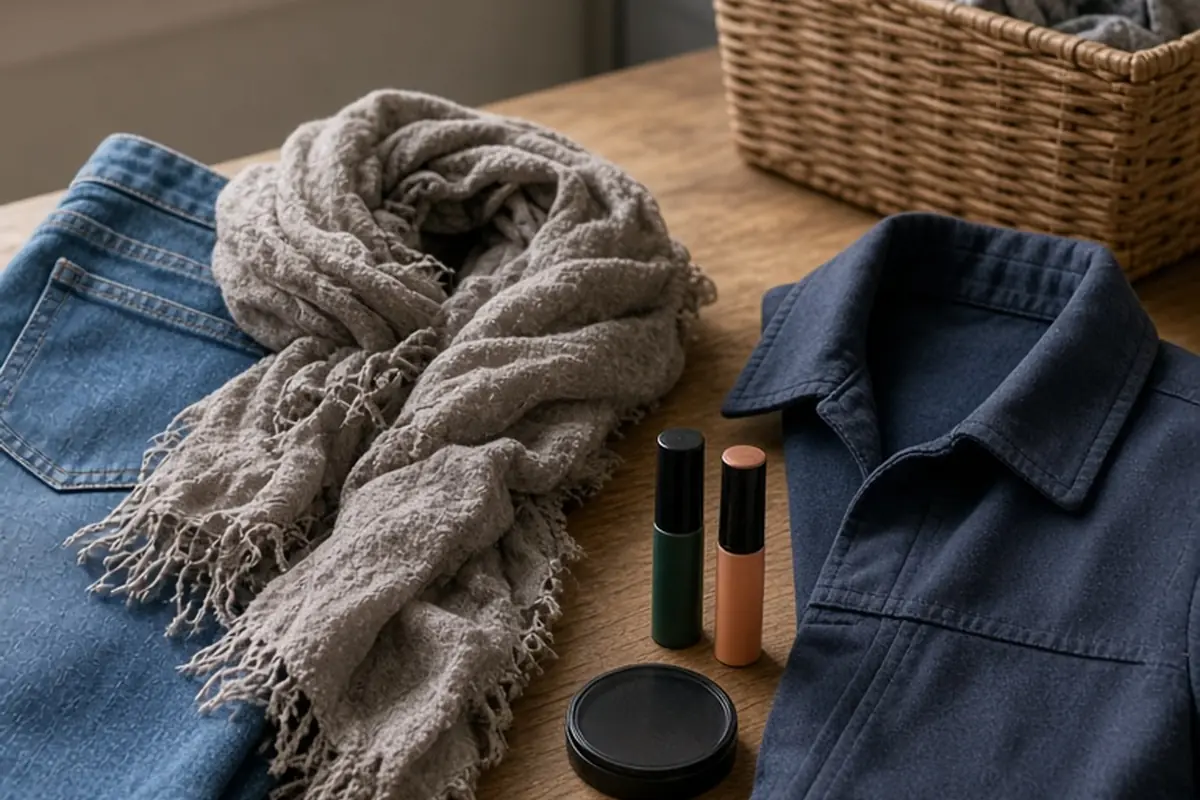
To hide a hickey immediately, neutralize the discoloration with a color-correcting concealer—using green for red marks or peach-orange for deeper purple bruises—and set it with a light translucent powder. If cosmetics are unavailable, use high-collared shirts, structured jackets, lightweight scarves, or loose hair to physically cover the area while cold compresses help reduce early swelling.
A sudden mark on your neck or collarbone can cause unwanted stress right before a job interview, family gathering, or regular workday. While no quick trick makes broken capillaries vanish instantly, combining proven cosmetic techniques with smart wardrobe choices allows you to carry on with your routine comfortably and discreetly.
Understanding the Mark: Why Suction Marks Behave Like Bruises
A hickey is fundamentally an ecchymosis, the medical term for a superficial bruise caused by broken microscopic blood vessels beneath the skin. When delicate capillaries rupture under suction or light trauma, blood pools in the surrounding tissue. The skin along the neck, upper chest, and jawline is among the thinnest on the entire body, with minimal subcutaneous fat to cushion blood vessels. This anatomical reality means even brief pressure can leave a noticeable mark that shifts from bright red to deep purple, blue, green, and pale yellow over several days.
Understanding that you are dealing with a standard bruise is critical because it highlights what you should avoid. Aggressive physical remedies—such as vigorously scraping the skin with a coin edge, scrubbing with a stiff toothbrush, or twisting hard caps over the surface—do not break up the blood pool in a helpful way. Instead, mechanical friction increases local inflammation, abrades the top epidermal layer, and often expands the diameter of the discoloration. Gentle management preserves the integrity of your skin barrier, which in turn makes cosmetic cover-ups far more convincing.
Color Correction and Makeup: A Step-by-Step Coverage Guide
Standard foundation or regular skin-toned concealer often looks gray or chalky when placed directly over deep purple or dark red marks. To achieve invisible coverage, you must first neutralize the undertone using color theory. Green pigments counteract vibrant reds and pinks commonly seen in fresh marks. For older, darker marks with purple, blue, or dark brown tones, use a peach, salmon, or rich orange color corrector matched to the depth of your natural skin tone. Apply a tiny dot directly to the mark and tap it gently with your fingertip or a damp beauty sponge until the intense undertone is muted.
Once the undertone is neutralized, pat a full-coverage, long-wear concealer that matches your neck skin over the area. Keep in mind that neck skin is often slightly lighter or has different undertones than facial skin, so test the shade on your jawline rather than your cheek. Stipple the product with a dense brush or sponge rather than wiping across the surface, which would disturb the color corrector underneath. Finish by pressing a translucent setting powder over the spot with a puff. If you anticipate sweating or wearing collared shirts, mist the area with a matte setting spray to prevent the pigment from transferring onto your clothing.
Wardrobe Solutions for Every Season and Setting
Clothing remains the most reliable physical barrier when you prefer not to wear cosmetics or need guaranteed coverage throughout a long day. In cooler months, this is effortless: standard turtlenecks, mock-neck sweaters, knit scarves, and flannel shirts buttoned to the second button provide instant concealment. Layering a structured denim or utility jacket over a crewneck shirt also draws the eye toward the torso and away from the neck area.
Warm weather demands a more thoughtful approach to avoid looking out of place. Wearing a heavy scarf or high turtleneck on a hot summer afternoon can draw more suspicion than the mark itself. Instead, choose lightweight linen or cotton shirts with stiff standing collars, polo shirts, or loose camp-collar button-downs. For women, off-the-shoulder tops paired with a lightweight summer scarf or a high halter neckline offer natural-looking coverage. The goal is to choose items that fit seamlessly into the weather and your regular aesthetic so nothing looks staged.
Accessories, Hair Placement, and Low-Profile Camouflage
If clothing alone does not reach the exact placement of the mark, strategic accessories and personal styling can fill the gap. Individuals with medium-to-long hair can wear their hair down in loose waves, low side ponytails, or relaxed braids positioned over the shoulder where the mark sits. Keep hair texture slightly full or textured so the strands naturally drape across the neck without parting unexpectedly during movement.
Accessories like bandanas tied in a casual knot, wide statement necklaces, choker-style jewelry, or athletic headbands draped around the neck during workouts provide simple, contextual cover. If the mark sits in a spot where clothing and jewelry cannot reach—such as high near the ear or collarbone—a clean adhesive bandage or a small piece of flesh-toned athletic tape works well. If asked, a short, mundane explanation like a minor kitchen splash, a curling iron touch, or a minor razor cut ends the conversation without inviting further questions.
Supporting the Healing Timeline Without Damaging the Skin
While your body must naturally break down and reabsorb trapped red blood cells, you can optimize the healing environment through simple temperature management. During the first twenty-four to forty-eight hours, apply a cold compress or a clean ice pack wrapped in a thin dish towel for ten to fifteen minutes at a time. Cold temperatures help constrict local blood vessels, limiting further blood pooling and soothing initial surface swelling.
After forty-eight hours, switch from cold application to gentle warmth. A warm washcloth or low-heat heating pad applied for ten minutes stimulates local blood circulation, encouraging lymphatic flow to clear away the trapped hemoglobin. Keep the skin hydrated with a simple, fragrance-free moisturizer or aloe vera gel. Avoid harsh home remedies like chemical astringents, concentrated rubbing alcohol, or abrasive pastes, as these can trigger contact dermatitis or peeling, making the mark far more difficult to camouflage.
Navigating Social Dynamics and Communicating Boundaries
Even with careful preparation, there is always a chance someone catches a glimpse of a mark. How you react determines how the interaction unfolds. Becoming visibly anxious, defensive, or offering an elaborate, over-detailed story often draws extra attention. A calm, neutral demeanor or a brief shrug keeps the moment uneventful and allows the conversation to pivot naturally back to the topic at hand.
Beyond the immediate situation, unexpected suction marks provide an opportunity to communicate openly with your intimate partner. If visible marks cause professional friction, personal discomfort, or unnecessary embarrassment, bring it up clearly before your next intimate moment. Setting mutual boundaries around intensity, technique, and placement ensures intimacy remains playful and positive without creating unwelcome logistical challenges the following morning.
Illustrative Scenarios
Handling an Unexpected Mark Before a Morning Presentation
Alex woke up on a Tuesday morning with a visible purple mark on the side of his neck, just three hours before leading an in-person client presentation. His initial impulse was to vigorously rub the spot with the edge of a cold spoon he read about online. After two minutes of hard pressure, the area became bright red, swollen, and twice its original size. Recognizing that aggression was making things worse, Alex stopped, applied a wrapped ice cube for ten minutes to reduce the swelling, and used a peach color-correcting concealer followed by a neutral foundation matched to his neck. He topped it with a collared dress shirt and blazer, allowing him to deliver his presentation with total focus.
Key point: Physical friction worsens underlying bruising; gentle cooling combined with color-correcting cosmetics delivers clean, unnoticeable results.
Navigating a Warm-Weather Family Gathering
Elena had a weekend barbecue with her extended family during warm weather and noticed a mark near her collarbone. She initially considered wearing a high-neck winter turtleneck, but realized that wearing heavy clothing in warm weather would draw far more curiosity from relatives. Instead, she chose a breathable, lightweight button-down linen shirt layered over a tank top, leaving the top buttons relaxed while keeping the collar positioned forward. She applied a light layer of waterproof green-toned concealer over the mark. When a relative asked about a small hint of redness, she casually mentioned a mild bug bite and moved on smoothly.
Key point: Context-appropriate clothing and calm, brief explanations deflect curiosity far better than dramatic over-covering.
Frequently asked questions
Can you completely remove a hickey in one hour?
No technique can instantly remove broken capillaries or pooled blood in sixty minutes. You can, however, reduce surface swelling with cold compresses and completely disguise the discoloration using color-correcting makeup and appropriate clothing.
Which color corrector works best for dark purple suction marks?
Peach, salmon, or warm orange color correctors work best for neutralizing dark purple and blue tones. Use green color corrector only if the mark is predominantly bright red or inflamed.
Why did my hickey look darker after rubbing it with a coin or spoon?
Hard mechanical rubbing causes additional trauma to already fragile capillaries and damages the top layers of skin. This extra irritation increases local blood pooling and inflammation, making the mark larger and harder to conceal.
How many days does it usually take for a hickey to fade on its own?
Most suction marks fade naturally within five to twelve days, transitioning through shades of red, purple, green, and yellow as your body clears the pooled blood. Applying gentle warm compresses after the second day can support normal circulation.
Your next step
Assess the color of your mark right now, pick the matching color corrector or high-collared shirt from your closet, and allow your body to heal the area gently over the next few days.