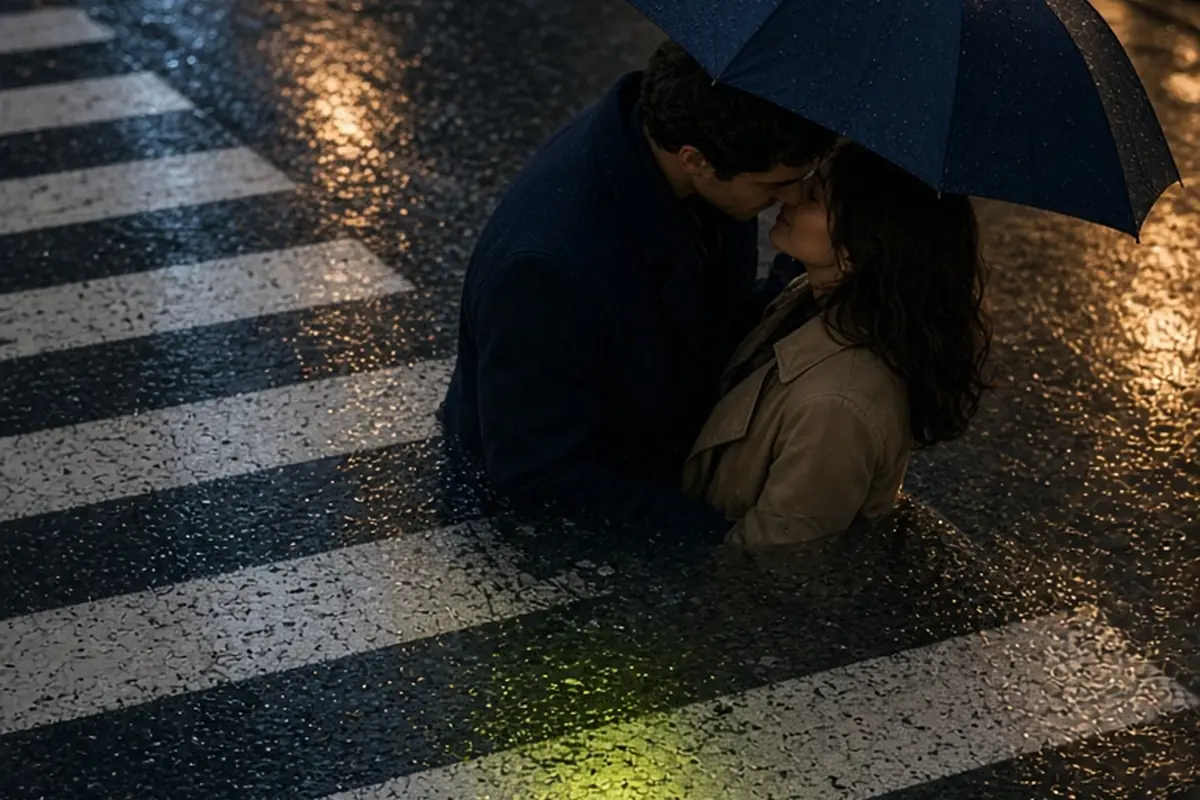
To initiate a first kiss, establish close physical proximity, look for mutual signs of engagement like relaxed eye contact and shared smiles, and pause the conversation naturally. Move in slowly to give your partner time to respond, or simply ask with a straightforward, low-pressure question such as, 'Can I kiss you?' Pay attention to how they lean in or pull back, and respect their comfort at every step.
The anticipation leading up to a first kiss often brings a mix of excitement and nervous tension. Many people worry about misreading the moment, coming across as awkward, or hesitating until the chance slips away entirely. Moving from casual conversation to a romantic moment does not require theatrical gestures or complicated techniques; it relies on gradual closeness, clear communication, and an ability to stay grounded in the present moment.
Building Physical Proximity and Mutual Comfort
A first kiss rarely happens out of nowhere; it is almost always the natural culmination of gradually reduced physical distance. Throughout a date or shared encounter, notice how close you are sitting or standing relative to the other person. If you are seated across a wide table in a noisy restaurant, transitioning directly into an intimate moment can feel abrupt. Choosing venues or seating arrangements where you sit adjacent to one another—such as on a lounge couch, at a ninety-degree angle at a bar, or walking shoulder-to-shoulder—makes proximity feel organic rather than forced.
As proximity decreases, pay attention to casual, low-stakes physical touch. Brushing an arm while laughing at a shared joke, offering a hand when stepping over an uneven sidewalk, or letting your shoulders touch while looking at something together tests the waters of mutual comfort. If your date matches that contact, leans in closer, or leaves their hand near yours, it indicates that physical closeness is welcome. If they subtly shift away, cross their arms tightly, or create distance, that is a clear signal to slow down, maintain respectful personal space, and keep focus on the conversation.
Reading Nonverbal Cues and Shared Timing
Nonverbal cues provide valuable context about whether someone is receptive to physical intimacy, though they should always be interpreted as general interest rather than absolute consent. Receptive cues often include sustained, warm eye contact, relaxed facial expressions, smiling, and an open bodily posture. Many people notice the natural rhythm of speech slowing down when romantic tension rises. Pauses between sentences become longer, voice tones soften, and both people tend to linger near each other instead of rushing to fill the silence with trivial small talk.
Another classic visual signal is the subtle shift in gaze between your eyes and your lips. When a person looks at your eyes, glances briefly at your mouth, and returns to your eyes with a soft expression, it often reflects their thoughts drifting toward kissing. However, context remains critical. Someone who is simply tired, polite, or socially anxious might avoid eye contact or display nervous laughter that can easily be mistaken for romantic interest. Treating these signals as an invitation to check in or move one small step closer—rather than an absolute green light to rush forward—protects both your self-respect and your partner's boundaries.
Using Direct and Relaxed Verbal Communication
Many people hold an outdated belief that asking to kiss someone ruins the mood or signals insecurity. In reality, a direct, low-key verbal question demonstrates confidence, emotional maturity, and deep respect for the other person's comfort. Asking removes ambiguity for both people, eliminating the panic of wondering whether an advance will be welcomed. A simple phrase delivered with a warm smile and steady eye contact can enhance romantic tension rather than breaking it.
Effective verbal check-ins work best when they are simple, authentic, and free of pressure. Phrases like 'I'd really like to kiss you right now' or 'Can I kiss you?' allow your date to respond honestly and enthusiastically. Verbal initiation also provides an easy, low-pressure out if they are not ready yet, preventing the awkward physical collision of an unexpected advance. If your partner says yes, smiles, or nods, you can proceed smoothly without second-guessing yourself.
Pacing the Physical Movement Smoothly
When you decide to initiate the physical move, deliberate and calm pacing is your greatest asset. Rushing forward quickly can startle the other person and make the interaction feel rushed or aggressive. A practical approach is the traditional eighty-twenty principle: you close roughly eighty percent of the distance slowly, pause for a fraction of a second, and allow the other person to close the remaining twenty percent. This deliberate pace gives them ample time to read your intention, adjust their head position, or gently decline if they choose.
Keep the physical action simple, gentle, and brief. Tilt your head slightly to avoid colliding noses, keep your lips soft rather than rigid, and avoid rushing into excessive intensity. A first kiss is fundamentally an introduction to physical connection, not a marathon. Placing a hand lightly on the side of their neck, their waist, or their shoulder can feel supportive and grounding, provided that touch was already comfortable earlier in the date. After a couple of soft seconds, ease back slightly to assess their reaction.
Responding Gracefully to Hesitation or Rejection
One of the main barriers people face when initiating a kiss is the fear of rejection. While hearing 'not yet' or having someone gently turn their cheek can feel momentarily disappointing, handling that response with poise and kindness reflects tremendous character. People decline kisses for numerous reasons that have nothing to do with lack of attraction: they might prefer to move slowly, feel self-conscious about their breath, or simply want to know you better before introducing physical intimacy.
If your date turns their head, pulls back, or verbally says they are not ready, immediately respect their boundary without defensiveness or sulking. Maintain a warm expression, step back to give them space, and offer a light, reassuring comment such as, 'No worries at all, I'm just really enjoying spending time with you.' By showing that your warmth is not conditional on immediate physical access, you create a safe, pressure-free atmosphere that builds genuine trust and long-term connection.
Navigating the Immediate Aftermath of the Kiss
What you do immediately following the kiss sets the emotional tone for the rest of the date. After pulling back a few inches, stay present and look at your partner with a genuine smile. You do not need to deliver a witty commentary or over-analyze the moment out loud. A relaxed, positive reaction—such as a warm smile or a simple 'I've wanted to do that all evening'—validates the shared experience and keeps the connection comfortable.
From there, gauge their energy to decide how to proceed. If they lean in for another kiss or remain close, you can enjoy that mutual warmth. If they smile, laugh, and naturally step back into walking or talking, match their rhythm and seamlessly resume your conversation. Allowing the interaction to flow back into normal conversation without demanding an immediate debrief shows emotional stability and prevents the situation from feeling overly heavy.
Illustrative Scenarios
Managing Hesitation in a Quiet Car
Marcus was driving Elena home after their third dinner date. Parked outside her building, the conversation tapered off, and Marcus felt an urge to kiss her but worried the silence was becoming stiff. Instead of suddenly leaning over the center console, he turned toward her, smiled, and said softly, 'I had a wonderful evening with you, and I would really like to kiss you goodnight.' Elena smiled with visible relief, nodded, and leaned forward across the seats. By expressing his interest directly instead of trying to read her mind in the dark, Marcus removed the pressure and created an easy, mutual moment.
Key point: Direct, respectful words eliminate awkward guesswork and let both people participate willingly.
Reading the Pacing During an Evening Walk
Julian and Sam were walking through a scenic park at dusk. Sam stopped by a bridge railing to look at the water, resting their shoulder against Julian's arm. Julian noticed the relaxed closeness and soft eye contact. Rather than lunging in, Julian stepped closer, held Sam's gaze, and closed most of the distance slowly. Sam recognized the cue, smiled, and met Julian halfway for a gentle kiss. When they parted, Julian smiled, offered his hand, and they continued walking.
Key point: Moving slowly gives your partner the space to meet your advance without feeling cornered.
Frequently asked questions
What is the best time during a date to initiate a first kiss?
There is no mandatory moment or universal rule, but quiet transitions with low background distractions work best. Common opportunities include a pause during a walk, a quiet moment while seated together, or saying goodbye at the end of the evening.
Does asking for permission make the moment feel unromantic or unnatural?
Not at all. When spoken with steady eye contact and a warm, sincere tone, asking is widely experienced as confident and considerate. It ensures both people are on the same page and relieves anxiety.
How can I tell if someone definitely does not want to be kissed?
Signs of disinterest include pulling away from casual physical touch, keeping physical barriers like crossed arms or bags between you, stepping backward when you step forward, or offering curt, distracted answers. Always prioritize their comfort and step back.
What should I do if our teeth clash or our noses bump during the kiss?
Small physical bumps are completely normal and happen to almost everyone. The best response is to laugh it off gently, adjust your angle slightly, and stay relaxed rather than apologizing excessively.
Your next step
On your next date, focus on creating natural proximity and reading shared comfort rather than waiting for an elusive 'perfect' movie moment; when the atmosphere feels warm, move in slowly or ask simply.