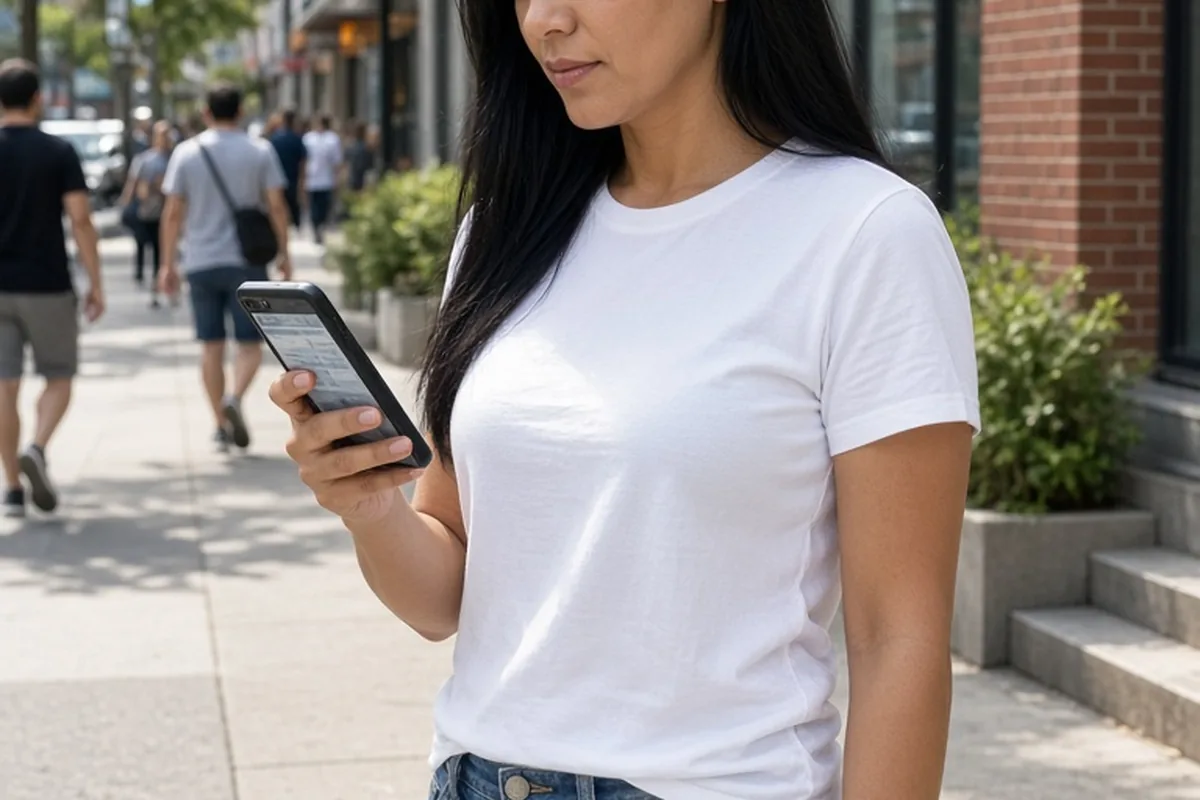
To make online dating safer, protect your personal information by keeping conversations on the platform initially, using a secondary phone number, and withholding identifying details like your workplace or exact neighborhood. Verify matches via a short video call before meeting, choose busy public venues for first dates, arrange your own transportation, and inform a trusted friend of your plans. Setting firm personal boundaries early helps filter out bad actors.
Meeting someone new through a dating app should feel exciting rather than overwhelming, but connecting with strangers naturally requires common-sense precautions. Prioritizing your personal security does not require cynicism; instead, it establishes a reliable framework that lets you relax, evaluate compatibility honestly, and protect your private life while pursuing genuine connection.
Auditing Your Profile and Protecting Your Digital Footprint
A secure online dating experience begins long before you swipe on your first profile. Many people unintentionally share significant personal details through background cues in their photos or overly specific biographical descriptions. A photo showing an identifiable office building, a gym logo on a t-shirt, a running route map, or a front door with house numbers can make it easy for someone to locate your home or workplace using simple online searches. Reverse image searches can also link casual dating photos directly to professional profiles or personal social media accounts.
To minimize this exposure, conduct an audit of your dating profile before interacting with new matches. Use fresh photos that do not appear anywhere else online, such as your professional website or personal social feeds. List only your first name or a common nickname, keep your occupation broad rather than naming your specific employer, and avoid mentioning your specific neighborhood. The trade-off is that you might feel your profile is slightly less detailed, but you can always share personal stories naturally as trust builds over time.
Screening Matches and Verifying Identity Before Meeting
Keeping initial conversations inside the dating app provides an important layer of security. Dating platforms invest in moderation systems, automated scam detection, and account blocking tools that disappear the moment you move to private text messages or third-party chat applications. Bad actors often rush to move conversations off-platform immediately to avoid being reported or banned when their behavior crosses a line.
When you do decide to exchange phone numbers, consider using a free virtual number service rather than your primary carrier line. Virtual numbers allow you to call and text normally while preventing strangers from looking up your full name and address through public reverse-phone registries. Before committing an evening to an in-person meeting, ask for a five-minute video call. A brief virtual check-in confirms that the person matches their photos, helps you gauge their conversational demeanor, and filters out catfishes or impersonators with minimal friction.
Recognizing Scams, Manipulation, and Rapid Escalation
Online dating scams rarely look like obvious spam at the beginning; they often mimic intense, flattering romantic interest. Known as love-bombing, an aggressive pace of compliments, promises of a shared future, and constant messaging can be designed to lower your defenses before an inevitable request for assistance. Scammers frequently create elaborate stories about sudden medical emergencies, lucrative cryptocurrency investments, business crises, or travel complications that require urgent financial help.
Protecting yourself against these situations requires maintaining a strict personal rule: never send money, gift cards, banking information, or access to accounts to someone you have only met online, no matter how convincing their situation sounds. In addition to financial deception, watch out for emotional manipulation, such as a match who becomes defensive or guilt-trips you when you decline to share private details. Respectful people accept simple boundaries without demanding explanations or making you feel guilty.
Designing Safe First Dates and Public Meetups
When you are ready to meet in person, the structure of the date plays a crucial role in maintaining your safety and comfort. Always choose a well-lit, populated public venue such as a busy coffee shop, an art gallery, or a lively casual restaurant. Avoid secluded parks, remote hiking trails, private residences, or hotel rooms for initial meetups, regardless of how comfortable the text conversations felt beforehand.
Take complete control of your own transportation by driving yourself, using public transit, or ordering your own rideshare service. Allowing a date to pick you up at your home reveals your address before you know them well and makes you dependent on them if you want to leave early. Before you head out, tell a reliable friend where you are going, who you are meeting, and what time you expect to check in afterward. Sharing your live location through your smartphone for the duration of the date provides extra peace of mind.
Pacing Communication and Setting Healthy Boundaries
Safety is not strictly physical; protecting your emotional equilibrium and mental clarity is just as vital when dating online. It can be tempting to share intimate personal struggles, past relationship trauma, or vulnerable family stories early on in an attempt to build quick rapport. However, oversharing early can create a false sense of closeness and give an untrustworthy person leverage over your emotions.
Healthy dating involves pacing both your emotional vulnerability and physical intimacy according to observed consistency over time. Pay attention to how your match handles minor disagreements or neutral boundaries. If you tell someone that you are busy working and cannot text until the evening, a considerate person will respect your schedule. A match who sends barrage messages, expresses frustration, or questions your commitment before you have even met is showing you an inability to regulate their emotions.
Handling Uncomfortable Encounters, Rejection, and Disengagement
Even with careful screening, you may occasionally find yourself on a date that feels uncomfortable or unaligned with your expectations. If someone crosses a boundary, acts aggressively, or simply gives you an uneasy gut feeling, you do not owe them your continued presence. You have the right to politely end the date at any moment by stating that you need to head out, settling your portion of the bill, and leaving without offering lengthy apologies.
When communicating that you do not wish to see someone again, a brief, direct message is the safest and most considerate approach. You might say, 'Thank you for your time, but I did not feel the romantic connection I am looking for, and I wish you the best.' If the person responds with insults, persistent demands, or hostility, avoid entering an argument. Use the built-in blocking and reporting tools on both the app and your phone to end contact permanently and protect your peace.
Illustrative Scenarios
Establishing Clear Privacy Boundaries on Messaging
Mark was chatting with a match on a dating app who quickly insisted on moving the conversation to an unlisted messaging platform, claiming she rarely opened the dating app. Mark felt pressured to comply because he wanted to keep the conversation going, but he preferred to keep his contact information private. Instead of giving in or ghosting, Mark warmly replied that he preferred to chat on the app for a few more days until they had a chance to meet. The match responded with sarcastic remarks, accusing him of wasting her time. Recognizing this defensive reaction as an early sign of poor communication, Mark unmatched her without second-guessing himself.
Key point: How a person reacts when you establish a reasonable boundary reveals their respect for your comfort far better than their profile description ever will.
Maintaining Independent Transportation on a First Meetup
Elena arranged to meet a match for evening drinks across town. Her date offered to pick her up from her apartment complex, framing it as a polite, chivalrous gesture. While Elena appreciated the courtesy, she felt uncomfortable sharing her home address with someone she had never met in person. Rather than feeling awkward about declining, she thanked him for the offer and explained that she was already running errands in the area and would meet him directly at the venue. Having her own car allowed her to enjoy the evening comfortably and depart on her own schedule when the date concluded.
Key point: Arranging your own transportation preserves your independence and ensures you can leave a date whenever you choose without relying on a stranger.
Frequently asked questions
How long should I chat on a dating app before meeting in person?
Most people find that chatting for three to seven days offers a practical window to evaluate consistency, shared interests, and mutual respect without building artificial intimacy. Waiting weeks can lead to false expectations, whereas meeting within a few days of constructive conversation and a brief video check-in keeps the interaction grounded.
Is it considered impolite to ask a dating match for a video call before our first date?
Requesting a five-minute video call is a completely reasonable and widely accepted safety measure. It protects both individuals by confirming identities, preventing catfishing, and ensuring baseline conversational rapport before anyone invests time and travel into an in-person meeting.
What should I do if an online match asks for financial assistance?
Discontinue communication immediately and report the profile to the dating platform. Genuine romantic interests will not request money, gift cards, emergency loans, or cryptocurrency investments from someone they have never met in real life.
Your next step
Take five minutes today to audit your current dating profile photos and descriptions, ensuring that no identifying workplace logos, neighborhood landmarks, or personal contact details are visible to the public.