To meet people when health precautions limit conventional socializing, focus on structured micro-communities, interest-led virtual spaces, and low-exposure outdoor activities. Replace crowded indoor venues with activities centered around shared tasks, such as neighborhood walking clubs, community gardens, or skill-sharing workshops. Propose low-pressure, fresh-air meetups like park walks or patio coffee, and discuss individual comfort levels regarding masking or testing early. Clear, direct communication prevents mismatched expectations while keeping social interactions enjoyable, intentional, and considerate of everyone's health.
Navigating social life during waves of illness or ongoing health caution can make connecting feel like a choice between complete isolation and uncomfortable exposure. Traditional advice—like hanging out in noisy bars or dropping into large social mixers—often fails when personal health needs, high local transmission rates, or caregiving responsibilities demand extra care. Finding meaningful friendships and romantic connections requires creative formats that reduce transmission risk without sacrificing genuine warmth.
Replacing Open-Ended Swiping with Focused Virtual Communities
Generic video dates and endless message threads frequently lead to screen burnout. Sitting across from a camera for an open-ended conversation often feels like a remote job interview, heightening pressure and draining energy. A more effective approach is joining virtual environments organized around a specific task, hobby, or project. When attention is directed toward a mutual activity, conversation flows naturally, and the awkwardness of sustained eye contact on a screen diminishes.
Consider joining online book clubs that use real-time breakout discussions, interactive trivia groups, or virtual creative writing circles. Collaborative digital spaces, such as tabletop gaming servers on Discord or participatory craft evenings, allow you to observe how someone interacts with a group. You can see their humor, patience, and conversational generosity without being locked into an intense one-on-one dynamic.
When you notice someone whose contributions you appreciate, transition to private interaction with a specific reference to the shared activity. A note like, 'I loved your take on the chapter tonight—would you be up for chatting about that author's other work sometime?' creates an easy entry point. It invites connection around an established interest rather than putting someone on the spot.
Taking Initial Meetups Outside with Low-Pressure Activities
Outdoor settings significantly reduce airborne transmission risks while offering a welcome break from digital screens. However, meeting outside does not have to mean aimlessly wandering a cold sidewalk or shivering through an awkward park bench sit-down. Successful outdoor plans incorporate gentle movement and built-in endpoints that keep both participants comfortable.
Side-by-side activities naturally reduce conversational tension because you are both looking forward at your surroundings rather than maintaining constant direct eye contact. Great choices include visiting an open-air sculpture garden, exploring a weekly farmers market, trying an introductory outdoor bouldering session, or taking a scenic bike ride along a designated trail. These settings provide continuous visual prompts that spark conversation when a lull occurs.
Pay close attention to practical comfort details before meeting. Check the weather forecast, confirm whether public restrooms and covered pavilions are accessible, and dress in layers. It helps to set a defined time frame in advance by saying, 'Let's grab warm tea and walk the botanical path for forty-five minutes.' A clear duration relieves the anxiety of deciding when to leave and prevents either person from getting uncomfortably cold or tired.
Discussing Covid Precautions and Comfort Boundaries Without Awkwardness
One of the biggest obstacles to connecting during periods of illness transmission is the worry that stating safety preferences will come across as rigid, demanding, or socially awkward. In reality, clear communication about health parameters eliminates second-guessing and shows emotional maturity. Treating your boundaries as standard logistical preferences—much like dietary restrictions or schedule limits—normalizes the topic and removes moral judgment.
State your preferences directly and casually before confirming plans. For instance, you might say, 'I am currently meeting people outdoors or masked indoors to keep my household healthy. Would you be open to an outdoor coffee or a walk this weekend?' Alternatively, if considering an indoor date, you can propose, 'I am happy to do indoor drinks if we are both comfortable taking a rapid test beforehand. Let me know if that works for you, or we can easily stick to an outdoor patio.'
Observe how the other person responds to your preferences. Someone who is compatible with you will either agree comfortably, offer a thoughtful alternative that respects your comfort, or politely decline if their lifestyle does not align. If someone reacts with ridicule, persistent debate, or dismissiveness toward your health parameters, take that as a clear signal of poor boundary respect that extends well beyond health concerns.
Finding Local Connection Through Neighborhood Projects and Mutual Support
When regional travel or crowded metropolitan venues carry unwanted exposure risk, shifting your focus to your immediate neighborhood provides a rich source of connection. Hyper-local communities naturally foster recurring, low-stakes interactions that build trust over time. Seeing the same familiar faces each week creates an organic sense of belonging that digital platforms struggle to replicate.
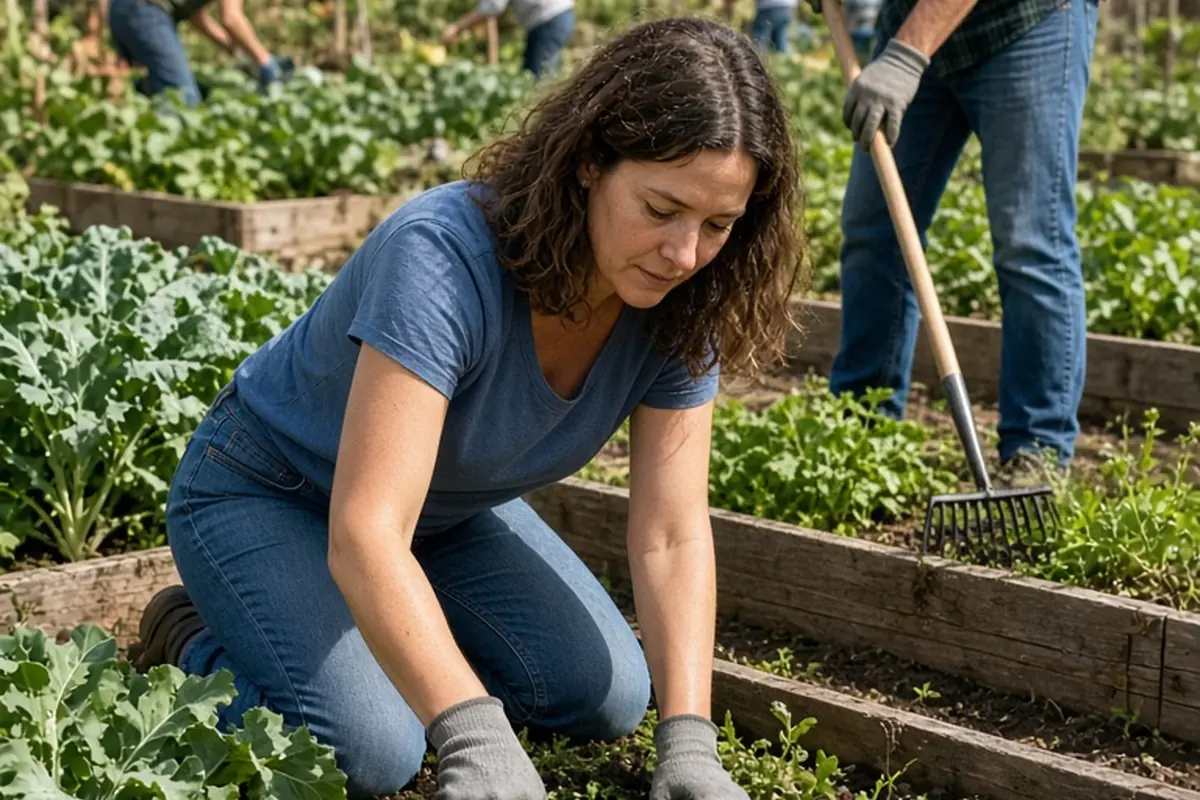
Look into community garden workdays, neighborhood cleanups, tool-lending library volunteer shifts, or local food pantry distribution hubs. These initiatives are often run outdoors or in well-ventilated, spacious environments with natural safety precautions in place. Because everyone present is working toward a shared goal, conversation starts around practical tasks like weeding a garden bed, sorting donated dry goods, or building raised planters.
Working alongside neighbors removes the performative pressure of dating apps or formal networking events. You get to know people based on consistency, work ethic, and everyday kindness. Over a few weeks, simple greetings during morning dog walks or weekly garden shifts naturally evolve into offers to exchange garden produce, share tools, or grab an outdoor coffee.
Turning Niche Independent Hobbies into One-on-One Partnerships
Pursuing solo hobbies can feel isolating, but many solitary activities lend themselves well to paired partnerships. Focusing on a specific skill or creative pursuit helps you connect with individuals who share your exact schedule, values, and level of caution. Rather than searching broadly for 'friends,' look for an accountability partner, a language practice buddy, or an artistic collaborator.
Consider areas like language exchange platforms, remote coding pair programs, co-working sprints for remote workers, or outdoor photography walks. In these arrangements, the shared commitment provides immediate structure. For example, pairing up for a weekly thirty-minute language exchange over a voice call gives you focused interaction without requiring long, open-ended socializing.
When an online collaboration feels easy and mutual, propose moving toward a more personal format. You can start by exchanging voice memos rather than texts, which conveys tone and inflection without requiring simultaneous screen time. If geographical proximity allows, you can suggest bringing your shared pursuit into the real world, such as taking photos at a local park or sketching outdoors side by side.
Evaluating Ventilation and Crowd Levels When Moving Indoors
If you and your new acquaintance decide you are ready to spend time indoors, thoughtful venue selection dramatically reduces risk and keeps both parties at ease. The goal is to avoid high-density, poorly ventilated spaces where conversation requires shouting over loud music, as louder vocalization produces significantly higher aerosol emissions.
Select venues characterized by high ceilings, ample square footage, and quiet atmospheres during off-peak hours. Spacious art galleries, public library atriums, botanical conservatories, or roomy indie bookstores offer peaceful settings where you can maintain comfortable physical spacing. Choosing a Tuesday afternoon or a weekend morning rather than a Friday night immediately cuts down on crowd density and exposure risk.
Establish a clear plan for what to do if a venue turns out to be more crowded than anticipated. A simple, agreed-upon agreement beforehand removes pressure: 'If the place looks packed when we get there, let's just grab takeout and sit by the fountain instead.' Having a backup plan ensures that neither person feels trapped in a situation that exceeds their risk tolerance.
Pacing New Relationships to Prevent Digital Burnout
When physical gatherings are spaced out, people often compensate with intense, continuous digital messaging. While frequent texting can feel exciting at first, it frequently creates a false sense of intimacy before real-world compatibility is established. It can also lead to communication fatigue, where one or both people begin to view replying as an exhausting chore.
Set sustainable rhythms for digital communication early on. Rather than texting back and forth all day, consider sending a thoughtful message once a day or setting up a twenty-minute voice call every few days. This leaves room for genuine updates and preserves the curiosity necessary for a developing connection. It also respects each person's work life, screen fatigue, and personal downtime.
If communication slows down, avoid assuming disinterest or personal rejection. During illness surges, people frequently deal with unexpected family care, isolation protocols, or work stress. Offer a low-pressure check-in that makes room for life disruptions: 'No rush on this, just thinking of you and hope your week is going well.' Giving people breathing room demonstrates emotional security and prevents unnecessary relationship anxiety.
Illustrative Scenarios
Navigating Group Invitations with Health Boundaries
Elena wanted to expand her social circle after moving to a new city, but she lived with an immunocompromised relative. When an acquaintance invited her to a crowded indoor birthday gathering at a busy bar, Elena worried that declining would make her seem aloof, while attending would pose an unacceptable health risk. Instead of an outright refusal or making up an excuse, Elena sent a warm message: 'I won't be able to make the bar night because I keep indoor crowds to a minimum for family health, but I would love to celebrate you. Can I treat you to outdoor coffee and pastries at the bakery patio on Saturday?' The host gladly accepted, and they enjoyed a relaxed two-hour conversation without loud background noise or health stress.
Key point: Proposing a specific, lower-risk alternative honors both your social desires and your safety limits without putting strain on the relationship.
Shifting from Exhausting Video Calls to an Outdoor Activity
Marcus was dating online during a regional Covid wave and felt drained by repeated hour-long video dates that felt like performance reviews. When he matched with Sarah, he suggested skipping the standard video chat in favor of a brisk, thirty-minute walk through a neighborhood park with travel mugs of tea. They met on a crisp Saturday morning, walked the loop twice, and found conversation flowed easily while strolling side by side. Because the outing had an agreed-upon duration, neither felt trapped, and both left the walk feeling energized rather than depleted by screen fatigue.
Key point: Structuring initial meetups around brief, side-by-side outdoor movement reduces conversational tension and prevents virtual burnout.
Frequently asked questions
How can I tell a date I only want to meet outdoors without sounding demanding?
State your preference plainly and offer a positive, specific plan in the same sentence. For example, say, 'I am focusing on outdoor meetups right now—would you be up for a walk through the sculpture park or an outdoor patio coffee this weekend?' Framing the boundary around what you are happy to do keeps the tone friendly and proactive.
What should I do if someone agrees to my safety boundaries and then ignores them in person?
Address the boundary clearly and calmly in the moment, such as saying, 'Remember, I mentioned I need us to stay outdoors today, so let's grab our drinks to go.' If they dismiss your request or push back repeatedly, feel free to end the outing early, as respecting stated boundaries is fundamental to any healthy dynamic.
How do we keep momentum going if one of us has to isolate or gets sick?
Shift temporarily to low-demand, supportive touchpoints like dropping off groceries, sharing podcast recommendations, or sending brief voice notes. Avoid demanding long video chats when someone is recovering, and let them know you look forward to rescheduling once they are completely well.
Your next step
Pick one outdoor or interest-based group activity that matches your current comfort level this week, and commit to attending one session or reaching out to one person with a clear, comfortable plan.