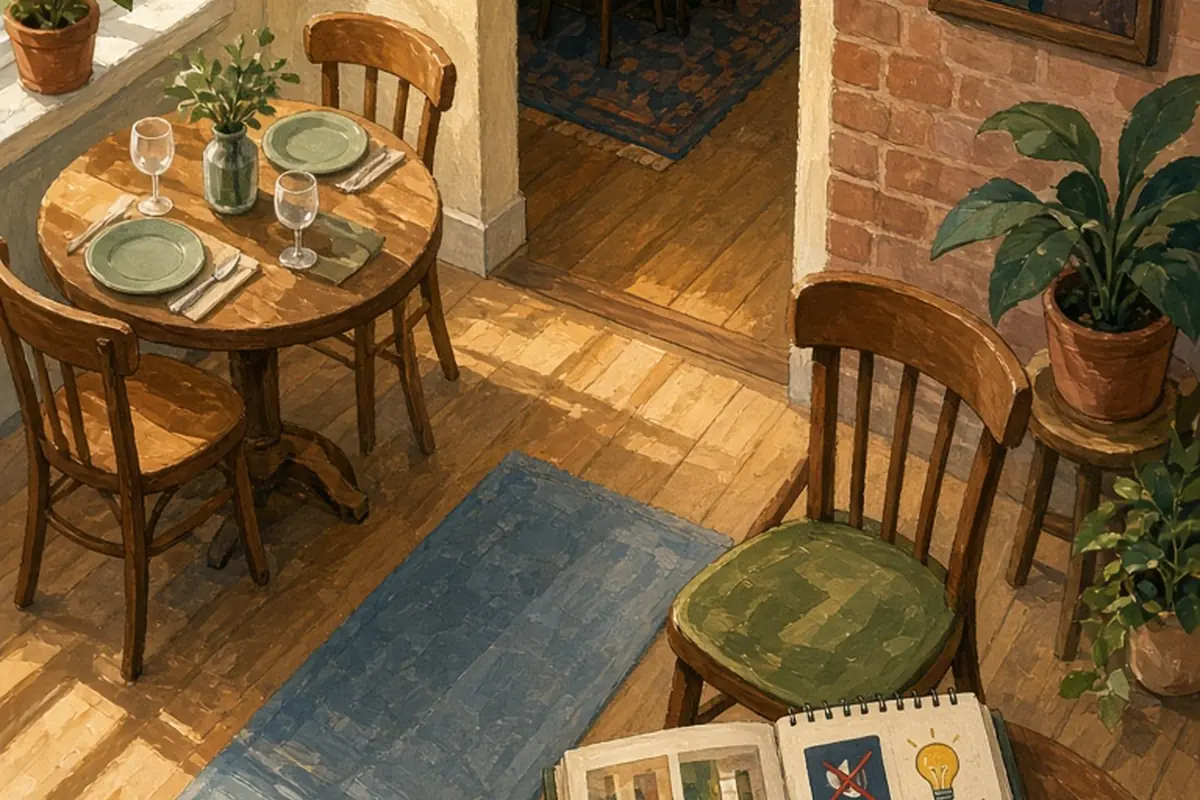
To pick a romantic restaurant for a date, prioritize an environment that supports easy conversation, comfort, and focused connection over sheer novelty or luxury. Look for places with warm lighting, moderate noise levels where you can talk without straining, comfortable seating arrangements, and an accessible menu that respects dietary needs. Scouting the space beforehand and booking a specific table helps ensure an effortless, relaxed evening.
Choosing where to share a meal with someone you like often feels high-stakes, largely because a restaurant sets the physical and emotional backdrop for your interaction. The right room eases tension, invites natural storytelling, and lets chemistry develop without competition from clattering dishware or blaring speakers.
Prioritize Conversation by Auditing Noise Levels
A venue can serve exceptional food and boast gorgeous decor, but if you have to lean across the table and shout to be heard, romantic momentum quickly stalls. High ceilings, polished concrete floors, uncovered tables, and open kitchens reflect sound, creating an echo chamber that forces everyone in the room to raise their voices. When assessing a restaurant online or in person, look closely at interior photos for soft surfaces like acoustic ceiling tiles, upholstered banquettes, thick curtains, or carpeted sections, all of which absorb excess decibels.
To test a spot before committing, visit during prime evening hours or check crowdsourced noise ratings on local review platforms. If the background soundtrack features aggressive percussion or rapid beats, patrons naturally match that restless tempo, which works against intimacy. Selecting an environment where you can speak at an ordinary volume preserves vocal energy, reduces self-consciousness, and signals to your date that your primary interest is listening to what they have to say.
Choose Flattering Lighting and Thoughtful Layouts
Lighting directly influences nervous systems, setting the tone between an impersonal business lunch and an intimate evening. Bright overhead fluorescents or harsh track lights wash out facial features and heighten self-awareness, making people feel exposed. By contrast, amber-toned accent lamps, recessed fixtures on dimmers, and tabletop candles soften the space, encouraging both people to relax their shoulders and settle into the present moment.
Beyond light fixtures, examine how tables are positioned relative to high-traffic pathways. A table wedged beside the kitchen doors, service stations, or the restroom corridor turns your conversation into a backdrop for servers carrying heavy trays. When booking, ask the host for a corner table or a spot along a perimeter wall where foot traffic remains light, ensuring your focus stays on each other rather than peripheral disruptions.
Evaluate Seating Options for Comfort and Connection
The physical way you sit together shapes the flow of your interaction. Facing each other directly across a standard two-top table can sometimes feel formal or interview-like, particularly early in dating. On the other hand, sitting at right angles in a booth or side-by-side along a well-spaced banquette allows for shared glances, natural proximity, and a collaborative viewpoint overlooking the dining room without awkward head-turning.
Be cautious with bar seating or backless stools, which frequently trade visual style for lumbar support. Perching on an unstable, rigid stool for two hours breeds physical fatigue that subtly shortens an otherwise promising evening. If you prefer the energetic hum of a lounge or bar counter, ensure the chairs have padded seats and supportive backs, giving both of you the physical comfort needed to linger over dessert.
Check the Menu for Dietary Flow and Sharing Potential
A romantic menu should feel approachable rather than intimidating or restrictive. Before making a reservation, review the offerings together or confirm your date's food preferences and allergies quietly in advance. A destination famous exclusively for raw shellfish, complicated game meats, or heavy dairy can induce anxiety if your guest adheres to plant-based dining or manages food sensitivities.
Look for menus that feature balanced small plates, varied entrees, and thoughtful non-alcoholic pairings alongside the wine list. Sharing small plates creates playful micro-decisions and invites casual discussion about tastes without dominating the conversation. The goal is simple nourishment that supports social rhythm; meals requiring messy finger-work, extreme heat, or elaborate table disassembly can inadvertently generate self-conscious awkwardness.
Match the Venue's Formality to the Relationship Stage
Romance exists on a wide spectrum, and the most effective restaurant aligns with your current relationship dynamic rather than an abstract ideal of luxury. Booking an austere, seven-course tasting menu with strict pacing for a first or second date introduces unnecessary pressure and financial expectation, leaving little room for an easy exit if the connection lacks mutual interest. For early dates, an intimate neighborhood bistro, cozy wine bar with small plates, or vibrant tapas room strikes a balanced, low-pressure tone.
For milestone celebrations or established couples, a more refined dining room with dedicated white-tablecloth service can appropriately honor the occasion and feel deeply special. The trade-off lies in understanding that higher formality demands longer meal duration. If you are still exploring whether your senses of humor and values align, opt for a location that permits flexibility to wrap up comfortably after an hour or stay for an extra round of coffee if the evening sparkles.
Manage the Logistics to Avoid Evening Friction
Even the most picturesque room loses its charm if the arrival experience is fraught with parking headaches, long waits on the sidewalk, or confusing payment procedures. Always secure a reservation rather than walking in on a weekend evening hoping for an empty table, which risks leaving your date stranded in a noisy vestibule for forty-five minutes. If you must adjust plans on the fly, call ahead to verify current wait times.
Consider the entire transit journey from door to door. Check whether the restaurant offers valet, has nearby secured parking, or sits within a short walk of reliable transit options. Handling these background practicalities with calm forethought eliminates petty stress, letting both of you transition from your workday headspaces into a receptive, relaxed mood before the water glasses are filled.
Illustrative Scenarios
Navigating the First-Date Venue Dilemma
Mark wanted to impress Elena on their third date and considered booking an ultra-trendy downtown steakhouse known for celebrity sightings and loud house music. He worried that choosing a quieter, modest spot might make him seem unadventurous. Recognizing that their past conversations had been rich and personal, Mark shifted his plan and reserved a booth at a small, warm Italian trattoria with soft lighting and acoustic ceiling panels. Throughout the dinner, Elena leaned in easily without raising her voice, and they spent two hours talking comfortably about childhood memories.
Key point: Selecting a setting designed for quiet conversation builds deeper personal intimacy than chasing high-energy trends that compete for your date's attention.
Adapting to Unspoken Dietary Preferences
Julian invited Chloe to dinner and almost booked his favorite local smokehouse. Remembering that Chloe occasionally mentioned eating light weekday meals, Julian paused and sent a quick note asking if she had any food restrictions or preferences for the evening. Chloe appreciated the inquiry and mentioned she was strictly vegetarian. Julian pivoted to a contemporary Mediterranean restaurant offering creative vegetable mezze, house-made pastas, and a quiet patio. The shared dishes sparked laughter and easy banter, avoiding an uncomfortable moment at the table.
Key point: Checking dietary boundaries ahead of time prevents quiet discomfort and demonstrates considerate, practical care before the date even begins.
Frequently asked questions
Is it better to sit across from your date or next to them?
Sitting across from each other provides clear eye contact, which works well for early dates when establishing initial rapport. Sitting at a right angle, such as in a corner booth or banquette, softens the intensity and allows for a shared view of the room without feeling confrontational.
How do I know if a restaurant is too loud before going?
Check recent customer reviews for mentions of noise or loud music, and look at photos for hard, echo-prone surfaces like concrete and metal. You can also call during late afternoon prep hours to ask the host about their typical sound levels and background playlist.
What should I do if the assigned table is noisy or uncomfortable?
Politely and discreetly ask the host or server if another table is available before you order drinks, explaining with a smile that you are hoping for a slightly quieter spot. If the restaurant is fully booked, focus gracefully on your companion rather than letting frustration dictate the tone.
Your next step
Take ten minutes today to research two reliable neighborhood restaurants with moderate noise, warm lighting, and versatile menus, so you always have a confident, low-stress reservation ready for your next date.