Preparing for dating after a long marriage requires assessing emotional independence, establishing clear relationship intentions, and learning modern dating communication. Start by clarifying your personal boundaries, separating current desires from past marital habits, and selecting one or two low-pressure avenues to meet people. Take dates at a deliberate pace, protect your personal information, and prioritize genuine mutual curiosity over rushing to replace a former partnership.
Stepping back into dating after decades in a single partnership can feel like entering an entirely unfamiliar social landscape. The norms around meeting, communicating, and establishing commitment have evolved, but core human needs for mutual respect, honesty, and emotional safety remain steady.
Gauging Emotional Readiness Before Re-entering the Dating Pool
The decision to date again should stem from a desire to share your life rather than an attempt to escape the discomfort of solitude. When a long marriage ends through divorce or bereavement, daily routines, social circles, and personal identities are often disrupted. Entering the dating world while still relying on a partner to define your self-worth or fill an empty schedule frequently leads to hasty decisions and emotional burnout. Take time to evaluate whether you feel grounded in your solo routine, capable of enjoying your own company, and ready to navigate the inevitable ambiguities and occasional rejections that accompany modern courtship.
A practical indicator of readiness is your ability to discuss your past marriage neutrally without intense resentment, overwhelming grief, or an urge to over-explain past conflicts. If an interaction with a prospective date immediately triggers reflexive comparisons to your former spouse, you may need additional time to process the transition. Dating is most rewarding when you view new acquaintances as distinct individuals with their own histories, rather than yardsticks against which your past life is measured.
Clarifying Relationship Goals and Non-Negotiable Boundaries
Dating later in life often involves completely different priorities than dating in your twenties or thirties. You may no longer be looking to raise children, combine finances, or even share a primary residence. Many mature adults prefer alternative relationship models, such as living apart together (LAT), long-term non-cohabiting companionship, or focused casual dating centered on shared travel and cultural interests. Determining what you actually want prevents you from drifting into someone else's expectations out of habit.
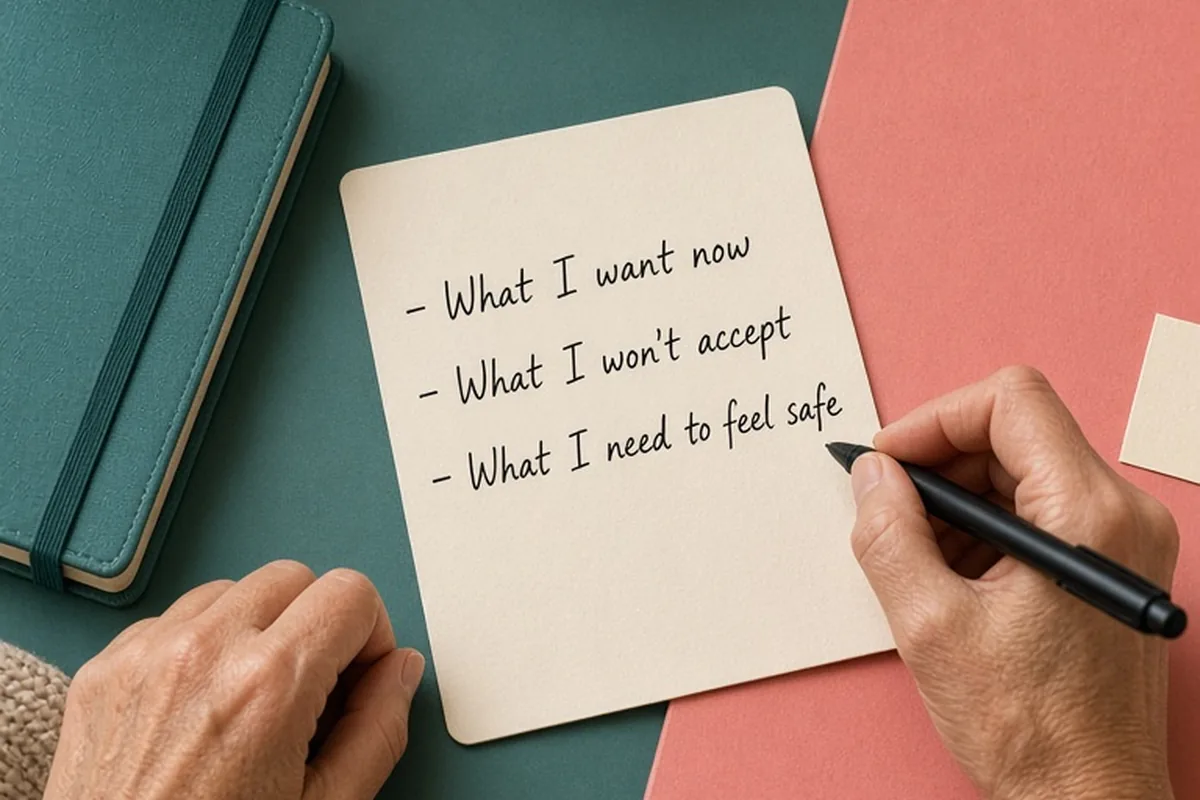
Establishing your non-negotiable boundaries before meeting prospective partners keeps you grounded when romantic momentum builds. Consider your stance on financial autonomy, schedule flexibility, family involvement, lifestyle habits, and core personal values. Knowing where you are willing to compromise, such as differing tastes in music or recreational hobbies, versus where you must stand firm, such as financial independence or respectful communication, allows you to evaluate compatibility objectively during early conversations.
Navigating Dating Apps and Profiles After Decades of Marriage
Modern dating platforms can seem intimidating if your previous courtship occurred before smartphones existed. Selecting the right platform depends on your goals: some services focus on long-term compatibility through structured questionnaires, while mainstream apps emphasize concise bios and location-based discovery. Choose one or two platforms rather than spreading your attention across multiple apps, which can lead to decision fatigue.
When assembling your profile, prioritize clarity, authenticity, and recent visual accuracy. Select clear, well-lit photos taken within the past twelve months that show you smiling, engaging in activities you enjoy, and looking directly at the camera. Avoid using outdated snapshots, heavy image filters, or group pictures where you cannot be easily identified. In your written bio, highlight your current lifestyle, active interests, and the kind of connection you are seeking, rather than listing past grievances or what you wish to avoid.
Dating app communication moves quickly, but you can set your own pace. Exchange a handful of thoughtful messages over a few days to gauge basic conversational rapport, then transition to a brief voice or video call before committing to an in-person meeting. This intermediary step confirms that the person matches their profile persona, helps verify mutual interest, and saves time for both parties.
Managing First Dates, Personal Privacy, and Romance Scam Risks
First dates should be low-pressure, daytime or early-evening encounters designed solely to see if there is conversational chemistry. Opt for public, neutral environments such as a coffee shop, an art museum, or a casual neighborhood bistro. Keep the duration intentionally brief—roughly forty-five to seventy-five minutes—so that neither person feels trapped if the connection falls flat, while leaving room for anticipation if the conversation goes exceptionally well. Always arrange your own transportation to and from the venue.
Personal privacy and financial safety are paramount when interacting with new acquaintances online and offline. Guidance from consumer protection authorities notes that romance scammers frequently target individuals undergoing major life transitions, such as recent widowhood or divorce, by moving communication quickly to private channels, professing intense affection prematurely, and ultimately fabricating financial crises or investment opportunities.
To protect yourself, never send money, gift cards, wire transfers, or cryptocurrency to anyone you have met online, regardless of how convincing or tragic their story seems. Keep your home address, workplace specifics, financial standing, and family identifiers private until consistent in-person interactions over several months have established verified trust.
Further reading: FTC: What to know about romance scams
Handling Family Conversations, Adult Children, and Mutual Friends
Dating after a long marriage rarely occurs in a social vacuum. If you have adult children, their reactions may range from enthusiastic encouragement to confusion, anxiety, or protectiveness over their other parent's memory. Communicate your decision to date as a healthy, autonomous adult choice. Reassure them that seeking companionship does not erase family history or diminish your love for them, but maintain firm boundaries regarding your personal life and privacy.
It is wise to keep initial dates private from your broader social circle and adult children until a connection demonstrates genuine long-term potential. Introducing casual matches or short-term dates into family gatherings or long-standing friend groups can create unnecessary social friction and emotional complications. Let new relationships develop in their own separate space before integrating them into your existing social fabric.
Pacing Physical Intimacy and Rebuilding Emotional Vulnerability
Returning to physical intimacy after years of being with one partner can evoke self-consciousness regarding body changes, aging, or performance anxiety. These feelings are entirely normal and shared by nearly everyone re-entering the dating market in mid-life or beyond. Rebuilding vulnerability requires self-compassion and recognizing that mature adults value genuine warmth, patience, and attentiveness far more than physical perfection.
Communicate openly about pacing, boundaries, and sexual health before becoming physically intimate. Discussing barrier methods, contraception where relevant, and current STI testing status is a responsible health practice for adults of all ages, regardless of life stage. A respectful partner will welcome straightforward communication and never pressure you to move faster than you find comfortable.
Evaluating Long-Term Compatibility Without Repeating Old Marriage Habits
Long marriages often establish deeply ingrained relational habits, such as conflict avoidance, default caretaking, or passive communication patterns. When dating new people, observe whether you are unconsciously slipping into the same role you occupied in your previous relationship. Pay close attention to how a prospective partner responds to minor disagreements, schedule changes, and personal boundaries, as these reactions reveal emotional maturity and compatibility.
Assess compatibility across multiple everyday contexts rather than solely during curated date nights. Notice how the person treats service workers, handles travel disruptions, manages their own responsibilities, and supports your independent friendships and hobbies. Lasting companionship thrives on mutual respect, emotional equilibrium, and shared values rather than an urgent desire to recreate the familiarity of married life.
Illustrative Scenarios
Managing the Urge to Compare New Matches to a Late Spouse
After 27 years of marriage and two years of bereavement, 56-year-old David joined a local walking group and agreed to a coffee date with a woman named Sarah. During their first two outings, David found himself mentally cataloging every difference between Sarah's conversational style and his late wife's habits, feeling sudden guilt whenever he found Sarah funny or charming. Recognizing that he was holding Sarah to an unfair standard based on decades of accumulated history, David paused to reframe his perspective: he acknowledged his grief without letting it dictate his present interactions, allowing Sarah to be evaluated simply as an interesting, separate individual.
Key point: New connections cannot and should not mirror a decades-long partnership; judging dates on their unique qualities prevents past memories from blocking present opportunities.
Spotting Pressure and Protecting Financial Boundaries Online
Elena, 52, divorced after a 20-year marriage and created her first dating profile. Within two weeks, a match initiated constant messaging, showered her with romantic declarations, and quickly suggested moving their conversation off the platform to encrypted text. Ten days later, he claimed his overseas consulting contract hit a banking snag and asked for a temporary wire transfer to cover equipment costs. Recognizing the rapid intimacy and financial request as established scam indicators, Elena declined, reported the profile on the platform, and blocked the contact immediately.
Key point: Legitimate romantic prospects never ask for money or attempt to accelerate emotional dependency before meeting in person.
Frequently asked questions
How long should I wait after a divorce or the loss of a spouse before dating?
There is no universal calendar requirement, as healing varies widely depending on individual circumstances and whether the marital separation was gradual or sudden. Focus on emotional indicators rather than a specific number of months: you should feel comfortable managing your daily life independently and able to discuss your past without overwhelming distress or resentment.
What should I do if my adult children are uncomfortable with me dating?
Acknowledge their feelings with empathy while maintaining clear boundaries regarding your personal autonomy. Explain that your desire for companionship does not alter your family commitments or dishonor the past, and avoid introducing new partners to your children until a relationship has proven stable over a significant period.
How should I bring up my previous long-term marriage on an early date?
Acknowledge your past marriage briefly and respectfully if it comes up naturally, focusing on the factual duration and your positive outlook on your current life stage. Avoid detailed discussions of marital grievances, legal disputes, or extensive personal histories during initial dates, keeping the primary focus on learning about each other in the present.
Are dating apps necessary, or can I meet people through other avenues?
Dating apps are a common tool, but they are not the only option. Many adults find meaningful connections through interest-based clubs, volunteer organizations, alumni networks, recreational sports leagues, community education classes, and introductions through trusted mutual acquaintances.
Your next step
Take one concrete step this week: write down three non-negotiable personal boundaries and choose a single, low-pressure avenue—such as an interest-based club or one well-reviewed dating app—to begin exploring connections at your own pace.