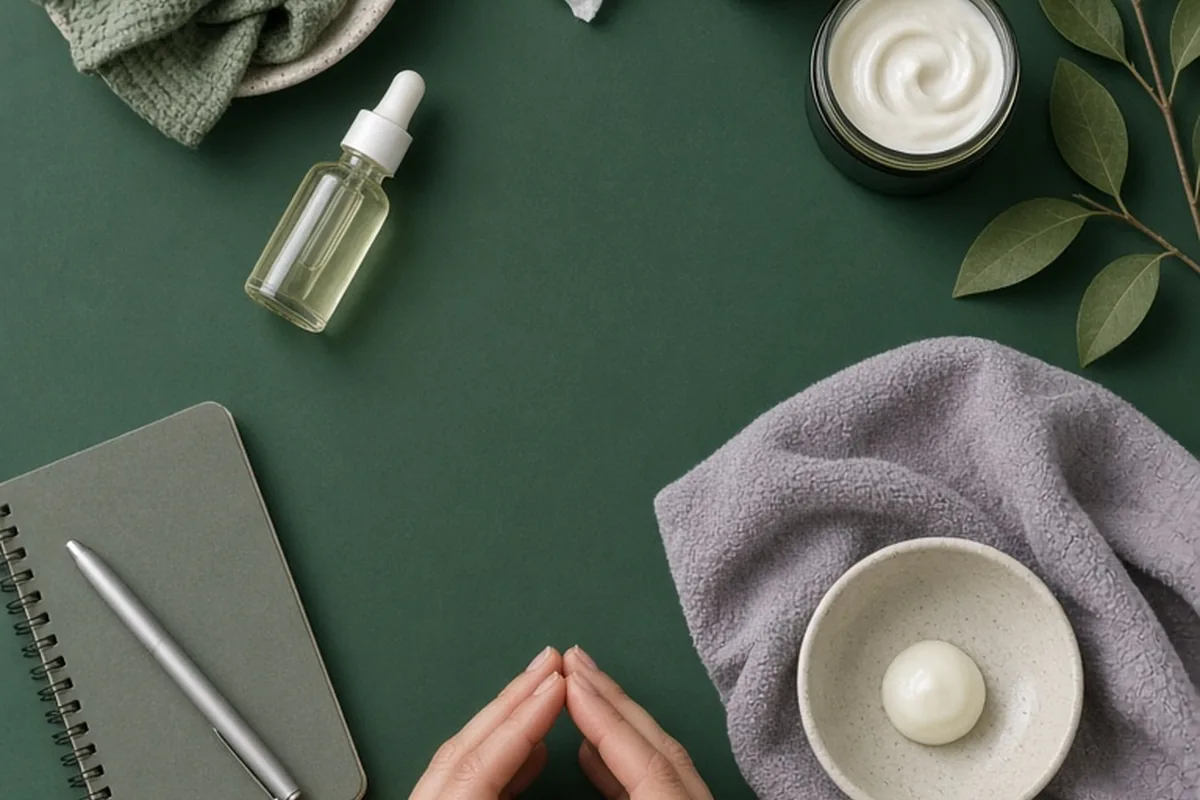
To use retinol as a beginner, start with an over-the-counter low-strength formula applied once or twice weekly at night. Cleanse your skin gently, allow your face to dry completely, apply a pea-sized amount over the entire face while avoiding the immediate eye area and lips, and follow with a nourishing moisturizer. Gradually increase application frequency every few weeks as your skin builds tolerance, always pairing evening use with daily broad-spectrum sunscreen.
Starting a topical retinoid is one of the most effective steps for addressing uneven texture, early fine lines, and recurring blemishes, but improper application often leads to flaking and barrier disruption.
Retinol vs. Other Retinoids: Comparing the Vitamin A Family
Retinoids encompass an entire family of vitamin A derivatives, yet each variant interacts with your skin cells differently based on how many enzymatic conversion steps it requires. Pure retinol must first be converted into retinaldehyde and then into retinoic acid before cellular receptors can utilize it. This multi-step process makes over-the-counter retinol gentler and slower-acting than direct retinoic acid, providing a balanced entry point for first-time users. Retinyl esters, such as retinyl palmitate and retinyl acetate, require an additional preliminary conversion step, resulting in the mildest effect suited for exceptionally reactive or sensitive complexions.
In contrast, retinaldehyde (retinal) sits just one conversion step away from retinoic acid, delivering faster visible results with a slightly higher risk of initial dryness. Prescription retinoids, such as tretinoin and adapalene, bypass conversion entirely and bind directly to skin receptors. According to the American Academy of Dermatology, topical retinoids play a central role in unclogging pores and managing acne, but prescription formulations carry a higher likelihood of initial peeling and redness. Beginners generally experience smoother transitions by starting with standard encapsulated retinol or retinyl esters before considering stronger derivatives.
Further reading: American Academy of Dermatology: Acne
Top Beginner Retinol Formats: Choosing the Right Texture and Formula
Selecting the right retinol product depends heavily on your baseline skin type, your existing moisture barrier health, and the supporting ingredients within the formulation. Beginner-friendly formulations generally fall into three practical categories: encapsulated slow-release serums, rich lipid-replenishing creams, and hydrating oil suspensions. Encapsulated retinol formulas enclose the active ingredient in lipid or polymer spheres, allowing the molecule to penetrate gradually throughout the evening rather than releasing all at once. This sustained delivery significantly reduces surface irritation while remaining suitable for combination and normal skin types.
For dry, compromised, or mature skin, cream-based retinol formulations provide essential barrier support by combining low-strength retinoids with ceramides, squalane, or colloidal oatmeal. These emollient bases cushion the active ingredient and prevent excessive moisture evaporation overnight. If your skin is oily or prone to persistent congestion, lightweight fluid serums with soothing agents like bisabolol or allantoin provide the necessary cell renewal without feeling heavy or leaving an occlusive film. When evaluating options, prioritize products housed in opaque, airless pumps to maintain the stability of light-sensitive vitamin A molecules.
Step-by-Step Evening Application: How to Apply Retinol Properly
Proper application technique prevents localized hot spots of irritation and ensures even absorption across facial contours. Begin your evening regimen with a mild, non-stripping cleanser and lukewarm water, gently patting the skin dry with a clean towel. Crucially, wait several minutes until your skin is entirely dry to the touch before applying your active. Applying retinoids to damp skin accelerates absorption rates and can significantly increase tingling, stinging, and redness.
Dispense a single pea-sized portion of your retinol product onto your fingertip. Dab equal tiny dots across your forehead, cheeks, nose, and chin, then smooth the product outward in thin, even layers. Take care to avoid the delicate skin directly bordering the eyelids, outer corners of the eyes, creases of the nose, and the vermilion border of the lips, as these areas feature thinner skin that cracks easily under active cell turnover. Allow the product to absorb for one to two minutes before smoothing a rich, non-comedogenic moisturizer over your face and neck to seal in hydration.
Buffering and Pacing Strategies for Sensitive or Reactive Skin
If you have sensitive skin, rosacea-prone areas, or an easily irritated barrier, direct application may trigger immediate flaking. The sandwich method offers a reliable buffering technique to moderate absorption without diminishing long-term efficacy. To execute this method, apply a lightweight layer of basic moisturizer first, wait a few minutes for it to dry, apply your pea-sized amount of retinol, and finish with a second layer of heavier barrier cream. This physical buffer slows transdermal penetration, keeping irritation minimal while your skin adapts.
Pacing your weekly schedule is equally critical during the initial months. Follow a gradual progression model: apply your retinol once during the first week, twice weekly spaced several days apart during weeks two and three, and three times weekly on alternate evenings by weeks four and five. Never rush to nightly application; consistent alternate-night use often delivers excellent cellular renewal without stressing the skin barrier. If at any point you notice persistent stinging when applying basic moisturizer, pause retinol use for several days and focus entirely on barrier repair.
Managing the Retinization Phase, Purging, and Dryness
When introducing retinol, your skin undergoes an adjustment period known as retinization, during which accelerated cell division can temporarily outpace stratum corneum shedding. This phase commonly manifests as mild flaking, minor tightness, and transient sensitivity to other skincare products. Retinoid purging may also occur if you have underlying microcomedones, as accelerated turnover pushes dormant blockages to the surface in the form of small whiteheads or papules in areas where you typically experience breakouts.
Differentiating between expected purging and an allergic reaction or barrier breakdown is essential for safe management. Purging typically presents as temporary blemishes in familiar breakout zones and resolves gradually over several weeks. In contrast, widespread burning, persistent itching, swelling, or redness across areas where you rarely break out indicates barrier compromise or contact irritation. If signs of a compromised barrier emerge, suspend retinol application, eliminate all other active ingredients, and apply simple lipid-rich creams containing ceramides, panthenol, and fatty acids until normal skin comfort returns.
Further reading: American Academy of Dermatology: Acne
Ingredient Combinations: What to Pair and What to Avoid
Structuring a compatible product routine ensures your skin tolerates retinol while maximizing overall skin health. Excellent companion ingredients for your evening routine include hyaluronic acid, glycerin, niacinamide, and ceramide complexes. Niacinamide is particularly beneficial because it supports natural ceramide synthesis, reinforces barrier lipids, and calms surface redness, mitigating the drying effects of retinoid use when layered together or used in complementary routine steps.
Conversely, certain active ingredients should not be layered directly alongside retinol in the same evening session. Direct chemical exfoliants, including alpha hydroxy acids (glycolic and lactic acids) and beta hydroxy acids (salicylic acid), increase peeling and strip protective surface oils when combined with retinoids. Benzoyl peroxide can also cause excessive dryness and may deactivate certain unencapsulated retinol molecules if applied simultaneously. If you wish to use exfoliating acids, vitamin C, or acne washes, schedule them on alternate mornings or dedicated non-retinol recovery evenings.
Daytime Sun Protection and Ongoing Retinol Maintenance
Retinoids degrade rapidly when exposed to direct ultraviolet radiation, which is why topical application is strictly reserved for nighttime routines. Furthermore, because retinol accelerates the shedding of top-layer dead skin cells, the newly exposed epidermal layers are more susceptible to UV-induced sunburn and photoaging. Using retinol without rigorous daytime sun protection counteracts the collagen-preserving benefits of the ingredient and increases the risk of post-inflammatory hyperpigmentation.
Every morning following an evening retinol application, cleanse gently or rinse with water and apply a broad-spectrum sunscreen with an SPF rating of 30 or higher. Reapply sun protection during prolonged outdoor exposure or after swimming and sweating. Maintain consistent sun protection habits year-round, as UVA rays penetrate cloud cover and window glass. Over time, consistent protection paired with steady nighttime retinoid use maintains healthy epidermal density and long-term skin resilience.
Frequently asked questions
How long does it take to see visible results from beginner retinol?
Visible improvements in skin texture and radiance typically appear after eight to twelve weeks of consistent use. Deeper improvements in persistent hyperpigmentation, fine lines, and firm tone generally take three to six months of regular application.
Can I use retinol around my eyes and on my neck?
The thin skin on the neck and immediate eye area is prone to severe irritation from standard facial retinols. Use a specialized low-concentration eye formula around the orbital bone, and buffer with moisturizer when applying to the neck.
What should I do if my skin starts peeling or stinging?
Pause all retinol applications for three to five days and avoid physical scrubs or chemical acids. Focus on applying gentle, fragrance-free barrier creams rich in ceramides and soothing panthenol until your skin feels comfortable, then restart at a lower frequency.
Your next step
Inspect your current evening skincare products, remove all exfoliating acids from that routine, and start by applying a single pea-sized drop of low-strength retinol buffered with moisturizer once this week.