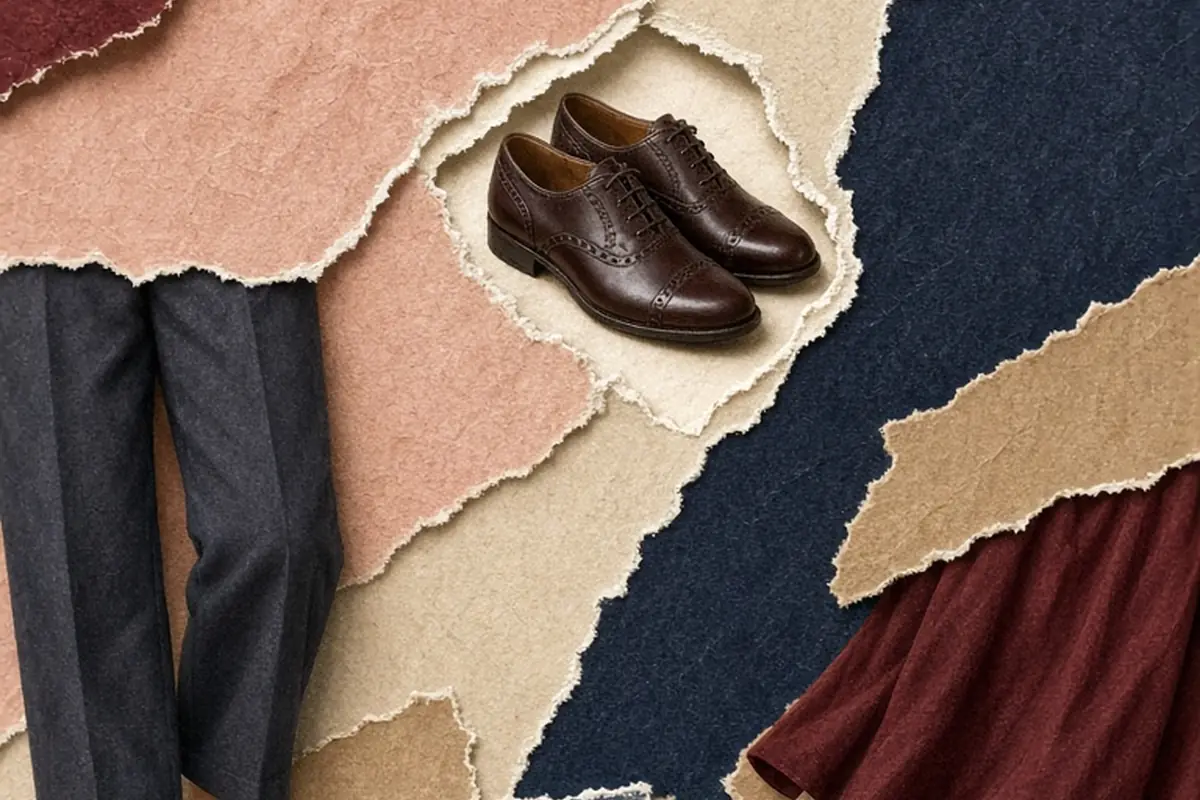
To wear women's oxford shoes stylishly, balance their structured, menswear-inspired design with modern silhouettes. Pair classic flat oxfords with ankle-grazing trousers or straight-leg denim to highlight the footwear's clean lines. For dresses and skirts, choose midi lengths or structured A-line cuts to counterbalance the shoe's grounding presence. Style them sockless with low no-show liners for warmer weather, or add visible ribbed crew socks for deliberate texture.
Originally rooted in traditional British menswear, oxfords have evolved into one of the most versatile staples in contemporary women's wardrobes. Their closed-lacing construction provides an inherently neat, polished profile that can instantly sharpen casual weekend denim or lend grounded sophistication to fluid tailoring, offering an elegant alternative to sneakers, ballet flats, and conventional loafers.
Mastering Proportions with Cropped and Tailored Trousers
Because oxford shoes feature closed lacing that sits flush against the instep, they create an uninterrupted, sleek line along the top of the foot. When pairing them with trousers, the hemline dictates the overall balance of the outfit. Ankle-length or slightly cropped trousers—ending roughly one to two inches above the collar of the shoe—are universally flattering because they expose a narrow sliver of ankle. This gap prevents tailored trousers from bunching awkwardly over the stiff leather vamp, preserving the shoe's crisp silhouette.
For a clean office look, try pairing slim-fit cigarette pants or tapered pleated trousers with smooth black or burgundy box-calf oxfords. If you prefer modern wide-leg trousers, ensure the inseam is tailored precisely to graze the top of the sole without dragging on the pavement. A common trade-off with floor-skimming wide hems is that they can completely hide the distinctive lacing detail of an oxford, effectively making them look like plain round-toe boots. Choosing a subtle front slit in the trouser hem or opting for a high-waisted, fluid drape can showcase the shoe while keeping the silhouette elongated.
Grounding Everyday Denim from Straight Cuts to Relaxed Fits
Pairing oxford shoes with jeans is an effective way to downplay the formal, academic reputation of traditional leather footwear. The contrast between utilitarian denim and structured leather creates an intentional, high-low aesthetic. Mid-wash, high-rise straight-leg jeans work particularly well here. The natural structure of straight denim echoes the architectural lines of the oxford without competing with it.
To style this combination successfully, focus on the hem treatment. A clean-hemmed jean that hits right at the ankle bone keeps the look polished, while a gentle double-cuff on a relaxed vintage cut adds an effortless weekend feel. For example, combine medium-blue rigid denim with rich cognac brogue oxfords, a tucked white crew-neck tee, and an unbuttoned lightweight trench coat. Avoid ultra-skinny jeans that bunch heavily at the ankles, as the excess fabric can create an unbalanced, top-heavy visual break right above a low-profile shoe.
Juxtaposing Oxfords with Dresses and Feminine Skirts
Styling oxfords with skirts and dresses relies on subverting expectations. Traditional dress footwear often leans delicate or pointed, whereas an oxford introduces tailored weight and menswear structure. When combined with feminine pieces like floral tea dresses, pleated midi skirts, or bias-cut slip dresses, oxfords prevent the ensemble from feeling overly precious or formal.
Proportion is crucial when wearing skirts with flats. Midi skirts that hit mid-calf offer a flattering balance, framing the lower leg while allowing the shoes to anchor the lower half of your frame. For example, a black satin midi skirt paired with an oversized knit sweater and patent leather oxfords creates an interesting textural blend of soft knit, fluid silk, and high-shine leather. If you choose a mini skirt or shorter dress, consider an A-line silhouette or a structured pinafore dress. However, keep in mind that flat oxfords with very short hemlines can read somewhat collegiate, so you might offset that impression with clean, minimalist accessories rather than satchels or varsity layers.
Navigating Socks: From Invisible Liners to Intentional Hosiery
How you cover or reveal your ankles completely changes the tone of an outfit built around oxfords. The most effortless warm-weather choice is going sock-free in appearance by wearing ultra-low, silicone-gripped no-show liners. This shows off the ankle joint, which naturally slims the leg line and softens the structured shape of the shoe, making it ideal when wearing cropped chinos or sundresses.
When cooler weather arrives or when you want to lean into preppy and vintage aesthetics, socks become a primary styling tool rather than a hidden utility. Textured crew socks in ribbed cotton, merino wool, or fine cashmere look deliberate when paired with cropped trousers or pleated skirts. For instance, pairing charcoal grey ribbed socks with oxblood leather oxfords and dark denim introduces warmth and dimension. Sheer patterned hosiery, micro-fishnets, or semi-opaque black tights can also seamlessly bridge the gap between skirts and oxfords during winter. The practical limit lies in sock thickness: thick athletic tube socks can stretch the leather of a fitted oxford and make the vamp uncomfortably tight across your instep.
Selecting Soles and Finishes: Classic, Platform, and Patent
Not all oxfords carry the same visual weight, and the thickness of the sole dictates how casual or formal the shoe feels. Traditional thin-soled leather oxfords possess a low profile that leans toward classic, formal, and conservative styling. In contrast, lug-soled and platform oxfords have a contemporary, slightly rebellious edge that pairs exceptionally well with streetwear, oversized tailoring, and heavier winter outerwear.
The leather finish also influences your outfit choices. High-shine patent leather brings a dressed-up, evening-ready touch that elevates matte textiles like denim, wool, and heavy cotton. Matte calfskin and smooth leather are the most versatile for daily rotation, requiring only routine conditioning to maintain their luster. Suede oxfords offer a softer, more casual look that harmonizes well with tweed, corduroy, and autumnal knitwear. The trade-off with delicate suede or high-gloss patent is maintenance: suede requires water-repellent protection, while patent leather can show scuff marks and crease lines more visibly than natural grain leather.
Building Refined Workwear and Business-Casual Outfits
Oxfords are a natural fit for professional settings, offering all-day walking comfort without the casual informality of sneakers. When assembling a business-casual wardrobe, oxfords serve as a bridge between formal suit separates and relaxed knitwear. They allow you to maintain a sharp appearance while commuting on foot or moving through an active workday.
To construct a dependable office outfit, pair neutral leather oxfords with high-waisted wool trousers, a tucked silk blouse or fine-gauge turtleneck, and an unstructured wool blazer. If your office leans more casual, swap the tailored blazer for a relaxed cardigan coat or a crisp cotton button-down worn loose over ankle-length chinos. A helpful design consideration is the toe shape: an almond or subtly tapered toe creates a more formal, elongating line that complements sharp tailoring, whereas a broad, rounded toe leans inherently casual and works best with relaxed separates.
Adapting Oxfords for Trans-Seasonal and Cold-Weather Wear
Transitioning oxfords across different seasons is primarily a matter of fabric weight and outerwear pairing. During spring and early autumn, oxfords pair effortlessly with lightweight trench coats, linen blend blazers, and bare ankles. As temperatures drop, shift the visual weight of your top layers to match the sturdy leather on your feet, turning to structured wool overcoats, heavy knit scarves, and corduroy jackets.
For late autumn and winter styling, pair deep brown or black oxfords with opaque tights, a wool skirt, and an oversized coat. Alternatively, wear them with full-length straight wool trousers over thermal socks. The primary limitation during winter is moisture and road salt. Classic single-leather soles absorb water quickly and provide very little traction on icy or slick surfaces. If you plan to wear your oxfords through wet months, consider having a local cobbler apply a thin rubber top-sole (protective half-sole) or invest in a pair built with a Goodyear welt and a Vibram lug sole for reliable grip.
Frequently asked questions
Can I wear oxford shoes with bare legs without getting blisters?
Yes, but wearing high-quality no-show socks with silicone heel grips is strongly recommended over going truly barefoot. Genuine leather oxfords can rub against the heel counter and across the top of the instep, particularly during the initial break-in period. Applying anti-friction balm to blister-prone spots can also make bare-ankle wear comfortable.
What is the difference between an oxford and a derby shoe?
The difference lies in the lacing system. Oxfords feature a closed-lacing construction where the eyelet tabs are stitched underneath the front portion of the shoe (the vamp), creating a very sleek profile. Derbys feature an open-lacing system where the eyelet tabs are sewn on top, offering a slightly more relaxed fit and wider adjustment range.
Do women's oxford shoes look flattering on shorter frames?
Oxfords look flattering on all heights when paired with the right hem lengths. Opting for ankle-cropped pants or skirts that leave the lower calf and ankle visible prevents the structured shoe from shortening the visual leg line. Choosing an almond-shaped toe rather than a blunt round toe also helps create a subtly elongated silhouette.
How should I break in a new pair of stiff leather oxfords?
Start by wearing them around the house for short intervals paired with thick wool socks to stretch tight contact points gently. Conditioning the leather with a neutral leather balm softens the material faster. Once the leather begins to mold to the contours of your foot, you can gradually wear them for full days outdoors.
Your next step
Inspect your closet for your favorite pair of ankle-length trousers or straight-leg jeans, check the hem break against your oxfords, and assemble a balanced outfit using a simple tucked top and structured outerwear.