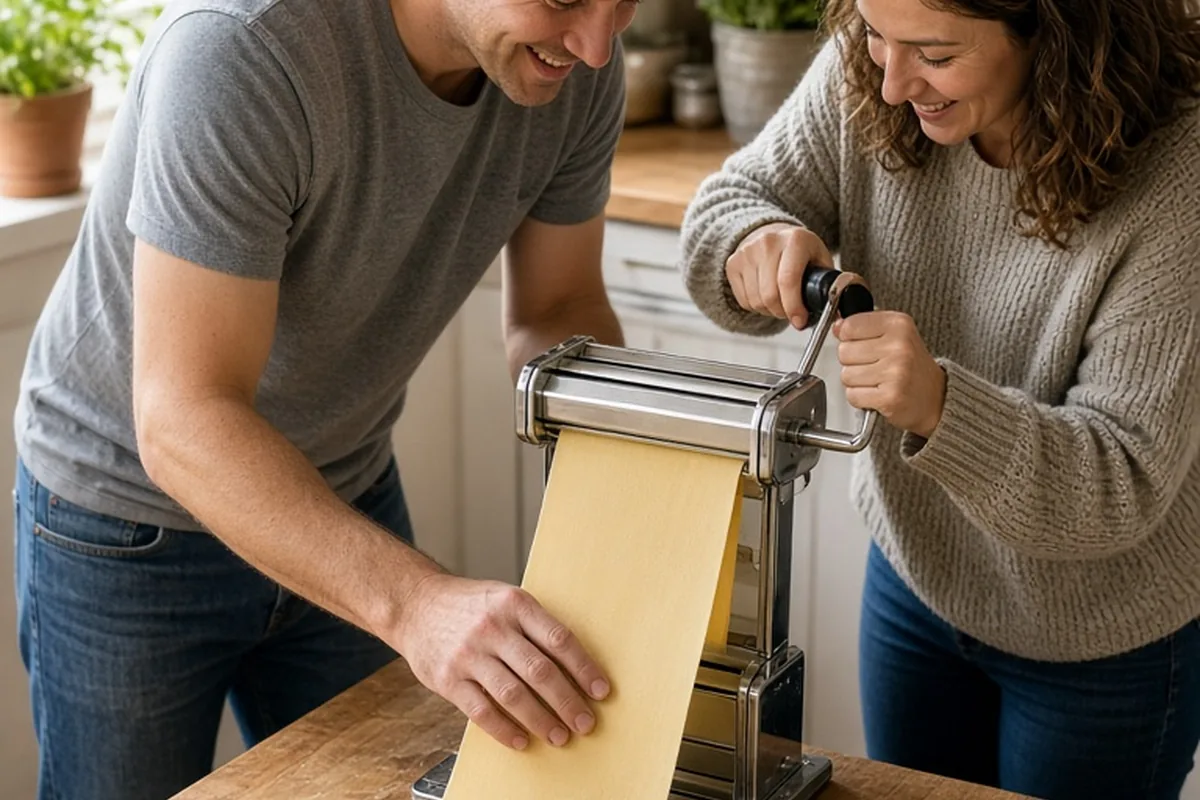
Cooking together spices up date night by transforming meal preparation into an engaging, collaborative shared activity. Choose interactive menus that involve rolling, assembling, or tasting rather than passive waiting. Great options include handmade pasta stations, build-your-own street taco spreads, artisanal pizza challenges, and blindfolded dessert tastings. Keep the experience relaxed by splitting prep work in advance, playing mood music, and focusing on playful teamwork rather than restaurant-grade culinary perfection.
A shared home-cooked meal often turns routine when one partner does all the chopping while the other simply waits at the table. Turning dinner into an intentional date night requires shifting the focus from simply feeding yourselves to actively collaborating over flavors, textures, and new techniques.
Interactive Food Stations That Turn Meal Prep into an Activity
The most effective way to make cooking feel like a date rather than a chore is choosing recipes that require hands-on assembly. When a meal relies on individual components that both partners customize, the kitchen naturally becomes a playground. Handmade pasta is a classic choice because kneading dough, cranking a pasta roller, and cutting fettuccine ribbons requires cooperative physical effort. One person can guide the delicate dough sheet while the other turns the hand crank, creating a natural rhythm of tactile teamwork.
Similarly, rolling sushi rolls or shaping dumplings offers an easy blend of creativity and gentle competition. Set out bowls filled with seasoned sushi rice, thinly sliced raw fish, crisp cucumber matchsticks, avocado, and toasted nori sheets. Comparing your first rolled maki or pleated gyoza breaks the ice instantly, and minor structural imperfections only add humor to the process. Because these dishes come together in small, repeatable batches, you can snack as you build rather than waiting until the end of the evening to eat.
Designing a Smooth Kitchen Workflow Without Stepping on Toes
A romantic cooking night can quickly turn frustrating if two people are competing for the same cutting board, chef's knife, or single burner. Establishing distinct prep zones before you start prevents kitchen traffic jams. Designate one station for wet preparation, such as washing herbs, trimming vegetables, and mixing marinades, and reserve another station for stovetop duties or rolling dough. Having two cutting boards and two prep knives ready eliminates awkward downtime and prevents one person from hovering while waiting for a tool.
Clear task distribution also helps balance different skill levels. If one partner cooks regularly while the other rarely touches a skillet, assign complementary roles based on comfort rather than hierarchy. The experienced cook might manage reduction sauces and pan searing, while the other handles seasoning, garnishes, and dressing the salad. Treating meal preparation as a creative partnership rather than an instructional seminar keeps the atmosphere flirtatious, supportive, and lighthearted.
Low-Stress Tapas and Small Plates for Casual Grazing
Multi-course meals with tight timing often create unnecessary stress, pulling your attention away from conversation. A tapas-style evening solves this dilemma by letting you prepare and enjoy small bites in waves. Dishes like Spanish garlic shrimp, blistered shishito peppers with flaky sea salt, toasted crusty bread with grated fresh tomatoes, and warm manchego cheese require minimal cooking time. You can prepare two small dishes, sit down together to eat and chat, and return to the stove for the next round whenever you feel ready.
Grazing in stages takes the pressure off getting everything hot to the table at the exact same second. It also allows you to experiment with contrasting flavors throughout the night, moving from sharp and tangy bites to savory, richer profiles. Because tapas naturally pair with relaxed conversation, they create an open-ended rhythm that encourages lingering in the kitchen with a favorite drink while trying new culinary combinations at your own pace.
Blind Taste Tests and Flavor Challenges to Spark Playful Rivalry
Introducing sensory games into the cooking routine stimulates conversation and sharpens your appreciation for bold ingredients. A blind taste test is easy to set up before the main cooking begins. Prepare small spoons with various ingredients representing sweet, sour, salty, bitter, and umami profiles, such as aged balsamic vinegar, smoked sea salt, hot honey, microgreens, or dark cocoa powder. Blindfold your partner and have them identify the flavor notes, then switch roles.
Another engaging alternative is a mystery ingredient basket or customized pizza throwdown. Buy pre-made pizza dough, divide it in half, and set out a wide array of toppings, such as prosciutto, fig jam, arugula, gorgonzola, hot soppressata, and chili flakes. Each partner designs a signature flatbread or personal pizza. Once baked and sliced into sharing wedges, you can rate each other's creations on originality, balance, and presentation, sparking friendly banter and discovering unexpected flavor favorites.
Creating Date-Night Ambiance in a Functional Cooking Space
The sensory environment in your kitchen directly influences whether cooking feels like daily labor or an intimate escape. Harsh overhead fluorescent lighting can instantly drain the romance from an evening. Dim the main kitchen lights and rely on under-cabinet lighting, warm side lamps, or safety-positioned candles on nearby countertops. Keeping a curated background playlist of mellow jazz, acoustic melodies, or upbeat bossa nova maintains a vibrant, relaxed energy without drowning out easy conversation.
Plating and table presentation also transform home cooking into a memorable date. Rather than eating directly from storage containers or balancing plates on your laps in front of a screen, set a welcoming table with cloth napkins, real glassware, and polished cutlery. Taking the time to garnish each plate with freshly torn herbs, a drizzle of extra-virgin olive oil, or a crack of black pepper turns simple food into a visual centerpiece that shows intentional care.
Handling Differing Cooking Paces and Accidental Kitchen Blunders
Even with careful planning, kitchen mishaps happen. A sauce might break, garlic can scorch in seconds, or pasta water might boil over. The key to preserving a romantic mood is viewing these moments as shared humor rather than personal failures. If a dish turns out imperfectly, lean into the situation with flexibility. Keeping backup ingredients on hand, such as a jar of good marinara, artisan cheese, or frozen crusty bread, ensures that a burnt pan never ruins your evening.
Communication is equally vital when one partner moves at a faster culinary pace than the other. Avoid taking over your partner's tasks unprompted, as this can make them feel critiqued or sidelined. If you notice your partner struggling with a technique like dicing an onion or folding dough, ask gently if they would like a quick tip or if they prefer to experiment on their own. Respecting each other's pace keeps the dynamic supportive and enjoyable.
Dessert Stations and Sweet Finishes Built for Two
Concluding your cooking date with an interactive dessert extends the connection well after the main plates are cleared. A chocolate fondue or warm dipping station requires minimal active baking but offers immediate sensory pleasure. Melt high-quality dark or milk chocolate with a splash of cream, and assemble a platter of fresh strawberries, sliced bananas, marshmallows, pretzel sticks, and cubes of pound cake. Feeding each other different flavor combinations adds an easy, flirtatious charm to the end of the meal.
If you enjoy hands-on baking, assemble individualized molten chocolate lava cakes or roll individual truffles in toasted coconut, cocoa powder, and crushed pistachios. Because baking involves fragrant aromas of vanilla, melting butter, and spices filling the home, the dessert itself doubles as an aromatic backdrop that makes your living space feel cozy, warm, and inviting.
Illustrative Scenarios
Transitioning from Takeout Fatigue to Collaborative Pizza Making
Jordan and Taylor found themselves falling into a repetitive weekend routine of ordering takeout and scrolling through social media on the couch. Wanting to reconnect without going to an expensive, crowded restaurant, they decided to try an artisanal pizza night at home. Initially, Jordan worried that making dough from scratch would be tedious and messy after a long workweek. Instead of attempting complex fermented dough, they bought fresh dough from a local bakery and focused entirely on assembling creative topping combinations together, including caramelized onions, goat cheese, and spicy hot honey. They divided prep duties, laughed over irregularly shaped crusts, and spent two hours talking, tasting, and listening to music.
Key point: Focusing on creative assembly rather than high-effort technical prep keeps collaborative cooking relaxed, accessible, and fun.
Managing Unequal Cooking Confidence with Clear Stations
Morgan was an experienced home cook who loved complex recipes, while Alex rarely prepared anything more involved than scrambled eggs. On their first cooking date, Morgan instinctively gave step-by-step corrections, which made Alex feel self-conscious and disengaged. Recognizing the rising tension, Morgan stepped back and suggested they switch to a taco and guacamole station where each person took full ownership of separate elements. Alex took charge of seasoning the protein and mixing the fresh citrus guacamole, while Morgan focused on hand-pressing corn tortillas and simmering a roasted salsa. The separation of tasks removed the feeling of being judged and allowed both to take pride in their contributions.
Key point: Assigning independent, complementary tasks prevents micromanagement and lets both partners feel confident and equal in the kitchen.
Frequently asked questions
What is the best type of recipe for a first cooking date?
Choose recipes that focus on assembly and customization rather than strict stovetop timing. Flatbreads, homemade tacos, summer rolls, and personal pizzas allow you to chat and work side by side without worrying about delicate sauce reductions burning.
How can we cook together without making a massive mess?
Adopt the practice of cleaning as you go and prepping ingredients into small bowls before turning on the stove. Using pre-cut vegetables or store-bought dough can also dramatically cut down on dirty dishes while preserving the fun of cooking together.
What if one of us is an expert cook and the other is a beginner?
Split tasks by category rather than having the experienced cook supervise every move. Let the beginner manage seasoning, dressing, and plating choices, while the experienced cook manages higher-heat cooking or complex knife work to keep the vibe collaborative rather than instructional.
How long should a date-night cooking session take?
Aim for an active cooking time of 45 to 60 minutes. Spending longer than an hour on food preparation can lead to fatigue and hunger, detracting from the romantic atmosphere of the evening.
Your next step
Pick one interactive recipe format, agree on a favorite background playlist, and prep your shared cooking station before date night begins.