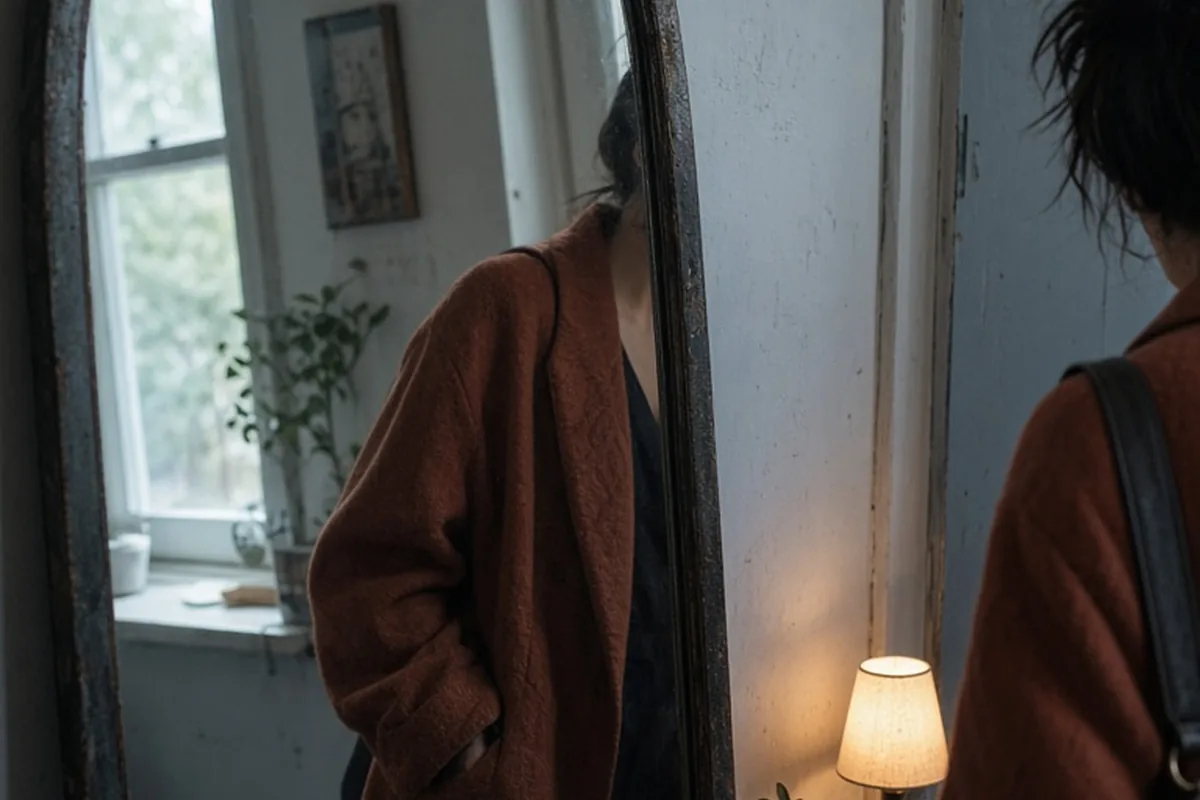
Instagrandstanding is the habit of using performative Instagram posts—such as staged lifestyle photos, deliberate humblebrags, or vague relationship hints—to engineer attraction, signal romantic availability, or trigger jealousy. Instead of initiating direct communication, a person who instagrandstands curates an exaggerated public persona to fish for attention, leading to superficial connections, mixed signals, and persistent dating ambiguity.
Modern romance frequently overlaps with digital curation, making it difficult to tell whether someone is sharing a genuine slice of life or broadcasting an audition tape for prospective partners.
Recognizing the Common Signs of Instagrandstanding
Instagrandstanding thrives on subtle public signaling that masquerades as effortless living. Unlike regular social media updates that capture spontaneous personal memories, these posts are engineered with an audience in mind—specifically potential romantic partners, an elusive crush, or an ex. You might notice someone posting cryptic captions about loyalty, sudden showcases of lavish weekend dinners where only two plates are visible, or workout photos strategically framed to emphasize physical assets under the guise of fitness motivation. The underlying purpose is rarely personal documentation; it is an indirect broadcast aimed at influencing how others calculate their desirability.
To identify this pattern, pay attention to the gap between a person's digital persona and their real-world presence. If someone frequently presents an exciting, luxurious, or emotionally profound life online but seems disengaged, insecure, or emotionally flat in one-on-one conversation, instagrandstanding is likely at play. A concrete example is a date who spends twenty minutes adjusting lighting, camera angles, and menu placement at a restaurant to capture a spontaneous lifestyle shot, only to sit silently checking notification counts for the rest of the evening. The trade-off is clear: while performative posting may attract casual digital applause, it actively detracts from the shared presence required to form genuine romantic chemistry.
The Psychology Behind Curated Dating Displays
At its core, instagrandstanding is driven by a desire for romantic validation coupled with an avoidance of vulnerability. Direct flirting requires risk; sending a clear message or asking someone out carries the possibility of outright rejection. Broadcasting an appealing image to hundreds of followers feels emotionally safer because it distributes the risk across an entire network. If a target does not view or react to a story, the poster can tell themselves that the person simply missed the algorithm update, preserving their ego while avoiding an honest social outcome.
Additionally, algorithmic platforms reward engagement, leading users to conflate digital visibility with personal worth. When someone receives elevated likes or flirtatious direct messages after posting an alluring photo or high-status travel clip, their brain registers that attention as proof of romantic value. Over time, this conditions individuals to treat dating like public relations rather than human connection. The limitation of this strategy is that it attracts people to an edited persona rather than the actual person. When real-world dating inevitably exposes mundane human realities, the gap between curated image and reality often causes rapid disillusionment.
The Real Cost of Performative Romance
When dating revolves around public performance, emotional depth suffers almost immediately. Instagrandstanding turns private milestones into public utility, where shared dates, gifts, or affectionate moments are evaluated primarily by their visual appeal. This dynamic breeds mutual distrust. If your dating partner views every outing through the lens of audience reception, you may begin to feel less like a valued companion and more like an uncredited prop in their personal brand narrative. Genuine intimacy requires privacy, emotional shelter, and moments that belong exclusively to the people experiencing them.
Furthermore, engaging with someone who instagrandstands often traps both parties in an exhausting game of subtext. Instead of asking how your date feels about you, you are left deciphering song lyrics in their stories, analyzing who viewed their updates first, or wondering if a specific post was aimed at someone else. This indirect signaling wastes mental energy and fuels anxious attachment patterns. When communication happens through broadcasted hints rather than direct words, misunderstandings flourish, and neither partner gets the reassurance or clarity needed to build lasting trust.
How to Respond to Subtle Digital Bait
When someone you are dating or interested in begins using social media to send indirect signals, the most grounded response is deliberate non-engagement with the performance. If a match posts a deliberately provocative story or a vague caption that seems intended to provoke a reaction, resist the urge to decode it or send a flattering comment online. Instead, evaluate the connection purely by how they treat you in person or through direct, private communication. By refusing to play the role of an audience member, you establish that your interest is rooted in real-world rapport rather than curated bait.
If the behavior directly affects your dynamic—such as an existing partner posting private details of your disagreements or creating ambiguous posts that invite outside flirtation—address it with calm, objective clarity. You might say, I prefer to keep our personal dynamic between us rather than addressing things through social media. When someone relies heavily on public posturing, establishing this boundary reveals whether they have the emotional maturity for a real relationship. If they dismiss your preference or double down on performative drama, that gives you valuable data about their relational readiness.
Replacing Performative Habits with Grounded Communication
If you catch yourself falling into instagrandstanding habits, recognizing the habit is the first step toward building authentic self-respect. Often, people post strategically when they feel unheard, insecure, or eager to reignite the attention of someone who is pulling away. Before tapping share, ask yourself what specific emotional reaction you are trying to elicit and from whom. If the honest answer is that you want a particular person to notice you, notice your absence, or feel envious, step away from the phone and reconsider your approach.
Choosing direct communication over indirect broadcasts requires courage, but it yields far clearer outcomes. If you want to talk to someone, invite them out directly. If you want to know where you stand, ask them an honest question in person. While a direct invitation risks a clear no, it spares you days of waiting by your screen to see if a certain username appears in your viewer list. Authentic confidence comes from knowing you can handle an honest outcome, whereas instagrandstanding keeps you tethered to the fragile hope of passive validation.
Establishing Healthy Boundaries Around Social Media Use
Sustaining a grounded approach to dating in an image-heavy environment requires conscious digital hygiene. When getting to know someone new, consider keeping social media interactions secondary to direct text messaging, phone calls, and face-to-face dates. Limiting your early access to a match's social profiles prevents you from forming premature assumptions or projecting an idealized narrative onto someone you barely know. Treating social media as casual background noise rather than a primary gauge of romantic interest protects your mental peace.
For couples, mutual clarity regarding what stays private and what gets posted publicly prevents avoidable conflict. Discussing digital boundaries does not mean dictating what your partner can post; it simply means aligning on mutual respect and discretion. Couples who agree that private moments do not require public broadcast generally experience less outside friction and stronger internal trust. When the validation of your connection comes from inside the partnership, neither person feels the urge to grandstand for strangers.
Illustrative Scenarios
Marcus and the Cryptic Story Game
Marcus had gone on three enjoyable dates with someone who suddenly became slow to reply to his text messages. That same evening, she posted a photo at a dimly lit cocktail lounge with an ambiguous caption hinting at bad timing and missed connections. Marcus initially spent hours analyzing whether the post was a hidden invitation for him to chase harder or a subtle rejection. Instead of liking the photo or sending an anxious follow-up comment, Marcus chose to step back and send a simple, direct text the next afternoon asking if she was free to grab coffee over the weekend. She responded with another vague non-committal answer, clarifying that her interest was waning.
Key point: Relying on direct questions rather than decoding social media hints saves time and reveals true interest levels quickly.
Elena and the Revenge Post Dilemma
Following an awkward breakup where she felt dismissed, Elena spent an evening styling an elaborate photo shoot at an upscale rooftop bar. Her goal was to craft a post demonstrating how thriving and unbothered she was, specifically hoping her former partner would view it and regret his decision. Before posting, Elena realized that monitoring who viewed her story would only prolong her frustration and tie her mood to someone who had already chosen to leave. Instead of publishing the staged photos, she archived them and texted an old friend to schedule a genuine, phone-free dinner catching up on mutual interests.
Key point: Curating public displays of happiness to provoke an ex keeps you emotionally tethered to past rejection.
Frequently asked questions
How is instagrandstanding different from normal social media sharing?
Normal sharing focuses on archiving genuine personal memories or connecting casually with friends and family without hidden agendas. Instagrandstanding, by contrast, is intentionally curated to broadcast an idealized persona to elicit specific romantic validation, signal status, or manipulate someone's perception.
Can instagrandstanding ever work to attract a genuine partner?
While an eye-catching or polished profile might draw initial interest, it typically attracts people to an idealized image rather than who you truly are. Long-term compatibility and trust depend on mutual vulnerability, consistent character, and direct communication, which performative posting cannot provide.
What should I do if someone I am dating keeps posting flirtatious content for other people?
Have a direct, calm conversation explaining what kind of commitment or digital boundaries you expect in a relationship. Observe whether they acknowledge your perspective with respect or dismiss your concerns as irrational, and use that response to decide whether your relationship goals align.
Your next step
Assess your romantic interests by how they communicate and treat you in real life, not by the curated persona they project on their screen.