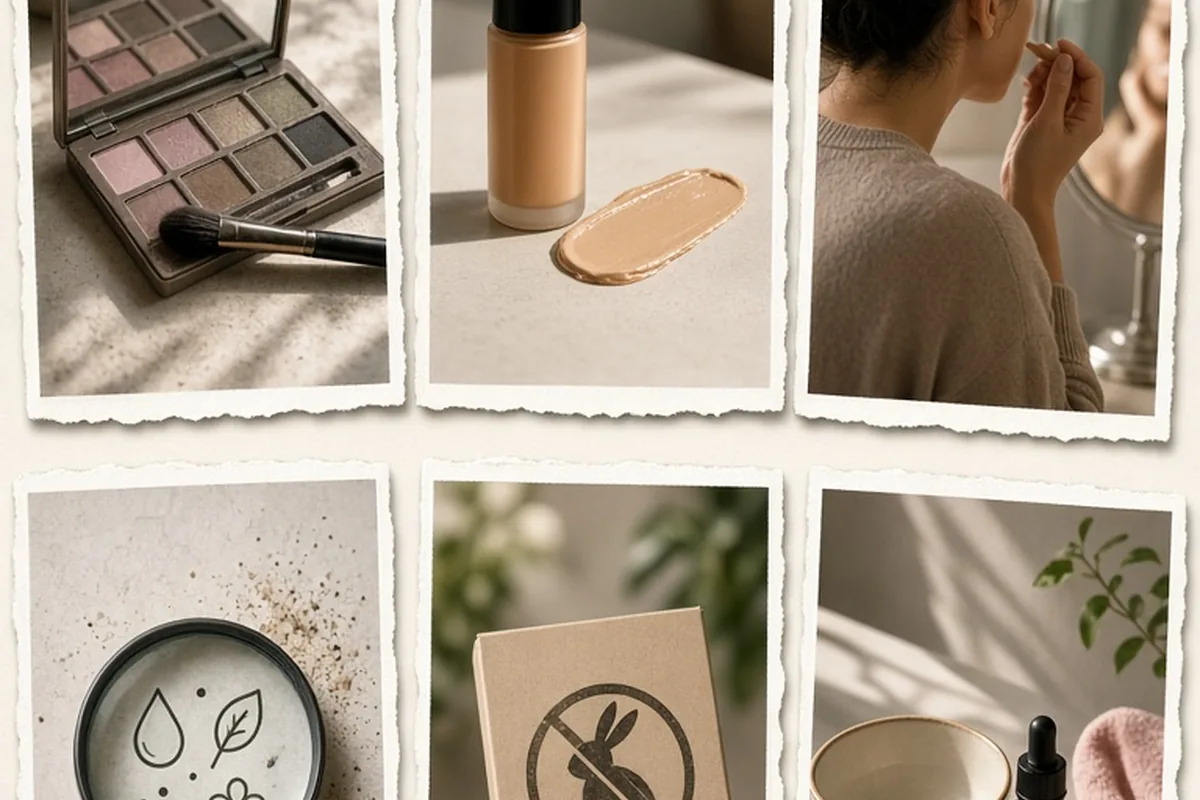
Yes, L.A. Colors makeup is generally safe for typical cosmetic use. Sold widely across major United States retailers, the brand complies with federal cosmetics regulations and standard labeling laws enforced by the Food and Drug Administration. While non-toxic, some formulas contain standard budget cosmetic ingredients like talc, synthetic fragrances, and mineral oil, which may cause mild irritation or breakouts in sensitive or acne-prone skin.
When a full eyeshadow palette or foundation costs only a few dollars, shoppers frequently wonder whether the low price tag reflects hazardous shortcuts in safety and quality control. Understanding how discount makeup brands formulate their products, comply with national cosmetic standards, and select their ingredients can help you decide if L.A. Colors fits your daily beauty routine and skin tolerance.
Cosmetic Regulations and Safety Oversight for Budget Makeup
In the United States, all cosmetics distributed through standard retail channels are subject to regulatory oversight by the Food and Drug Administration under the Federal Food, Drug, and Cosmetic Act and the Modernization of Cosmetics Regulation Act. These frameworks require that beauty products must be free of adulterated or harmful substances, manufactured under sanitary conditions, and clearly labeled with complete ingredient declarations. A brand cannot bypass these legal mandates simply because it operates at a lower price tier.
L.A. Colors, produced by Beauty 21 Cosmetics, has been sold in major mass-market retailers across the country for decades. Because national chains like Walmart, Target, and regional pharmacy chains conduct routine vendor compliance reviews, products on their shelves must meet recognized consumer safety standards. The low cost of these cosmetics is typically achieved through high-volume production, streamlined packaging, and cost-effective bulk ingredients rather than the inclusion of unlawful or inherently toxic chemicals.
Analyzing Common Ingredients in L.A. Colors Formulations
A close inspection of L.A. Colors product labels reveals standard ingredients commonly found across both drugstore and high-end cosmetic lines. Powder products such as blushes, bronzers, and eyeshadows typically rely on cosmetic-grade talc, mica, magnesium stearate, and dimethicone to provide texture, slip, and adhesion. Liquid and cream products often use water, mineral oil, ethylhexyl palmitate, and synthetic waxes as bases, along with industry-standard preservatives such as phenoxyethanol or parabens to prevent microbial contamination.
While these base components are safe for general cosmetic application, they reflect budget-conscious formulation strategies. For example, mineral oil and synthetic esters are effective at locking in moisture and dispersing color pigments smoothly, but they possess a heavier texture than modern volatile silicones or plant-derived squalane used in luxury cosmetics. Understanding these functional differences helps explain why budget products might feel slightly heavier on the skin without posing an inherent toxicological hazard.
Addressing Concerns About Skin Sensitivity and Breakouts
Even when a cosmetic formula meets all regulatory safety criteria, individual skin chemistry plays a massive role in how your skin reacts. Some L.A. Colors complexion products include added fragrance, mineral oil, or heavy emollient binders that may be comedogenic for individuals with oily or acne-prone skin. If you have pores that clog easily, thick cream foundations and concealers formulated with mineral oil bases might contribute to localized congestion if not cleansed thoroughly.
Similarly, individuals with reactive or sensitive skin conditions, such as rosacea or eczema, should review the ingredient list for potential irritants. Brightly colored eyeshadows and lipsticks often utilize synthetic colorants such as Red 40 Lake or Ultramarines, which can occasionally cause mild contact dermatitis or eyelid irritation in predisposed users. If you have experienced allergic contact dermatitis in the past, checking labels for specific dyes and synthetic fragrances is a prudent step before application.
Cruelty-Free Status and Animal Testing Standards
Ethical sourcing and animal welfare represent important safety and quality factors for many modern beauty shoppers. L.A. Colors is recognized by People for the Ethical Treatment of Animals as a cruelty-free brand. This designation indicates that the brand does not conduct, commission, or pay for tests on animals for its finished products or ingredients throughout its production process.
Because L.A. Colors manufactures much of its catalog in China for international export, some consumers have questioned its testing policies. Under Chinese cosmetic trade laws, foreign brands that manufacture domestically solely for export, or those selling general cosmetics through specific authorized non-mandatory testing pathways, can maintain cruelty-free verification. L.A. Colors does not sell in mainland Chinese physical retail stores that require mandatory post-market animal testing, allowing the brand to preserve its cruelty-free status.
Differentiating Formula Safety from Overall Performance
It is common for consumers to confuse cosmetic performance with chemical safety. If an eyeshadow has significant fallout, a foundation oxidizes to a darker shade, or a lipstick wears off unevenly within two hours, these issues reflect formula refinement and pigment processing rather than toxicity. Inexpensive makeup often uses larger pigment particle sizes or simpler binder ratios, which can lead to a chalkier texture or less seamless blending compared to higher-priced counterparts.
A product that performs modestly can still be completely safe and gentle on the skin. Conversely, an expensive product that blends effortlessly could contain natural essential oils or botanical extracts that trigger severe allergic contact dermatitis. Evaluating a product based on its documented ingredient profile rather than its price tag or blending ease allows you to make an objective assessment of whether it is safe for your personal use.
Safe Purchasing Habits, Expiration, and Hygiene
How you purchase and maintain your cosmetics directly influences product safety. Always buy L.A. Colors products from authorized brick-and-mortar retailers, grocery stores, or reputable online merchants to ensure you receive genuine items with intact tamper-evident seals. Avoid purchasing unsealed makeup from unverified third-party liquidators, where products may have been stored in extreme heat or compromised by previous customer handling.
Once purchased, maintaining good cosmetic hygiene prevents microbial growth and skin irritation. Look for the open-jar symbol on the back of the packaging, which denotes the period-after-opening shelf life (typically 6 to 24 months depending on the product type). Discard liquid eyeliners, mascaras, and cream foundations promptly if they develop an unusual odor, separate permanently, or change consistency, as expired preservatives no longer offer reliable protection against bacteria.
Step-by-Step Guide to Patch Testing Budget Makeup
Performing a simple patch test is the most dependable way to verify that a new cosmetic item will not cause an adverse reaction on your specific skin type. Before applying a new foundation, concealer, or bold pigment all over your face, test a small amount on an inconspicuous area.
Follow these practical steps to safely test any new budget makeup item:
- Apply a dime-sized amount of the product onto clean, dry skin along your inner forearm or behind the jawline.
- Leave the product undisturbed for at least twenty-four hours, monitoring the area for signs of redness, burning, itching, or swelling.
- If testing a facial complexion product for pore-clogging tendencies, apply it to a small patch of your cheek or chin for two consecutive days.
- Discontinue use immediately and cleanse the area thoroughly if you notice any localized irritation, flaking, or rash-like bumps.
Frequently asked questions
Is L.A. Colors makeup non-toxic?
Yes, L.A. Colors makeup is formulated in accordance with United States cosmetic safety regulations and does not contain illegal or banned toxic substances. The brand uses standard cosmetic-grade ingredients that are vetted for safe consumer use.
Does L.A. Colors contain heavy metals or lead?
Commercial cosmetic brands distributed in standard US retail stores must comply with federal safety limits regarding trace impurities like heavy metals. L.A. Colors uses regulated color additives and cosmetic-grade minerals to prevent hazardous contamination.
Why is L.A. Colors makeup so inexpensive if it is safe?
The brand keeps prices low through mass-scale manufacturing, minimal marketing budgets, and basic, cost-effective packaging. Using tried-and-true bulk ingredients like talc, mica, and mineral oil allows them to maintain affordable retail pricing without compromising chemical safety.
Can people with sensitive skin wear L.A. Colors products?
Many people with sensitive skin use L.A. Colors without problems, but certain items containing synthetic fragrances or heavy colorants may cause irritation in reactive individuals. Reviewing the ingredient list and conducting a 24-hour patch test before full application is the best approach.
Your next step
Inspect the specific ingredient list of your chosen L.A. Colors product and perform a simple 24-hour patch test on your jawline to ensure it aligns with your skin's unique sensitivities.