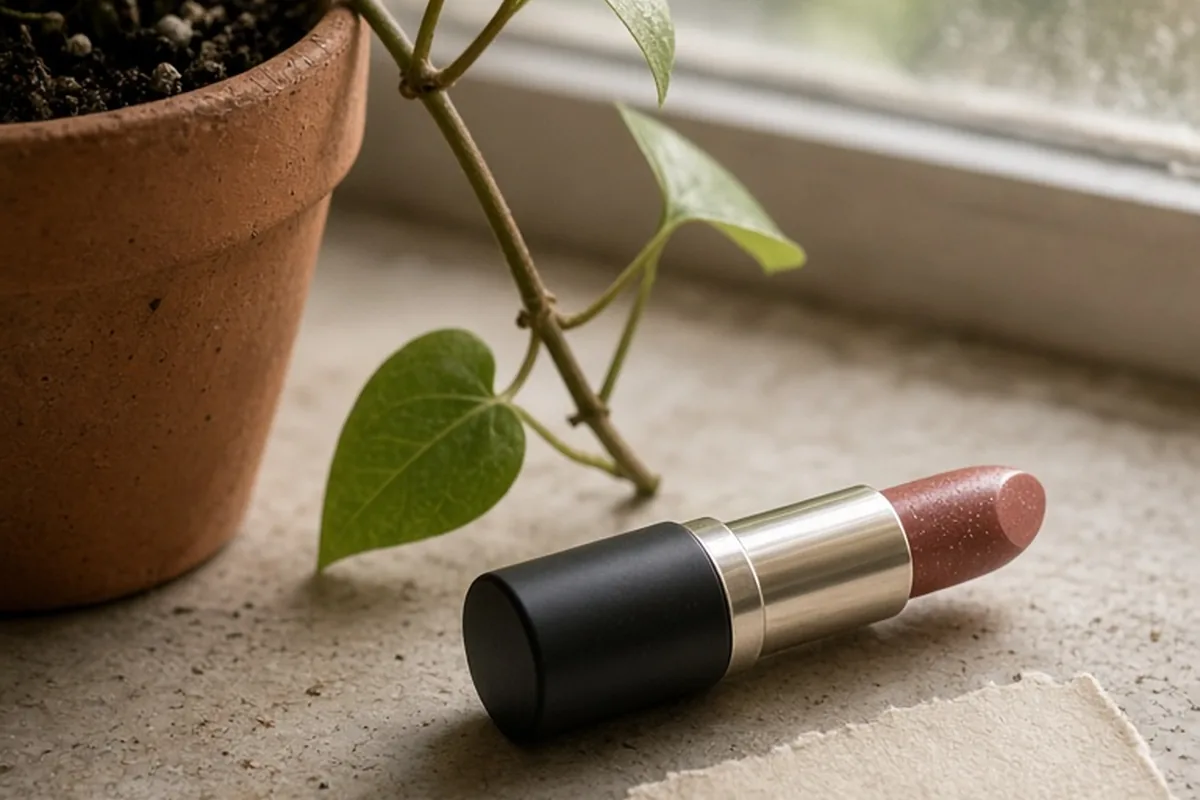
MAC Cosmetics does not formulate or certify its lipsticks as gluten-free. While many individual shades do not list obvious gluten-derived ingredients, MAC uses shared manufacturing facilities and suppliers that handle wheat, barley, and rye. Because microscopic cross-contact can occur during production and lip products are routinely ingested in small amounts, MAC lipsticks are not considered fully safe for individuals with celiac disease or severe gluten intolerance.
Navigating makeup labels when managing a gluten-related health condition requires careful scrutiny, especially when evaluating classic, widely loved products like MAC lipsticks. Understanding how cosmetics manufacturers handle ingredient sourcing, production facilities, and formulation updates can help you make comfortable, informed decisions for your daily beauty routine.
Understanding MAC Cosmetics' Stance on Gluten
MAC Cosmetics is one of the most recognized makeup brands in the world, renowned for its extensive shade ranges, high color payoff, and distinct finishes. However, like many major conventional cosmetics houses owned by large parent corporations, MAC does not maintain a dedicated gluten-free production line. The brand's official position consistently states that while gluten is not intentionally added to every single formula, they cannot guarantee any product is entirely free from trace gluten contamination. This stance reflects the complex realities of modern industrial beauty supply chains rather than a simple refusal to cater to sensitive consumers.
Cosmetic manufacturing relies on raw ingredients sourced from dozens of specialized global chemical and agricultural suppliers. A single lipstick tube contains waxes, emollients, pigments, stabilizers, and fragrance compounds that pass through multiple processing facilities before arriving at the final assembly plant. Because MAC utilizes shared processing machinery that also handles ingredients derived from wheat, barley, and oats, microscopic traces of gluten proteins can enter formulations during blending or packaging. For casual beauty consumers, these trace amounts are negligible, but for anyone monitoring strict dietary or immunological thresholds, this manufacturing reality represents an unavoidable variable.
Common Gluten Derivatives in Lip Formulations
To evaluate whether a specific MAC lipstick shade poses a potential concern, it helps to understand the chemical names that cosmetic chemists use for gluten-bearing grains. Wheat, barley, rye, and oats frequently serve functional purposes in cosmetics, providing conditioning moisture, smooth spreadability, or antioxidant stabilization. In lipsticks, grain derivatives often appear under Latin botanical names or specialized chemical descriptors on the ingredient panel.
The most common ingredients to look for on an ingredient list include Triticum vulgare (wheat bran, germ, or oil), Hordeum vulgare (barley extract), Secale cereale (rye extract), and Avena sativa (oat kernel extract). Beyond whole grain extracts, hydrolyzed wheat protein, wheat amino acids, and certain forms of alpha-tocopherol (vitamin E) derived from wheat germ oil can also carry gluten proteins. While refined vitamin E is often processed enough to strip out proteins, the initial source material is rarely disclosed on packaging, making it difficult to verify its safety through visual inspection alone.
- Triticum vulgare: The botanical name for wheat, often found as wheat germ oil or extract in conditioning lip bases.
- Hordeum vulgare: The botanical designation for barley, occasionally used in botanical blends and skin-softening additives.
- Hydrolyzed Wheat Protein: A modified protein used for texture and moisture retention that contains broken-down gluten peptides.
- Avena sativa: Oat-derived ingredients that may carry agricultural cross-contamination unless certified gluten-free.
- Tocopherol derived from wheat germ: Vitamin E used as a natural preservative, which may originate from wheat unless specified as soy or synthetic.
Why Ingestible Lip Products Require Extra Caution
Dermatological experts and celiac specialists generally agree that intact gluten molecules are too large to be absorbed directly through healthy, unbroken skin. For body lotions, foundations, and eyeshadows, the primary concern is accidental hand-to-mouth transfer. However, lip products occupy a unique category in beauty because they are applied directly to the oral mucous membranes and inevitably ingested throughout the day. Every time you speak, drink water, lick your lips, or eat a meal, small amounts of lipstick, gloss, or balm migrate into your digestive tract.
Studies in cosmetic wear patterns estimate that regular lipstick wearers swallow several milligrams of product daily, which accumulates to noticeable quantities over months of consistent use. For individuals diagnosed with celiac disease, non-celiac gluten sensitivity, or dermatitis herpetiformis, ingesting even minute quantities of gluten can trigger an autoimmune cascade or severe gastrointestinal inflammation. Consequently, a lipstick formula that might be entirely harmless when applied to the wrist or cheek poses a genuine physiological concern when worn on the lips.
How to Decode MAC Packaging and Batch Variations
If you already own MAC lipsticks and want to evaluate their risk, the primary step is reviewing the International Nomenclature of Cosmetic Ingredients (INCI) list printed on the original exterior cardboard box. Because individual lipstick bullets do not have enough surface area to carry complete ingredient disclosures, the packaging box is the only official document of what that specific batch contains. Relying on website product descriptions or online forums can be misleading because cosmetic formulations change periodically without public announcements.
Cosmetic companies frequently reformulate products to adjust pigment suppliers, comply with new international preservative regulations, or enhance texture. A shade like Velvet Teddy or Ruby Woo manufactured two years ago might have a subtly different ingredient profile than the same shade produced this season. If you no longer have the outer box, you can locate the three-character batch code stamped on the base of the bullet (such as A32 or B81) and contact customer service to request the exact ingredient declaration associated with that specific production lot.
Contacting Customer Service for Formula Verification
Reaching out directly to the manufacturer is a sensible strategy when you need clear answers about specific shades. When contacting MAC customer service, formulating precise questions yields far more actionable information than asking a broad, open-ended question like 'Is this lipstick gluten-free?' Broad inquiries usually trigger a standardized corporate disclaimer stating that the brand is not a certified gluten-free facility.
Instead, provide the representative with the exact product line, shade name, and stamped batch code, then ask specific targeted questions. Inquire whether any ingredients in that specific lot are intentionally derived from wheat, barley, rye, or oats, and ask whether the manufacturing facility utilizes dedicated lines for color blending. While the representative will likely still note the potential for shared equipment, they can confirm whether any raw botanical derivatives from gluten-containing grains are present in the primary recipe.
Dedicated Gluten-Free Lip Alternatives to Consider
If you decide that the uncertainty of shared manufacturing lines does not align with your health boundaries, several dedicated cosmetic brands formulate their lip products specifically for the gluten-sensitive community. These companies implement strict supplier verification programs, operate dedicated processing equipment, and frequently subject finished batches to independent third-party laboratory testing to confirm gluten levels stay well below the standard 20 parts per million (ppm) threshold.
Brands like Red Apple Lipstick build their entire product line around certified gluten-free, lead-free, and allergen-conscious standards, offering rich satin and matte lipsticks in classic undertones. Other modern clean-beauty brands, such as Ilia Beauty, Bite Beauty derivatives, and Tower 28, routinely publish clear allergen matrices and third-party certifications on their websites. Opting for a certified brand eliminates the guesswork and emotional fatigue of deciphering complex INCI lists before every beauty purchase.
- Red Apple Lipstick: A specialized cosmetics brand where every lipstick, gloss, and balm is certified gluten-free and independently lab-tested.
- Ilia Beauty: A clean makeup company that clearly identifies gluten-free formulas and conducts stringent allergen screening.
- Bite Beauty and Clean Alternatives: Modern formulation houses prioritizing food-grade or verified allergen-free components.
- Gabriel Cosmetics and Zuzu Luxe: Longstanding beauty brands offering certified gluten-free lipsticks accessible in natural health markets.
Practical Protocols for Managing Your Daily Beauty Routine
Managing personal care products alongside a strict gluten-free lifestyle requires practical daily habits that reduce accidental exposure without creating unnecessary stress. Establishing a clear routine for product inspection, storage, and application allows you to enjoy wearing makeup while protecting your physical well-being. Simple adjustments in how you store and apply your lip products can significantly minimize potential contamination risks.
Start by separating your confirmed safe lip products from unverified or legacy makeup in your collection. Avoid sharing lipsticks, balms, or lip brushes with family members or friends who may eat gluten-containing foods or use conventional cosmetics. Additionally, make it a habit to wipe off your lip color completely before sitting down for meals or snacks, rather than letting food pass over product-covered lips, and always wash your hands after applying complex cosmetic formulations.
Frequently asked questions
Can people with celiac disease safely wear MAC lipstick?
It depends on individual sensitivity and personal risk tolerance. Because MAC does not test for trace gluten contamination and lipsticks are unintentionally ingested, many medical professionals advise people with celiac disease to choose certified gluten-free lip products instead.
Does MAC list wheat or barley on its lipstick boxes?
Yes, when wheat- or barley-derived raw materials are intentionally used in a formula, they appear on the ingredient panel under their botanical names such as Triticum vulgare or Hordeum vulgare. However, the label will not reveal whether trace cross-contamination occurred during manufacturing.
Is MAC Lipglass also subject to potential gluten cross-contact?
Yes, MAC Lipglass and other liquid glosses follow the same manufacturing standards as their traditional bullet lipsticks. They are produced in facilities handling various raw cosmetic materials and are not certified gluten-free.
How can I check if my older MAC lipstick shade contains gluten?
Locate the three-digit batch code on the bottom of the lipstick tube and contact MAC customer care. They can look up the exact production formula for that specific batch and verify whether grain-derived ingredients were included.
Your next step
Inspect the ingredient list on your specific MAC lipstick packaging for grain derivatives like Triticum vulgare, and switch to a certified gluten-free brand if your health requires strict avoidance of shared-facility cross-contact.