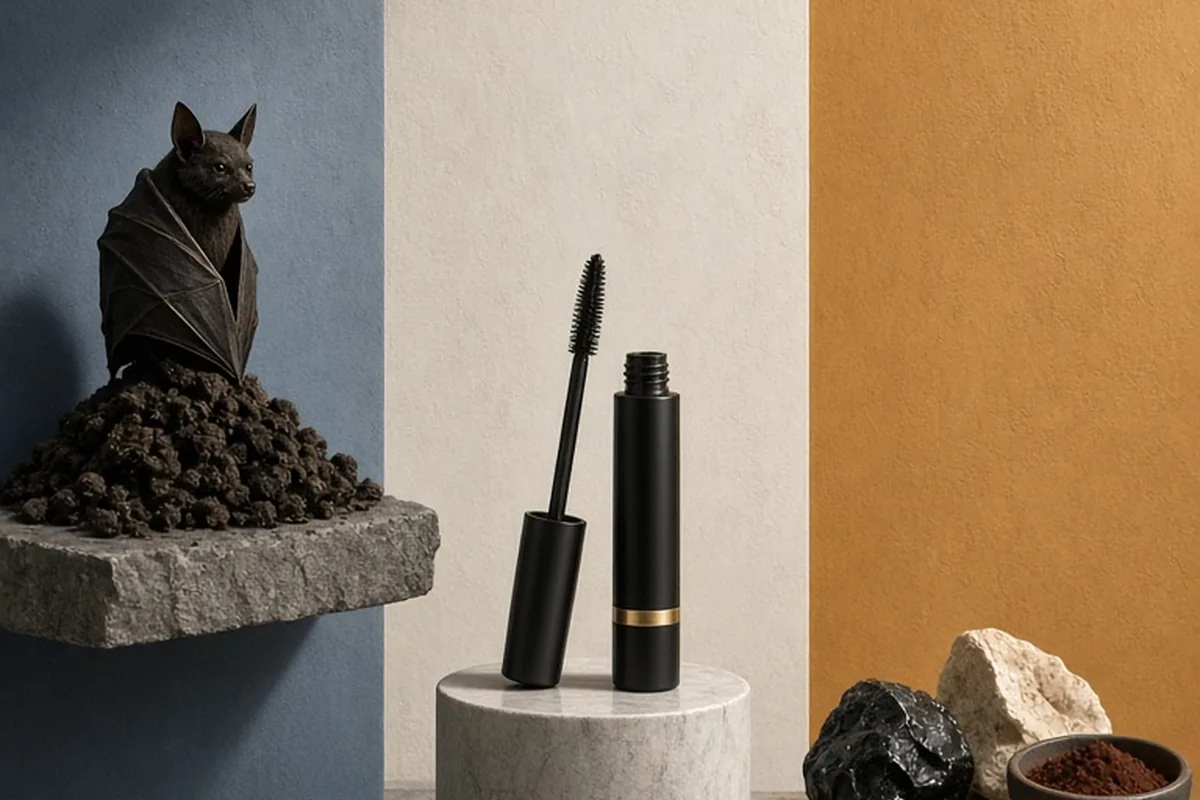
No, mascara is not made out of bat poop. This persistent urban legend originated from the linguistic similarity between bat guano and guanine, a light-reflecting cosmetic ingredient historically sourced from fish scales. Modern mascaras contain formulated blends of synthetic or natural waxes, conditioning oils, film-forming polymers, preservatives, and purified mineral pigments like iron oxides that are rigorously regulated for eye safety.
Rumors about unusual cosmetic ingredients circulate frequently on social media and schoolyards alike, creating confusion about what people actually apply to their skin and lashes. Understanding the science and history behind cosmetic formulations helps demystify product safety and empowers consumers to make informed choices at the beauty counter.
The Origin of the Bat Guano Cosmetic Myth
The widespread belief that mascara contains bat droppings is one of the most enduring beauty myths of the modern era. The misunderstanding traces back to an innocent linguistic confusion between two unrelated words: guano and guanine. Guano is the Spanish word for accumulated bird or bat excrement, which has historically been harvested from caves and coastal islands for use as agricultural fertilizer due to its high nitrogen and phosphorus content. Guanine, on the other hand, is a naturally occurring crystalline amino compound and one of the four fundamental nucleotide bases found in DNA.
When cosmetic manufacturers began listing guanine on ingredient labels to describe an opalescent pigment, consumers and commentators unfamiliar with organic chemistry drew an erroneous connection to bat guano. The phonetic similarity between the terms allowed the rumor to spread easily through word of mouth and later through early internet forums. In reality, bat feces has never been an intentional or approved ingredient in commercial cosmetics, as putting raw animal waste near mucous membranes would violate international sanitation, safety, and manufacturing laws.
What Guanine Really Is and How It Is Sourced
In the beauty industry, guanine is valued for its unique optical properties rather than any biological association with animal waste. Chemically, guanine forms microscopic, flat, crystalline platelets that reflect and transmit light simultaneously. This structure produces a distinct iridescent shimmer or pearlescent effect, often referred to in trade terminology as pearl essence or essence d'Orient. Historically, this compound was harvested from the silver scales of processed fish, particularly herring, as a byproduct of commercial fishing.
While fish-derived guanine has long been used to impart pearlescence to nail polishes, frosted lipsticks, and shimmery eye shadows, it is rarely found in standard black or brown mascaras. Most consumers choose mascara to achieve deep volume, dramatic length, and intense dark color rather than an iridescent or metallic sheen. When a cosmetic formulation does call for a shimmery effect today, cosmetic chemists often utilize synthetic alternatives like synthetic fluorphlogopite, bismuth oxychloride, or coated mica platelets, making the use of natural animal-derived guanine increasingly uncommon.
Core Ingredients That Make Up Modern Mascara
To understand what actually coats your eyelashes, it helps to examine the structural architecture of a modern mascara tube. Mascara is typically formulated as an emulsion of water, oils, and waxes carefully balanced to coat delicate hairs smoothly without clumping or flaking. Waxes form the structural backbone of the product, providing the necessary body to thicken lashes and hold a curl as the formula dries. Common wax ingredients include natural beeswax, plant-based carnauba wax, candelilla wax, and synthetic microcrystalline waxes.
Complementing the wax structure are conditioning oils and film-forming polymers. Ingredients such as castor oil, mineral oil, dimethicone, and provitamin B5 help lubricate the lash shaft and maintain flexibility so the mascara does not become brittle throughout the day. Meanwhile, polymers like acacia senegal gum or polyvinylpyrrolidone create a cohesive film that adheres tightly to each lash, locking the pigment in place and providing water resistance. Together, these components ensure that the product applies smoothly, dries evenly, and stays intact during wear.
How Pigments and Colorants Create Deep Lash Tones
The deep black and rich brown shades typical of lash products rely on strictly regulated colorants that meet stringent safety standards. Because products applied near the eyes can easily migrate into the tear film, regulatory agencies prohibit the use of unapproved dyes and coal-tar derivatives in eye-area cosmetics. The primary colorant used to produce deep black mascara is black iron oxide, an inorganic mineral pigment that is synthesized and purified to eliminate trace heavy metals and contaminants.
In some non-waterproof and waterproof formulations, cosmetic-grade carbon black is utilized to deliver an exceptionally dark, matte finish. For brown, plum, or navy formulas, manufacturers blend black iron oxides with red iron oxides, yellow iron oxides, or ultramarine pigments. These mineral colorants are ground into ultra-fine particles, ensuring that they disperse evenly through the wax base without causing abrasion or mechanical irritation to the sensitive corneal surface.
Preservatives and the Science of Eye Safety
Because mascara contains water and organic components, it presents an environment where bacteria and fungi could potentially thrive if left unprotected. Every time a consumer removes the applicator wand, uses it on their lashes, and reinserts it into the tube, airborne microbes and natural skin flora are introduced into the container. Without an effective preservative system, a tube of mascara would become a breeding ground for harmful pathogens within days.
Cosmetic chemists incorporate broad-spectrum preservatives such as phenoxyethanol, ethylhexylglycerin, sodium benzoate, and potassium sorbate to inhibit microbial growth and keep the formulation sterile throughout its shelf life. These agents undergo extensive microbiological challenge testing to ensure they prevent the proliferation of organisms like Pseudomonas aeruginosa and Staphylococcus aureus. Far from being harmful filler, properly balanced preservatives are an essential component of eye cosmetics that shield users from painful infections like conjunctivitis and blepharitis.
Navigating Animal By-Products and Vegan Alternatives
Although mascara does not contain bat guano, some conventional formulas do contain legitimate animal-derived by-products that consumers following a vegan lifestyle may wish to avoid. Beeswax is widely utilized for its emollient texture and superior lash-holding capability, while lanolin, a natural wax harvested from sheep wool, is sometimes added for moisture retention. Additionally, certain red or burgundy lash primers and mascaras may use carmine, a vibrant crimson pigment derived from crushed cochineal insects.
Shoppers seeking animal-free formulations can look for certified vegan and cruelty-free labels, which ensure that no animal testing occurred and no animal-derived raw materials were included. Vegan mascaras rely on botanical waxes like rice bran wax, sunflower seed wax, and synthetic beeswax analogues that mimic the melting point and texture of traditional ingredients. Reading ingredient lists carefully allows consumers to align their beauty purchases with their personal ethics without sacrificing formula performance.
Best Practices for Mascara Hygiene and Maintenance
Regardless of the specific formula you choose, practicing good cosmetic hygiene is vital for maintaining ocular health and prolonging the performance of your makeup. Mascaras have one of the shortest recommended lifespans of any cosmetic product. Most ophthalmologists and dermatologists advise replacing your mascara every three months, or immediately following any eye irritation or infection, as preservatives degrade and microbial load increases over repeated use.
To prevent premature drying and clumping, avoid the common habit of repeatedly pumping the wand in and out of the container. Pumping forces excess air and ambient dust into the barrel, accelerating oxidation and drying out the wax emulsion. Instead, gently twist the wand within the tube before withdrawal to pick up an even layer of product. Never dilute a dried-out mascara with water, contact solution, or saliva, as altering the chemical balance neutralizes preservatives and introduces bacteria directly into the formula.
Frequently asked questions
Is guanine still used in any modern mascaras?
Guanine derived from fish scales is rarely found in standard black or brown mascaras because it creates a pearlescent shimmer rather than dark pigment. When shimmer is desired, modern brands generally use synthetic mica or other mineral alternatives instead.
Why does mascara start smelling strange or clumping over time?
Mascara formulas change over time due to exposure to air and degradation of the water-and-wax emulsion. When a tube dries out or develops a sour, chemical odor, it indicates that the preservatives are expiring and the product should be replaced.
How can I tell if my mascara contains animal by-products?
Check the ingredient list for terms such as cera alba or beeswax, lanolin, carmine, shellac, and guanine. Products labeled as certified vegan explicitly avoid these animal-derived ingredients in favor of plant-based or synthetic alternatives.
Your next step
Inspect the ingredient list on your favorite mascara tube today to identify its actual waxes, polymers, and mineral pigments, and write down the date of opening so you remember to replace it in three months.