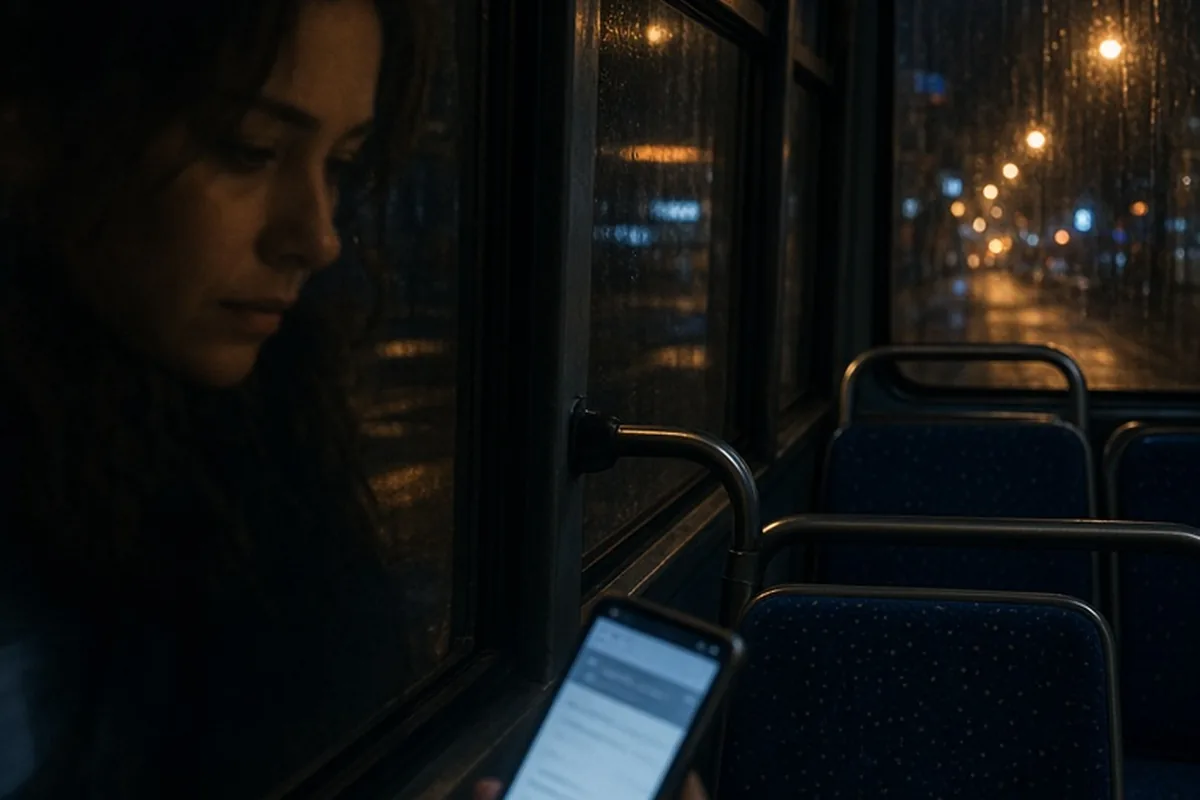
A late night text usually signals spontaneous attraction, casual intimacy, boredom, or convenience, depending on your established dynamic and the message content. Decoding it requires looking at timing, sobriety, tone, and consistency. Rather than overanalyzing or reacting impulsively, decide what outcome you actually want—whether casual flirtation, clear romantic progression, or uninterrupted sleep—and reply in a way that matches your boundaries while preserving self-respect.
Receiving a message past midnight carries a distinct tension because after-hours communication rarely happens by accident. The screen lights up, the room is quiet, and the stakes feel magnified. Whether the text arrives from an established partner, a new romantic interest, or an ex, knowing how to interpret the message and choose your response keeps you in control of your time, attention, and emotional energy.
Decoding the Context Behind After-Hours Messages
A late night message cannot be understood in isolation; its true meaning depends almost entirely on the context of your existing dynamic. When an after-hours text lands on your screen, it generally falls into one of four categories: an invitation for physical intimacy, a moment of uninhibited romantic affection, an impulsive reach for distraction caused by alcohol or loneliness, or simply a night-owl schedule. Discerning which category applies requires examining what happened earlier that day or week. If you have spent days enjoying consistent conversation and shared daytime activities, a late-night note saying they cannot sleep and thought of you suggests growing emotional closeness. Conversely, if your daytime messages are left on read and they consistently surface only after midnight, the outreach is primarily driven by convenience.
Consider also the environment surrounding the text. People reach for their phones late at night when inhibitions drop, sensory distractions fade, and feelings of solitude heighten. A two-word text like 'You up?' sent at 1:15 AM carries an entirely different weight than a thoughtful response to a conversation you both paused at 10:00 PM. Taking ten seconds to assess the sender's state of mind prevents you from projecting deep emotional commitment onto what might simply be a fleeting, low-effort impulse.
Reading Tone and Consistency Against Daylight Behavior
The most reliable benchmark for measuring anyone's romantic intention is consistency between their daylight communication and their late-night interactions. If someone treats you like a priority during business hours, follows through on real-world plans, and speaks with respect in public, an affectionate or playful midnight message is typically an extension of genuine interest. It shows they think of you when winding down. In that context, late-night communication adds fun and intimacy to an already healthy foundation.
The pattern becomes problematic when night-owl attention exists in a vacuum. When a person shows zero interest in meeting for coffee, initiating weekend plans, or texting back before sundown, their late-night warmth is usually transactional. Treating late-night texts as proof of a secret daytime romance is a common trap. If they only express desire or vulnerability when the sun goes down, their interest is likely limited to casual amusement or immediate gratification. Acknowledging this discrepancy protects you from investing emotional energy in someone who offers only sporadic, off-hours attention.
How to Respond When You Want Casual Chemistry
If you are actively seeking casual dating, no-strings flirtation, or mutual intimacy, responding to an after-hours text can be simple, exciting, and straightforward. The key is to match the energy of the message without sacrificing your agency or comfort. A witty, confident reply lets the other person know you are interested while establishing that you are a willing participant rather than an on-demand service. For instance, if someone asks what you are doing, replying with a playful note about staying up late or enjoying a nightcap establishes chemistry without sounding desperate.
However, engaging in late-night flings requires transparent self-honesty about your boundaries and availability. Even in casual arrangements, you retain full control over whether you invite someone over, go to their place, or keep the exchange purely digital. Never feel pressured to host or travel simply because an appealing message appeared on your phone. Clear, adult communication about logistical comfort ensures that casual interactions stay fun, safe, and mutually rewarding rather than leaving you feeling depleted or used the next morning.
Redirecting Late-Night Energy Toward Real-World Dates
When you like someone but want to build a genuine relationship rather than a late-night loop, your response needs to gently reframe the dynamic. The mistake many people make is reacting with anger, lecturing the sender, or instantly folding into an ongoing midnight chat in hopes of winning their affection. Lecturing creates awkward defensiveness, while immediate late-night compliance trains the sender to treat you as their late-night conversational backup.
A far more effective strategy is polite daylight redirection. If you receive a late ping, wait until mid-morning the next day to reply. A brief, upbeat message such as 'Was already asleep! Let us grab a drink this Thursday instead' accomplishes two vital goals. First, it demonstrates that your sleep and personal schedule take precedence over late-night pings. Second, it tests their true intentions: someone genuinely interested in you will eagerly accept the invitation to meet in the daylight, whereas someone hunting for quick validation will usually fade out.
Setting Practical Boundaries Without Creating Drama
You do not owe anyone an immediate reply, especially outside normal waking hours. Many people feel an involuntary spike of anxiety when their phone vibrates past midnight, fearing that not answering makes them seem rude or uninterested. In reality, healthy adults expect that other people sleep, turn on Do Not Disturb, or set their phones aside to rest. Guarding your evening downtime is not cold; it is standard adult self-care.
If someone repeatedly texts you late at night despite your lack of engagement, you can address it calmly without confrontation. A direct, matter-of-fact boundary works best: 'Hey, I keep my phone on silent after 10 PM to get decent sleep, so I usually miss late texts. Hit me up during the afternoon if you want to chat.' This removes personal blame and simply states the conditions under which you are reachable. How they handle that reasonable boundary will immediately tell you whether they respect your time.
Handling Mixed Signals and Late-Night Emotional Confessions
Late-night messages do not always center on physical attraction; frequently, they take the form of heavy emotional confessions, complaints about life, or sentimental reflections from an ex. Late hours make people reflective, lonely, or melancholy, leading them to reach out to someone who previously offered safety. While it is tempting to play the role of late-night therapist or assume their sudden vulnerability means they want to reconcile, nighttime sentimentality often vanishes by breakfast.
Engaging deeply with emotional confessions at 2:00 AM usually drains your energy without resolving anything substantive. If an ex or an emotionally unpredictable date starts pouring their heart out in the middle of the night, maintain a supportive yet bounded posture. A simple morning reply—'Sounds like you had a lot on your mind last night. Hope today feels lighter'—acknowledges what they said without entangling you in an exhausting cycle of midnight drama that they might regret once morning clarity arrives.
The Power of Pausing Before You Hit Send
The single most valuable habit you can develop around late-night texting is the mandatory pause. When a message arrives at an unusual hour, the brain often experiences an immediate hit of curiosity or adrenaline. Typing an impulsive response while half-asleep, slightly tipsy, or lonely rarely leads to your best communication. Pausing for even five minutes gives your rational mind time to assess what you actually want out of the exchange.
Ask yourself three practical questions before typing: Will replying right now disrupt my sleep? Does this conversation match the kind of connection I want with this person? How will I feel about this exchange when I wake up tomorrow morning? If you suspect you might cringe at your reply in the morning light, close the app, turn your screen face down, and revisit the message after breakfast. Clarity and self-respect are always sharper in the daytime.
Illustrative Scenarios
Resetting the Rhythm from Casual to Intentional
Julian had gone out on two enjoyable daytime dates with Sarah, but during the following week, her only communication was a sporadic 'Still awake?' text around midnight on a Friday. Julian felt an urge to rush over to her neighborhood to keep the momentum alive, worrying that ignoring her would kill her interest. Instead, he recognized that he wanted a real relationship rather than a late-night hookup loop. He muted his phone, slept through the night, and texted her around 11:00 AM the next day: 'Was knocked out early! Doing a coffee run this afternoon if you want to join.' Sarah accepted and apologized for the late hour, noting she had just gotten off a late shift.
Key point: Shifting your response to the morning clarifies intentions naturally without passive aggression or awkward confrontations.
Establishing Clean Boundaries with an Ex
Maya kept receiving lengthy, nostalgic text messages from an ex-partner between midnight and 3:00 AM every few weekends. Each time, she would spend hours typing back, offering advice and dissecting their past breakup, only to be met with total silence once daytime arrived. Feeling emotionally exhausted, Maya decided to break the routine. The next time a midnight message arrived asking if she ever missed their past, she left the notification unread until lunchtime the next day. She replied with a brief note: 'I hope you are doing well, but I am not open to revisiting our history late at night. Take care.' The midnight messages stopped.
Key point: Refusing to entertain late-night emotional appeals preserves your peace and closes loops that drain your energy.
Frequently asked questions
Does a late night text always mean someone only wants a hookup?
Not necessarily, though casual intimacy is a common motive. Late night texts can also stem from shift work schedules, genuine late-night affection, or fleeting loneliness. Always evaluate their message against their daytime consistency and whether they make plans to see you during regular hours.
How long should I wait to reply to a late text if I am interested in dating?
If you are awake and want to talk, a quick, lighthearted reply is fine, but waiting until the next morning is often the most grounded choice. Replying mid-morning signals that you have a structured routine, prioritize rest, and prefer making real daytime plans.
Is it considered rude to ignore a text sent after midnight?
No, it is entirely reasonable to leave late-night messages unanswered until normal hours. Most adults assume that phones are muted or that you are asleep, so waiting to respond reflects normal personal boundaries rather than rudeness.
What should I do if someone only ever texts me after midnight?
Take that behavioral pattern at face value as an indicator of low-effort convenience. If you want casual fun, you can participate on your own terms, but if you want a committed relationship, stop accommodating their after-hours schedule and invest your energy elsewhere.
Your next step
Tonight, before you reflexively answer an after-hours message, pause for two minutes to check whether replying right now serves your actual goals or simply scratches an impulsive late-night itch.