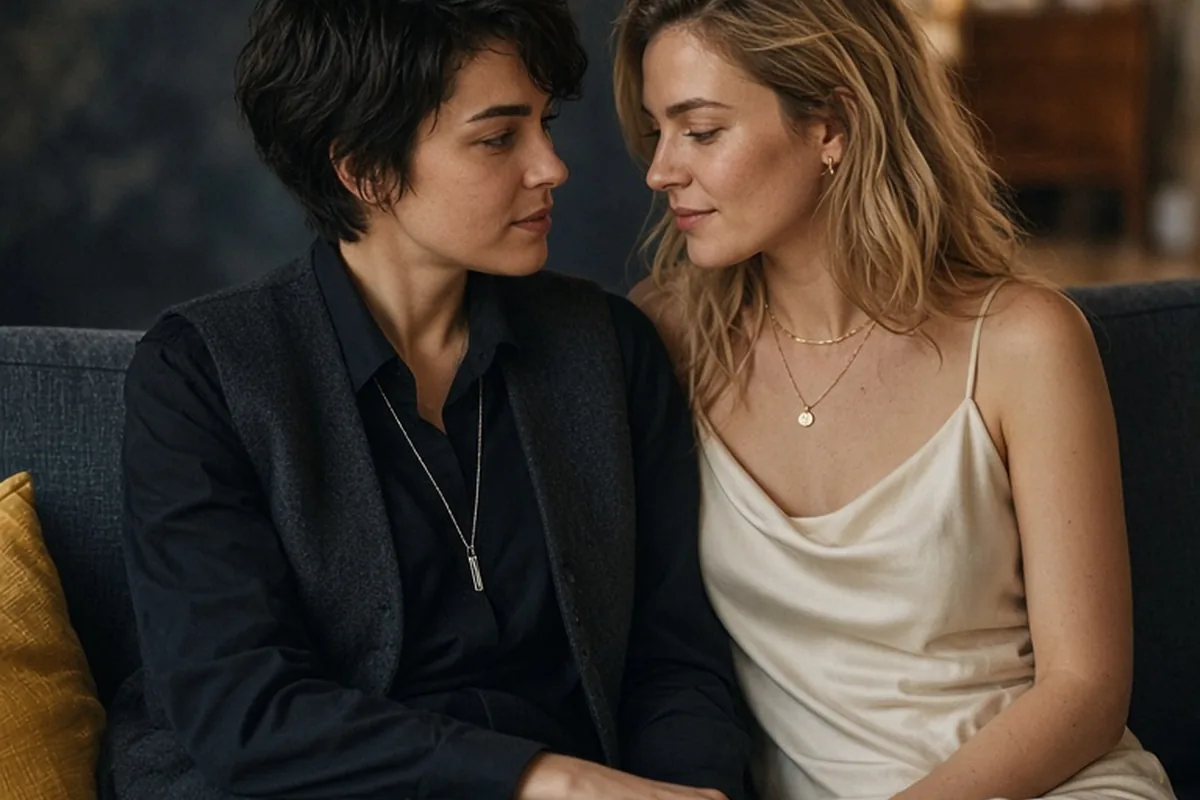
Lesbian outfit ideas center on intentional styling that aligns with personal expression, whether leaning masculine, femme, androgynous, or fluid. Core looks often balance structured tailoring with relaxed casual pieces, such as combining wide-leg trousers with fitted vests, pairing utilitarian workwear with playful textures, or styling romantic slip dresses with rugged boots. The most effective queer styling prioritizes fit, silhouette balance, and authentic self-presentation over rigid fashion rules.
Queer fashion has always used clothing as a powerful medium for self-discovery, community recognition, and personal joy. Building a wardrobe that reflects your identity means looking beyond conventional retail categories and focusing instead on how proportions, fabrics, and styling details make you feel in your own skin.
Mastering the Modern Masculine and Butch Silhouette
Masculine and butch aesthetics in lesbian fashion rely heavily on structured lines, balanced proportions, and durable textiles. Rather than simply buying oversized garments from the men's department, the goal is to create an intentional silhouette that flatters your specific frame. Boxy cuts, drop-shoulder overshirts, tailored trousers, and chore jackets create a grounded, confident profile. Combining heavier fabrics like heavyweight cotton, raw denim, canvas, and wool gives garments natural structure without requiring restrictive tailoring.
A reliable everyday outfit combines olive green or charcoal pleated trousers with a relaxed, camp-collar button-down shirt layered over a ribbed tank top, finished with clean leather penny loafers or minimalist skate shoes. When shopping standard men's racks, the main trade-off is fit through the hips and shoulders. Paying attention to shoulder seams and factoring in minor tailoring, such as hemming trousers or tapering wide sleeves, turns basic casual wear into a sharp, deliberate statement.
Elevating Femme Styling with Deliberate Contrasts
Queer femme fashion often plays with traditional markers of femininity while subverting expectations through unexpected textures, bold proportions, and utilitarian accents. The strength of femme styling lies in combining softness with edge. This can mean pairing floral prints with oversized distressed leather jackets, wearing delicate lace tops beneath structured blazers, or anchoring floating silhouettes with heavy footwear.
Consider styling a bias-cut satin midi skirt with an oversized, chunky knit sweater and heavy lug-sole Chelsea boots. This combination balances romantic drape with grounded utility, ensuring comfort across different settings. The challenge with highly layered femme looks can be maintaining ease of movement throughout the day; choosing breathable natural fibers and footwear with supportive arches keeps the outfit practical without diminishing its aesthetic impact.
Creating Everyday Androgynous and Low-Effort Casual Looks
Androgynous and casual styling focuses on clean lines, neutral or earthy color palettes, and utilitarian pieces that blur traditional gender cues. Often referred to casually as low-key or chapstick styling, this approach prioritizes function, mobility, and ease while maintaining a sharp visual profile. Garments like straight-leg carpenter pants, relaxed corduroy overshirts, waffle-knit thermal tops, and classic chore coats serve as dependable wardrobe staples.
For a versatile daytime look, pair high-waisted wide-leg canvas pants with a tucked-in mock-neck long sleeve, layered under an open vintage denim jacket and paired with retro runner sneakers. To prevent loose-fitting layers from looking shapeless, keep one element grounded against your body, such as tucking the base shirt or rolling sleeves to expose forearms. The balance ensures you feel unencumbered while presenting a polished, cohesive visual identity.
Curating Confident Date-Night Ensembles
Date-night dressing offers an opportunity to lean into personal style while tailoring your look to the mood and location of the evening. Moving away from cookie-cutter date outfits allows you to showcase individuality through unexpected fabric choices, such as crushed velvet, sheer mesh panels, silk twill, or structured linen. The focus should be on an ensemble that feels authentic to your everyday self while adding a touch of drama or refinement.
A sharp date-night look might feature an unstructured forest green corduroy blazer worn over a fitted black mesh top or silk camisole, paired with high-rise dark denim and pointed-toe leather ankle boots. If you prefer suiting, an open-collar silk blouse beneath an unbuttoned vest paired with matching tailored shorts and brogues creates an eye-catching, sophisticated alternative. Consider the evening venue when choosing layers so you can adjust comfortably between outdoor walks and indoor seating.
Navigating Formalwear, Suiting, and Wedding Outfits
Attending formal events, galas, and weddings requires navigating dress codes without compromising your identity. Many queer women and non-binary individuals feel constrained by conventional evening gowns or ill-fitting generic tuxedos. Today, formal styling options are vast, ranging from bespoke three-piece suits and tailored jumpsuits to tuxedo-inspired dresses and sculptural co-ord sets.
A double-breasted suit in a rich tone like terracotta, midnight navy, or plum paired with a crisp white shirt, minimalist chain necklaces, and polished monk-strap shoes creates a memorable silhouette. If buying custom suiting is outside your budget, off-the-rack suits from retailers specializing in gender-neutral or womenswear tailoring can be altered by a local tailor for a precise fit across the chest, waist, and inseam. Focus on shoulder fit first, as alterations to jacket shoulders are the most complex and expensive.
Using Footwear, Accessories, and Signaling Thoughtfully
Accessories and footwear often serve as subtle visual anchors within queer fashion culture. Historical and modern signifiers, such as carabiners, layered silver rings, bolo ties, harness accents, and statement leather belts, add narrative and personality to otherwise minimalist outfits. Footwear in particular sets the foundation of an ensemble, shifting a look from relaxed to formal instantly.
Pairing classic Doc Martens, Blundstones, loafers, or minimalist sneakers with an outfit immediately communicates visual intent. For instance, adding a heavy brass belt buckle and a structured leather crossbody bag worn high across the chest can transform a basic white tee and jeans into a recognizable queer aesthetic. The key is subtlety: select one or two signature accessories per look to keep your outfit feeling cohesive rather than overly busy.
Understanding Proportion, Layering, and Fit Across Body Types
Building effective outfits requires an understanding of proportion, visual weight, and garment drape across different body types. Cropped outer layers, such as short denim jackets or bomber jackets, help define the natural waistline when paired with wide-leg trousers, creating an elongated line. Conversely, longline coats worn open over monochrome inner layers create strong vertical lines that offer structure and height.
When styling around binders, sports bras, or curves, fabric weight is critical. Light, clingy synthetic fabrics often highlight undergarment lines, whereas medium-weight cottons, flannels, linens, and structured knits drape cleanly over the torso. Experiment with half-tucks, cuffing pants above the ankle bone, and playing with contrasting volumes—such as a fitted top with wide bottoms or an oversized jacket with slim pants—to find the balance that best complements your proportions.
Frequently asked questions
Where are the best places to shop for masculine or androgynous queer clothing?
A mix of standard menswear sections, vintage thrift stores, workwear brands like Carhartt and Dickies, and queer-owned apparel brands provide the best variety. Menswear departments often offer sturdy outerwear and boxy shirts, though checking measurements and planning for minor tailoring helps achieve the best fit.
How can I make a simple jeans-and-t-shirt outfit look more distinctly queer?
Focus on deliberate details like cuffing your sleeves, wearing high-waisted vintage cuts with a statement leather belt, and layering with a utilitarian overshirt or vest. Adding curated accessories such as stacked silver rings, a carabiner, or chunky boots immediately elevates the basic look.
What shoes are considered staples in a queer wardrobe?
Versatile staples include lug-sole Chelsea boots, classic lace-up work boots, leather loafers, retro skate shoes, and minimalist white leather sneakers. These options transition easily between casual daywear and dressed-up evening outfits while offering practical comfort.
Your next step
Choose one aesthetic element you have been curious about—such as a tailored vest, wide-leg trousers, or chunky loafers—and build three distinct outfits around it using pieces already in your closet.