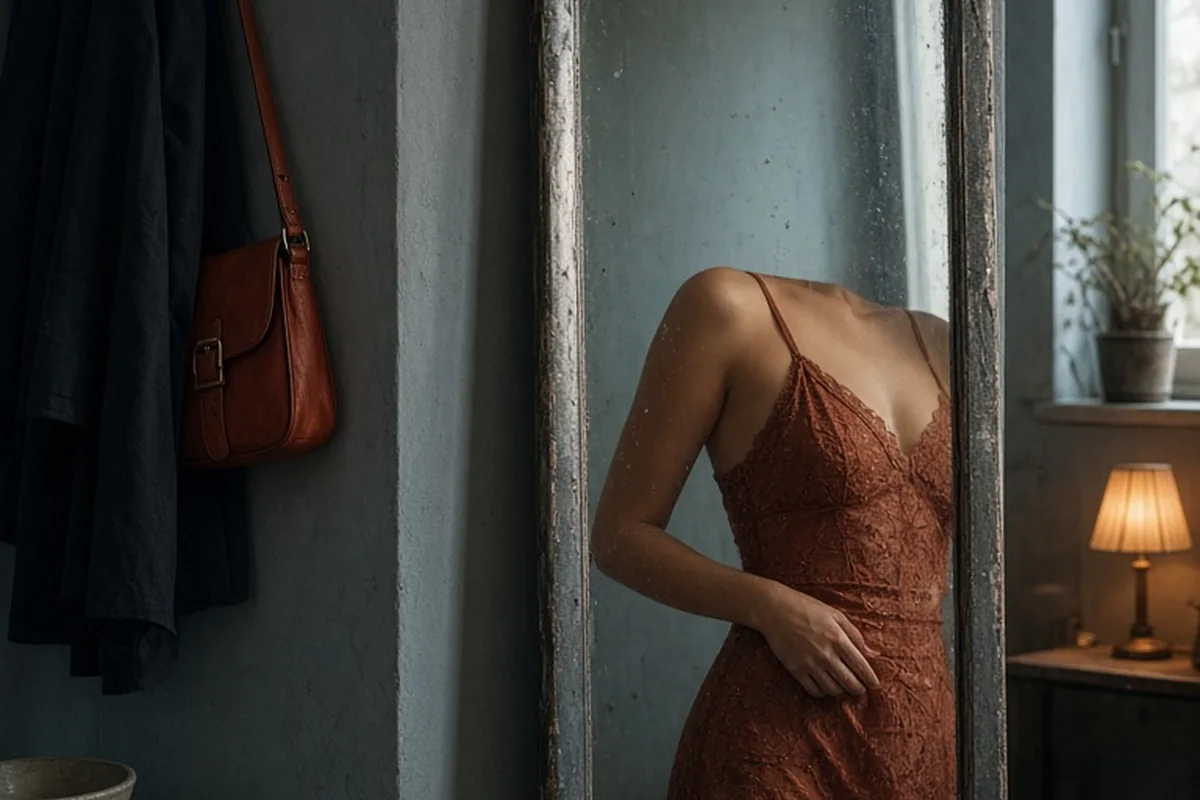
A lingerie selfie is a personal expression of intimacy and self-confidence meant to be shared only under conditions of clear mutual trust. To do it well, prioritize your privacy, use soft natural lighting, choose poses that make you feel comfortable rather than staged, and share only when you genuinely want to. The goal is personal enjoyment and connection, never external validation or pressure.
Exploring digital intimacy can add excitement to dating, but sending an intimate photograph often brings up questions about vulnerability, aesthetics, and safety. Navigating those choices with intention ensures the experience remains fun, empowering, and grounded in mutual respect.
Evaluating Trust and Safety Before You Press Send
Before picking out an outfit or experimenting with camera angles, the essential first step is evaluating the foundation of the relationship. Digital photos, once transmitted, exist outside your immediate control. Deciding to share an intimate image requires asking whether the recipient has demonstrated consistent emotional maturity, discretion, and respect for your personal boundaries over time. If a relationship is brand new, unpredictable, or characterized by hot-and-cold communication, pressing pause is a sensible measure of self-protection rather than an overreaction.
It is equally vital to examine your internal motivation. Sharing a private photo works best when it stems from your own desire to celebrate your body or share an affectionate spark with a trusted partner. If you feel subtle coercion, an obligation to keep someone interested, or the urge to test someone's devotion, taking that step usually creates anxiety rather than intimacy. True confidence comes from knowing that sharing your image is an optional gift, never a requirement or a bargaining chip for someone's attention.
Consider establishing clear mutual expectations around digital privacy early on. A simple conversation about whether either of you saves media, uses disappearing messaging settings, or prefers to keep visual intimacy reserved for in-person moments can eliminate confusion. When both people agree on how digital media is handled, sharing becomes a relaxed, low-stress addition to romance.
Working with Flattering Lighting and Easy Compositions
Great photography depends far more on the quality of light than on professional equipment. Harsh overhead ceiling fixtures cast unflattering shadows and create washed-out skin tones. Instead, position yourself near a window during daylight hours, ideally with sheer curtains to diffuse direct sunlight into a soft, warm glow. If you are taking photos in the evening, place a warm-toned bedside lamp slightly to the side and slightly above your eye level, creating gentle depth and a cozy, inviting atmosphere.
When setting up the frame, prioritize ease of movement over rigid, uncomfortable posing. Resting your phone on a sturdy shelf or using a short self-timer lets you relax your shoulders, adjust your posture, and move naturally without straining one arm to hold the device. Subtle angles often look much more engaging than direct, symmetrical shots. Sitting sideways on a bed, leaning gently against a doorframe, or resting on your elbows can highlight natural contours without appearing forced.
Remember that texture and fabric can do much of the visual work. You do not need an elaborate or uncomfortable ensemble; an unbuttoned silk pajama top, a soft lace bralette, or high-waisted shorts paired with an oversized knit cardigan often feel more authentic and visually compelling than overly formal pieces. Wearing something that feels comfortable against your skin immediately translates into a more relaxed posture.
Strategic Cropping and Safeguarding Your Identity
A major dilemma many people face is how to share a captivating photo while maintaining smart digital hygiene. Anonymizing your images does not detract from their appeal; in fact, artful cropping often enhances visual intrigue. Framing a shot from the collarbone down, capturing the silhouette of your waist and hips, or showing a playful over-the-shoulder glance where features remain partially shadowed keeps your identity private while delivering a striking aesthetic.
Beyond facial features, be mindful of identifying background details in your personal environment. Tattoos, distinctive birthmarks, framed family portraits, graduation diplomas, work credentials, or unique bedroom art can inadvertently identify you if an image is ever misdirected. Checking your frame for these small markers takes only a few seconds and provides valuable peace of mind.
Take advantage of modern smartphone privacy tools as standard practice. Many devices allow you to strip metadata, such as geographic location and time stamps, from photo files before sharing them. Using encrypted messaging apps or ephemeral photo settings can also add an extra layer of reassurance, ensuring you remain entirely in control of how your personal images exist in the digital realm.
Timing the Delivery and Choosing the Right Tone
Context significantly shapes how an intimate photo is received. Sending a spontaneous, suggestive image while your partner is in the middle of a high-pressure workday, sitting in a business meeting, or driving in traffic can create unnecessary stress. While the sentiment may be appreciated, an inconvenient setting prevents them from reacting thoughtfully. Choose moments when you know your partner has downtime to focus, such as relaxing at home in the evening or anticipating an upcoming weekend date.
The accompanying message sets the emotional tone for the entire exchange. Straining to sound aggressively provocative can feel unnatural if that is not your usual dynamic. Understated, playful captions generally work best because they leave room for imagination and banter. A simple note mentioning that you are relaxing for the evening or looking forward to an upcoming dinner date anchors the photo in your real-life connection.
Pay attention to the natural rhythm of your conversation. Digital intimacy is most rewarding when it flows organically from existing warmth rather than appearing out of nowhere during a prolonged silence. Allowing anticipation to build through lighthearted, affectionate texting throughout the day provides a natural runway for an intimate picture.
Reading the Response and Maintaining Your Emotional Balance
Once you send an image, it is common to experience a temporary spike in vulnerability while waiting for a reply. However, tying your sense of self-worth to the speed or intensity of someone else's text message is an exhausting habit. People lead busy lives, and a delayed response usually reflects work deadlines, family obligations, or simply being away from their phone rather than a critique of your appearance.
If a partner's response seems brief, such as a short compliment or a simple reaction emoji, resist the urge to jump to negative conclusions or send an insecure follow-up message. Acknowledge the compliment with grace and let the conversation develop on its own timeline. If enthusiastic reciprocity is consistently lacking over weeks or months, that is useful data about your broader compatibility, but it is never a reflection of your inherent desirability.
Similarly, observe whether your partner demonstrates appropriate appreciation. A thoughtful partner acknowledges the trust and vulnerability involved in sharing personal photos, responding with warmth, admiration, and respect. If someone immediately demands more explicit images or treats your gesture as transactional, you have gained valuable clarity regarding their emotional maturity.
Setting Clear Boundaries and Handling Second Thoughts
Healthy relationships thrive on clear, unambiguous personal boundaries, especially regarding sexual and digital expression. You always maintain the right to set the terms of what you share, how often you share, and when you prefer not to. If a partner asks for photos and you simply do not feel in the mood, a calm, straightforward boundary is completely sufficient. You never owe anyone digital intimacy, and a secure partner will accept your preference without sulking, guilting, or pressuring you.
If you ever experience sudden regret after hitting send, take a deep breath before reacting impulsively. Most contemporary messaging platforms offer an unsend or delete-for-everyone function within a brief time window. If the message has already been viewed, an honest, grounded follow-up note works wonders. Simply stating that you felt playful in the moment but would prefer to keep photos off devices going forward sets a clear boundary without unnecessary drama.
Ultimately, exploring lingerie photography should feel rewarding to you first and foremost. Taking beautiful, flattering photos can be an enjoyable exercise in body appreciation that you keep entirely to yourself in a private, password-protected folder. Sharing them with another person is simply an optional extension of that self-assurance, exercised only when and where you feel completely safe.
Illustrative Scenarios
Managing Privacy While Exploring Intimacy
Elena had been dating someone for four months and wanted to send an intimate photo to initiate a playful weekend mood. However, she felt uneasy about having her face identifiable in personal pictures stored on someone else's phone. Instead of ignoring her gut or abandoning the idea entirely, she took a tastefully composed shot focusing on the lace details of her bralette from collarbone to hip, leaving her face and identifiable room decor out of the frame. She paired it with an understated caption about looking forward to dinner. Her partner responded with genuine warmth and enthusiasm, appreciating the gesture while Elena felt completely secure.
Key point: Protecting your privacy does not diminish intimacy. Choosing anonymous angles allows you to enjoy playful vulnerability while maintaining total peace of mind regarding your digital footprint.
Handling Mixed Reactions Without Losing Confidence
Jordan sent a carefully planned photo to a new partner during the middle of a workday, hoping for an immediate and flirtatious reaction. When hours passed with only a short thumbs-up emoji, Jordan initially felt embarrassed and wondered whether the gesture was unappreciated or awkward. Instead of sending a defensive follow-up or apologizing unnecessarily, Jordan stepped away from the phone. Later that evening, the partner called to explain they had been trapped in back-to-back client presentations and expressed genuine admiration for the photo. Giving the interaction breathing room prevented an unnecessary misunderstanding.
Key point: Digital responses are frequently shaped by immediate context rather than true feelings. Giving someone space to respond thoughtfully keeps you grounded and prevents premature self-doubt.
Frequently asked questions
How can I tell if a partner is trustworthy enough for intimate photos?
Look for consistent discretion and respect across all areas of your relationship, such as how they speak about former partners and whether they honor everyday boundaries. A trustworthy partner never pressures you for images and respects your digital privacy without hesitation.
What should I do if a partner asks for photos but I feel uncomfortable sending them?
Communicate your boundary directly and without apology by stating that you prefer keeping visual intimacy strictly in person. A supportive partner will respect your comfort level immediately and continue engaging with you warmly.
Can I take lingerie photos just for my own enjoyment without sending them?
Absolutely. Exploring creative angles, flattering lighting, and favorite outfits for yourself can be a private boost to body confidence. You can store them in a secure, hidden folder purely for your own appreciation.
Your next step
Take one private photo using soft, indirect window light today, focus strictly on what makes you feel comfortable and confident, and keep it in your personal gallery before deciding whether sharing it fits your boundaries.