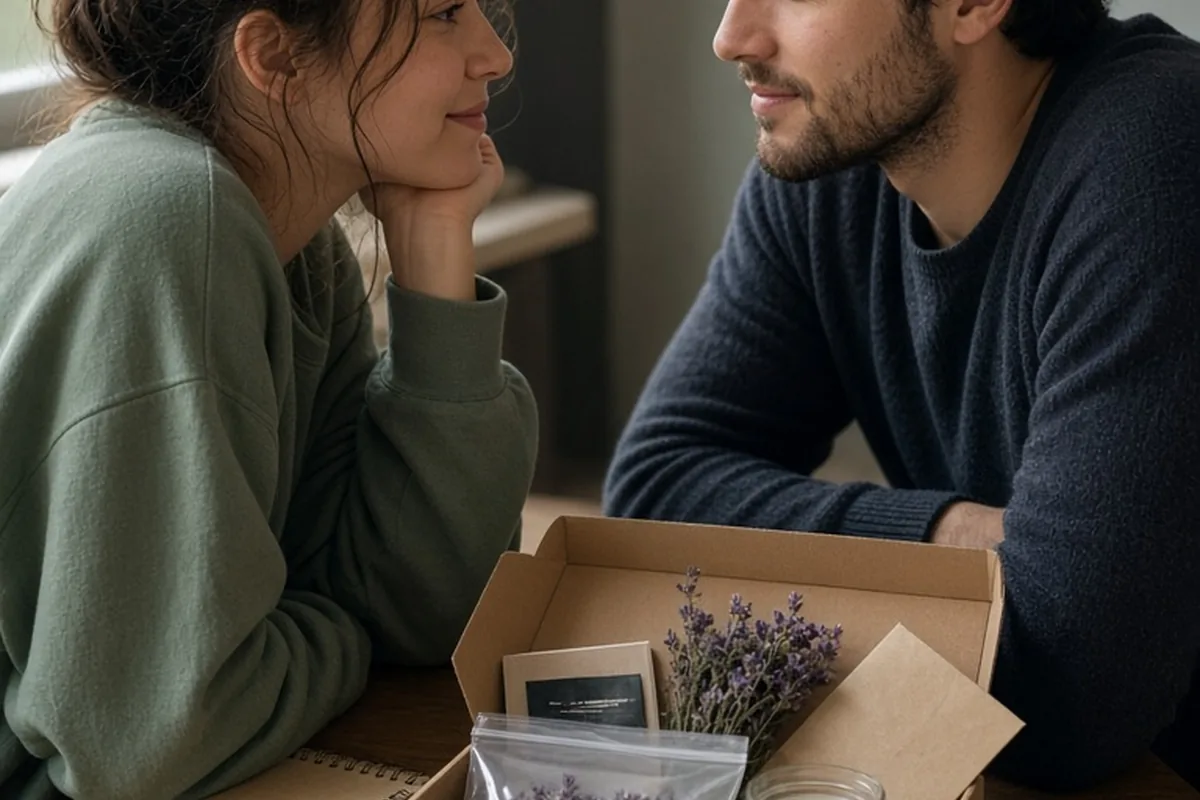
The most effective long distance relationship care packages focus on shared experiences and emotional resonance rather than high cost. Meaningful ideas include five-senses comfort boxes, open-when letters, synchronized date-night kits with matching snacks and games, local regional treats, and wearable everyday items infused with familiar scents. Packaging these items around a clear theme bridges physical separation by providing tactile reminders of mutual care, consistency, and affection.
Living apart from a partner tests emotional stamina, but deliberate gestures help bridge the geographical void. A well-planned care package serves as a tangible anchor, turning abstract affection into a physical, comforting presence that reminds your partner they remain central in your daily life.
The Five Senses Package for Multi-Sensory Grounding
Grounding a care package in the five physical senses—sight, sound, touch, taste, and smell—creates an immersive emotional experience that digital video calls cannot replicate. Distance often feels frustrating because it deprives couples of subtle physical interactions, such as sharing a comforting meal or resting under the same blanket. By deliberately addressing each sensory channel, you create a tangible reminder of presence. For example, for touch, you might send a plush hoodie washed in your usual laundry detergent or a soft cashmere throw; for taste, their favorite hard-to-find childhood confectionery; for sight, a printed mini photo album of candid everyday snapshots; for sound, a custom playlist linked via a scannable code; and for smell, a travel-sized bottle of your signature cologne or a calming scented candle.
While sensory boxes are deeply comforting, a common pitfall is overloading the package with random items that feel disjointed or clutter your partner's living space. Select compact, quality items rather than filling the box with disposable novelties that quickly lose their appeal. Furthermore, be mindful of shipping restrictions on liquids, pressurized fragrances, or perishable foods, especially across international borders. The true strength of a sensory parcel lies not in sheer quantity, but in how each curated piece evokes an authentic, comforting memory of your connection.
Shared Activity and Synchronized Date Night Kits
Beyond passive comfort items, interactive care packages offer the chance to participate in an intentional, shared event simultaneously. Prolonged distance frequently drains regular conversation topics, leaving partners feeling as though their check-ins are repetitive status updates rather than engaging romantic exchanges. A synchronized date night kit remedies this by providing identical materials for a joint activity. You might pack identical craft kits, matching two-player cooperative board games, duplicate recipe cards paired with non-perishable specialty spices, or complementary painting sets. When scheduled together over a video call, the package shifts the focus from simply talking on a screen to collaborating on an active experience.
To make this approach work smoothly, coordinate timing and logistics in advance without spoiling the surprise of the contents. Include a clear instruction card on the interior lid, such as an invitation instructing your partner not to open specific sealed envelopes until your agreed call. The main constraint to consider is your partner's current bandwidth and schedule; an elaborate two-hour craft activity might feel like an obligation rather than a treat if they are navigating severe work fatigue. Choose activities that match their actual energy levels and offer a playful, low-pressure atmosphere.
Curating by Practical Comfort and Everyday Utility
Not every parcel needs to be exclusively sentimental; practical comfort items often demonstrate deep attentiveness to your partner's daily routine and challenges. Highlighting practical utility shows that you listen attentively when they mention daily friction points, whether they are coping with a demanding winter commute, struggling with restless sleep, or enduring long hours at an ergonomic desk. Useful additions include insulated travel mugs, premium herbal sleep teas, blue-light blocking glasses, high-grade hand balms, or portable battery banks for their commute. When your partner reaches for a practical item throughout their workday, it serves as a steady, quiet reminder of your ongoing support.
The risk with purely utilitarian packages is that they can inadvertently read as sterile or impersonal if presented without emotional warmth. Balance practical items by tucking brief, handwritten sticky notes onto each object explaining why you picked it—such as noting that a specific thermal mug will keep their coffee warm during early morning team meetings. This pairing of practical care and thoughtful acknowledgment elevates mundane necessities into deeply personal tokens of reliability.
Emotional Anchors: Open-When Envelopes and Milestone Keepsakes
Written communication remains one of the most enduring methods to maintain emotional intimacy across long distances. 'Open When' letter bundles provide sustained, recurring encouragement by offering tailored messages for future moments of vulnerability or celebration. Create a series of clearly labeled envelopes designed for specific emotional states, such as 'Open when you feel overwhelmed by work,' 'Open when you miss my voice,' 'Open when you need a good laugh,' or 'Open when we are having a minor disagreement.' Inside each envelope, write an honest, grounded letter paired with a small flat memento, like an inside joke meme, a gift card for coffee, or a photograph.
The real value of these letters is their ability to offer emotional grounding during unpredictable moments when timezone differences make real-time communication impossible. However, it is essential to establish reasonable expectations and trust; avoid monitoring or checking whether your partner has opened specific envelopes on your timetable. Grant them full autonomy to use these resources whenever they genuinely need them, honoring the package as an unconditional gift of emotional support rather than a structured obligation.
Tailoring Care Packages for Stressful Seasons and Milestones
Timing your care packages around pivotal life events—such as demanding final exams, career transitions, recovery from an illness, or missed personal anniversaries—shows acute emotional attunement. During intense, high-stress periods, partners in long-distance relationships often feel isolated because physical comforting is unavailable. A targeted stress-relief care package might contain nourishing single-serve snacks, electrolyte packets, soothing sheet masks, a relaxing audio subscription code, and an explicit reminder that you expect nothing in return. Tailoring the parcel to meet their acute situational needs validates their reality and alleviates cognitive load.
When assembling a seasonal or milestone package, avoid adding items that create additional administrative chores or maintenance for your partner. For instance, sending complex plants that require strict care schedules during an intense work deadline can unintentionally generate unwanted stress. Prioritize items that offer instant relaxation or solve immediate small problems, reinforcing your role as a calm sanctuary rather than an added demand on their finite attention.
Packaging Logistics, Timing, and Sustainable Pacing
The best-conceived care package can lose its impact if damaged in transit or delayed past a critical date, making shipping logistics a vital part of the process. Invest in durable cardboard containers, wrap fragile goods thoroughly in bubble wrap, and seal items containing aromas or liquids in leakproof zipper bags. If shipping internationally, research customs regulations thoroughly to avoid confiscation of prohibited agricultural products or expensive surprise import duties for the recipient. Tracking your shipment quietly gives you peace of mind while letting the arrival feel effortless and delightful for your partner.
Beyond mechanical shipping details, consider the sustainable cadence of your gift-giving. Sending elaborate, expensive care packages too frequently can inadvertently create unspoken pressure on your partner to reciprocate with equal financial or creative investment, potentially breeding financial strain or relationship anxiety. Focus on consistency, emotional sincerity, and manageable frequency over costly grandiosity. A modest, heartfelt parcel sent twice a year with genuine care is far healthier for relationship dynamics than erratic, unsustainable spending.
Illustrative Scenarios
Navigating Misaligned Expectations in Exam Season
Marcus wanted to support his partner, Elena, who was facing demanding graduate school finals in another state. He initially planned an elaborate, multipart care package requiring her to solve clues and participate in nightly virtual games. Recognizing that Elena was already exhausted and working late hours, Marcus realized his complex plan might create an accidental burden rather than relief. Instead, he pivoted to a practical survival kit featuring her preferred dark roast coffee beans, healthy energy bars, soothing eye patches, and a straightforward handwritten letter expressing proud confidence in her hard work. When the package arrived, Elena expressed immense relief that the items provided immediate practical support without asking for any cognitive energy in return.
Key point: Tailor care packages to your partner's actual current energy levels, prioritizing practical relief over complicated demands on their time.
Bridging Timezones with Synchronized Openings
Dev and Chloe lived across an eight-hour timezone divide, which frequently made spontaneous quality time difficult. Dev felt their conversations were drifting into predictable summaries of their workdays. To restore a sense of collaborative fun, Dev mailed Chloe a package containing two identical indie mystery puzzle games, keeping the second copy for himself. He marked the exterior box with a note asking her to leave the package sealed until their weekend call. When they connected on video, they unboxed the materials together and spent three hours solving clues collaboratively. The shared focus shifted their interaction away from passive screen fatigue, renewing their sense of teamwork and playful partnership.
Key point: Using care packages to anchor synchronized interactive activities helps long-distance partners break out of monotonous conversational routines.
Frequently asked questions
How often should you send a care package in a long-distance relationship?
Sending a care package every two to three months or around significant personal milestones is typically ideal. This frequency keeps the gesture special without placing unsustainable financial or logistical pressure on either partner.
What are good care package ideas on a tight budget?
Focus on low-cost, high-sentiment items like hand-curated playlists, baked goods, thoughtful letters, or printed photos with written memories on the back. Personal effort and emotional specificity consistently provide more connection than expensive retail gifts.
How can you personalize a care package without knowing their exact preferences?
Pay attention during casual conversations for small details about their daily routine, favorite comfort snacks, or current minor frustrations. You can also build the box around shared relationship memories, local treats from your hometown, or universal comforts like high-quality tea and cozy socks.
What items should you avoid sending in a long-distance care package?
Avoid highly perishable foods that spoil quickly in transit, fragile glass items without proper protective wrapping, and complex gifts that require high maintenance. If shipping internationally, also steer clear of restricted goods like alcohol, uncured meats, or fresh plant matter to prevent customs delays.
Your next step
Select one practical comfort item and write a single heartfelt note this week to begin assembling a personalized package that genuinely reflects your partner's current life and needs.