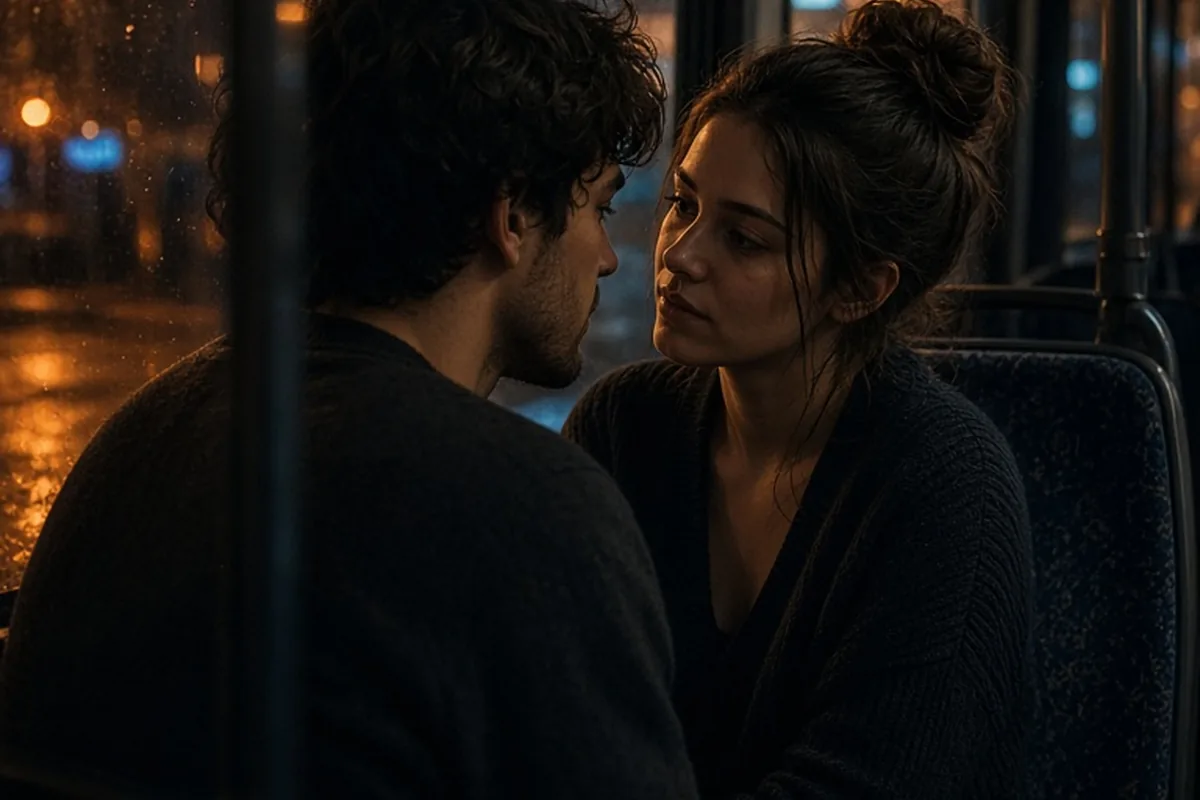
Great love letter ideas begin with specificity rather than grand, generic declarations. To write a memorable letter, anchor your words in a vivid shared memory, name two or three specific qualities you admire in daily life, and describe how your partner's presence positively impacts your outlook. Focus on emotional honesty, appreciation, and personal reflections rather than imitating dramatic poetry or relying on cliches.
Putting genuine affection into writing often feels intimidating, especially if you worry about sounding overly sentimental or awkward. Moving past prefabricated romantic lines allows you to craft a message that reflects genuine appreciation, grounded intimacy, and personal authenticity.
Anchor Your Letter in Concrete Shared Memories
The most powerful love letters rarely rely on sweeping abstractions about eternal devotion. Instead, they evoke specific moments that belong exclusively to the two of you. When you recall an exact scene—such as navigating a wrong turn during a weekend road trip, standing together in a crowded kitchen while dinner burned, or sharing quiet conversation on a porch late at night—you show your partner that you pay close attention to your shared history. This grounds your emotional expression in reality, demonstrating that your affection is built on real experiences rather than an idealized fantasy.
To put this into practice, choose one single scene that captures how you feel about the relationship. Describe what you saw, what made you laugh, or the exact moment you felt an unmistakable sense of ease around them. A helpful boundary to keep in mind is avoiding past conflicts or unresolved arguments unless you are referencing a shared difficulty that you both navigated smoothly and laugh about today. The goal is to bring a warm memory back to life, reminding your partner of the foundation you continue to build together.
Highlight Subtle Everyday Habits and Character Strengths
People often hear praise for their most visible traits, such as their appearance, professional competence, or social charm. While those compliments are pleasant, letters become truly memorable when you acknowledge the subtle habits and quiet character strengths that often go unnoticed by the rest of the world. Focusing on how your partner treats service staff, how patiently they listen to a friend in distress, or how they make coffee each morning communicates that you see and value their core character.
When drafting these observations, use clear and descriptive phrasing rather than vague summaries. For instance, instead of writing that your partner is kind, describe how their calm demeanor steadied you after a chaotic workday or how their thoughtful questions make people feel welcomed. Be mindful to highlight qualities they take pride in rather than traits they might feel self-conscious about. Validating their genuine nature builds psychological safety and reinforces that they do not need to perform or maintain a facade to earn your regard.
Express Appreciation for Mutual Growth and Partnership
A healthy partnership transforms both individuals over time, and acknowledging that mutual evolution adds mature depth to a love letter. Reflect on how your perspectives, priorities, or emotional habits have evolved since you met. Describing personal growth without placing the burden of your happiness entirely on your partner strikes a healthy balance between closeness and personal responsibility. It demonstrates that you view the relationship as a cooperative endeavor where both people can thrive.
Frame this growth by highlighting what your partner's presence inspires in you. You might note that their curiosity has encouraged you to read more widely, or that their steady patience has helped you respond to stress with greater composure. However, avoid language that suggests you were incomplete or dysfunctional before meeting them. Framing a partner as your sole emotional lifeline creates unnecessary pressure. Healthy romance acknowledges two whole individuals choosing to support, challenge, and care for one another.
Tailor the Letter Tone to Your Relationship Stage
A common pitfall in writing love letters is misjudging the emotional calibration of the relationship. A message written three months into dating requires a different tone than one written after ten years of marriage. In the early stages, intense declarations of forever can feel overwhelming or out of sync with real-world intimacy. Conversely, after years of companionship, an overly casual note can feel dismissive of the deep history you share. Adapting your message to your current stage ensures your words land with sincerity.
Consider which prompts best match your current dynamic before you begin writing to ensure your sentiment feels appropriate and reciprocal:
- Dating and Early Romance: Focus on curiosity, appreciation for their company, and excitement about discovering who they are without premature commitments.
- Established Partnerships: Highlight gratitude for teamwork, shared rituals, resilience through routine, and emotional reliability.
- Long-Term Commitment or Anniversaries: Celebrate endurance, mutual sacrifices, enduring affection, and shared long-term dreams.
Explore Creative Formats Beyond Traditional Long-Form Notes
Not every meaningful expression of affection needs to look like a multi-page essay written on parchment. Creative structures can often relieve the pressure of writing long prose while delivering an equally touching sentiment. Exploring varied formats allows you to match your natural communication style, whether you prefer concise wit, structured lists, or tactile gestures that your partner can return to over time.
Consider creating a series of brief 'Open When' notes for specific circumstances, such as when your partner has had a rough day at work, needs a morning boost, or feels uncertain about a big decision. Another effective approach is writing an annotated list of small things that made you smile over the past month, or leaving a thoughtful postcard inside a book they are reading. The key limitation is to ensure the format does not overshadow the message; creative presentation should enhance your sincerity rather than serve as a substitute for real emotional openness.
Write with Your Natural Voice to Avoid Awkwardness
Many people freeze up when writing a love letter because they adopt an artificial, dramatic voice that sounds nothing like their everyday speech. Straining for poetic elegance often produces clunky, stilted prose that creates emotional distance rather than connection. Your partner values your actual voice, including your sense of humor, your natural cadence, and your conversational style. Writing like yourself ensures the letter feels authentic, trustworthy, and directly from you.
A practical method for overcoming this hurdle is to draft the letter by imagining you are sitting across from your partner in a quiet room, simply telling them why you appreciate them. Once your thoughts are on paper, read the draft aloud. If a sentence feels pretentious or difficult to say naturally, simplify the vocabulary and remove excessive adjectives. Plainspoken honesty carries far more emotional weight than borrowed romantic cliches.
Illustrative Scenarios
Moving Past Clichés to Personal Reality
Julian wanted to write an anniversary card for his partner but found himself discarding drafts because every line sounded like a generic greeting card. He worried that without grand, poetic statements, his words would seem unromantic and plain. Rather than forcing elevated language, Julian decided to write down the simple story of a Saturday morning three months earlier when they quietly tackled home chores while listening to music. He described how peaceful and secure he felt in that ordinary rhythm. When his partner read the note, she kept it on her desk, touched by the recognition of their everyday life together.
Key point: Specific, grounded observations about everyday shared moments resonate far more deeply than grandiose, impersonal declarations.
Offering Support Without Demanding Reciprocation
Tanya wanted to write a letter to her partner, who was facing intense professional stress and exhaustion. Her initial draft focused heavily on their future vacation plans and contained lengthy questions about his emotional state, which she realized might feel like another demand on his depleted energy. Tanya reworked the note into a brief message acknowledging his dedication, offering specific gratitude for his quiet resilience, and explicitly stating that he did not need to reply. Her partner later expressed immense relief at receiving affection that gave support without adding emotional pressure.
Key point: A thoughtful letter should meet your partner where they are emotionally, offering comfort without creating an obligation to respond.
Frequently asked questions
How long should a love letter be?
A love letter does not need to be several pages long to make a lasting impact. A concise note of three to four thoughtful paragraphs is often more memorable and easier to digest than a sprawling essay. Focus on clarity, personal detail, and honest appreciation rather than reaching an arbitrary word count.
Is a handwritten letter better than a typed or digital message?
Handwritten letters carry a personal, tactile quality that gives the impression of dedicated time and care. However, if your handwriting is difficult to read or you communicate primarily through long-distance digital channels, a carefully formatted typed letter or email remains deeply meaningful. The thought, sincerity, and detail behind the words matter far more than the medium.
What should I do if I feel too vulnerable sharing my feelings?
Start with smaller, lower-stakes expressions of appreciation before moving into deeper emotional territory. You can begin by highlighting a specific habit you admire or expressing gratitude for a fun day you recently spent together. As you see how positively your partner receives genuine feedback, sharing deeper thoughts will gradually feel more comfortable.
Your next step
Choose one specific, positive moment from the past two weeks, write down three sentences describing what happened and why you appreciated sharing it, and leave the note where your partner can discover it today.