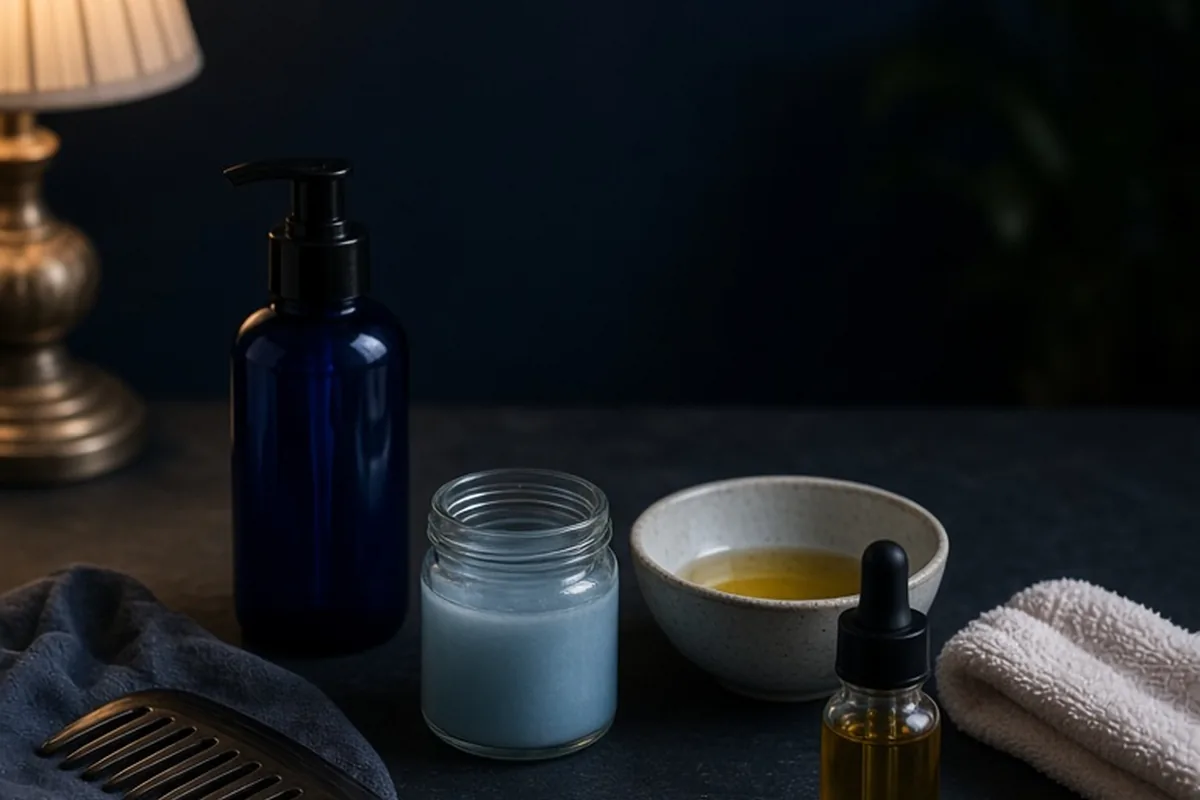
A low porosity hair routine focuses on opening tightly bound cuticles using warmth and water-soluble hydration while avoiding heavy butters that cause buildup. Beginners should wash weekly with a sulfate-free shampoo, clarify monthly, deep condition using gentle indirect heat, and apply lightweight, water-based leave-in conditioners followed by light sealing oils like argan, jojoba, or sweet almond.
When hair repels water, takes hours to dry, and leaves styling products sitting on the surface like a greasy film, the underlying cause is usually low porosity. Hair porosity refers to how easily moisture passes in and out of the hair shaft, dictated by the arrangement of the outer cuticle scales. Building a routine around this specific structure prevents product waste, chronic dryness, and unnecessary breakage.
Recognizing Low Porosity Hair and How Cuticles Behave
Hair porosity is determined by the condition and alignment of the cuticle, the protective outermost layer of the hair strand. In low porosity hair, these cuticle scales are tightly packed, flat, and overlapping, much like slate tiles on a well-built roof. While this tight formation is structurally sound and resists external environmental damage, it presents a unique challenge for routine hydration. Moisture cannot easily slip between the tightly closed scales, meaning water and conditioning agents tend to pool on the exterior rather than saturating the internal cortex.
Beginners often misdiagnose their hair type because low porosity strands can feel persistently parched despite frequent product application. Classic daily signs include water beading up on the surface of dry hair when misted, taking several minutes under a running shower stream before the hair feels thoroughly soaked, and requiring unusually long drying times that can stretch across an entire afternoon. Furthermore, because the hair cuticles resist absorption, styling creams and thick treatments quickly accumulate along the shaft, causing dullness, flaking, and a sticky or coated texture after only a few days of styling.
Clarifying and Cleansing Low Porosity Hair Without Stripping
Cleansing is the critical first step in any low porosity regimen because clean cuticles are required for moisture absorption. Due to the flat structure of the cuticle, heavy styling products, silicones, and mineral deposits cannot easily penetrate the hair and instead form a stubborn barrier along the exterior. If you apply hydrating conditioners directly over this residue, the moisture simply slides off. Beginners should establish a two-tiered washing approach: a gentle, hydrating shampoo for standard weekly wash days, paired with a dedicated clarifying shampoo used once or twice every month.
Water temperature plays an essential role during the cleansing phase. Washing low porosity hair with cool water causes the cuticles to contract further, reinforcing the barrier that locks moisture out. Using comfortable warm water softens the hair shaft and gently expands the cuticle scales, allowing cleansing agents to dissolve trapped sebum and rinse clean. When selecting a weekly shampoo, look for gentle surfactants such as coco-glucoside or decyl glucoside that lift dirt without completely stripping the hair of its natural lipids, reserving chelating or sulfate-based clarifying formulas for deep resetting sessions.
Deep Conditioning With Gentle Heat to Open Cuticle Layers
Applying a deep conditioner to low porosity hair at ambient room temperature rarely produces satisfactory results. Without an external prompt to shift the cuticle scales, rich conditioning formulas sit dormant on the surface, washing down the drain during the rinse cycle without delivering restorative emollients to the inner cortex. Applying indirect, gentle warmth during conditioning is the most reliable technique for lifting tightly sealed cuticles, allowing proteins, humectants, and fatty alcohols to migrate into the hair shaft.
Beginners can introduce heat using practical, low-cost household methods before purchasing specialized equipment. After applying a generous layer of deep conditioner to freshly cleansed, damp hair, cover the head with a plastic shower cap. You can then sit under a bonnet dryer on a moderate heat setting, use a microwavable flaxseed thermal cap, or wrap a hot, damp towel over the plastic covering for twenty to thirty minutes. Once the treatment period ends, allow the hair to cool slightly before rinsing with lukewarm water. The cooling process encourages the cuticles to lay flat once more, locking the newly introduced moisture inside the strand.
Applying Leave-In Hydration and Lightweight Sealants
The sequence in which you layer post-wash products dictates how long moisture remains within low porosity hair. While the popular Liquid-Oil-Cream method works well for porous or chemically processed textures, low porosity hair generally responds best to the Liquid-Cream-Oil or Liquid-Oil sequence. Applying a heavy cream before your hair absorbs liquid hydration blocks water molecules from penetrating. Beginners should always ensure the hair is damp and warm before introducing a thin, water-based leave-in conditioner formulated with penetrating humectants such as glycerin, aloe vera juice, or panthenol.
Sealing requires a delicate touch. Heavy sealants like unrefined raw shea butter, thick castor oil, or pure beeswax coat low porosity strands too densely, resulting in stiff, limp hair that attracts dust and lint. Instead, opt for lightweight plant-derived oils with smaller molecular structures that seal moisture without suffocating the strand. Cold-pressed argan oil, jojoba oil, sweet almond oil, and grapeseed oil provide smooth surface protection while preserving the hair's natural movement and bounce. Dispense only three to five drops between your palms and smooth gently over the ends and mid-lengths.
Designing a Weekly and Monthly Wash Day Schedule
Developing a predictable cadence prevents product buildup from compounding while avoiding the moisture loss that occurs when hair is neglected. A standard seven-day wash cycle offers an ideal balance for most beginners. On your primary weekly wash day, dedicate thirty to forty-five minutes to thorough cleansing, warm-water detangling, heated deep conditioning, and layered leave-in application. Throughout the workweek, avoid applying heavy dollops of daily styling cream; if your hair feels dry on day four or five, a light misting of warm water or a diluted aloe-based refresher spray is sufficient to reactivate the products already present on the strand.
Monthly maintenance should center on evaluation and reset. Every three to four weeks, substitute your regular moisturizing shampoo with a clarifying formula to purge environmental pollutants, sweat salts, and styling residues. Follow clarifying sessions with an intensive, heat-boosted moisture mask to replenish hydration immediately. If your schedule involves frequent workouts, swimming, or humid outdoor conditions, you may need to clarify closer to the three-week mark, whereas those who use minimal daily styling products can stretch the interval to once a month without experiencing significant buildup.
Managing Protein Sensitivity and Product Buildup
Low porosity hair naturally possesses a strong, densely organized internal protein framework that has sustained little structural degradation from processing or environmental exposure. Because the hair's keratin structure is already intact, introducing frequent protein-rich reconstructors, hydrolyzed collagen treatments, or keratin styling pastes often produces adverse reactions. Excess protein deposits stiffen the outer sheath, making the hair feel dry, straw-like, and brittle, which frequently leads to mechanical breakage during everyday detangling and styling.
Beginners should examine product ingredient listings and prioritize moisture-dominant formulations over protein-heavy treatments. If you notice your hair snapping easily, feeling coarse despite deep conditioning, or tangling aggressively at the ends, you may be experiencing protein overload. To correct this imbalance, temporarily eliminate products listing hydrolyzed proteins, amino acids, or keratin among the top five ingredients. Perform a clarifying wash with warm water to strip away external protein deposits, followed by two consecutive weekly deep conditioning sessions focused solely on moisture, humectants, and softening fatty alcohols.
Selecting Ingredients and Reading Product Labels for Low Porosity Strands
Navigating retail aisles requires reading the actual ingredient deck rather than relying on promotional marketing text on front labels. For low porosity hair, the first ingredient in your daily leave-ins and refreshing mists should consistently be water or aloe leaf juice. Look for lightweight film-forming humectants such as hydroxyethylcellulose, marshmallow root extract, and slippery elm extract, which offer excellent slip for detangling without forming a rigid, non-porous polymer shell over the strand.
Conversely, exercise caution with non-water-soluble silicones such as dimethicone, amodimethicone, or cyclomethicone unless you routinely use a surfactant-based shampoo capable of washing them away completely. Heavy petroleum byproducts, mineral oils, and hydrogenated vegetable oils should generally be avoided in daily leave-ins because their large molecular sizes remain trapped on the cuticle surface. Emulsifiers and slip agents like cetearyl alcohol, behentrimonium methosulfate, and stearyl alcohol are safe and beneficial fatty alcohols that provide glide without weighing down fine or tightly packed hair shafts.
Frequently asked questions
How often should low porosity hair be washed?
Most people with low porosity hair achieve the best results by washing once a week with a gentle, sulfate-free shampoo. Washing too infrequently allows sebum and styling products to form a stubborn barrier over the tight cuticles, while washing daily can disrupt scalp balance and leave strands waterlogged.
Is coconut oil bad for low porosity hair?
Coconut oil can be problematic for low porosity hair because it penetrates the strand deeply and binds to internal proteins, which can cause unyielding stiffness and brittleness in hair that is already structurally dense. Lighter oils like argan, jojoba, and sweet almond are far less likely to cause coarseness.
Can you change low porosity hair into high porosity hair?
Porosity is primarily genetic, determined by the natural pattern in which your hair follicles construct the cuticle layer. While heat damage, chemical bleaching, and rough handling can artificially damage the cuticles to create high porosity characteristics, healthy low porosity hair cannot and should not be permanently converted.
Why does product seem to sit on top of low porosity hair?
Product sits on the surface because the flat, tightly sealed cuticle tiles repel large molecules and cool liquids. Using warm water during washing and applying indirect heat during deep conditioning temporarily opens these cuticles, allowing the product to absorb into the shaft rather than drying as a visible film.
Your next step
Inspect your current hair products to set aside heavy butters or silicones, wash your strands with warm water and a clarifying shampoo on your next wash day, and use a shower cap with a warm towel to deep condition your hair.