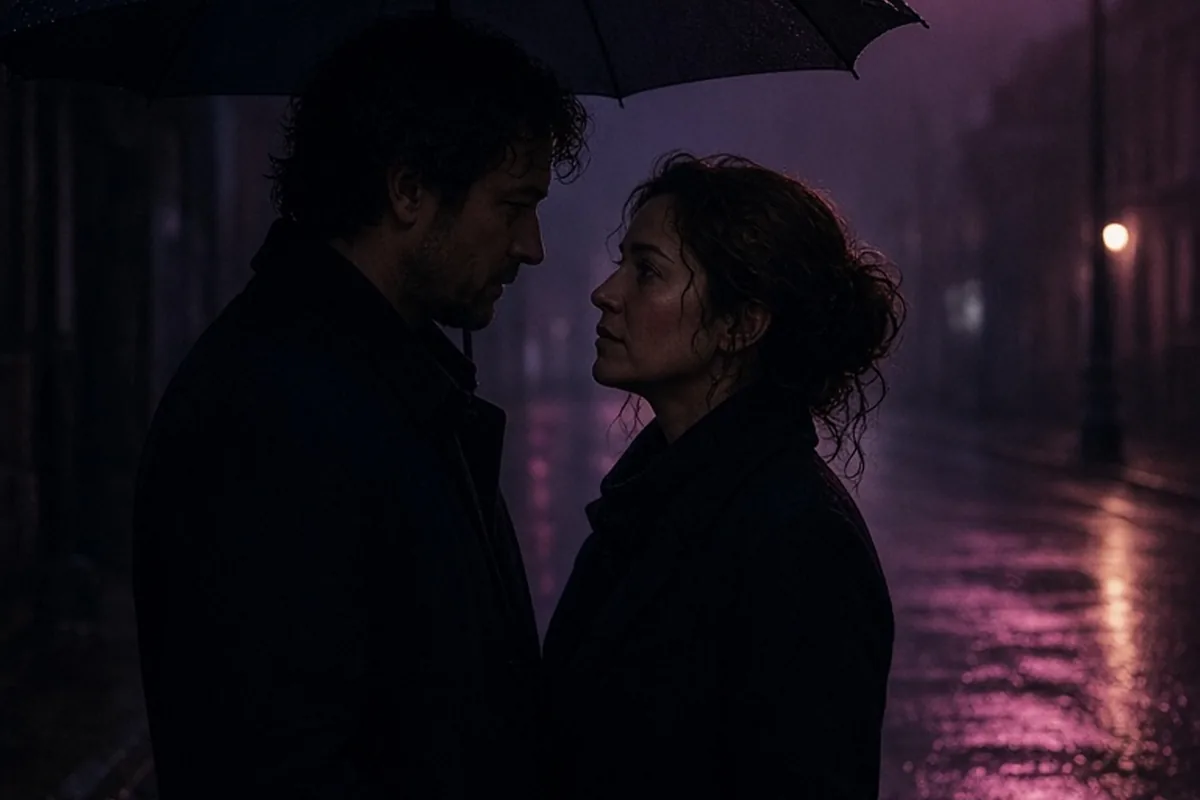
A marriage retreat is an immersive, multi-day program designed to help couples repair relationship distress, break communication gridlock, or deepen emotional intimacy away from daily routines. Formats range from large educational group workshops to private clinical intensives led by licensed therapists. Retreats compress months of traditional counseling into several concentrated days, providing dedicated space to address longstanding conflicts, rebuild trust, and develop sustainable partnership habits.
When standard weekly counseling feels too slow or everyday obligations derail meaningful conversation, an intensive format can provide the dedicated focus needed to address deep-seated partnership dynamics.
Assessing Whether a Marriage Retreat Fits Your Current Situation
Couples typically seek a marriage retreat when they experience chronic emotional disconnection, cyclical arguments that never resolve, or aftershocks from major life transitions. Unlike traditional weekly therapy, which provides one hour of dialogue before partners return to work, children, and household stressors, a multi-day retreat isolates the relationship in a neutral environment. This immersion helps partners identify destructive patterns without the immediate interruption of domestic responsibilities. It is particularly valuable for couples who feel stuck in repetitive blame cycles or who have grown into polite, emotionally detached roommates over years of routine.
However, a retreat is not an appropriate intervention for every circumstance. When active substance abuse, coercive control, untreated severe psychiatric emergencies, or ongoing physical or emotional abuse are present, intensive couples work can escalate risk rather than heal wounds. In such situations, individual safety planning, specialized individual psychotherapy, or addiction treatment must precede any joint intensive work. Additionally, if one partner has already definitively decided to end the marriage and is attending solely to appease the other, a retreat can lead to increased frustration. A retreat requires mutual, voluntary participation and a shared willingness to engage in vulnerable dialogue.
Comparing Private Therapy Intensives with Group Workshop Formats
Marriage retreats generally fall into two broad categories: private clinical intensives and group educational retreats. A private clinical intensive involves one couple working exclusively with one or two licensed mental health professionals for several consecutive days. These programs offer completely personalized interventions tailored to specific relationship histories, such as repairing attachment injuries after infidelity, navigating blended family tensions, or unpacking complex individual trauma impacting the marriage. Because the clinician focuses entirely on one relationship, the pacing adjusts dynamically to emotional breakthroughs or moments of heightened dysregulation.
Group retreats and workshops, by contrast, accommodate multiple couples simultaneously in a seminar-style format. These programs emphasize relationship education, psychological research frameworks, and communication skill-building rather than individualized clinical intervention. Participants listen to lectures on relationship dynamics, observe demonstrations, and then complete private exercises with their partner in separate breakout spaces. Group formats offer a lower-pressure environment where couples can learn without feeling constantly scrutinized, and they often provide comfort by showing that many common relationship struggles are shared across different marriages.
Evaluating Faith-Based, Secular, and Evidence-Informed Retreat Models
Selecting the right philosophy and clinical methodology is essential for ensuring that both partners feel respected and understood throughout the experience. Secular retreats often utilize established evidence-informed frameworks such as Emotionally Focused Therapy (EFT) or the Gottman Method. EFT-based retreats focus on attachment patterns, helping partners understand the deeper fears and unmet emotional needs driving defensive reactions like criticism or withdrawal. Gottman-oriented retreats emphasize practical interaction patterns, teaching couples how to manage conflict, build shared meaning, and enhance friendship through structured dialogue tools.
Faith-based retreats integrate spiritual principles, scripture, and shared religious practices alongside relationship guidance. These programs may be hosted by religious organizations, specialized ministries, or licensed Christian or pastoral counselors. For couples who share a deeply rooted spiritual worldview, incorporating prayer, faith values, and community support into marriage renewal can provide profound meaning and motivation. However, if partners hold differing religious beliefs, attending a faith-exclusive retreat can inadvertently create friction or leave one person feeling marginalized. Couples should explicitly discuss whether a secular, spiritually integrated, or purely religious framework aligns with both partners' values before booking.
Marriage Retreat Cost Breakdown: Tuition, Accommodations, and Variables
Financial commitments for marriage retreats vary substantially depending on program structure, location, clinician qualifications, and whether lodging is included. A private clinical intensive typically incurs the highest expense because it represents full-time, direct professional service from licensed clinicians over multiple days. Group workshops, which distribute operational and instructional expenses among many couples, represent a more moderate tuition investment. Beyond program tuition, couples must account for lodging, travel arrangements, meals, and potential loss of work income during their time away.
When planning a retreat budget, it is critical to request an itemized breakdown from the provider. Some retreat centers offer all-inclusive packages covering workshop fees, private cabin or hotel accommodations, and daily meals, while others charge solely for clinical tuition, leaving travel, dining, and lodging arrangements to the attendees. Furthermore, because intensive retreats rarely fit standard insurance reimbursement structures for weekly psychotherapy, out-of-pocket payment is generally required. While some licensed therapists provide itemized receipts with standard billing codes for potential out-of-network reimbursement, insurance coverage for multi-day intensive couples work is rare and should never be assumed without direct pre-authorization from an insurance carrier.
Vetting Marriage Retreat Providers and Clinical Credentials
Because the term retreat is not a regulated medical or therapeutic designation, virtually anyone—including relationship coaches, spiritual guides, or hospitality operators—can market a marriage retreat. To ensure safe, high-quality care, couples should thoroughly verify the credentials of the retreat leaders. If seeking clinical therapy, confirm that the providers hold active, unencumbered state licenses in mental health fields, such as Licensed Marriage and Family Therapists (LMFT), Licensed Clinical Social Workers (LCSW), Licensed Professional Counselors (LPC), or clinical psychologists (PsyD or PhD).
In addition to basic licensing, inquire about specific post-graduate training and experience in couples therapy modalities. Ask prospective providers how they handle intake assessments and pre-screening. Ethical retreat facilitators conduct thorough preliminary intake questionnaires or virtual consultations with each partner individually before confirming enrollment. This pre-screening process ensures that the retreat format matches the couple's clinical needs, confirms mutual consent, and screens for contraindications like undisclosed safety issues or unaddressed substance dependencies.
Preparing Emotionally and Logistically Before the Retreat Begins
Maximizing the benefits of a marriage retreat requires intentional preparation before arriving at the venue. Couples should establish clear logistical boundaries to prevent outside demands from intruding on the experience. Arrange reliable childcare, set work email auto-responders, and agree to minimize smartphone usage and non-urgent family communications during the retreat. Entering an intensive environment while attempting to manage work obligations or domestic tasks dilutes emotional engagement and increases stress.
Emotional preparation involves clarifying personal goals rather than preparing an itemized indictment of a partner's faults. Retreats are most productive when each person reflects on their own contributions to relationship friction, identifies their core emotional needs, and enters the process with curiosity rather than a desire to prove the other person wrong. Agreeing in advance on a baseline commitment to honesty, emotional restraint, and willingness to take breaks when flooded can help both partners navigate challenging conversations with greater resilience.
Translating Retreat Breakthroughs into Long-Term Daily Habits
A common hazard following an intensive retreat is the post-retreat emotional crash, which occurs when partners return home expecting continuous harmony only to be confronted by daily chores, parenting fatigue, and work stress. While retreats often generate profound clarity and emotional closeness in a serene, distraction-free environment, maintaining that progress requires deliberate integration into everyday life. Without structured follow-up routines, couples risk falling back into familiar, default communication patterns within weeks of returning.
To sustain positive changes, schedule regular, distraction-free partnership check-ins at home to review communication tools and address emerging tensions early. Many retreat providers offer structured aftercare packages, including scheduled virtual follow-up sessions, integration workbooks, or coordination with the couple's local therapist. Connecting the intensive experience with ongoing weekly or biweekly maintenance counseling provides accountability, helping both partners anchor retreat insights into permanent relational habits.
Illustrative Scenarios
Navigating Disconnection in a Group Workshop
Mark and Elena felt like distant co-parents after a decade of marriage, sharing logistics but little warmth. Elena initially wanted a private therapist, fearing a group setting would force them to air private grievances in front of strangers. After researching formats, they selected an educational workshop where lectures were public but partner exercises occurred in private breakout rooms. Seeing other stable couples struggle with similar emotional drift reduced Mark's defensiveness, allowing him to engage openly during the private communication exercises.
Key point: Structured educational workshops allow couples to learn foundational communication tools and normalize common struggles without requiring public disclosure of private marital issues.
Addressing Acute Gridlock Through a Private Clinical Intensive
David and Sarah hit an impasse over relocation and career sacrifices, resulting in hostile arguments that standard weekly counseling sessions could not resolve in fifty-minute increments. They enrolled in a three-day private intensive with a licensed marriage and family therapist. The extended daily sessions gave the clinician enough uninterrupted time to unpack underlying resentment, regulate emotional escalation, and guide the couple through structured compromise negotiations before concluding the weekend.
Key point: Private clinical intensives provide the concentrated time and focused professional guidance necessary to de-escalate complex, longstanding gridlock that short weekly sessions struggle to contain.
Frequently asked questions
Can a marriage retreat save a marriage on the brink of divorce?
A retreat can provide clarity, break destructive communication cycles, and help willing partners rebuild trust when both individuals genuinely want to work on the relationship. However, if one partner has already completely detached or decided to leave, a retreat cannot force reconciliation. It serves as an accelerator for healing, not a guarantee of marital preservation.
Are marriage retreats covered by health insurance?
Most marriage retreats are not covered by health insurance because insurance plans generally restrict reimbursement to medically necessary treatment for diagnosed mental health disorders rather than relationship education or multi-day intensives. Some licensed clinical providers can supply an itemized superbill for potential out-of-network benefits, but out-of-pocket payment should be expected.
What is the primary difference between a couples retreat and standard weekly counseling?
Weekly counseling provides gradual, distributed support in short increments, which can sometimes be disrupted by intervening life events between sessions. A retreat offers concentrated, immersive focus over several consecutive days, allowing couples to delve into core attachment patterns and resolve deep-seated issues without daily domestic distractions.
Your next step
Schedule a preliminary consultation with your partner to choose between a group educational format and a private clinical intensive, then request an itemized fee breakdown and intake screening from licensed providers.