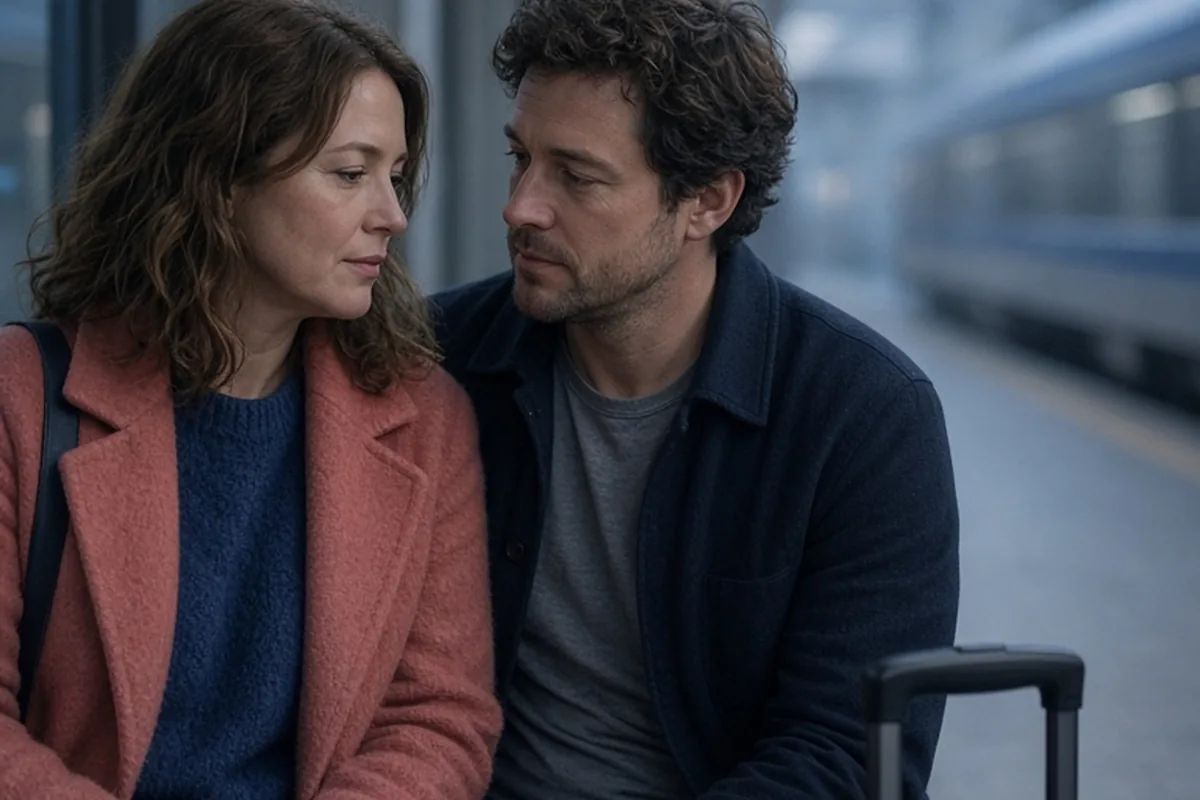
Marriage workshops are structured, psychoeducational programs designed to help couples strengthen communication, resolve recurring gridlock, and rebuild emotional or physical intimacy. Unlike ongoing individual marital therapy, workshops blend lectures, guided demonstrations, and private couple exercises without forced public disclosure. They serve partners seeking preventive enrichment or focused intervention, offering formats ranging from weekend hotel intensives and multi-week community classes to self-directed digital retreats tailored to different relationship stages.
Deciding to invest dedicated time and emotional focus into a marriage workshop often happens when familiar domestic routines break down or partners notice that good intentions alone cannot overcome recurring friction. Choosing the right workshop format requires assessing your current relationship climate, clarifying privacy expectations, and evaluating provider credentials so the experience fosters genuine connection rather than added frustration.
Diagnosing Marital Gridlock: When a Workshop Helps and When It Hurts
Marriage workshops excel when two partners share a baseline of mutual goodwill but feel trapped in repetitive conversational cycles, emotional exhaustion, or the administrative blur of daily life. A workshop structure offers an intentional container outside the distractions of household chores, employment demands, and parenting responsibilities. Couples facing predictable life transitions—such as adjusting to early parenthood, navigating an empty nest, or managing career pivots—often find that structured curriculum re-establishes a sense of shared purpose. In these settings, guided exercises provide a common vocabulary that helps both individuals express unmet needs without defaulting to defensive posturing or contemptuous criticism.
Conversely, group intensives and educational retreats are not universal remedies and can cause harm if deployed in the wrong relational context. When an intimate relationship involves ongoing domestic coercion, emotional abuse, active untreated substance dependence, or unaddressed active infidelity, a couple workshop is clinically contraindicated. The collaborative framework of a workshop assumes that both participants possess equal emotional safety and reciprocal bargaining power. If one partner fears physical or psychological retribution for speaking honestly during an exercise, attending an intensive event can escalate relational danger or provide an abusive partner with sophisticated therapeutic language to weaponize at home. In scenarios characterized by severe betrayal or volatility, individual stabilization and specialized clinical assessment must always precede any shared psychoeducational event.
Educational Seminars Versus Clinical Intensives: Matching Format to Need
Couples exploring marriage workshops generally encounter two distinct pedagogical models: broad psychoeducational seminars and small-group clinical intensives. Large psychoeducational seminars often host dozens of couples in an auditorium or hotel ballroom. In this format, presenters deliver lectures on emotional regulation, conflict de-escalation, and shared meaning, occasionally demonstrating tools on stage. Attendees then complete private workbook prompts in quiet corners of the venue or in their personal rooms. Because participants do not share their difficulties with the room or receive individual diagnostic feedback, this model works well for reserved partners who desire useful frameworks without public exposure.
Small-group clinical intensives take a far more tailored approach, capping enrollment at a small cohort or operating as semi-private sessions guided by licensed mental health practitioners. In these environments, clinicians actively observe real-time dialogue between partners, stepping in to disrupt destructive communication sequences and coach alternative emotional responses in the moment. While intensives require a higher degree of relational stamina and greater tolerance for professional observation, they provide immediate correction for couples whose patterns are too entrenched to alter through self-directed workbook exercises alone. Deciding between these models hinges on whether you need general relational enrichment or targeted intervention for persistent stagnation.
Marriage Workshop Expense Components and What Influences the Total
The overall investment for a marriage workshop spans a broad range, shaped by several operational variables rather than a single fixed standard. Direct registration fees form the core component, reflecting the operational overhead of the program, the scale of attendance, and the administrative structure supporting the event. Facilitator qualifications significantly drive registration rates: events designed and led by licensed marriage and family therapists, clinical psychologists, or university-affiliated researchers typically require higher registration outlays than peer-facilitated community classes, reflecting the clinical expertise and specialized training embedded in the programming.
Beyond direct tuition, the setting introduces substantial ancillary costs that couples must plan for in advance. Residential retreats held at destination resorts, quiet rural sanctuaries, or coastal conference centers package lodging, communal meals, and facility amenities directly into the enrollment quote or require separate room reservations at negotiated corporate rates. Local day seminars, on the other hand, eliminate lodging requirements but introduce travel, parking, meal, and childcare expenses. When evaluating options, partners should compile an itemized estimate that combines enrollment fees, mandatory lodging or facility assessments, incidental transportation, and lost work time to understand the true financial baseline before making a nonrefundable deposit.
Faith-Based, Secular, and Evidence-Informed Workshop Pathways
The philosophical underpinnings of a marriage workshop dictate the exercises, language, and core values emphasized throughout the curriculum. Faith-based workshops, frequently organized through local houses of worship, religious non-profits, or denominational networks, frame relational commitment through specific theological lenses. These events emphasize spiritual unity, biblical or religious principles of covenant and forgiveness, and community accountability. For couples whose shared faith represents a central anchor in their domestic life, this pathway provides meaningful reassurance and structural alignment. However, partners with divergent religious beliefs or those seeking empirical communication tools may find theology-centered frameworks unhelpful or misaligned with their goals.
Secular and evidence-informed workshops ground their content in observational behavioral research, attachment theory, and neuroscience. These programs, which frequently draw from established clinical methodologies such as the Gottman Method or Emotionally Focused Therapy, prioritize functional communication mechanics, physiological soothing techniques during conflict, and the deconstruction of negative interactive cycles. Participants learn objective diagnostic tools—such as identifying defensive escalation or non-verbal stonewalling—and practice structured conversational roadmaps. Choosing between these philosophical pathways requires honest mutual discussion regarding whether you wish to explore spiritual dimensions of marriage or focus primarily on psychological mechanics and interpersonal behavioral skill-building.
Vetting Marriage Workshop Providers: Inquiries to Make Before Enrolling
Selecting a workshop provider requires careful due diligence to ensure the curriculum, environment, and facilitation style align with your comfort levels. Start by examining the professional background of the leaders. Determine whether the primary facilitators hold state licensure in counseling, marriage and family therapy, or clinical social work, or if they operate primarily as life coaches, spiritual mentors, or lay volunteers. While peer-led programs can offer warm social community, clinically complex relationship gridlock warrants facilitation by professionals trained to manage acute emotional distress and de-escalate dysregulated interactions.
In addition to credentials, verify the structural policies governing privacy, group dynamics, and financial commitments. Contact the organizer to ask whether private exercises remain completely confidential between partners or if participants are asked to reveal personal challenges during group discussion circles. Clarify what protocols exist if one partner experiences severe emotional flooding or distress during a session, and confirm whether the organizers maintain referral networks for local therapeutic follow-up. Finally, review cancellation, rescheduling, and illness refund policies in writing, as sudden life emergencies or emotional readiness shifts can arise prior to the scheduled start date.
Sustaining Progress: Turning Workshop Concepts into Lasting Domestic Habits
A common hazard of intensive marriage retreats is the post-event letdown, often called the workshop bubble effect. During an immersive weekend, partners operate free from the demands of work email, meal preparation, dirty laundry, and parenting negotiations, surrounded by supportive facilitators and uninterrupted time. Returning to a chaotic home environment on Monday morning can quickly trigger old frustrations if the couple has not established concrete mechanisms to integrate their new tools into regular domestic life.
To protect your emotional investment, establish realistic, low-friction integration rituals immediately following the program. Rather than attempting to overhaul every relational habit simultaneously, select one or two core practices learned at the event—such as a brief daily emotional check-in or a structured ten-minute weekly meeting to coordinate practical schedules without discussing emotional conflicts. If the workshop brought painful underlying themes to light that could not be fully resolved within the group schedule, use the experience as a clear diagnostic launchpad to establish ongoing, localized couples therapy. Treating the workshop as an educational foundation rather than a standalone permanent fix ensures long-term relational growth.
Illustrative Scenarios
Navigating Public Vulnerability Hesitations
Julian and Claire considered attending a weekend communication seminar after noticing their conversations had turned exclusively transactional. Julian felt profound reluctance, assuming that attending meant sitting in a circle and disclosing their intimate marital disagreements and financial anxieties to strangers. Rather than abandoning the idea, Claire called the registration coordinator to review the schedule. The coordinator clarified that all lectures occurred in a shared auditorium, while every interactive exercise took place privately between spouses in separate breakout lounges with no public sharing. Reassured by clear privacy boundaries, Julian agreed to participate, and the couple used the secluded exercises to establish a calm, predictable framework for discussing their household budget.
Key point: Clarifying structural privacy parameters directly with event coordinators eliminates ungrounded assumptions and fosters genuine willingness to participate.
Aligning Program Timing with Relational Crisis
Following the discovery of substantial hidden personal debt, Maya booked a three-day couples intensive at a mountain lodge, hoping an immersive setting would quickly heal the breach of trust. During an initial telephone screening, the clinical director recognized that the discovery was less than two weeks old, emotions were highly volatile, and one partner felt cornered into attending. The director advised against an intensive workshop, explaining that sudden traumatic ruptures require individual stability and localized weekly therapy before a couple can absorb educational curriculum. Maya accepted the recommendation, pausing the workshop registration to pursue structured outpatient counseling until both partners regained the capacity to collaborate calmly.
Key point: Intensive workshops accelerate skill-building for collaborative couples, but cannot replace patient crisis stabilization in the immediate aftermath of major betrayal.
Frequently asked questions
Are marriage workshops covered by health insurance plans?
Most health insurance policies do not cover marriage workshops, as insurers typically restrict behavioral health reimbursement to medically necessary treatment for diagnosed mental health disorders. While certain clinically led intensives directed by licensed therapists may provide an itemized invoice for potential out-of-network review, reimbursement is uncommon. Couples should plan to cover registration, travel, and accommodation fees entirely out of pocket.
Do participants have to share personal relationship problems with the group?
In most reputable psychoeducational workshops, you are never required to share private matters with other attendees. The facilitators deliver lectures and demonstrate techniques to the collective audience, after which couples disperse to private areas to practice exercises alone. Clarifying the event's privacy model with the intake team beforehand ensures the structure matches your comfort level.
How can partners prepare before attending a workshop?
Preparation centers on managing expectations and protecting logistical bandwidth. Agree in advance that the objective is learning conversational tools rather than forcing immediate resolution of complex historical grievances during the event. Additionally, arrange full childcare, silence professional email notifications, and schedule an unhurried recovery evening after the event ends to absorb insights without immediate stress.
What should one spouse do if the other refuses to attend a marriage workshop?
Pressuring, shaming, or issuing ultimatums to force an unwilling spouse into a workshop almost always backfires, producing defensive resentment during the exercises. If your partner declines, consider attending an individual relationship seminar or working privately with a licensed counselor. Strengthening your own boundary-setting, emotional regulation, and communication patterns frequently alters the relationship dynamic and can encourage your partner to explore collaborative learning later.
Your next step
Block thirty quiet minutes with your partner this week to review the syllabi, privacy guidelines, and facilitator credentials of three local or virtual workshops to decide which structure fits your shared goals.