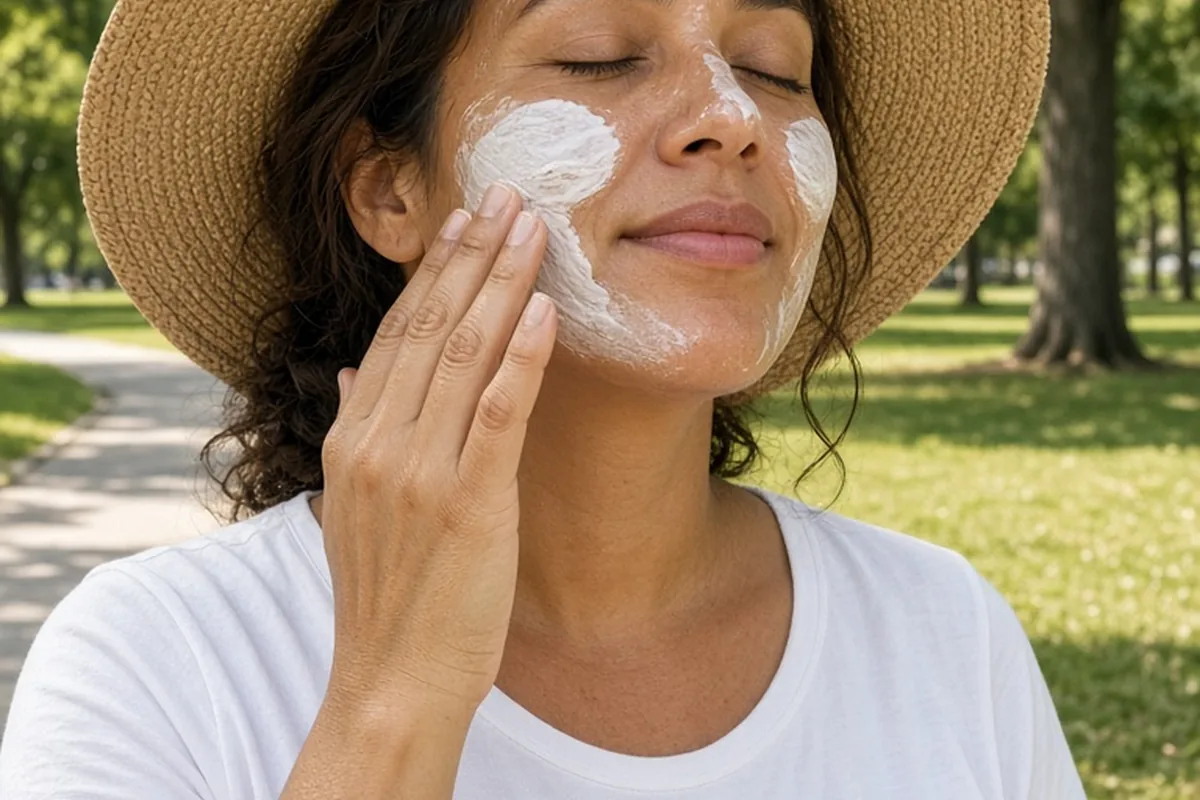
Melasma during pregnancy—often called the mask of pregnancy—is best managed using pregnancy-safe topical ingredients like azelaic acid, topical vitamin C, and mineral sunscreens containing zinc oxide. Because elevated estrogen and progesterone stimulate pigment-producing cells, care focuses on strict sun protection and gentle pigment suppression while avoiding high-risk ingredients like hydroquinone, retinoids, and aggressive chemical peels until after delivery and nursing.
Developing symmetrical, darkened patches across the forehead, cheeks, or upper lip is a very common experience during pregnancy. While the sudden appearance of hyperpigmentation can feel frustrating, adjusting your daily routine with pregnancy-friendly methods can keep discoloration manageable without compromising maternal or fetal safety.
Understanding Why Pregnancy Melasma Develops
Melasma during pregnancy, clinically referred to as chloasma or the mask of pregnancy, is primarily driven by sharp surges in reproductive hormones. Elevated levels of estrogen, progesterone, and melanocyte-stimulating hormone prompt pigment-producing cells (melanocytes) in the skin to generate excess melanin. When exposed to even modest amounts of natural daylight, these active cells deposit concentrated pigment into the upper and middle layers of the skin, resulting in uneven, blotchy discoloration.
While hormonal fluctuations provide the internal spark, external ultraviolet (UV) radiation and visible light serve as the primary accelerators. Even brief, indirect sun exposure—such as sunlight filtering through a car window or office blinds—can signal hyperactive melanocytes to produce more pigment. Understanding this dual mechanism helps set realistic expectations: while topicals can calm excess melanin production, controlling light exposure remains the foundational pillar of management throughout pregnancy.
Pregnancy-Safe Ingredients for Managing Pigmentation
When selecting topical treatments during pregnancy, the objective is to gently slow melanin synthesis and encourage mild cell turnover without risking systemic absorption. Azelaic acid is widely regarded as a primary choice for pregnancy-safe pigment care. Often used at concentrations between ten and twenty percent, azelaic acid selectively targets hyperactive melanocytes while calming localized inflammation, making it well-suited for sensitive or breakout-prone skin.
Topical antioxidants, particularly stable forms of vitamin C (such as sodium ascorbyl phosphate or l-ascorbic acid at moderate percentages), offer another supportive layer of defense. Vitamin C helps neutralize free radicals caused by light exposure and inhibits tyrosinase, the enzyme responsible for melanin formation. Additionally, low concentrations of niacinamide (vitamin B3) can help prevent the transfer of pigment into surface skin cells while strengthening the skin moisture barrier.
For mild surface exfoliation, low-strength alpha hydroxy acids (AHAs) like lactic acid or glycolic acid in rinse-off or gentle leave-on formulations can help lift dull, pigmented surface cells. The trade-off with exfoliating acids during pregnancy is an increased risk of irritation; because gestational hormones can make skin more reactive, starting with low percentages once or twice a week is preferable to aggressive daily use.
Ingredients and Procedures to Avoid During Pregnancy
Standard dermatological treatments for melasma frequently rely on potent agents that are not recommended during pregnancy or breastfeeding. Hydroquinone, a common prescription skin-lightening compound, has a relatively high rate of systemic absorption through the skin and should be paused entirely throughout pregnancy. Similarly, all forms of topical retinoids—including prescription tretinoin, tazarotene, adapalene, and over-the-counter retinol—must be avoided due to risks associated with vitamin A derivatives during fetal development.
In addition to specific topical agents, high-concentration chemical peels (such as deep trichloroacetic acid or high-strength salicylic acid peels) and intensive laser therapies should generally be postponed. Pregnancy alters vascular reactivity and inflammatory responses, which significantly raises the risk of post-inflammatory hyperpigmentation (PIH) or skin scarring from heat-based procedures. Deferring intensive clinic-based interventions until several months postpartum allows your natural hormone levels to stabilize before undertaking corrective treatments.
Building a Gentle Daily Morning and Evening Routine
A structured, gentle skincare routine provides consistent pigment control while safeguarding your skin barrier. In the morning, focus entirely on antioxidant defense, hydration, and robust physical sun protection. Start with a mild, non-stripping cleanser, follow with a vitamin C or niacinamide serum, apply a lightweight moisturizer if needed, and finish with a generous layer of broad-spectrum mineral sunscreen.
In the evening, the focus shifts to gentle barrier repair and targeted active care. A double-cleanse using an oil-based balm followed by a gentle gel cleanser helps remove mineral sunscreen and daily debris without aggressive scrubbing. Following cleansing, apply your targeted active—such as an azelaic acid cream—and seal in moisture with a ceramide-rich barrier cream to prevent dry patches and sensitivity.
When introducing any new product during pregnancy, implement changes one step at a time. For example, introduce azelaic acid on alternate evenings for two weeks before increasing frequency. This deliberate pacing ensures you can identify any ingredient sensitivity quickly without causing widespread irritation that could worsen pigmentation.
The Crucial Role of Broad-Spectrum Sun and Light Protection
Sunscreen is the single most important component of any melasma treatment plan, particularly during pregnancy when melanocytes are primed to overreact. Mineral (physical) sunscreens formulated with zinc oxide and titanium dioxide are typically preferred over chemical filters during pregnancy because they sit on the skin surface to reflect UV rays and are less prone to causing contact dermatitis on sensitive gestational skin.
Modern research highlights that high-energy visible (HEV) blue light, including natural daylight and intense indoor lighting, can also stimulate melasma in deeper skin tones. Mineral sunscreens that include iron oxides—commonly found in tinted mineral formulations—provide a visible barrier that helps block blue light wavelengths in addition to UVA and UVB rays. Applying two finger-lengths of tinted mineral sunscreen to the face, neck, and ears every morning provides essential dual-spectrum coverage.
Physical shade habits significantly boost the efficacy of topical sun protection. Wearing a wide-brimmed hat (at least three inches around), seeking shade during peak ultraviolet hours between 10 a.m. and 4 p.m., and reapplying sunscreen every two hours when outdoors will prevent fresh pigment activation far more effectively than topicals alone.
Postpartum Outlook and Long-Term Skin Management
For many individuals, pregnancy-induced melasma gradually fades on its own within several months to a year following delivery as estrogen and progesterone levels normalize. However, if you are nursing, certain hormonal elevations persist, and standard restrictions on ingredients like hydroquinone and retinoids will continue until breastfeeding is completed.
If discoloration remains noticeable after weaning and hormone levels have recalibrated, you can consult a dermatologist to explore expanded treatment options. These post-nursing strategies may include prescription triple-combination creams (fluocinolone acetonide, hydroquinone, and tretinoin), customized chemical peels, or targeted non-ablative fractional lasers. Maintaining disciplined daily mineral sunscreen use throughout the postpartum period ensures that any fading achieved naturally is preserved over the long term.
Illustrative Scenarios
Adjusting Daily Habits for Mid-Pregnancy Melasma
During her second trimester, a 31-year-old graphic designer noticed dark, symmetrical patches appearing across her bridge of nose and upper cheeks. Her initial instinct was to use a strong glycolic acid scrub, which led to redness and made the dark patches appear more prominent. After consulting her healthcare provider, she switched to a fragrance-free mineral routine consisting of a 10% azelaic acid cream, a tinted zinc oxide sunscreen with iron oxides, and a wide-brimmed hat for her daily walks.
Key point: Aggressive exfoliation often triggers rebound inflammation that darkens melasma; consistent use of soothing actives paired with tinted mineral protection produces calmer, steadier outcomes.
Frequently asked questions
Does pregnancy melasma go away completely after giving birth?
In many cases, pregnancy melasma fades significantly within several months postpartum as reproductive hormones return to baseline levels. However, because melanocytes remain sensitive, sun exposure or subsequent hormonal shifts from birth control can cause patches to persist or reappear without ongoing sun protection.
Is azelaic acid completely safe to use while pregnant?
Azelaic acid has minimal systemic absorption and is widely considered one of the safest topical treatments for hyperpigmentation and acne during pregnancy. As with any active skincare ingredient, reviewing its use with your obstetrician or dermatologist ensures it fits your individual health profile.
Why is tinted mineral sunscreen recommended over untinted sunscreen for melasma?
Tinted mineral sunscreens contain iron oxides, which physically block visible blue light in addition to ultraviolet rays. Visible light is a known contributor to stubborn pigment activation, particularly in medium to darker skin tones, making iron oxide protection an important defense against melasma flare-ups.
Can I use vitamin C serum every day during pregnancy?
Yes, standard over-the-counter vitamin C serums are generally safe for daily use during pregnancy. Applying a gentle vitamin C serum in the morning underneath your mineral sunscreen provides antioxidant defense against free radical damage caused by environmental exposure.
Your next step
Review your current skincare routine to ensure all brightening products rely on pregnancy-safe ingredients like azelaic acid and vitamin C, and commit to applying a broad-spectrum tinted mineral sunscreen every morning.