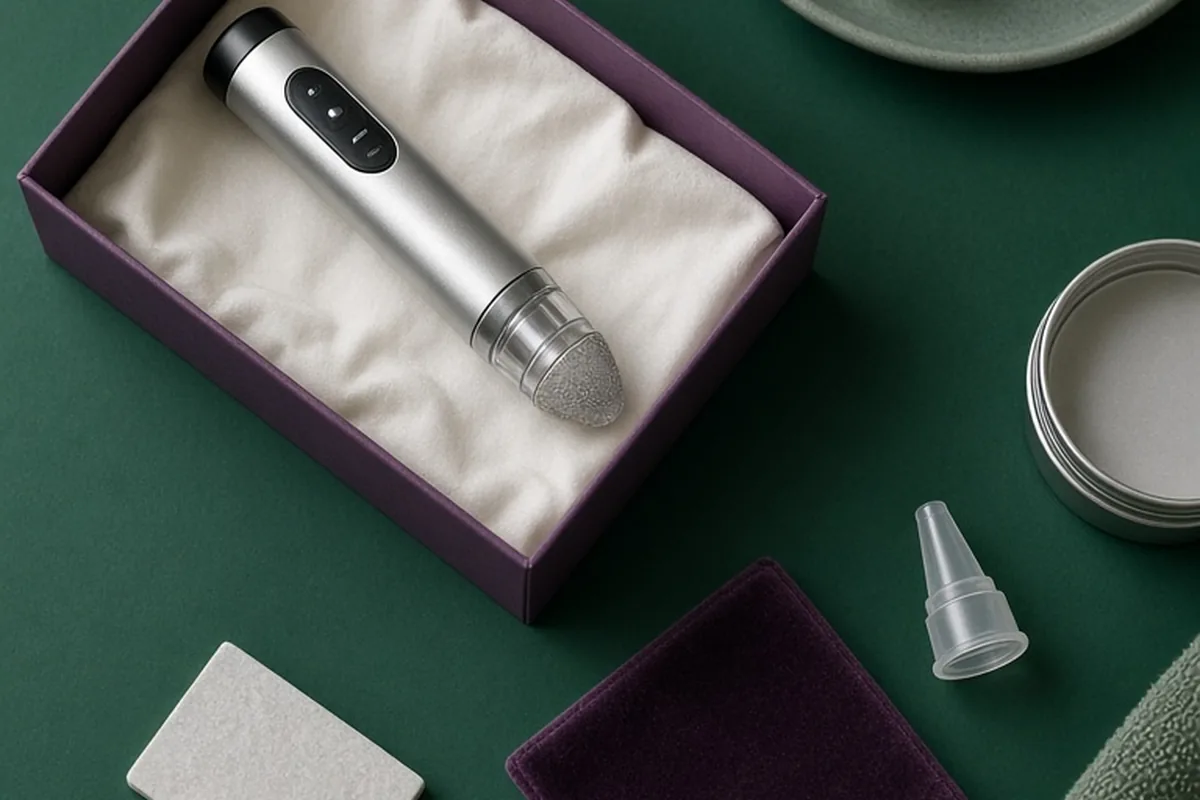
Microdermabrasion kits are handheld skincare devices that combine mechanical physical exfoliation with gentle vacuum suction to buff away dull surface cells, unclog pores, and improve overall texture. Designed to replicate professional spa treatments in a milder format, these devices typically feature textured diamond or crystal abrasive tips paired with adjustable suction settings, making them popular self-care gifts for anyone seeking a smoother, more radiant complexion.
While professional clinical facials offer intensive exfoliation, at-home microdermabrasion devices provide a convenient and cost-effective way to maintain consistent skincare habits between appointments. Understanding how these tools function helps you choose a high-quality model and practice safe application techniques that protect the skin barrier.
Understanding How At-Home Microdermabrasion Works
Microdermabrasion operates on a simple dual-action mechanism: physical surface abrasion coupled with calibrated vacuum suction. The tip of the wand, usually coated in finely ground synthetic diamond particles or equipped to circulate fine crystals, gently loosens the stratum corneum, which is the outermost layer of dead skin cells. Simultaneously, the internal motor generates controlled suction that lifts away the loosened debris while stimulating localized surface circulation.
Unlike chemical exfoliants that dissolve cellular bonds using acids, mechanical devices provide immediate tactile feedback, allowing users to physically sweep away rough patches. However, home machines are intentionally engineered with lower motor power and milder abrasive grades than medical-grade clinical machines. This built-in limit minimizes the risk of accidental tissue damage, though it also means results develop progressively over multiple regular sessions rather than after a single intensive treatment.
Essential Features to Look for in a Quality Kit
When evaluating different devices on the market, the motor quality and suction adjustability should be your primary considerations. A reliable device should offer multiple speed or power levels so you can customize the intensity for delicate areas like the nose and temples versus sturdier zones like the cheeks and forehead. Single-speed models often pull too aggressively on thin tissue or fail to provide enough lift on congested areas.
Interchangeable treatment heads are equally important for versatility and hygiene. Look for packages that provide varied disc sizes and grit coarseness, ranging from ultra-sensitive fine discs to wider body-smoothing attachments. Additional practical features include long-lasting rechargeable lithium-ion batteries, clear battery level displays, and replaceable foam filters that catch dead skin cells and prevent debris from damaging the internal vacuum motor.
- Adjustable suction controls with at least three distinct intensity settings
- Multiple interchangeable tips featuring various surface diameters and grit levels
- Washable or replaceable internal air filters to protect the motor from cellular buildup
- Ergonomic handle design for steady, controlled movement across facial contours
- USB rechargeable battery providing consistent power without trailing cords
Matching Device Capabilities to Skin Types
Selecting the right tool requires an honest assessment of skin tolerance, oil production, and sensitivity. Oily and combination skin types with enlarged pores or persistent congestion often tolerate standard diamond tips and medium-to-high suction levels well, benefiting from the vacuum action that helps clear persistent sebum plugs. For these users, regular weekly use helps prevent congestion from hardening into stubborn surface bumps.
Conversely, thin, dry, or easily flushed skin requires a much more conservative approach. High suction on delicate skin can cause petechiae, which are tiny broken capillaries that resemble light bruising. Individuals with reactive skin should prioritize kits with dedicated low-intensity sensitive heads and gentle suction modes. Those experiencing active inflammatory acne, cystic breakouts, open wounds, eczema flare-ups, or rosacea should avoid mechanical suction tools entirely, as physical abrasion can aggravate inflammation and spread surface bacteria.
Step-by-Step Application for Safe Home Sessions
Achieving smooth results without irritation depends on meticulous preparation and disciplined hand technique. Begin by thoroughly washing the face with a mild, non-exfoliating gel or cream cleanser to remove all makeup, sunscreen, and surface oils, then pat the skin completely dry. Mechanical diamond-tip devices function most effectively on dry skin, as residual moisture can cause the abrasive tip to drag unevenly or skip across the surface.
During the session, use one hand to hold the skin taut while using the other hand to glide the device in smooth, continuous, upward strokes. Never hover the wand in one spot, as concentrated vacuum pressure will quickly cause localized bruising or suction marks. Limit the treatment to one or two passes per facial zone, working from the center of the face outward toward the hairline, and avoid the delicate skin directly beneath the eyes and over the eyelids.
Post-Treatment Care and Barrier Protection
The period immediately following a microdermabrasion session is critical for skin recovery and barrier integrity. Because the protective outer layer of dead cells has just been removed, the fresh underlying skin absorbs topical products more readily but is also more susceptible to irritation. Rinse the face gently with cool water to remove any lingering particles, then immediately apply a calming, alcohol-free hydrating serum containing ingredients such as hyaluronic acid, glycerin, or panthenol.
Seal in hydration with a nourishing barrier cream that contains ceramides or squalane to support recovery. For at least 48 hours following a treatment, avoid potent chemical actives such as prescription retinoids, glycolic acid, salicylic acid, and high-strength vitamin C. Additionally, newly exfoliated skin is particularly sensitive to ultraviolet radiation, making the daily application of a broad-spectrum sunscreen with SPF 30 or higher an indispensable finishing step.
Curating a Microdermabrasion Kit as a Thoughtful Gift
A microdermabrasion device makes an exceptional present for beauty enthusiasts, busy parents, or anyone interested in elevating their self-care routine at home. To transform the device into a complete, luxurious pampering package, consider pairing the hardware with complementary post-treatment essentials. Including a plush spa headband, a gentle soothing sheet mask, and a high-grade hyaluronic acid serum creates an all-in-one facial experience ready to use right out of the box.
When gifting beauty technology, presentation and clear guidance add substantial value. Including a handwritten note with simple beginner tips or highlighting the user manual ensures the recipient feels confident trying the device for the first time. Choosing a model with universal USB charging and a sturdy storage travel pouch also ensures they can keep all attachments organized and easily take their skincare routine on trips.
Sanitation, Maintenance, and Long-Term Value
Proper hygiene is essential to maintain device performance and prevent cross-contamination between uses. After every session, detach the treatment head and wash it thoroughly with warm water and mild antibacterial soap, using a small soft brush to dislodge trapped skin cells. Allow the tip to air dry completely, or sanitize diamond heads periodically by soaking them in 70 percent isopropyl alcohol for ten minutes.
Regular maintenance also includes checking and replacing the internal foam or felt filters that protect the suction motor. When a filter becomes saturated with oils and skin particles, vacuum power diminishes noticeably, placing unnecessary strain on the internal motor. Investing in a durable kit with readily available replacement parts provides substantial long-term value, often paying for itself after just one or two skipped visits to an aesthetician.
Frequently asked questions
How often should an at-home microdermabrasion kit be used?
Most skin types achieve optimal results by using the device once every one to two weeks. Overuse can compromise the skin barrier and cause persistent redness, so beginners should start with bi-weekly sessions to gauge skin tolerance before increasing frequency.
Can microdermabrasion help with fine lines and acne scars?
Regular home microdermabrasion can soften superficial dry lines and lighten mild post-inflammatory hyperpigmentation by promoting regular cellular turnover. However, deep structural wrinkles and pitted scars typically require professional in-clinic medical treatments for noticeable improvement.
What is the difference between diamond and crystal microdermabrasion kits?
Diamond devices use a fixed textured wand tip to buff the skin cleanly with minimal mess, making them the standard for modern home kits. Crystal systems spray a stream of fine aluminum oxide crystals across the skin, which can achieve thorough exfoliation but requires careful cleanup to avoid eye irritation.
Should the device be used on damp or dry skin?
Diamond-tip microdermabrasion devices should almost always be used on thoroughly cleansed, completely dry skin. Moisture causes the abrasive diamond particles to drag and stick, which can lead to uneven exfoliation and unintentional suction marks.
Your next step
Start by selecting a microdermabrasion kit equipped with multiple suction levels and interchangeable heads, perform a brief patch test on your inner forearm, and introduce gentle face treatments once every two weeks alongside soothing, hydrating serums.