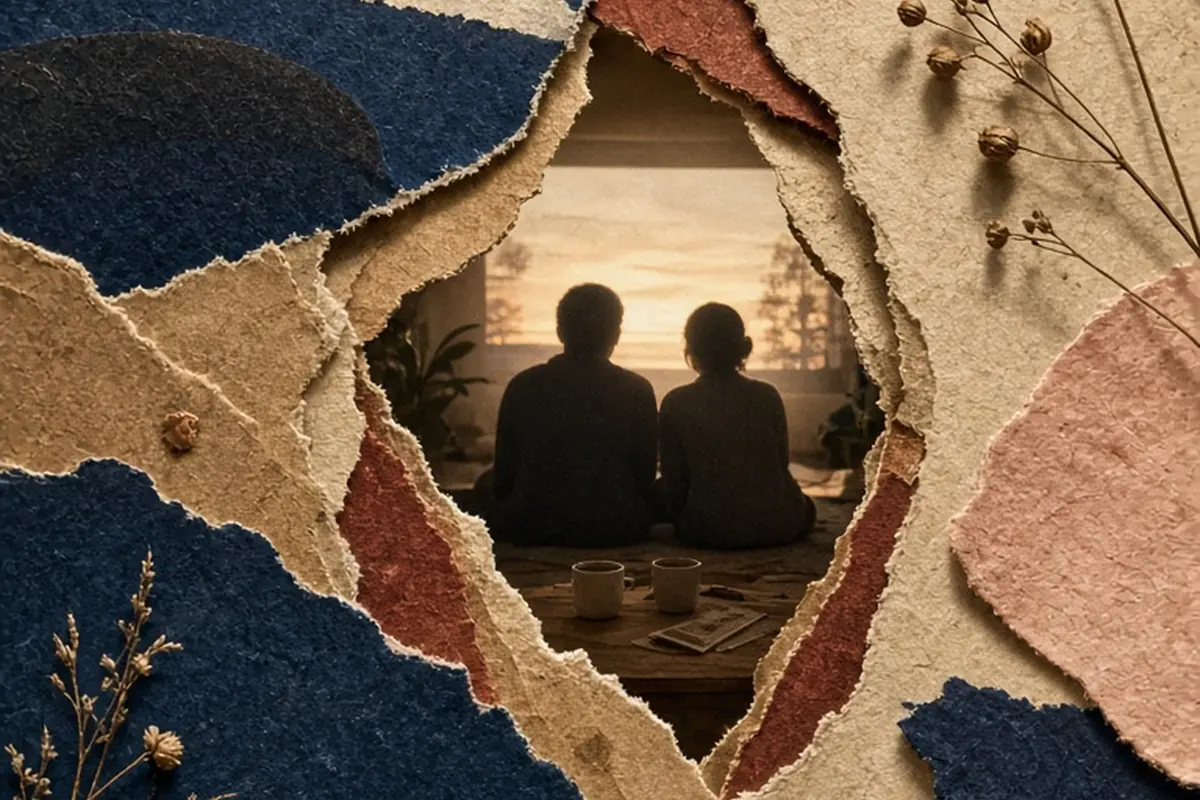
A movie date works best when the film is a starting point, not the whole plan. Choose something you can both talk about afterward, pick a setting that feels comfortable but not too familiar, and build in time before or after the screening to actually connect. The movie gives you shared material; the conversation is where the date really happens.
Movie dates have a reputation for being low-effort, but that undersells what they can do. A well-chosen film in the right setting, followed by a real conversation, can reveal more about someone in two hours than a dozen coffee meetups. The key is treating the movie as a shared experience rather than a way to avoid talking.
Why Movie Dates Still Work for Early Dating
There is a reason the movie date has survived decades of dating culture. It removes the pressure of constant conversation while still putting two people in the same emotional space. You laugh at the same moment, tense up during the same scene, and walk out with a ready-made topic that neither of you had to invent. That shared reaction is surprisingly useful early on, when you are still figuring out whether your senses of humor or values overlap.
The trade-off is real, though. A two-hour film gives you almost no time to actually talk, which means a movie-only date can feel like you spent an evening next to someone rather than with them. The fix is simple: plan the movie as the middle of the date, not the whole thing. A drink or a walk before, and dinner or dessert after, turns a passive activity into a genuine evening.
How to Choose a Film That Sparks Conversation
Genre matters more than most people realize when picking a movie for a date. A film with a clear emotional arc, a moral dilemma, or an unexpected ending gives you something to unpack together. Think a sharp thriller, a character-driven drama, a comedy with a bit of edge, or even a well-reviewed documentary on a topic one of you mentioned. What you want to avoid is anything so loud or visually relentless that it leaves you both slightly dazed and with nothing to say.
It is also worth asking what your date actually enjoys rather than defaulting to whatever is trending. If they mentioned loving a particular director or genre in an earlier conversation, that is your cue. Suggesting a film based on something they said shows you were paying attention, which lands better than picking the most critically acclaimed option of the week. The goal is a movie you are both genuinely curious about, not one you chose to seem impressive.
- Films with moral ambiguity or open endings tend to generate the best post-movie conversations.
- Avoid extremely long runtimes on a first or second date; two hours is usually the sweet spot.
- Horror can work if you both enjoy it, but check in first rather than assuming.
- A rewatch of a film one of you loves can be a meaningful choice later in dating, not usually on a first date.
Picking the Right Setting: Theater, Home, or Outdoor Screening
A traditional movie theater has built-in structure, which can actually reduce first-date anxiety. You both know the format, there is no awkward decision about whose place to go to, and the experience feels like a real outing rather than a casual hangout. Splurging on a nicer theater with reserved seating and better sound can make the evening feel more intentional without being over the top.
A home movie date makes more sense once you have already spent some time together and both feel comfortable. It is more relaxed, easier to pause and talk, and allows for more flexibility with what you watch. The potential downside is that it can feel ambiguous in terms of what the evening is, so being clear about the plan beforehand helps. An outdoor screening, like a rooftop cinema or a drive-in, adds novelty and a slightly more social atmosphere, which can ease tension and make the whole thing feel like an event rather than a test.
What to Do Before the Movie to Warm Things Up
Arriving at a theater with five minutes to spare and immediately sitting in silence is a missed opportunity. If you can, plan to meet somewhere nearby for thirty to forty-five minutes beforehand. A coffee, a quick bite, or even just a walk around the block gives you time to settle into each other's company before the lights go down. By the time the film starts, you are already in a rhythm rather than still figuring out how to hold a conversation.
This pre-movie window is also where you can set a light tone for the evening. Mention something you are curious about in the film, share a funny detail about how you heard of it, or ask what they have been watching lately. You are not trying to have a deep conversation before the movie; you are just making sure the evening feels like it belongs to both of you from the start.
Making the Most of the Post-Movie Conversation
The conversation after the film is where a movie date either becomes memorable or fizzles. The easiest way in is to share your immediate, honest reaction rather than reaching for the most articulate take. Saying something like, 'I did not expect to care that much about the ending,' is more inviting than a polished review. It signals that you are present and opens the door for them to share their own reaction without feeling like they need to match your level.
Good post-movie questions are specific rather than general. Instead of 'What did you think?' try 'Did you trust that character from the beginning, or did something shift for you?' or 'Was there a moment where you would have made a different choice than the main character?' These questions are easy to answer but tend to reveal something real about how a person thinks and what they value, which is exactly what you are trying to learn on a date.
Reading the Room During and After the Date
A movie date gives you small, low-stakes moments to pay attention to how someone is feeling without it being intense. Are they relaxed or a bit stiff? Do they laugh easily, or do they seem distracted? None of these signals are definitive on their own, but together they give you a sense of whether the evening is landing. If things feel easy and they seem engaged, that is worth noting. If they seem checked out or in a hurry to leave after, that is information too.
What you want to avoid is over-interpreting every moment. Someone who is quiet during the film might just be absorbed in it. Someone who checks their phone once might have a genuine reason. The clearest signal of interest is whether the conversation after the movie flows naturally and whether they seem to want the evening to continue. If they suggest grabbing food or bring up something they want to show you, that is a good sign. If they are polite but clearly wrapping things up, respect that and leave the door open for another time without pressure.
Common Movie Date Mistakes Worth Avoiding
One of the most common mistakes is choosing a film based entirely on what you think will impress rather than what you both might enjoy. Picking something dense or obscure to seem cultured can backfire if your date is not in the mood for it, or if you spend the post-movie conversation explaining the film rather than exploring it together. Similarly, defaulting to whatever is number one at the box office without any thought can make the evening feel generic.
Another mistake is treating the movie as the whole plan and then being surprised when there is nothing to say afterward. If you walk out of the theater and immediately say goodbye, you have left the most valuable part of the date on the table. Even a short walk or a quick stop somewhere nearby gives the evening a proper ending and leaves both of you with a complete experience rather than a half-finished one.
- Do not pick a film with heavy or distressing content on a first date unless you have talked about it first.
- Avoid being on your phone during the film; it signals disinterest even if that is not your intention.
- Do not critique the film so aggressively that your date feels judged for enjoying it.
- Skip the movie if one of you is exhausted or distracted; a rescheduled date is better than a flat one.
Illustrative Scenarios
The Film That Did All the Talking
Marcus had been texting with someone for a few weeks and wanted to suggest a first date that felt real but not too intense. He defaulted to dinner, then second-guessed himself and suggested a movie instead, worried it would seem lazy. He picked a thriller he had been curious about and suggested they grab tacos at a spot nearby beforehand. The pre-movie conversation was easy, and the film gave them plenty to discuss afterward. Walking back to the parking lot, they ended up talking for another forty minutes about a decision the main character made. He had been worried the movie would be a cop-out. It turned out to be the best conversation starter he could have chosen.
Key point: A movie date is not inherently low-effort. The effort shows in the planning around it and the willingness to actually engage with what you watched together.
When the Film Was Wrong for the Moment
Priya suggested a critically acclaimed drama for a third date, excited to share something she had been wanting to see. The film turned out to be two and a half hours long and emotionally heavy, ending on a bleak note. Her date was polite but clearly drained afterward, and the conversation never quite found its footing. They said goodnight earlier than expected. Priya later realized she had picked the film for herself rather than for the evening. On their next date, she asked what he was in the mood for and they landed on something lighter that left them both laughing on the way out.
Key point: A movie date works best when the film fits the mood of where you are in dating, not just your personal watchlist. Checking in about what the other person is up for is a small gesture that makes a real difference.
Frequently asked questions
Is a movie a good first date idea?
It can be, especially if you build in time to talk before or after. A movie alone gives you very little opportunity to actually get to know someone, so pairing it with a meal or a walk makes it a much stronger first date. The film itself becomes a shared reference point rather than the whole evening.
What kind of movie is best for a date?
Something with a clear story, some emotional stakes, and enough to discuss afterward tends to work well. Comedies, thrillers, and character-driven dramas are reliable choices. Very long films, extremely graphic content, or anything one of you has already seen and the other has not can create an imbalance, so it is worth picking something new to both of you when possible.
How do you keep a movie date from feeling awkward?
Arrive with enough time to settle in and have a brief conversation before the film starts. After the movie, lead with your honest reaction rather than waiting for them to speak first. Specific questions about the film tend to open up real conversation faster than general ones. Keeping the evening moving with a loose plan for after the movie also helps it feel intentional rather than improvised.
Should you hold hands or make physical contact during a movie date?
Only if it feels natural and you have a sense that it would be welcome. A movie theater is a low-pressure setting, but that does not mean physical contact is expected or appropriate without clear mutual comfort. Pay attention to how relaxed the other person seems and let things develop at a pace that feels easy for both of you.
Your next step
Before your next movie date, spend five minutes picking a film you are both genuinely curious about, then book a spot nearby for food or drinks afterward. That one addition turns a passive evening into a real date with something worth talking about.