When someone loses a husband, wife, or life partner, meaningful words should acknowledge the magnitude of the loss without rushing their healing. The most comforting words avoid empty clichés like 'time heals all wounds' or 'they are in a better place.' Instead, comforting expressions honor the unique bond shared, validate the heavy weight of absence, and reassure the surviving partner that their pain is seen, their beloved is remembered, and they will not walk through their grief alone.
Grief following the death of a spouse carries a distinct stillness, reshaping daily routines, personal identity, and plans for the future. Finding words that offer genuine solace can feel daunting, whether you are writing a sympathy note, preparing words for a memorial service, or seeking quiet language for your own aching heart. These original reflections provide tender, respectful companionship across every stage of bereavement.
Gentle Sympathy Card Messages for the Loss of a Husband or Wife
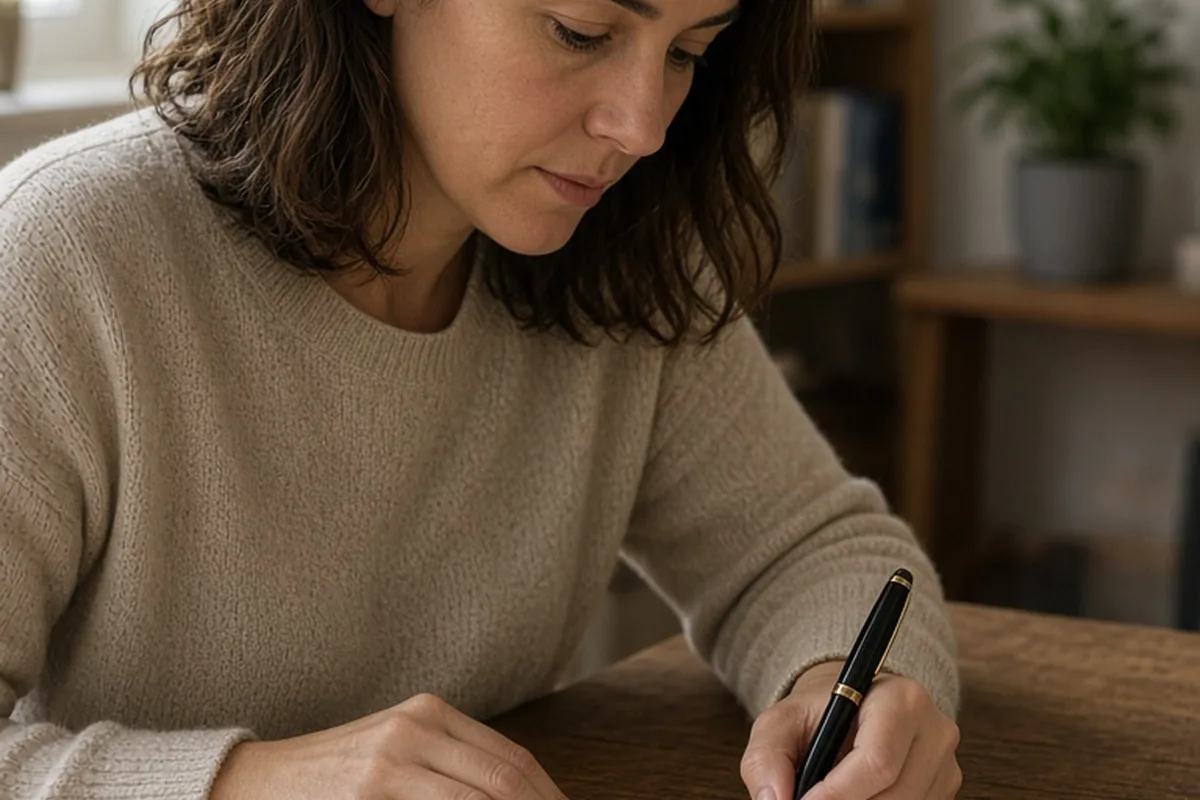
Writing a sympathy note to someone who has lost a spouse requires humility and tenderness. In the earliest days of bereavement, a grieving partner is often overwhelmed by logistics, visitors, and shock. A card should serve as quiet support they can read whenever they find strength. Avoid generic phrases that brush aside heartbreak. Instead, write with open warmth recognizing how irreplaceable their partner was. Original reflections that bring comfort in cards include: 'Your love for each other was a rare, steady light, and that light remains woven into everyone who witnessed your life together.' 'There are no words that can fill the space left behind, but there is endless love surrounding you as you carry their memory forward.' 'Grief takes as long as it takes. Please know I am holding space for your sorrow whenever the silence feels too heavy.'
To personalize your message, consider adding one gentle observation about their marriage or the person who passed away. You might mention how much their spouse loved making them laugh or a quiet act of kindness you observed between them. Conclude your note with a low-pressure closing such as 'Thinking of you constantly, with no need to write back.' This explicit permission relieves the bereaved spouse of the exhausting social expectation to send immediate replies, allowing them to receive your kindness as an unburdened gift.
Comforting Words for Eulogies, Memorials, and Remembrances
Speaking publicly about the loss of a life partner requires balancing celebration of their shared life with reverent space for grief. Memorial gatherings are not times to rush toward artificial silver linings; they are sacred opportunities to bear witness to deep devotion. When crafting a eulogy or reading a tribute, focus on the lasting imprint of their companionship: 'To love a partner completely is to give your heart a permanent home; even when physical life ends, the devotion they planted never leaves you.' 'A true marriage does not vanish with a final breath; it lingers in every choice made with kindness, every shared laughter echoed, and every quiet morning survived.' 'We do not measure a lifetime together by the calendar, but by the safety, honesty, and belonging built between two souls.'
If you are delivering these tributes, remember that poise is never a requirement of genuine remembrance. Grief is physical and unpredictable. It is completely natural to pause, weep, or ask a trusted friend to stand beside you at the podium if your voice falters. For guests attending the service, hearing memories that focus on ordinary moments of love—how they shared morning coffee, navigated hardships together, and listened to one another—often brings far deeper solace to the family than grand, impersonal speeches.
Original Reflections for a Grieving Partner Facing Solitude
The most difficult phase of losing a spouse often begins several weeks after the memorial service. As friends and family return to normal routines, the surviving partner must navigate an intensely quiet house and daily routines built for two alone. Personal words of comfort for this prolonged season should validate loneliness without pathologizing it: 'The house may feel impossibly quiet, but the life you built together still speaks in every room of your memory.' 'You are not starting over from nothing; you are carrying forward an entire lifetime of earned love, one gentle breath at a time.' 'Honor your tears as proof of an honest, deep bond. There is no timeline for missing your best friend.'
Friends can offer true comfort during these quiet months by checking in without demanding updates. A short text message that reads, 'Thinking of you today as you drink your morning coffee; sending so much love your way,' requires nothing from the recipient while reassuring them that their partner is remembered. Grief after marital loss often shifts from sharp shock to a dull, aching exhaustion. Reassuring the surviving spouse that their fatigue or numbness is a normal human response to losing their anchor provides immense emotional relief.
Phrases to Avoid When Comforting Someone Grieving a Spouse
When people feel uncomfortable in the presence of intense grief, they often reach for tidy conversational formulas to ease tension. Unfortunately, well-intentioned platitudes can cause genuine emotional harm to a grieving spouse. Expressions such as 'Everything happens for a reason,' 'At least you had many wonderful years together,' 'They are in a better place now,' or 'You are still young enough to find love again' minimize the specific tragedy of the loss. Such remarks inadvertently suggest that sorrow is an overreaction or a problem to be solved quickly. Losing a spouse is the death of an entire shared world.
Instead of offering explanations, choose language that sits quietly alongside the pain: 'I am so sorry for this devastating loss,' 'I cannot imagine how much you miss them, but I am here with you,' and 'Their absence is felt deeply by all of us.' When in doubt, honest humility is far more healing than scripted optimism. Admitting that you do not have the right words, while reassuring them of your continued presence, gives the grieving person permission to feel whatever they need to feel without judgment.
Short Verses and Inscriptions for Memorial Keepsakes
Selecting a phrase for an enduring keepsake—such as an engraved garden bench, an inscribed photo album, a memorial urn, or remembrance jewelry—requires concise, resonant language. Because these words will be read repeatedly across years, they should evoke enduring affection rather than acute distress: 'Together in memory, unbroken in spirit, loved for eternity.' 'Your voice remains the gentle rhythm that guides my remaining days.' 'A partnership etched in grace, remembered with boundless gratitude.' 'Held in my heart until we meet in quiet peace.' 'Love built across a lifetime never fades from the soul.'
When deciding on an inscription, consider the tone that best reflects the unique personality of your marriage. A couple that shared a playful bond might choose words celebrating laughter and companionship, while a couple bonded through quiet resilience might prefer a phrase honoring steadfast strength. Physical keepsakes provide a grounding anchor for the surviving partner on difficult days, serving as a tactile reminder that the love they shared was real, enduring, and permanently woven into their identity.
Supporting a Bereaved Partner on Anniversaries and Milestones
Significant dates—such as wedding anniversaries, birthdays, holidays, and the anniversary of the spouse's passing—often trigger fresh waves of grief that can feel just as intense as the first week of loss. Reaching out on these dates shows a surviving spouse that you remember their love story and understand the weight of the milestone: 'I know today marks an anniversary that holds both beautiful memories and deep ache. I am holding you close in my thoughts, and your marriage remains an enduring inspiration to me.' 'There is no right or wrong way to get through today. Lean on the memories that bring warmth, and give yourself full grace for every tear that falls.'
For the surviving spouse, navigating these milestone days requires immense self-compassion. It is entirely acceptable to step away from traditional family obligations, decline social invitations, or spend the day quietly looking at photographs. Alternatively, some find solace in establishing a new ritual—such as planting a tree, visiting a favorite scenic spot they shared, or ordering their partner's favorite meal. Giving oneself permission to adapt traditions prevents the day from feeling like a painful performance and allows honest, unhurried remembrance.
Illustrative Scenarios
Writing a Meaningful Note Without Clichés
Marcus felt paralyzed while writing a sympathy card to his lifelong friend David, whose wife had passed away after a long illness. Marcus initially drafted a generic message saying she was in a better place and that time would heal all wounds, but the words felt hollow. Recognizing that his friend needed honest presence rather than forced optimism, Marcus tore up the draft. Instead, he wrote a brief note sharing a warm memory of the couple's quiet laughter during a summer camping trip, added that he was keeping David in his thoughts, and noted that no reply was expected. David later shared that Marcus's card was one of the few messages that brought real comfort because it acknowledged his wife's specific presence without demanding emotional strength.
Key point: Specific memories and permission to remain silent offer far more comfort to a grieving spouse than polished platitudes or cheerfulness.
Honoring an Anniversary Through Quiet Personal Ritual
Six months after her husband's death, Elena faced their first wedding anniversary alone. Well-meaning relatives pressured her to attend a large family dinner so she would not be lonely, but the idea of making conversation felt exhausting. Elena initially worried that declining the invitation would appear ungrateful. Instead of forcing herself to socialize, Elena chose a gentle compromise. She politely thanked her family, explained that she needed a quiet day of remembrance, and spent the evening looking through their wedding album while preparing her husband's favorite pasta recipe. She wrote down three cherished memories in a keepsake journal. The intentional evening allowed her to mourn without pressure, creating a healing ritual that honored her marriage on her own terms.
Key point: Surviving partners have full permission to decline social pressure and observe difficult milestones in ways that feel restorative to their grief.
Frequently asked questions
What should I write in a sympathy card if the spouse died suddenly?
Acknowledge the shock directly without speculating about the circumstances. A thoughtful response is: 'I am heartbroken by this sudden loss, and I am holding you close in my heart. Please know I am here to support you in any way you need, with no need to write back.'
Is it appropriate to mention the deceased partner's name when speaking to the widow or widower?
Yes. Grieving spouses often share that hearing their partner's name brings deep comfort rather than distress. Using their name confirms that their beloved's life and impact are still remembered and valued by others.
How can I support a grieving spouse if I live far away?
Send periodic, low-pressure messages on ordinary days, not just immediately after the funeral. Sending practical assistance, like a meal delivery gift card or an arrangement of sturdy flowers with a warm note, shows steady care across distance without demanding phone calls when energy is low.
How long should I continue checking in after a friend loses their spouse?
Continue checking in for months and throughout the first year, as isolation often peaks after the initial crowd of supporters disperses. A gentle text on holidays, anniversaries, or random weekends reminds the survivor that they are not forgotten as they rebuild their lives.
Your next step
Choose one comforting message or personal memory today, write it inside a handwritten sympathy card, and mail it to the surviving spouse with a note explicitly stating that no reply is needed.