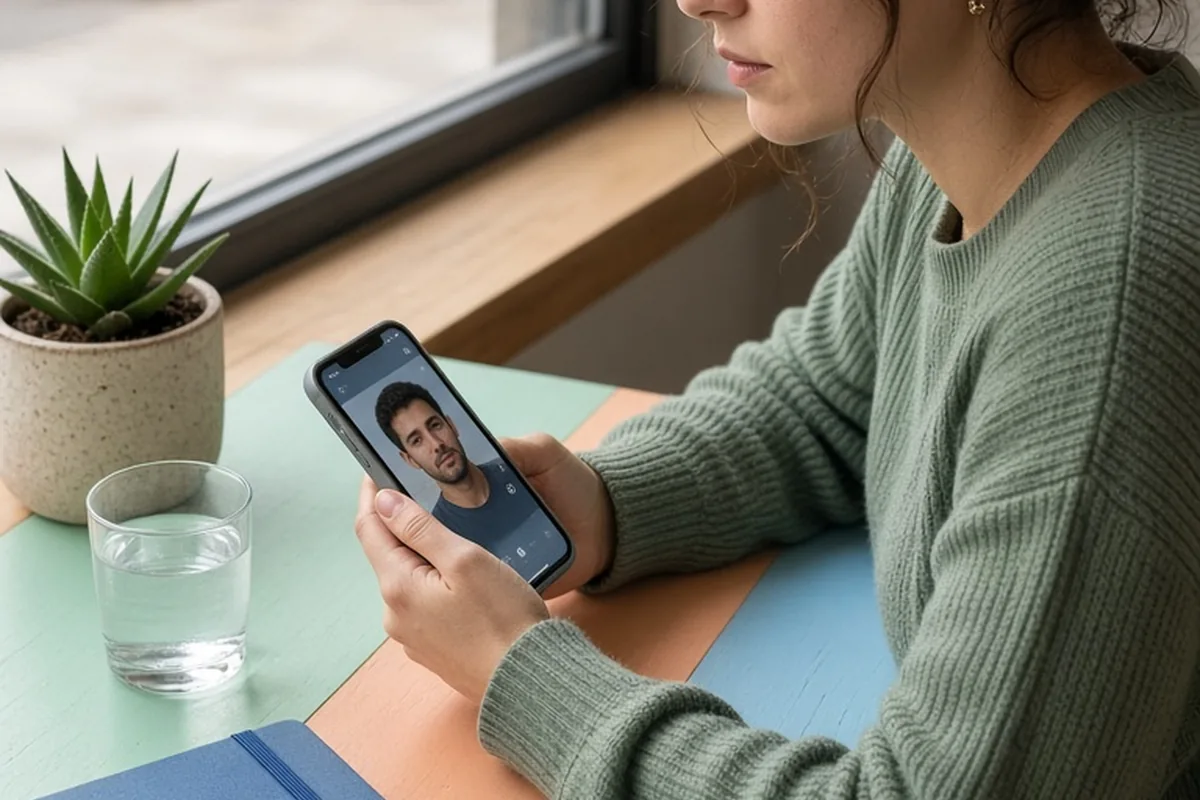
Online dating safety relies on pacing communication, guarding sensitive identifying details, and keeping early meetings strictly public. To stay safe, chat within the dating platform initially, verify your match with a quick video call, arrange your own transportation to a busy neutral venue, and inform a friend of your plans. Pausing when someone rushes emotional intimacy or asks for financial assistance protects your physical boundaries and emotional well-being.
Dating apps offer unmatched access to potential partners, yet navigating conversations with strangers requires a steady balance between open curiosity and healthy skepticism. Setting sensible boundaries early lets you explore genuine romantic connections without compromising your personal security or peace of mind.
Protecting Personal Identifiers in Early Conversations
In the early phases of digital matching, your most valuable security asset is personal privacy. Many people inadvertently give away enough identifying data to allow strangers to locate their home address, workplace, or family members within minutes. A casual mention of your company name, your neighborhood gym, or your specific job title can be paired with your first name to track down your complete digital footprint. Keeping initial conversations anchored to shared hobbies, general interests, and light banter prevents malicious actors or overly fixated matches from crossing the line into your private everyday life.
To manage this boundary effectively, remain on the dating app's built-in messaging system during the early stages of chatting. If a conversation progresses well and you decide to exchange phone numbers before meeting in person, consider setting up a secondary virtual number through a free calling app or VoIP service. This practice shields your primary mobile number, which is frequently tied to personal records and online utility accounts. The trade-off is a slight inconvenience in managing an extra app, but this tiny step ensures that if a match turns abrasive or disrespectful, removing their access to your daily life requires only a tap rather than changing your phone number.
Verifying Identity and Spotting Romance Scams Early
Digital profiles are easy to curate, embellish, or fabricate entirely. Dishonest profiles frequently rely on attractive, professional photos taken from public social media accounts, accompanied by vague biographies and inconsistent personal details. A major indicator of deceptive intent is emotional acceleration: when a match expresses intense devotion, soulmate declarations, or overwhelming passion within days of matching, they are often attempting to build artificial intimacy before you can verify their real identity. This tactic frequently precedes requests for money, emergency assistance, or cryptocurrency investments.
The simplest and most reliable way to confirm someone's identity is to suggest a brief video chat before committing to an in-person date. A five-minute call over the dating app or an encrypted platform immediately confirms whether the person matches their profile pictures while giving you an authentic feel for their communication style and energy. If a match repeatedly manufactures dramatic excuses to avoid live video—such as broken cameras, high-stakes travel, or remote job assignments—while continuing to text aggressively, step back. While it can feel slightly clinical to ask for a video call, genuine matches who are also invested in safety will welcome the invitation without defensiveness.
Planning Safe First Meetings in Public Spaces
When you decide to transition from digital messaging to real-world interaction, the physical setting sets the foundation for your personal security. An ideal first meeting takes place in a neutral, well-populated environment with ample lighting and consistent foot traffic, such as a busy downtown coffee shop, an established bookstore cafe, or a popular art gallery. Avoid isolated areas such as secluded hiking trails, quiet park benches after dark, private hotel lounges, or either person's apartment, regardless of how comfortable the text conversations felt.
Retaining control over your logistical mobility is equally crucial. Always arrange your own transportation to and from the venue, whether that means driving your own vehicle, booking a rideshare, or taking public transit. Letting a date pick you up at your home exposes your private address before trust has been established, and accepting a ride leaves your departure time at the mercy of their schedule and goodwill. The financial cost of an independent rideshare or parking ticket is a minor expense compared to the freedom of walking out and heading home the moment a date feels uncomfortable or incompatible.
Establishing an Accountability Check-In System
Even when meeting in a bustling restaurant, entering an unfamiliar situation with a new acquaintance warrants an outside safety net. Before leaving for your date, inform a reliable friend or family member about your plans. Send them the name of the person you are meeting, their profile picture or phone number, the name and address of the venue, and the approximate time you expect the meeting to conclude. Modern smartphone location-sharing features allow you to temporarily share your coordinates during the window of the date, providing quiet, passive reassurance.
Establish an agreed-upon check-in protocol to verify your comfort level mid-date. For example, schedule a brief text exchange sixty minutes into the meeting where you send a pre-arranged word confirming whether you are having a good time or getting ready to leave. If the date is going poorly or feels threatening, an accountability partner can place an agreed-upon phone call giving you a graceful, polite excuse to depart immediately. Some people worry that looping in a friend makes them seem cynical, but accountability systems reduce anxiety, allowing you to relax and engage in genuine conversation.
Monitoring Boundaries, Alcohol, and Physical Comfort
During the date, maintaining situational awareness allows you to assess compatibility while protecting your physical boundaries. Keep an eye on your food and beverages throughout the evening. If you step away from the table to visit the restroom or take an urgent call, finish your drink beforehand or order a fresh one from the server upon your return. Pacing your alcohol consumption ensures your judgment, reaction time, and instincts remain sharp, allowing you to read nuances in your date's behavior clearly.
Pay close attention to how your match reacts when you set minor, low-stakes boundaries. If you decline a second cocktail, state that you need to be home by a certain hour, or say no to visiting a second location, a respectful companion will accept your preference without hesitation. If they resort to subtle guilt trips, teasing, or persistent lobbying to change your mind, they are demonstrating poor boundary hygiene. Someone who ignores a minor preference about leaving early will likely challenge much more significant boundaries down the road. Holding firm might lead to a brief moment of social friction, but that friction reveals character.
Handling Uncomfortable Exits and Digital Disengagement
You are never obligated to endure an uncomfortable, disrespectful, or hostile encounter out of social politeness. If a date behaves erratically, uses offensive language, or ignores your physical space, you have full permission to conclude the meeting immediately. You do not need to invent an elaborate narrative; a brief, direct statement such as 'Thank you for your time, but I am going to head home now' is entirely sufficient. If you feel unsafe stating this openly, alert venue staff, pay your tab at the counter, and exit to your vehicle or rideshare.
Following an uncomfortable date or an abusive message on an app, use digital containment tools immediately. Take screenshots of threatening communications if you believe platform moderation or local authorities need to intervene, then report the profile and use the block function. Avoid engaging in protracted online arguments or defending your decision to break contact, as aggressive personalities often interpret continued replies as an opening for further debate. Walking away cleanly and permanently deprives bad actors of your attention and keeps your dating life focused on respectful prospects.
Illustrative Scenarios
Maintaining Digital Boundaries Against Premature Intimacy
Julian matched with someone whose profile was charming, but within twenty-four hours of chatting, she asked for his personal cell phone number and his private social media accounts. Julian felt flattered by her quick enthusiasm, yet he felt uncomfortable handing out personal identifiers so early to a stranger. Instead of ignoring his gut or worrying that he would appear paranoid, he sent a clear reply stating he preferred to chat on the app until they met in person. His match responded with an irritated remark accusing him of having trust issues. Recognizing this defensive reaction as an early red flag, Julian wished her well and unmatched.
Key point: A companion who truly values mutual comfort will respect basic digital boundaries; frustration over a simple privacy preference is an indicator to walk away.
Holding Venue Boundaries During an Unplanned Pivot
Samantha met an online match at a well-lit coffee shop in a busy shopping center. Halfway through the conversation, the date suggested leaving the cafe to walk to a quiet, secluded park several blocks away because the cafe was 'too noisy.' Samantha felt hesitant about leaving a populated area, but she briefly worried that declining might make her appear unadventurous or kill the romantic momentum. Remembering her personal rule to stay in populated spaces on first meetings, she smiled and stated she preferred to remain at the cafe or finish up. When he pouted and pressed the issue, she politely ended the date and walked to her car.
Key point: Never compromise your physical environment for fear of seeming unadventurous; sticking to populated venues preserves safety and reveals how a date handles boundaries.
Frequently asked questions
When is it appropriate to share my personal phone number with a match?
It is generally best to wait until you have completed a brief video verification call or met once in a public venue before sharing your personal cell phone number. If you prefer to talk on the phone beforehand, using the dating app's audio call feature or a secondary VoIP number keeps your personal contact information secure. Once consistent respect and transparency are demonstrated, sharing your primary number carries significantly less risk.
What should I do if a date becomes hostile or aggressive in person?
Prioritize your immediate safety over social courtesy by disengaging and moving toward other people. Alert a bartender, server, or nearby staff member, who can assist in providing an escort to your car or waiting with you until your rideshare arrives. Once you are in a safe location, document the interaction and report the user to the dating application.
Is it rude to split the bill on a first date for safety reasons?
Splitting the bill or paying for your own items is completely standard and carries no social penalty. In fact, handling your own expenses prevents an entitlement dynamic where an unhealthy date assumes paying for a meal grants them access to your physical boundaries or additional time. A healthy date will happily accept an offer to split the tab.
Your next step
Open your dating profiles today to review your photos and bio, removing any visible street names, employer badges, or regular routine details, and set up a secondary phone number before your next chat.