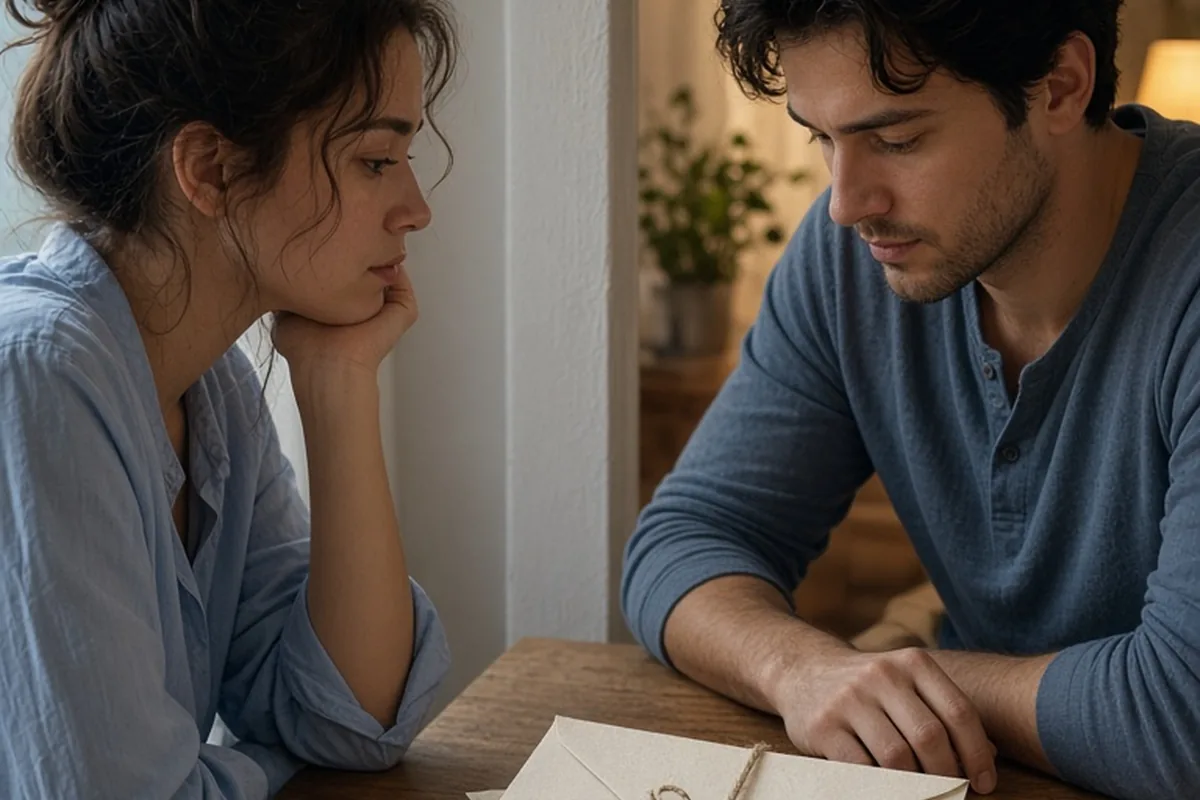
Open when letters for him are a collection of sealed, personalized notes designed for your partner to open at specific future moments or emotional states. You create them by choosing meaningful prompts—such as when he feels stressed, misses you, or needs encouragement—and filling each envelope with tailored messages, memories, or small tokens. They offer enduring emotional support and practical connection, especially during long-distance periods or demanding life transitions.
Creating a thoughtful set of open when letters allows you to provide tangible comfort, encouragement, and affection to your partner whenever he needs it most. Whether navigating a long-distance relationship, supporting him through a demanding work season, or celebrating milestones from afar, these individualized notes function as personalized emotional anchors that he can return to at his own pace.
Selecting Meaningful Themes and Emotional Triggers
The foundation of an effective bundle of open when letters lies in selecting prompts that reflect your partner's unique personality, emotional tendencies, and daily routine. Rather than relying solely on generic romantic statements, consider the specific circumstances in which he might need an emotional boost, a grounding reminder, or a burst of laughter. Balancing your collection across several distinct categories ensures the gift remains engaging and genuinely supportive over weeks or months.
To build a well-rounded set, divide your ideas into emotional support, celebration, humor, and connection. Emotional support letters address states like feeling stressed, insecure, or overwhelmed by responsibilities. Celebration letters honor personal wins, such as landing a promotion, finishing a hard project, or celebrating a personal anniversary. Humorous letters offer a quick distraction when he is bored or irritated by traffic, while connection prompts bridge physical distance when you are apart.
A practical limitation to keep in mind is prompt overload. Preparing twelve to twenty well-developed letters is generally much more impactful than assembling fifty superficial cards. When you write too many envelopes at once, the messages risk becoming repetitive, and the recipient may feel overwhelmed by the obligation to read through an excessive backlog.
- Open when you need a confidence boost before a big meeting or interview.
- Open when you are stuck in traffic or having a frustrating commute.
- Open when you cannot fall asleep and your mind is racing.
- Open when you need a good laugh or an absurd distraction.
- Open when you miss hearing my voice or sharing our evening routine.
- Open on our next milestone anniversary or after completing a major personal goal.
Structuring the Content Inside Each Letter
A successful letter moves beyond standard declarations of affection by grounding the message in shared context and sensory detail. When writing each note, follow a structured approach: acknowledge the specific emotion of the envelope, validate why he might be feeling that way without dismissing his experience, share a vivid memory or grounding perspective, and close with a supportive action or forward-looking thought.
For example, in an envelope marked for when he feels overwhelmed by work, avoid dismissive phrases like telling him to just relax or stop worrying. Instead, validate the pressure he faces, remind him of past obstacles he navigated successfully, and highlight a specific quality you respect about his dedication. Grounding your words in real situations gives your reassurance authentic weight rather than feeling like generic cheerleading.
Varying the length of your messages also keeps the bundle engaging. Some prompts warrant a multi-page narrative reflecting on your relationship history, while others benefit from concise, punchy lists of reasons you appreciate him or quick step-by-step breathing exercises he can execute immediately.
Incorporating Flat Keepsakes and Sensory Enclosures
Including small, physical inserts alongside your handwritten notes turns reading each envelope into an engaging, multi-sensory experience. Flat enclosures add tactile interest without making the envelopes bulky or difficult to store. When choosing items to tuck inside, focus on objects that carry personal meaning or provide immediate utility tailored to the letter's prompt.
Printed photographs from a memorable trip work naturally inside an envelope for when he misses you, while a custom QR code linking to an upbeat digital playlist or a short voice note suits a prompt for low-energy mornings. You can also include flat gift cards for his favorite coffee spot inside a work-stress letter, single-serving tea packets for a restless evening note, or custom coupons offering a home-cooked dinner or uninterrupted evening of gaming.
One essential limitation is envelope durability. If you plan to mail the collection or package the letters inside a travel bag, avoid fragile, heavy, or perishable items that could leak, crush, or tear through paper envelopes during transit. Stick to lightweight, flat materials that preserve the envelope structure.
Navigating Difficult Emotions and Conflict constructively
Writing letters for moments of relational friction or deep vulnerability requires careful calibration. Prompts such as opening after an argument or opening when feeling distant require a tone that prioritizes de-escalation, mutual respect, and emotional safety. These letters should never attempt to settle a real-time disagreement or bypass necessary direct conversation.
In an 'open when we have had a disagreement' letter, focus on reaffirming your commitment to the relationship regardless of temporary tension. Emphasize that having differences does not diminish your love or respect for him, and invite him to take whatever space he needs before you both reconnect with calm communication. Avoid rehashing hypothetical disputes or prescribing how either of you must react.
The primary risk with sensitive prompts is the potential for misunderstanding if written ambiguously. If a note reads as passive-aggressive or attempts to dictate his emotional response, it can heighten frustration rather than resolve it. Keep the message grounded in steady affection, patience, and clear reassurance that you are on the same team.
Designing, Packaging, and Establishing Ground Rules
The visual presentation of your collection sets the tone for the entire gift. You can use standard stationery, colored envelopes, or sturdy kraft paper, numbering the envelopes or organizing them with clear calligraphy or printed labels. Binding the set with twine, storing them in a wooden keepsake box, or placing them in a custom fabric pouch provides an appealing aesthetic and protects the collection over time.
To preserve the long-term magic of the gift, include an introductory note labeled 'Open First' that outlines simple, lighthearted guidelines. This introductory letter explains the concept, encourages him to open each envelope only when the designated condition occurs, and clarifies that the letters are intended to last over an extended period rather than being opened all in one sitting.
A thoughtful trade-off involves respecting his autonomy over how quickly he reads them. While you might hope the letters last an entire year, some partners prefer reading through several during intense periods. Setting flexible guidelines rather than rigid rules keeps the gift joyful rather than feeling like a chore he must manage carefully.
Adapting the Concept for Long-Distance and Life Transitions
Open when letters are especially valuable during significant life transitions, such as military deployments, new job relocations, graduate school programs, or periods of extended travel. During these intervals, physical distance and misaligned schedules can make real-time communication unpredictable, making asynchronous, tangible support vital.
When adapting letters for major life changes, tailor your prompts to anticipated milestones and common challenges associated with the transition. For a partner starting a demanding new job, include notes for the night before his first day, the end of his first month, and when he experiences impostor syndrome. For physical separation, schedule notes around time zone differences, such as when he wakes up before your morning begins.
Be mindful of storage constraints if he is traveling or relocating with limited luggage space. In compact living situations, consider using lightweight airmail envelopes or consolidating multiple smaller note cards within a slim, travel-friendly organizer so the collection remains portable without adding unnecessary clutter.
Frequently asked questions
How many open when letters should I make for a complete set?
A standard set typically includes between 10 and 20 letters. This provides enough variety across different moods and occasions without overwhelming you during the writing process or diluting the personal depth of each individual message.
What should I write if my partner is not particularly emotional?
Focus on practical encouragement, shared humor, appreciation for his concrete strengths, and entertaining memories rather than overly sentimental prose. Tailoring the tone to his natural communication style ensures the notes feel authentic and comfortable for him to read.
Can I include digital elements inside physical open when envelopes?
Yes, incorporating printed QR codes that link to voice recordings, unlisted video messages, collaborative music playlists, or digital photo albums bridges the physical card with dynamic digital media effectively.
What if my partner opens all the letters at once?
While the intended design is to open them as specific situations arise, some people feel compelled to read them immediately out of curiosity or affection. Clarify your intentions gently in the 'Open First' letter, but allow him to engage with the gift in whatever manner brings him comfort.
Your next step
Begin by brainstorming a list of ten to fifteen specific moments your partner frequently experiences, gather quality stationery, and write one personalized letter per day to create a meaningful, enduring gift.