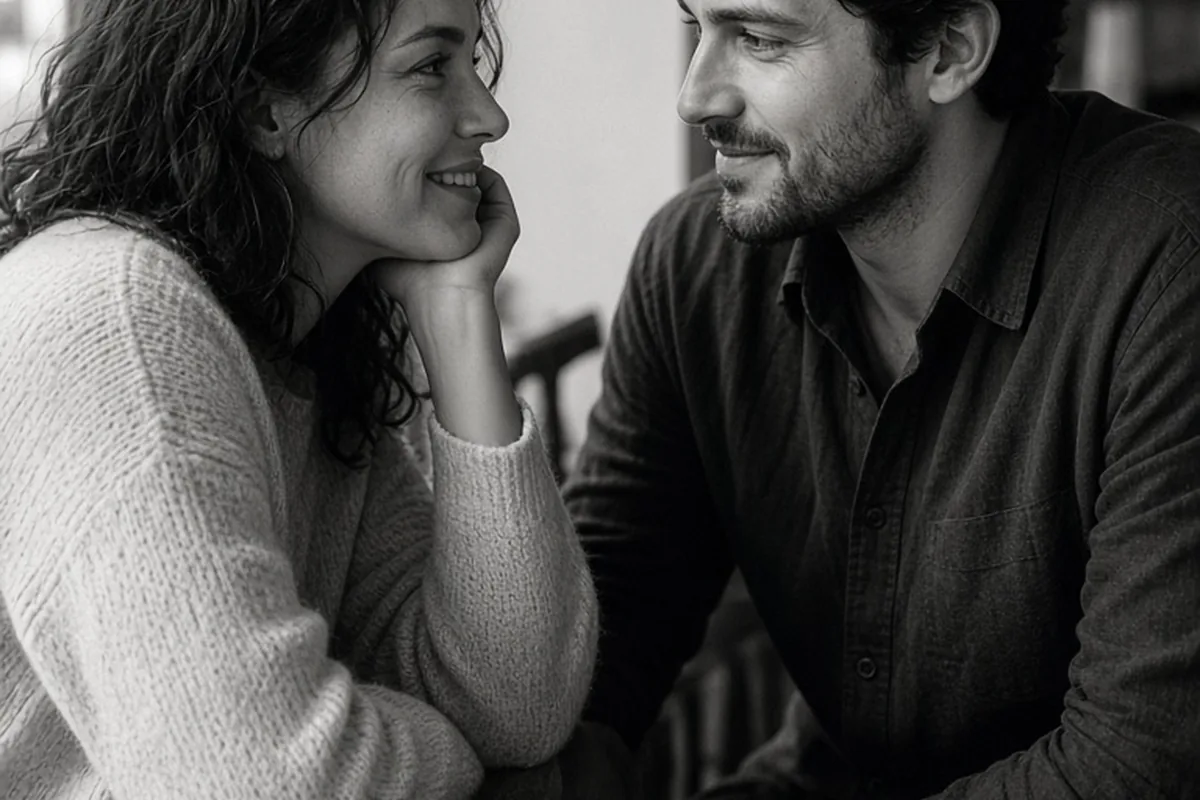
The best first date outfit matches the venue while reflecting your personal style and physical comfort. For casual daytime dates like coffee or a walk, choose clean, well-fitted jeans paired with a relaxed sweater or tailored shirt and fresh sneakers. For evening drinks or dinner, elevate your presentation with dark chinos or trousers, a structured button-up or blouse, and clean leather shoes or sleek boots.
Choosing what to wear on a first date often creates unnecessary pressure, but your clothing works best when it acts as a subtle background to who you are rather than a distraction. When you dress appropriately for the environment and feel physically comfortable in your clothes, you reduce nervous tension and shift your full attention to getting to know the person sitting across from you.
Aligning Your Outfit With the Date Environment
The primary rule of first date dressing is context awareness. Wearing a tailored blazer and dress shoes to a casual mini-golf course can feel just as awkward as arriving at an upscale cocktail lounge in athletic shorts and running shoes. Mismatching the venue creates unnecessary friction and signals that you either did not pay attention to the plan or struggled to gauge the setting. Before opening your wardrobe, consider the specific location, the weather, and how much walking or physical movement the date involves.
When the plan is open-ended or involves multiple stops, building versatility into your outfit is the safest strategy. A smart layer, such as an unlined jacket, a fine-knit cardigan, or a tailored overshirt, allows you to adapt if you transition from an outdoor walk to an indoor café or an evening drink. If you are unsure of the dress code, aim for elevated casual. It is almost always easier to dress down a sharp pair of trousers by removing an outer layer than it is to make loungewear look appropriate in a sit-down restaurant.
Keep in mind that dressing for the venue does not mean adopting an unfamiliar aesthetic. If you are meeting at an artsy downtown coffee shop, you do not need to purchase trendy streetwear if your standard wardrobe is classic and understated. Authenticity within the boundaries of the venue creates an impression of quiet self-assurance.
The Smart-Casual Baseline: Core Pieces That Always Work
Smart-casual is the most dependable aesthetic for modern dating because it strikes a natural balance between looking put-together and appearing relaxed. The foundation of this look begins with quality trousers. Dark-wash denim without distressing, slim or straight-cut chinos in neutral tones like navy, olive, or charcoal, and tailored casual trousers provide a clean silhouette that works across almost every daytime or evening setting.
On top, structure makes a noticeable difference. For men, an Oxford cloth button-down, a knit polo, or a clean crewneck sweater over a fitted t-shirt provides clean lines without looking stiff. For women, a silk or linen blouse, a fitted ribbed knit top, or a structured wrap shirt pairs effortlessly with trousers or a midi skirt. Fabric choice matters just as much as cut; breathable natural fibers like cotton, merino wool, and linen drape better and manage body temperature effectively when nerves run high.
The trade-off with smart-casual is that it relies heavily on proper fit. A basic t-shirt and jeans combination can look intentional and sharp if the seams sit correctly at the shoulders and the hem falls at the right length, but the exact same outfit looks sloppy if the items are baggy, faded, or stretched out. Prioritize tailoring and proportion over expensive brand names.
Practical Outfit Combinations for Common First Date Scenarios
Having a few reliable formulas removes the guesswork when getting ready. Below are three dependable combinations tailored to typical dating activities, designed to be adapted across genders.
Each formula balances ease of movement with intentional styling, ensuring you look like you put thought into your appearance without appearing overly formal.
- Casual Coffee or Afternoon Walk: Straight-leg dark jeans, a crisp white or neutral t-shirt, an overshirt or lightweight bomber jacket, and clean, low-profile leather sneakers.
- Evening Drinks or Casual Dinner: Dark tailored chinos or high-waisted trousers, a structured button-down or drape-front blouse, a tailored chore jacket or blazer, and leather Chelsea boots or clean loafers.
- Interactive or Active Date (Museums, Arcades, Bowling): Comfortable stretch-cotton trousers or dark denim, a fitted polo or breathable knit top, a casual utility jacket, and supportive, minimalist footwear.
Footwear and Grooming Details That Complete the Presentation
Footwear often anchors an entire outfit and communicates attention to detail faster than any other single item. A well-chosen ensemble can be undermined by scuffed, dirty athletic shoes or footwear that is wildly impractical for the activity. Choose clean, maintained shoes that have already been broken in. First dates are not the right time to test out stiff new leather boots or uncomfortably high heels that leave you limping after two blocks.
Grooming details reinforce a clean presentation without requiring extensive effort. Ensure your fingernails are clean and trimmed, your hair is neatly styled, and your clothes are free of wrinkles, lint, and pet hair. When it comes to fragrance, subtlety is critical. A single spray on the chest or neck is plenty; heavy application of cologne or perfume can easily overwhelm an intimate seating arrangement or trigger sensitivities in your date.
Accessories should complement your clothes rather than compete for attention. A classic watch, a simple necklace, or a clean leather belt pulls an outfit together. Avoid wearing items that require constant adjustment, such as rings that slip off easily or hats that might feel awkward to keep on once you move indoors.
Navigating Color, Contrast, and Personal Expression
Color plays a quiet psychological role in how approachable you appear. A foundation built on versatile neutrals—navy, slate gray, olive, cream, camel, and black—creates a sophisticated and cohesive base. These shades coordinate effortlessly and provide a calming visual baseline. You can introduce personality through subtle accents, such as a rich burgundy sweater, a muted sage overshirt, or a patterned scarf.
While bold prints and neon shades can be fun, they can sometimes dominate the visual space on a first date. If your personal style leans eccentric, there is no need to hide it entirely, but balancing a statement piece with neutral basics keeps the overall look grounded. For example, if you wear a patterned button-up, keep the trousers and shoes understated.
Consider also how your clothing photographs or appears in different lighting conditions. Dark, moody cocktail bars can wash out busy patterns, whereas warm textures like suede, corduroy, and knitwear hold up well in dim light and add tactile depth to an otherwise simple outfit.
Common First Date Wardrobe Mistakes to Avoid
One of the most frequent missteps is dressing for an aspirational version of yourself rather than your genuine reality. Wearing a rigid, formal outfit when you naturally prefer relaxed clothing often leads to visible fidgeting, tugging at collars, and awkward body language. Your date will pick up on your physical unease, which can be easily misinterpreted as social awkwardness or lack of interest.
Another pitfall is underestimating the weather. Check the forecast before leaving the house and prepare for sudden drops in temperature or unexpected rain. Shivering through an outdoor patio drink because you refused to bring a jacket compromises your enjoyment and cuts conversations short.
Finally, avoid relying on brand-new, unworn garments. Tags-on clothing has not been tested for fit during movement, meaning you might only discover that a shirt pulls across the chest or trousers ride up when you sit down at the table. Stick to proven pieces in your rotation that you already know look good and feel comfortable.
Illustrative Scenarios
Anonymous Composite Scenario: The Overdressed Dinner
Marcus was meeting a match at an upscale pub known for craft burgers. Wanting to make an impressive first impression, he wore a full business suit and a silk tie straight from work. Upon arriving, he noticed his date was wearing neat dark denim, an untucked button-down, and a casual jacket. Marcus felt immediately stiff and self-conscious, worrying that his formal attire made him seem rigid or out of touch with the casual vibe of the venue. Instead of remaining flustered, he excused himself briefly, removed his tie, rolled up his sleeves, and left his jacket on the back of the chair.
Key point: Adaptability matters more than perfection. If you find yourself overdressed, simple adjustments like removing a tie or jacket can quickly recalibrate your outfit to match the environment.
Anonymous Composite Scenario: The Uncomfortable Footwear Dilemma
Elena chose a brand-new pair of stiff-soled fashion boots for a first date that began at an art gallery. While the shoes matched her outfit nicely, after forty minutes of walking through exhibits, she developed painful blisters. Her initial impulse was to hide the discomfort, but the pain caused her to become quiet, distracted, and eager to end the date early. Recognizing that her silence was coming across as boredom, she honestly mentioned that her new shoes were pinching and suggested sitting down at a nearby café to continue their conversation over coffee.
Key point: Prioritizing comfort prevents physical distraction, and direct, clear communication easily resolves unexpected wardrobe discomfort before it impacts the connection.
Frequently asked questions
Can I wear jeans on a first date?
Yes, jeans are entirely appropriate for most casual and smart-casual first dates. Opt for a dark, clean wash with a tailored fit, and avoid distressed fabrics, rips, or overly baggy cuts. Pair them with a structured top and polished shoes to keep the look intentional.
Should I dress differently for a daytime date versus an evening date?
Daytime dates generally call for lighter colors, breathable fabrics, and relaxed footwear like clean sneakers or casual loafers. Evening dates typically benefit from richer, darker tones, layered jackets, and slightly dressier shoes to match dimmer venue lighting.
How can I tell if my outfit is too casual?
If your outfit includes athletic gear, graphic tees, worn-out sneakers, or loungewear, it is likely too casual for a standard date. A reliable check is to ensure that at least one piece of your outfit—such as a tailored jacket, structured shirt, or leather footwear—adds deliberate polish.
Your next step
Pick an outfit from your current wardrobe that you have worn before and feel confident in, check the venue dress code, and ensure your footwear is comfortable enough for unexpected walking.