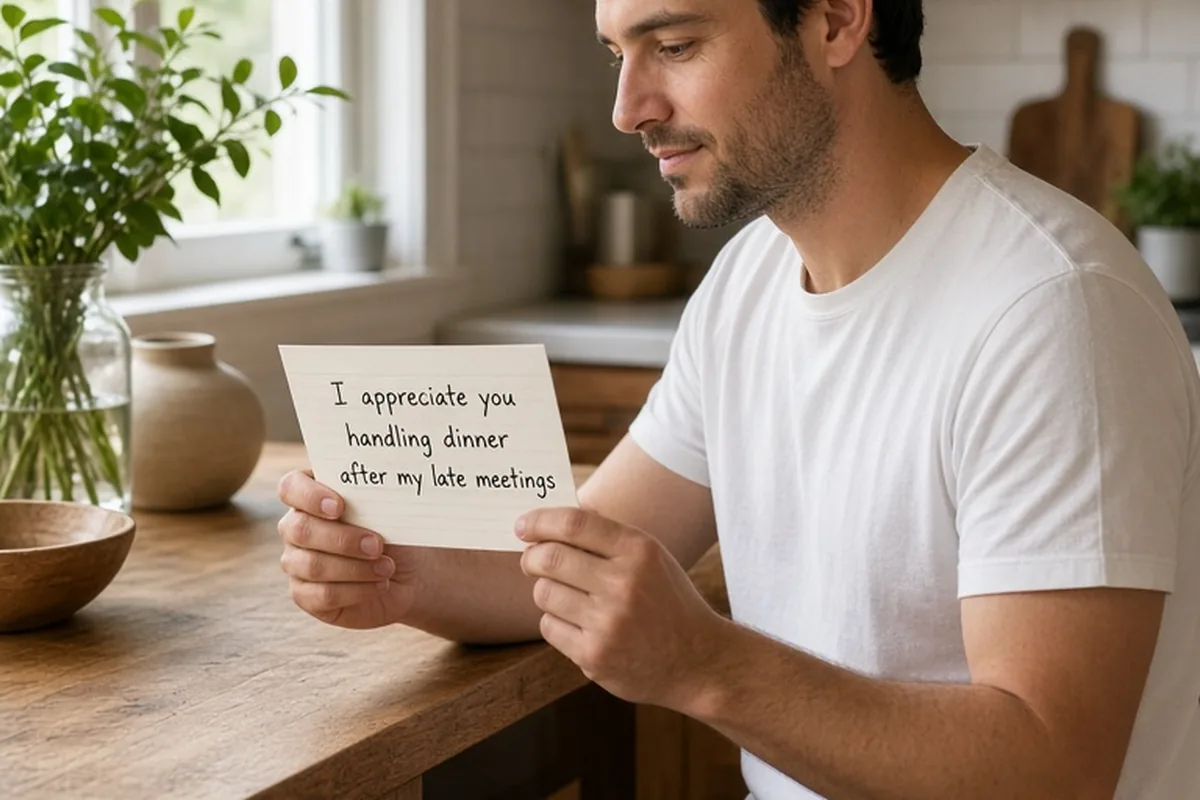
Positive healthy relationship quotes provide concise, shared language to celebrate mutual respect, express gratitude, and reinforce emotional security between partners. Rather than relying on unrealistic romance tropes, the most effective words focus on teamwork, active appreciation, psychological safety, and clear boundaries. Using these intentional phrases in daily notes, spoken acknowledgments, or quiet conversations helps both people feel seen, valued, and grounded in their long-term commitment.
Words establish the daily emotional climate of a partnership. When routines become demanding, couples frequently slip into transactional logistics about groceries, schedules, and household chores, leaving genuine appreciation unspoken. Sharing grounded, intentional sentiments offers both people an accessible way to step out of autopilot, reaffirm their shared values, and nurture reciprocal warmth.
Everyday Appreciation Quotes That Acknowledge Ongoing Effort
Consistent relationship satisfaction rarely comes from grand occasional gestures; it develops through regular acknowledgment of ordinary care. When partners notice the quiet contributions each person brings to the table, both feel recognized rather than taken for granted. Healthy appreciation focuses on specific character traits, shared presence, and the steady emotional investments that sustain a home.
Sharing these expressions works best when they match real behaviors you observed throughout the week. A handwritten note on the kitchen counter or a brief text message during a hectic afternoon can interrupt daily stress with genuine warmth. Consider these original lines designed to highlight everyday mutual care:
- In the middle of a busy world, building our quiet everyday life with you remains my favorite part of each day.
- I notice the quiet ways you look out for our partnership, and I appreciate your care even when the day feels rushed.
- Thank you for being someone I can exhale around; your steady presence is a gift I do not take for granted.
- Our connection is built not on grand promises, but on the kindness and respect you bring to our breakfast table every morning.
- I love the home we create between us—a place where we both get to be fully human and thoroughly appreciated.
Quotes That Cultivate Emotional Safety and Open Communication
Emotional safety means knowing you can voice an insecurity, admit a mistake, or express an uncomfortable feeling without fear of mockery, contempt, or abandonment. A secure partnership makes room for honest dialogue instead of requiring a performance of perpetual perfection. When communication feels safe, vulnerability becomes an invitation to connect rather than a liability.
You can use these affirmations during calm, reflective moments to reassure your partner that their thoughts and vulnerability are safe with you. These phrases emphasize patient listening, non-defensive curiosity, and unconditional acceptance:
- You never have to perform or hide your hard days with me; our relationship has plenty of room for your honest feelings.
- True intimacy means we can talk through uncomfortable truths with gentle voices and patient ears.
- I value hearing your perspective, especially when we see things differently, because understanding you matters more than being right.
- With you, I have learned that being vulnerable does not make me weak; it gives us a foundation of genuine trust.
- You can tell me what you need without worrying that your honesty will push me away.
Teamwork Quotes for Navigating Stress and Shared Difficulties
Conflict and external stress are inevitable in any lasting relationship. The difference between couples who grow distant and couples who draw closer lies in how they frame the problem. A resilient partnership approaches friction as a shared puzzle to solve together, positioning both people on the same side against the issue rather than against each other.
Deploying collaborative language during stressful seasons—such as financial pressures, career transitions, or family demands—reminds both individuals of their alliance. These expressions work well as grounding reminders during challenging weeks:
- Whenever life feels overwhelming, remember that it is you and me working against the problem, never against each other.
- We do not have to fix every challenge overnight; we just need to keep showing up for each other one steady step at a time.
- Our partnership is strong enough to handle hard seasons because our commitment to kindness does not expire when stress arrives.
- I am grateful for our ability to disagree, pause, listen, and return to the table with more curiosity than pride.
- Tough days come and go, but having you beside me makes every difficulty feel manageable.
Affirmations for Healthy Independence and Personal Boundaries
A common misconception about strong bonds is that two people must merge entirely into one identity. In reality, mature intimacy requires healthy differentiation: two distinct individuals who maintain their own values, friendships, and interests while actively choosing to support one another. Boundaries within a relationship protect the connection by preventing resentment and emotional burnout.
These phrases celebrate personal growth, mutual autonomy, and the security that comes from supporting a partner's independent life alongside your shared bond:
- The best part of loving you is watching you grow into your own goals, dreams, and passions outside of us.
- Our love does not ask either of us to shrink; it gives both of us a safe harbor from which to explore the world.
- I respect your need for space and quiet rest just as much as I cherish the time we spend together.
- A healthy partnership is two whole people cheering each other on, not two halves trying to complete an incomplete picture.
- I choose you freely every day, celebrating who you are today while honoring who you are becoming tomorrow.
How to Share Relationship Quotes Without Sounding Clichéd or Performative
Sending an affectionate phrase or quoting a romantic idea can fall flat if the delivery feels generic or disconnected from reality. When words appear copied straight from social media without personal relevance, partners may interpret them as an empty obligation rather than heartfelt communication. The goal is never to recite a poetic line for effect, but to use language that mirrors your actual shared dynamic.
To make these sentiments meaningful, anchor them to concrete, observable experiences. If you choose an affirmation about emotional safety, pair it with a brief note referencing a specific conversation where your partner listened generously. Timing also matters: sharing an appreciative quote right in the middle of an unresolved conflict can feel dismissive or manipulative, as though you are attempting to bypass necessary problem-solving. Save reflective sentiments for moments of calm, or use them as thoughtful invitations to reconnect after tension has already settled.
Consider the medium that best matches your partner's communication style. Some people appreciate a sticky note left inside a planner or on the bathroom mirror, where they can encounter it privately without pressure to respond immediately. Others value hearing a spoken acknowledgment during an evening walk or receiving a brief text message during a grueling work shift. Tailoring the method to your partner's preferences ensures the message is received as authentic care.
When Loving Quotes Are Not Enough to Repair Relationship Strain
While inspiring words and affirmations can reinforce an already respectful connection, they cannot substitute for substantive change, active accountability, or professional support. If a relationship is characterized by chronic dishonesty, emotional neglect, stonewalling, or a recurring lack of respect, relying on positive sayings risks drifting into toxic positivity—glossing over genuine dysfunction with comforting platitudes.
Words only carry weight when they are supported by observable, consistent patterns of behavior over time. If one partner repeatedly promises emotional safety but responds with anger or defensive withdrawal whenever feedback is offered, sharing an inspirational quote about open communication will only breed cynicism. In situations where trust has been broken or communication patterns remain stuck in defensive loops, honest conversations about boundaries, behavioral agreements, or couples counseling provide the structural support that words alone cannot offer.
Illustrative Scenarios
Moving Past Generic Memes to Grounded Appreciation
During a demanding quarter at work, Elena felt increasingly distant from Marcus. Hoping to rekindle their connection, she began texting him sentimental relationship quotes and dramatic romantic memes she found online. Instead of drawing closer, Marcus responded with brief, neutral replies. Elena initially worried he was pulling away. During a quiet dinner, Marcus gently explained that the sweeping quotes felt like pressure to perform a fairytale romance when he was already exhausted. Elena adjusted her approach. The following Tuesday, she left a simple index card on the counter noting how much she appreciated him handling dinner after her late meetings. Marcus visibly relaxed and reciprocated with his own note of thanks.
Key point: Specific, unpressured recognition of everyday effort communicates authentic care far better than sweeping romantic clichés.
Avoiding Premature Reassurance During Conflict
After an unresolved disagreement regarding weekend family obligations, Sam texted Nora an uplifting affirmation about how their bond was unbreakable and love conquered every hurdle. Nora felt invalidated, interpreting the text as an attempt to sweep her stated boundary under the rug. Recognizing her silence as a sign that the message landed poorly, Sam did not double down. Instead, he reached out later that evening with a direct apology: he acknowledged that sending a feel-good quote before they had actually resolved the scheduling conflict was dismissive. He invited her to discuss a realistic calendar plan that honored her need for rest. With the issue validated rather than avoided, they reached an agreeable compromise.
Key point: Affectionate quotes must never be used to bypass unresolved tension or replace practical, respectful problem-solving.
Frequently asked questions
How often should I share positive relationship quotes or notes with my partner?
There is no rigid quota for sharing affirmations. Delivering thoughtful notes once or twice a week, or whenever you notice a specific effort, creates natural warmth without feeling routine or obligatory. Pay attention to how your partner responds so the practice remains meaningful rather than transactional.
What if my partner is uncomfortable with verbal affirmations or romantic quotes?
People express and receive care differently. If your partner feels awkward around poetic language, adapt your words to be practical, down-to-earth acknowledgments of their daily support. You can also channel your appreciation through helpful actions, quality presence, or quiet gestures that better match their comfort level.
Can sending relationship quotes help de-escalate an active argument?
Sending romantic or inspirational quotes during an active disagreement usually backfires, as it can appear dismissive of your partner's valid concerns. It is far more effective to focus on de-escalating through calm listening, acknowledging their points, and waiting until emotions settle before offering verbal affection.
Your next step
Choose one specific action your partner took this week that made your life easier or brighter, write a single grounded sentence acknowledging that effort, and share it with them today without expecting anything in return.