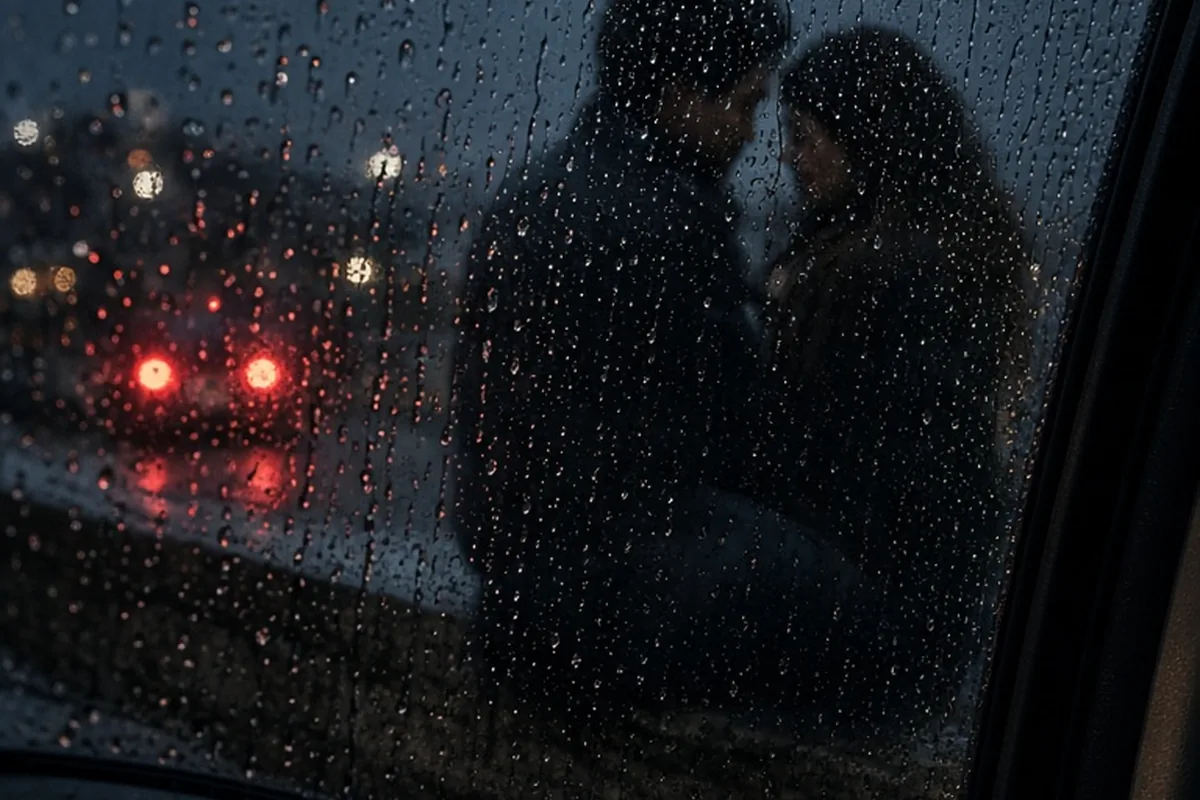
A prenup photoshoot, short for pre-nuptial photoshoot, is an engagement photo session that tells your story as a couple before the wedding. The best ideas center on a location, activity, or aesthetic that genuinely reflects who you are together, whether that means a city rooftop, a quiet hiking trail, a cozy kitchen, or a vintage-styled studio session.
These photos often end up on save-the-dates, wedding websites, and walls in your home for years, so it is worth putting real thought into them rather than defaulting to whatever looks popular on social media right now.
Start With What Actually Represents You as a Couple
Before you browse mood boards or ask your photographer for suggestions, spend twenty minutes talking with your partner about what you two actually do together. Do you cook elaborate meals on Sunday afternoons? Do you spend weekends at farmers markets, record stores, or on long drives with no destination? The most compelling prenup photos tend to come from couples who chose a setting they already inhabit, not one they performed for the camera.
This matters practically, too. When you are in a place that feels familiar, you relax faster, and relaxed people photograph better. A couple who met at a bookshop and chose to shoot there will look more at ease than the same couple posed on a scenic overlook they have never visited. Your comfort shows, and so does its absence. The goal is not to look like a stock photo of a happy couple but to look like yourselves.
Outdoor Location Ideas and What Each One Offers
Natural settings remain popular for good reason: changing light, texture, and depth give photographers a lot to work with. A forest trail offers dappled shade and an intimate feel. An open field or meadow gives you wide, airy shots with soft backgrounds. Urban parks blend greenery with architecture and tend to work well for couples who live in cities and want their environment to feel present in the photos. A beach or lakeside location adds movement and reflection, though midday sun can be harsh, so early morning or the hour before sunset is usually better.
Each outdoor setting comes with trade-offs. Forests can be dark and require a photographer comfortable with low light. Open fields mean full exposure to weather and wind. Beaches involve logistics like sand in shoes and crowds on weekends. If you have a location in mind, visit it at the same time of day you plan to shoot before committing. Notice the light, the foot traffic, and whether the space actually feels like you, or just looks good in other people's photos.
- Forest or woodland trail: intimate, textured, works well in autumn
- Open meadow or field: airy and romantic, best in golden hour
- Urban park: accessible, versatile, blends city and nature
- Beach or lakeside: dynamic and reflective, plan around light and tides
- Botanical garden: structured beauty, often requires a permit
Indoor and Urban Settings Worth Considering
Indoor shoots give you control over light and weather, which is a real advantage if you live somewhere with unpredictable seasons. A well-lit home can be a surprisingly personal backdrop, especially if you style it with objects that mean something to you, books you have both read, a record player, plants you have kept alive together. Coffee shops, libraries, art galleries, and markets can also work if you get permission in advance and choose a time when foot traffic is low.
Urban environments, meaning streets, alleyways, rooftops, and building facades, offer graphic lines and contrast that suit couples with a more modern or editorial aesthetic. The challenge is that busy streets require patience and timing, and some of the most photogenic spots require permits or have restrictions on commercial photography. Ask your photographer whether they have shot in your preferred location before, since familiarity with a space saves time and reduces stress on the day.
Activity-Based Shoots That Add Genuine Energy
One of the most effective ways to get natural-looking photos is to give yourselves something to do. Cooking together, playing a board game, dancing in the living room, walking a dog, or browsing a market stall all create movement and interaction that a static pose cannot replicate. When you are focused on an activity, you stop thinking about the camera, and that shift shows in the images. Candid moments, a shared laugh over a burned pancake or a competitive card game, often become the photos couples love most.
The activity should be something you genuinely do, not something you staged for the occasion. If neither of you has ever been on a horse, an equestrian shoot will look exactly like that. If you hike every weekend, a trail shoot will feel effortless. Think about the rituals you already have as a couple, the things you do without thinking, and consider whether any of them could anchor a shoot. Even something as simple as making coffee together in the morning can produce warm, real images when a skilled photographer is present.
Styling and Wardrobe Choices That Hold Up Over Time
Clothing choices affect how photos age. Outfits that are very trend-specific can look dated within a few years, which matters when these images will hang in your home or appear in albums you look at decades from now. A practical approach is to choose clothes that feel like a slightly elevated version of what you actually wear, something you would put on for a nice dinner rather than a costume. Coordinating colors without matching exactly tends to look more natural than identical outfits.
Comfort is underrated in this context. If you are wearing shoes that hurt or a dress that requires constant adjustment, it will show in your posture and expression. Bring a backup option if you are unsure about a piece. Avoid large logos, very busy patterns, or anything that competes visually with the location. Neutral tones, earth tones, and muted palettes tend to photograph well across a range of settings, but the most important thing is that both of you feel like yourselves.
- Coordinate colors rather than matching exactly
- Choose comfort over trend, especially for footwear
- Avoid large logos and very busy patterns
- Bring a second outfit option for variety or backup
- Consider the location palette when choosing colors
Working With Your Photographer to Get the Best Results
Your photographer is a collaborator, not just a technician. Before the shoot, share your location ideas, the mood you are going for, and any specific shots that matter to you. If there is a particular moment or detail you want captured, say so explicitly. Good photographers will also ask questions and offer suggestions based on what they have seen work, but they cannot read your mind about what feels meaningful to you as a couple.
An engagement session is also useful as a trial run. You get to see how you interact in front of a camera, learn what directions feel natural, and build a working relationship with the person who will photograph your wedding. If something feels awkward during the shoot, say so. Most photographers would rather adjust in the moment than deliver a gallery full of images where one or both of you looks uncomfortable. Communication before and during the session is the single most practical thing you can do to improve the outcome.
Timing, Permits, and Logistics That Matter
Golden hour, the period roughly an hour before sunset, is consistently flattering for outdoor photography because the light is warm, directional, and soft. Many photographers prefer it for this reason. If your preferred location is a popular spot, golden hour also tends to be busier, so factor in whether crowds will be a problem. Early morning offers similar light quality with fewer people, though it requires an earlier start than most couples expect.
Some locations require permits for photography, particularly national parks, certain beaches, historic sites, and private property. Your photographer may already know the requirements for common local spots, but it is worth confirming before you book. Arriving without the right permission can mean being turned away or asked to leave mid-session, which wastes everyone's time and money. Build in buffer time on the day itself, both for setup and for the unexpected, because shoots that feel rushed rarely produce the relaxed images couples are hoping for.
Seasonal and Weather Considerations
Each season offers something different visually. Spring brings blossoms and soft greens. Summer offers long days and lush backgrounds but also heat and crowds. Autumn is widely popular for its color and texture, and for good reason. Winter can produce striking, minimalist images, particularly in snow, though cold weather affects comfort and limits how long you can stay outdoors. There is no objectively best season, only the one that suits your aesthetic and your timeline.
Weather is unpredictable, and having a backup plan is sensible rather than pessimistic. Discuss with your photographer what happens if it rains on your scheduled date. Some photographers embrace overcast days because the diffused light is actually easier to work with than harsh sun. Light rain can add atmosphere to certain shoots. Knowing your options in advance means you will not have to make stressful decisions on the morning of the shoot.
Illustrative Scenarios
The Couple Who Almost Chose the Wrong Location
Marcus and Priya had been together for four years and spent most of their free time cooking, hosting dinners, and exploring their city's food scene. When they started planning their prenup shoot, they initially gravitated toward a popular botanical garden they had seen in other couples' photos. It looked beautiful, but neither of them had ever been there. A week before booking, they reconsidered and proposed a shoot that started at their favorite weekend market and ended at the restaurant where they had their first date. Their photographer worked with both locations. The resulting photos showed them laughing over produce, sharing food, and walking streets they actually knew. They looked, as one friend put it, like themselves.
Key point: Choosing a location because it photographs well for others is different from choosing one that reflects your actual life together. Familiarity produces ease, and ease produces better photos.
When the Weather Did Not Cooperate
Jordan and Sam had planned an outdoor shoot at a state park for a Saturday in October, expecting peak autumn color. The morning of the shoot, steady rain arrived. Jordan's first instinct was to reschedule, but their photographer suggested they proceed with a modified plan: a covered pavilion in the park, then a nearby coffee shop they both liked. Sam was skeptical but agreed. The overcast light turned out to be flattering, the rain gave the park a moody, quiet atmosphere, and the coffee shop shots had a warmth that a bright outdoor session might not have produced. They kept the rain-day photos as their favorites.
Key point: A backup plan is not a consolation prize. Different conditions produce different results, and some of those results turn out to be exactly right.
Frequently asked questions
How long should a prenup photoshoot typically last?
Most engagement sessions run between one and three hours. Shorter sessions work well if you have a single clear location and a focused concept. Longer sessions allow for multiple locations or outfit changes, but they can also lead to fatigue, which shows in later photos. Discuss timing with your photographer based on your specific plan.
Do we need professional hair and makeup for an engagement shoot?
It depends on the aesthetic you are going for and how comfortable you feel managing it yourself. Professional hair and makeup can add polish and help you feel more confident on camera, which has a real effect on photos. That said, many couples prefer a more natural look that matches how they actually appear day to day. Either approach is valid.
How far in advance should we book our prenup shoot?
Booking two to four months in advance is a reasonable target, especially if you want a specific photographer or a popular season like autumn. If your photos will be used for save-the-dates, work backward from when those need to go out and add time for editing and delivery, which can take several weeks.
Can we include pets or other people in our prenup photos?
Yes, and pets in particular tend to add warmth and personality to engagement photos. The practical consideration is that animals and children require extra time and patience, and not every photographer is equally comfortable working with them. Confirm with your photographer in advance and build extra time into the schedule.
Your next step
Before your next conversation with a photographer, write down three places or activities that are genuinely part of your life as a couple, then bring that list to the consultation as your starting point rather than a mood board of other people's photos.