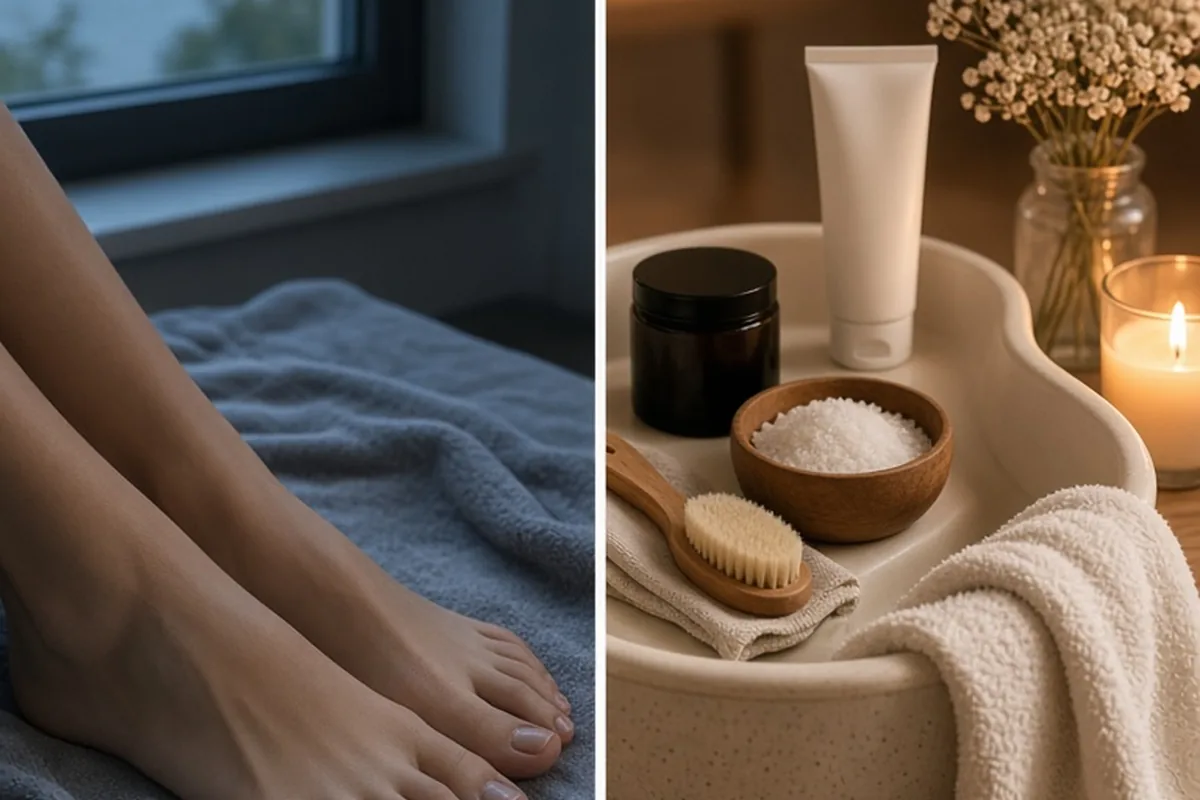
Achieving and maintaining pretty feet comes down to consistent, gentle care: washing and drying thoroughly, trimming nails straight across to prevent ingrown edges, gently exfoliating built-up dry skin rather than shaving it, and applying a thick emollient or moisturizing balm daily. Pairing sensible footwear with regular hydration keeps skin soft, reduces calluses, and supports long-term comfort and foot health without requiring expensive salon appointments.
Caring for your feet is both an aesthetic preference and a practical foundation for everyday comfort. When your feet are well-groomed and hydrated, wearing open-toed shoes, exercising, and relaxing at home feel noticeably better.
Establishing a Reliable Daily Cleansing and Drying Routine
The baseline of healthy, attractive feet begins in the shower, but effective foot hygiene involves more than just letting soapy water run down your legs. Feet spend hours trapped inside shoes and socks, accumulating sweat, dead skin cells, and environmental dirt. Using a gentle body wash or mild bar soap with a washcloth ensures you physically lift grime and slough off loose skin, especially around the heels, the balls of the feet, and between the toes where bacteria thrive.
Drying is just as important as washing. Lingering moisture between the toes creates a humid environment that can encourage skin maceration, peeling, odor, and fungal growth. After showering or bathing, take thirty seconds to press a clean towel thoroughly between each toe before putting on socks or applying lotion. This simple step prevents chronic dampness and keeps the skin barrier resilient and clean throughout the day.
Exfoliating Dry Calluses and Rough Patches Safely
Calluses develop as a protective response to friction and pressure, but when left unmanaged, they can become hard, yellowed, and prone to painful cracking. The safest way to smooth thick skin is through regular, moderate exfoliation rather than aggressive removal. Soaking feet in warm water for ten minutes or working on them at the end of a warm shower softens the stratum corneum, making it receptive to gentle mechanical filing.
Use a natural pumice stone or a fine-grit foot file in light, circular motions across the heels and rough edges. Avoid sharp metal rasps or razor blades, which can easily slice into living tissue, cause infections, or trigger the body to produce even thicker calluses as a defensive reaction. Limit physical filing to once or twice a week; over-exfoliating strips essential protective layers and leaves the soles tender and raw when walking.
Chemical exfoliants offer a hands-off alternative for overall texture refinement. Creams and lotions containing mild alpha hydroxy acids, like lactic acid or glycolic acid, gently dissolve the bonds between dead cells over time. Incorporating these products a couple of times a week provides an even, gradual smoothing effect that keeps the skin soft without the risk of abrasion.
Deep Hydration and Overnight Moisture Techniques
The skin on the soles of your feet is significantly thicker than the skin on the rest of your body and lacks oil glands, which makes it particularly prone to dehydration. Standard body lotions are often too lightweight to penetrate this dense barrier effectively. To achieve lasting softness, look for rich creams formulated with occlusives like shea butter, petrolatum, or beeswax, combined with humectants like glycerin or urea.
Applying a heavy moisturizer immediately after showering helps lock in water before it evaporates. For stubborn, flaky heels, an overnight intensive treatment works wonders: massage a generous layer of thick foot balm or petroleum jelly into the skin before bedtime, then slip on a pair of clean, breathable cotton socks. The socks prevent the cream from rubbing off on your bedsheets and create a warm barrier that aids absorption, leaving feet noticeably softer by morning.
Consistency is key with moisturization. Skipping lotion for several days allows the outer skin layers to dry out and harden again, especially during warm weather when sandals expose feet to dry air and dust. Making foot cream part of your nightly winding-down routine takes less than two minutes and prevents the buildup of hard crusts over time.
Trimming and Shaping Toenails to Avoid Pain and Breakage
Neat toenails instantly elevate the appearance of your feet while preventing painful complications like ingrown nails and split edges. Always use dedicated toenail clippers with a straight or slightly curved cutting edge rather than fingernail clippers, which are often too small and can cause the nail plate to bend or fracture under pressure.
Cut your nails straight across, leaving the length roughly even with the tips of your toes. Cutting nails too short or rounding down deeply into the lateral corners encourages the nail edge to grow directly into the surrounding skin as it lengthens, creating tenderness and inflammation. Once clipped, smooth any sharp corners with an emery board, filing in one direction to prevent fraying.
Care for your cuticles gently by keeping them hydrated with a drop of jojoba oil or standard cuticle balm. Avoid cutting or nipping the cuticle tissue at the base of the nail; cuticles serve as a biological seal that keeps bacteria and debris out of the nail matrix. If you prefer a cleaner look, soften them with warm water and gently nudge them back with a rubber-tipped pusher or damp washcloth.
Choosing Footwear That Protects Skin and Nail Health
Even the most meticulous foot care routine can be undone by ill-fitting footwear. Shoes with narrow, pointed toe boxes compress the toes together, causing friction blisters, corn development, and nail trauma that can lead to discoloration or thickening. Ensuring your everyday shoes have adequate room for your toes to spread naturally reduces localized pressure points and keeps skin smooth.
Material choices also play a substantial role in skin condition. Non-breathable synthetic shoes trap perspiration, accelerating odor and skin softening that makes feet vulnerable to chafing. Opt for breathable leather, canvas, or athletic mesh when possible, and choose moisture-wicking socks made of merino wool or technical blends rather than pure cotton if your feet tend to sweat during exercise or long workdays.
Rotate your shoes regularly to allow each pair at least twenty-four hours to dry out completely between wears. If you frequently wear high heels or unsupportive flat sandals, balance them with supportive, cushioned footwear during walks or commutes to prevent excessive strain on the heel pads and arch.
Seasonal Care: Adjusting Your Routine from Summer to Winter
Environmental shifts change what your feet need throughout the year. In the summer, frequent sandal wear, pool chemicals, and barefoot walking expose skin to sunlight, dry breezes, and abrasive surfaces. Applying broad-spectrum sunscreen to the tops of your feet prevents burns and long-term sun spots, while a gentle rinse and moisturizer after outdoor activities prevents dust from leeching moisture from your heels.
Winter presents the opposite challenge: cold outdoor air combined with dry indoor heating draws moisture out of the skin, while heavy boots can cause sweat accumulation followed by rapid cooling. During colder months, increase your use of rich urea-based balms and exfoliate less frequently to preserve the natural barrier against friction from heavy socks and winter footwear.
Illustrative Scenarios
Restoring Over-Filed Heels
Maya noticed rough, flaky skin on her heels ahead of a beach vacation and tried to scrub it all away in a single evening using a coarse metal foot rasp. The aggressive filing removed the calluses but left the underlying skin thin, red, and painful to walk on for several days. Realizing that rapid removal caused unnecessary irritation, she paused all abrasive filing and switched to applying a 10 percent urea cream twice daily under soft cotton socks. Within two weeks, the sensitivity subsided, and her heels became naturally smooth and hydrated through gradual replenishment rather than harsh scraping.
Key point: Gentle, consistent hydration resolves dry skin far more safely and sustainably than aggressively grinding down calluses in one session.
Fixing a Chronic Nail Trimming Mistake
Jordan routinely clipped his toenails into deep, rounded ovals down the sides to make them look uniform with his fingers. Over time, the side edges began digging into his skin, causing recurring tenderness whenever he wore running shoes. He consulted basic grooming guidance, let the nail corners grow out past the skin fold, and started trimming strictly straight across with a dedicated toenail clipper before lightly smoothing the tips with a fine file. Within a month, the localized pressure and redness disappeared completely, keeping his nails neat and pain-free.
Key point: Trimming toenails straight across maintains structural strength and prevents painful ingrown edges.
Frequently asked questions
How often should you exfoliate your feet?
For most people, gently using a pumice stone or foot file once or twice a week is ideal. Exfoliating too often can irritate healthy skin and trigger faster callus formation as a defensive response.
What is the most effective way to soften deep, cracked heels?
Apply a thick balm containing urea, shea butter, or petroleum jelly to clean, damp skin every night and cover your feet with clean cotton socks while sleeping. Consistent daily hydration softens stubborn fissures over one to two weeks.
Should toenail cuticles be trimmed during a home pedicure?
It is best to leave cuticles intact because they act as a protective barrier preventing dirt and bacteria from entering the nail bed. Instead of clipping them, soften them with warm water and gently push them back with a soft cloth or cuticle stick.
Your next step
Pick up a nourishing foot balm tonight, apply a generous layer to clean, dry feet before bed, and slip on cotton socks to wake up with visibly softer skin.